Justice Samuel Alito Recusal from Suncor v. Boulder Highlights Lingering Ethical Concerns Over Supreme Court Stock Ownership

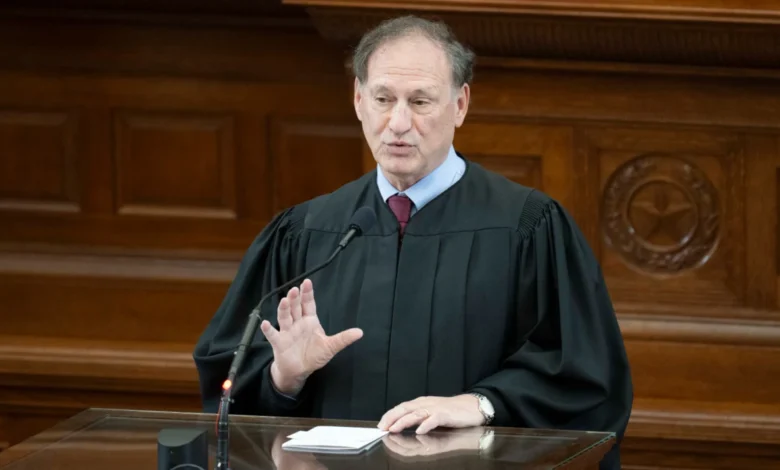
Supreme Court Justice Samuel Alito announced on Monday that he would recuse himself from a pivotal climate change litigation case, Suncor v. Boulder, just one week before the court’s new term is scheduled to begin. The move marks a sudden reversal for the justice, who had previously resisted mounting pressure from legal scholars, advocacy groups, and watchdog organizations to step aside from cases involving companies in his personal investment portfolio. While the decision removes Alito from the immediate proceedings of this specific case, the timing and the broader context of his financial disclosures have reignited a national conversation regarding judicial ethics, the potential for conflicts of interest, and the sufficiency of the Supreme Court’s internal code of conduct.
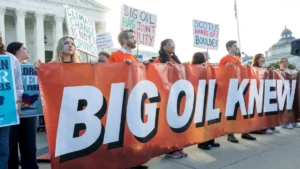
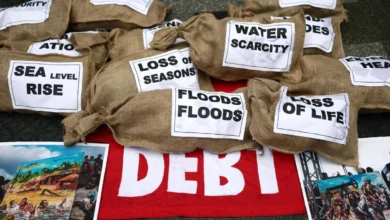
The case, Suncor v. Boulder, represents a significant legal battle between local government entities and the fossil fuel industry. The city and county of Boulder are seeking to hold oil giants ExxonMobil and Suncor accountable for the escalating costs associated with climate change—ranging from infrastructure repairs necessitated by historic flooding to the financial burden of managing extreme wildfire seasons. These municipal lawsuits argue that the industry knowingly misled the public regarding the environmental risks of their products for decades, and that they should bear a portion of the financial responsibility for climate-related damages.
A Chronology of Conflict and Resistance
The path to this recusal has been marked by years of legal maneuvering and public scrutiny. The tension surrounding Alito’s participation in climate-related litigation reached a crescendo in early 2026.
In February 2026, the Supreme Court held a private conference to determine which cases would be granted a writ of certiorari for the upcoming term. During this session, the court agreed to hear the Suncor case, a move that effectively put a stay on 11 other similar climate liability cases pending in various state courts. Because Alito participated in that conference, legal experts have raised the possibility that his vote may have been instrumental in the court’s decision to take up the case—a "gateway" decision that could eventually provide the fossil fuel industry with the blanket immunity it has long sought.
Prior to this week, Alito had been adamant about his participation. When questioned about his stock holdings earlier in the year, he signaled through court representatives that he was not required to recuse himself, citing the opinion of the court’s legal counsel. This stance was bolstered by a 2023 memorandum in which Alito argued that the disruption caused by frequent recusals would distort the court’s work and leave the bench with fewer than nine justices.
However, the mounting pressure from the Senate Judiciary Committee and a coalition of 30 environmental and watchdog organizations—including the League of Conservation Voters and the Revolving Door Project—appears to have created an untenable position. The coalition’s May 2026 letter formally requested an investigation into whether Alito’s stock ownership violated the judicial ethics code adopted by the court in late 2023.
The Financial Portfolio at the Center of the Storm
Justice Alito’s most recent financial disclosure, released in August 2026, confirms that he maintains an extensive portfolio of individual corporate stocks. Among his holdings are shares in at least seven fossil fuel companies. According to research conducted by the organization Consumer Watchdog, these holdings overlap significantly with companies involved in the very cases that are currently being blocked by the Supreme Court’s intervention in the Suncor matter.
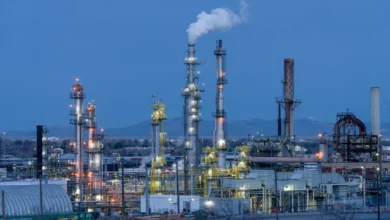
While Alito does not currently own stock in ExxonMobil or Suncor, his portfolio includes shares in ConocoPhillips and Phillips 66. Both companies have openly warned their investors of the material financial risks posed by ongoing climate litigation. Analysts note that a favorable ruling for the defendants in Suncor v. Boulder would likely establish a legal precedent that shields the entire fossil fuel industry from similar state-level liability claims, thereby directly benefiting the value of the stocks held by the justice.
The complexity of these holdings has been defended by allies of the justice as being largely inherited by his wife, Martha-Ann Alito, from her parents. In a biography released this year, author Mollie Hemingway noted that these shares carry sentimental value, suggesting an emotional barrier to divestment. However, legal ethics experts remain unconvinced that personal or sentimental ties should exempt a Supreme Court justice from the standard recusal requirements that apply to lower-court judges.
The Broader Impact on Judicial Integrity
The Supreme Court’s 2023 code of conduct was intended to quell years of public skepticism regarding the integrity of the institution. Yet, the Suncor incident highlights a fundamental flaw in the system: the lack of an independent review process. Under the current system, each justice is the sole arbiter of whether their personal financial interests warrant a recusal.
Chief Justice John Roberts has long defended this arrangement, asserting in a 2011 year-end report that he has "complete confidence" in the capability of his colleagues to determine when their own bias or financial conflicts require them to step down. Critics, however, argue that this system is inherently broken. Louis Virelli, a law professor at Stetson University and a specialist in judicial ethics, posits that the question should not be what is "required" by a narrow interpretation of the law, but what is "right" in terms of an institutional duty to the public.
"The real question is why any justice holds stock in an individual company that is part of an industry that is going to appear before the court," Virelli remarked. The implications extend far beyond the specific outcome of the Boulder case. By continuing to hold these assets, the justices invite ongoing, high-profile scrutiny that undermines the perceived impartiality of the Supreme Court.
Analyzing the Future of Climate Litigation
The Suncor case is seen by many as a tactical "ideal vehicle" for the oil industry to achieve a sweeping victory on the issue of federal preemption. By arguing that federal law supersedes state-level climate litigation, the industry hopes to end the string of costly court battles currently playing out in California, New Jersey, and Delaware.
The fact that Alito was involved in the initial decision to hear this case remains a point of contention. If the Supreme Court ultimately rules in favor of the fossil fuel companies, the legitimacy of that ruling may be questioned by the public due to the justice’s initial involvement and his known portfolio ties.
As the court prepares to enter the new term, the legal community is watching closely to see if the Alito recusal signals a shift in the court’s internal culture. Some legal scholars, such as Arthur Hellman, suggest that the justice’s action is a case of "too little, too late." While the recusal prevents further immediate criticism regarding his participation in this specific case, it does not solve the underlying problem: the existence of the financial interests themselves.
Ultimately, the debate reflects a growing chasm between the Supreme Court’s traditional, self-regulated approach and the modern public demand for transparency and accountability. As extreme weather events continue to burden local governments with billions of dollars in recovery costs, the legal battle over climate accountability will likely remain a fixture of the American judicial landscape. Whether the Supreme Court can navigate these waters while maintaining its reputation for impartiality—given the financial entanglements of its members—remains one of the most critical questions facing the American legal system today. For now, the court moves forward with a partial bench on one of the most significant environmental issues of the decade, leaving the public to grapple with the complexities of judicial ethics in an era of climate crisis.