Divided Ground: How a Proposed Natural Gas Pipeline in Rural North Carolina Exposes the Clash Between Rapid Growth and Historic Communities

The rustic landscape of Chatham County, North Carolina, has long been defined by a harmonious coexistence of dense woodlands, winding country roads, and abundant wildlife. From darting red foxes and elusive coyotes to white-tailed deer and wild turkeys, the rural character of this 85,000-resident county remains largely intact despite the relentless march of modern development. Yet beneath this tranquil surface, a brewing infrastructural controversy has laid bare a profound socioeconomic divide. Enbridge Gas North Carolina’s proposed natural gas pipeline project has thrust the county to the forefront of a national debate, illustrating how rapid regional population growth increasingly pits affluent newcomers against generations-long rural residents.
The proposed 12-inch-diameter pipeline is designed to stretch from Moncure to Siler City, traversing a geographic and economic fault line. While Chatham County has rapidly transformed into one of the most affluent jurisdictions in North Carolina—propelled largely by a booming influx of residents into its northeastern suburbs—the path of the pipeline cuts directly through historically working-class corridors. In communities like Moncure and Siler City, per capita income hovers near $25,000 annually, representing roughly half of the regional average. This stark disparity has catalyzed widespread anxiety, turning a routine utility expansion proposal into a fierce battleground over environmental justice, property rights, and the preservation of rural heritage.
A Regional Flashpoint Rooted in Rapid Demographics
To understand the friction surrounding the Enbridge pipeline, one must examine the dramatic demographic shifts altering central North Carolina. Benefiting from its proximity to the world-renowned Research Triangle Park—home to over 250 high-tech and biotech companies—and elite academic institutions such as the University of North Carolina at Chapel Hill, Duke University, and N.C. State University, the region has attracted a massive wave of migration. North Carolina is currently ranked as one of the top states in the nation for domestic migration and stands as the third-fastest-growing state overall.
Within Chatham County itself, the population has surged by roughly 21% since 2016. In the northern reaches of the county, master-planned communities like Fearrington Village feature boutique retail spaces and luxury homes frequently commanding nearly $1 million. Meanwhile, massive developments like Chatham Park are projected to introduce tens of thousands of new residents over the next two decades.
Conversely, southern and western Chatham County tells a starkly different story. According to data compiled by the NC Budget and Tax Center, approximately a quarter of the county’s population qualifies as low-income, and competitive pressures remain fierce, averaging roughly 24 job seekers for every available opening. For these residents, the arrival of industrial-scale infrastructure is viewed not as a sign of economic progress, but as an existential threat to their livelihoods and stability.
The Chronology of Opposition and Local Resistance
The trajectory of the Enbridge project has been met with escalating community resistance since details of the expansion emerged. The timeline of public pushback highlights a community mobilizing swiftly to protect its interests:
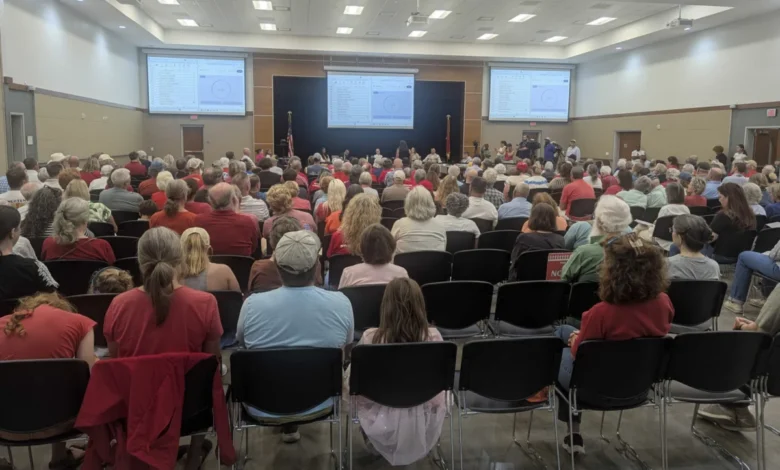
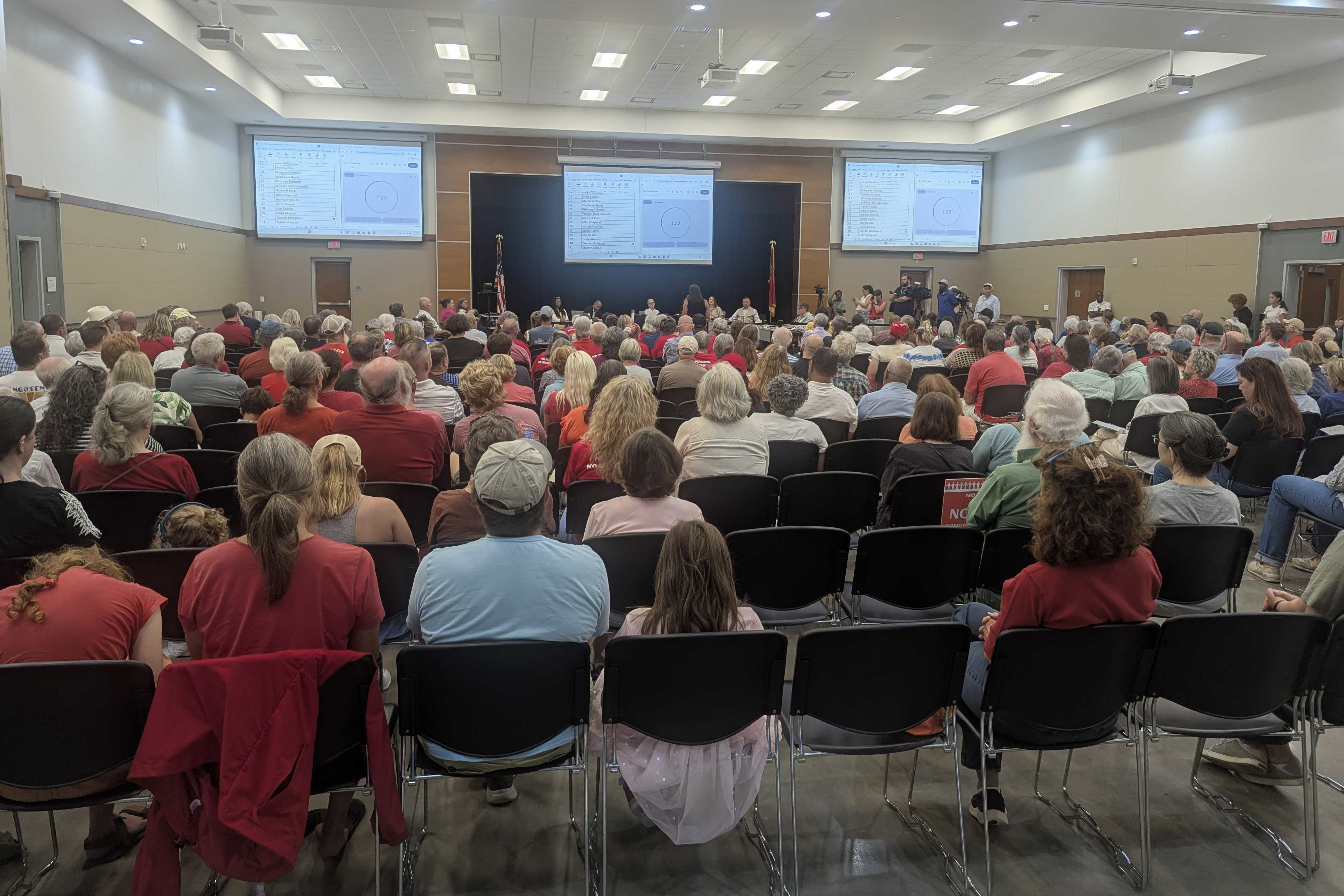
- Early August: More than 300 residents packed the Chatham County Board of Commissioners meeting room in Pittsboro, donning bright red t-shirts emblazoned with slogans such as "No Pipeline, No Compromise" and "People NOT Pipelines." Local farmers, retirees, and multigenerational landowners voiced unanimous concern over potential environmental degradation, water contamination, and property devaluation.
- September: The Chatham County Board of Commissioners took formal action, voting unanimously to adopt a resolution opposing the natural gas project. Commissioners emphasized that protecting public health, safety, environmental resources, and private property rights must supersede utility expansion. The resolution explicitly noted that vulnerable, low-income residents along the proposed route would bear the brunt of potential risks while possessing fewer legal and financial resources to contest eminent domain actions.
- Fall: Opposition spilled over into digital and grassroots spaces, with hundreds of residents joining dedicated community coalitions and neighborhood groups on social media to coordinate protest efforts, distribute lawn signs reading "No Trespassing, No Surveying, No Pipeline," and monitor utility surveyors.
Voices of the Land: The Personal Toll on Multigenerational Families
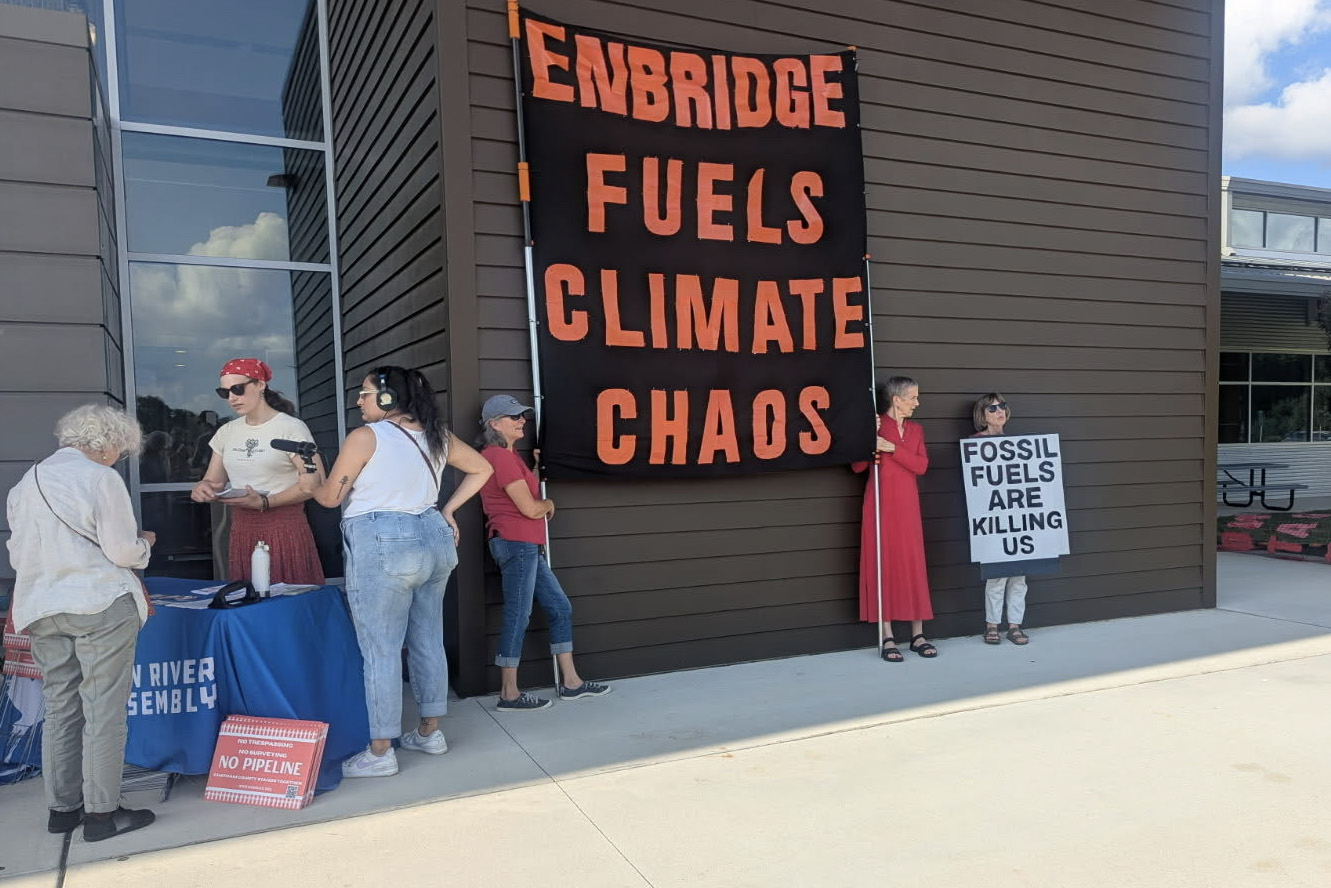
For many native residents, the threat of the pipeline is deeply personal, evoking fears of cultural erasure and the loss of hard-earned family legacies. Amanda Clark, a local protest organizer whose family lineage in Chatham County traces back to the 1700s, views the selection of the pipeline route as a calculated choice based on perceived vulnerability.
"They chose this route because they probably thought people would not fight back," said Clark, who works as a drug and injury prevention manager for the public health office in neighboring Guilford County. "In rural communities, we are seen as disposable."
Clark’s story echoes that of many families in the area. Her great-grandparents worked full-time as farmers, passing down acreage near Siler City that subsequently supported her grandparents, father, aunt, and cousin. Her grandfather, who retired from a local hosiery mill and farmed part-time, distributed parcels of land to his children upon marriage because land represented his sole substantial asset. Clark now stands to inherit a portion of that acreage, hoping to preserve a heritage built by farmers, mechanics, and schoolteachers.
"We’re the collateral damage," Clark added. "It makes people feel like they don’t have value."
Similar anxieties plague elder residents like Dorasue Burns Christian, an 85-year-old retired dental hygienist and widow. Christian has lived for more than half a century on her roughly 22-acre farm just south of Pittsboro, where she raises hay and cares for chickens, rescue dogs, and cats alongside her 66-year-old disabled son. Dealing with advancing macular degeneration—an eye disease that impairs straight-ahead vision and complicates reading or recognizing faces—Christian relies on the stability of her property to secure her family’s future. She had originally planned to sell parcels of her land to fund long-term care and nursing home expenses as her health declines. However, she reports that prospective buyers immediately withdrew their offers upon learning of the proposed Enbridge pipeline route.
"They should be ashamed of themselves," Christian said of the utility’s planners. "It’s disheartening. They are stealing from poor people."
Corporate Stance and Safety Concerns
Enbridge Gas North Carolina, a subsidiary of the major Canadian energy infrastructure corporation Enbridge, maintains that the 12-inch pipeline is an absolute necessity to satisfy surging energy demands driven by commercial and residential growth in Chatham and neighboring Lee County. Company representatives argue that robust energy infrastructure is foundational to maintaining regional economic vitality.
In statements provided to media outlets, Enbridge spokesperson Persida Montanez emphasized that the utility remains committed to prioritizing safety during every phase of pipeline construction and operation. Montanez noted that the final route will be meticulously determined following comprehensive field surveys, environmental assessments, and engineering evaluations, ensuring compliance with strict regulatory oversight.
Furthermore, company officials have pushed back against local rumors linking the pipeline directly to a controversial, proposed industrial data center project in the county—a development that has also faced vigorous local pushback. Enbridge’s official project literature clarifies that the planned pipeline lacks the capacity to service a data center, noting that such an undertaking would require infrastructure at least twice the diameter of the Chatham County system. The proposed line is instead designed to tie into existing natural gas nodes in Siler City and near Moncure.
Despite these assurances, local skepticism remains deeply entrenched, fueled largely by Enbridge’s historical safety record in other states. Residents opposed to the project frequently point to past high-profile incidents involving Enbridge infrastructure, including a massive 2010 inland oil spill in Marshall, Michigan, which discharged approximately 1 million gallons of crude oil into Talmadge Creek, and subsequent federal settlements totaling $177 million. Critics also reference a 2019 natural gas pipeline rupture in Danville, Kentucky, investigated by the National Transportation Safety Board, which resulted in one fatality and multiple injuries.
Broader Implications: Energy Dominance Meets Environmental Justice
The grassroots confrontation in Chatham County occurs against the backdrop of a national expansion in natural gas infrastructure. Driven by federal policies emphasizing American energy dominance—with the United States currently producing more natural gas than any other nation, rivaling the combined outputs of China, Russia, and Iran—pipeline construction has accelerated across the country.
However, this industrial boom intersects uneasily with mounting concerns over environmental justice. Academic and environmental research consistently indicates that industrial infrastructure, including natural gas pipelines and associated leakage points, is disproportionately sited within lower-income and minority neighborhoods. Studies published by organizations like the Environmental Defense Fund note that lower-income communities frequently experience higher baseline vulnerabilities, such as poverty and chronic health conditions, while possessing fewer resources to mitigate environmental hazards or respond to industrial accidents.
Federal data compiled by public interest groups reveal that between 2010 and 2021, nearly 2,600 pipeline incidents nationwide met the threshold for mandatory federal reporting, resulting in dozens of fires, explosions, 122 fatalities, and over 600 injuries. These statistics amplify local fears in rural North Carolina, where residents worry that a potential leak or rupture could threaten local aquifers, private drinking water wells, and agricultural soil.
The Regulatory Landscape and Uncertain Future
Under North Carolina General Statutes, private utility providers and pipeline operators possess the legal authority to acquire property easements via eminent domain if voluntary negotiations fail. These easements grant companies permanent rights-of-way to construct, inspect, operate, and maintain infrastructure across private land without transferring outright title ownership.
While state law positions the North Carolina Utilities Commission as a primary regulatory body for utility operations, and requires review from the North Carolina Department of Environmental Quality for various environmental permits, officials confirm that a formal, comprehensive permit application for the Chatham County expansion project has not yet been finalized or formally submitted. Representatives for Governor Josh Stein’s office noted that state agencies are monitoring the situation, while the Utilities Commission has declined to comment on pending matters.
As the standoff continues, the fate of the Enbridge pipeline hangs in the balance, encapsulating the broader dilemma facing modern American governance: how to balance the insatiable energy demands of a rapidly modernizing, high-tech economy with the fundamental rights and well-being of rural communities who feel left behind by progress. For the families of Chatham County, the fight is not merely about a steel pipe buried beneath the soil, but about whether their history, their health, and their land will be preserved or treated as expendable collateral in the path of growth.
Related posts: