A National Crisis in the Wilderness: Firefighters Report Systemic Failures and Dangerous Conditions Amid Record-Breaking Fire Season

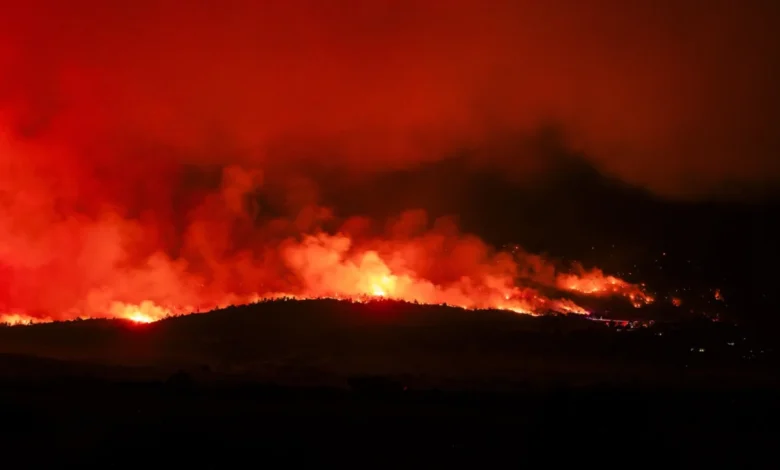
The 2026 wildfire season has pushed the United States’ wildland firefighting infrastructure to a breaking point, revealing a deepening chasm between the administrative mandates of the federal government and the lived reality of crews on the ground. As massive, climate-fueled blazes consume millions of acres across the American West, frontline firefighters, labor advocates, and independent experts are reporting a harrowing combination of extreme resource exhaustion, critical personnel shortages, and an aggressive, government-mandated suppression strategy that many warn is directly contributing to preventable fatalities.
By mid-September 2026, the United States had recorded roughly 54,400 wildfires, scorching more than 8.4 million acres—a staggering 149 percent of the ten-year average. The intensity and frequency of these fires have triggered a sustained, historically unprecedented state of emergency, placing the nation at “Preparedness Level 5” (PL5)—the highest tier of resource deployment—for 48 consecutive days. This duration is nearly double the typical ten-year average, signaling that the federal capacity to manage the landscape has been overwhelmed by the pace of environmental change.
A Chronology of Escalating Risk
The current crisis did not emerge in a vacuum. It is the culmination of years of staffing attrition, coupled with a shift in federal policy. In early 2026, as the fire season began in April, crews were deployed with little respite. By mid-summer, the accumulation of fatigue, smoke exposure, and high-stakes operations began to manifest in a series of critical safety failures.
The most prominent tragedy occurred during the Knowles Fire in Colorado, where three firefighters lost their lives in a sudden entrapment. The incident, which left another crew member with severe burns and another deceased weeks later due to complications from injuries, stands as the deadliest entrapment event in 13 years. According to data from the Wildland Fire Lessons Learned Center, the frequency of such entrapments—situations where fire overwhelms safety zones—has reached a 20-year high. By mid-August, at least 12 such life-threatening incidents had been documented.
The Widening Gap Between Capacity and Demand
Firefighting experts and union representatives describe the current situation as an equation where the “wages” of labor—defined as staffing, experience, and energy—cannot keep pace with the “inflation” of the fire environment. The climate crisis has transformed the western landscape into a tinderbox, characterized by multi-year droughts and volatile winds that render traditional, small-scale suppression tactics less effective.
The loss of institutional knowledge remains a central concern. The roles of taskforce leaders, division supervisors, and heavy equipment managers require years of specialized training and on-the-ground experience. As these veterans exit the workforce due to burnout or dissatisfaction with compensation and working conditions, they are being replaced by less experienced personnel or left vacant, forcing agencies to utilize temporary, ad-hoc leadership structures.
Bobbie Scopa, a retired fire chief and vice-president of the advocacy group Grassroots Wildland Firefighters, noted that these staffing deficits are not new but have reached a terminal velocity. “We have had shortages for 20 years, and it’s only gotten worse,” Scopa stated. “When you double up responsibilities because you lack leaders, you set the entire organization up for failure. This isn’t about bureaucracy; this is about keeping people alive.”
Administrative Mandates and the “Full Suppression” Policy
A significant point of contention is the directive from the Trump administration to move away from “managed fire” strategies—which allow for controlled burns or fires in remote areas to reduce future fuel loads—in favor of aggressive, full-suppression tactics. Both Agriculture Secretary Brooke Rollins and Interior Secretary Doug Burgum have emphasized a “fast and full” approach, requiring crews to combat every ignition immediately.
While agency heads, including U.S. Forest Service (USFS) Chief Tom Schultz, have maintained that the workforce is “fully staffed and equipped to respond aggressively,” this rhetoric is being directly challenged by those in the field. Nine anonymous firefighters, ranging from specialized helicopter crews to engine bosses, told investigators that the mandate to extinguish every flame, regardless of the terrain or the safety risk to personnel, has created a culture of forced, high-risk exposure.
Critics, including fire ecologist Timothy Ingalsbee, argue that this policy is counterproductive. By suppressing all fires, the government is inadvertently contributing to the buildup of volatile vegetation, which creates larger, more explosive fires in future seasons. Furthermore, the practice of using limited, exhausted resources to fight the final 2 percent of a fire in rugged, dangerous terrain is cited as a primary driver of the current spike in burn injuries and fatalities.
Congressional Scrutiny and Financial Strain
The strain on the system has reached the halls of Congress. In a formal letter to the Department of the Interior and the U.S. Department of Agriculture, a coalition of senators—including Michael Bennet, Alex Padilla, Ron Wyden, Adam Schiff, and John Hickenlooper—raised urgent concerns regarding the depletion of the $6 billion suppression budget.
The senators’ letter highlighted that personnel are working extended, unsafe shifts and that requests for critical support crews have gone unfilled across the western states. The lawmakers specifically flagged the high fatality rate as evidence that the current operational model is not sustainable. Despite these inquiries, neither the Interior Department nor the USDA has provided comprehensive data regarding total injuries or the current state of staffing vacancies, further fueling distrust between the frontlines and the administration.
The Cumulative Impact on Workforce Health
The human cost of this season extends beyond fatalities. The physiological toll of months of constant deployment includes chronic sleep deprivation, long-term respiratory damage from smoke inhalation, and malnutrition. Experts like Ingalsbee note that these factors have a profound, measurable impact on cognitive function, which is critical for decision-making in fire environments where a split-second error can mean the difference between life and death.
The reliance on “Preparedness Level 5” status for such an extended period suggests that the U.S. firefighting system is being operated at a level of intensity for which it was not designed. When the system remains in a state of maximum deployment, there is no margin for error, no capacity for equipment maintenance, and no time for personnel to recover.
Broader Implications for Forest Management
The impasse between administrative goals and the realities of modern fire ecology points to a looming reckoning for American land management. If the current trend of aggressive, full-suppression continues in an era of extreme climate events, the cycle of depletion is expected to worsen.
As the 2026 season progresses, the fundamental question remains: can the U.S. government continue to rely on a workforce that is stretched to its absolute physical limit? Fire ecologists argue that a shift in strategy—prioritizing community protection over the suppression of every ignition in the backcountry—is necessary to restore both ecological health and the safety of those who face the flames. Without a shift in policy and a tangible commitment to rebuilding the professional ranks, the fire community warns that the tragic outcomes of this summer may become the new, grim standard for the nation.