While the iconic brown bears of Katmai National Park typically dominate late-summer headlines during Fat Bear Week, a formidable black bear in southeastern Alaska has stolen the spotlight. Named Volverine, this dominant female black bear has officially been awarded the 2026 Big & Beautiful Award by the U.S. Forest Service team at the Tongass National Forest. Renowned for her impressive girth, distinct physical markings, and exceptional fishing prowess, Volverine has become a symbol of ecological health and resilience within one of North America’s most vibrant temperate rainforest ecosystems.
Her crowning achievement highlights a broader, highly anticipated annual phenomenon: the seasonal fattening of bears across Alaska as they prepare for the grueling metabolic demands of winter dormancy. While general wildlife observations have long documented the physical changes of bears, the systematic recognition of individual animals by forestry officials and wildlife conservation groups has transformed wildlife monitoring into a beloved public event.
Anatomy of a Matriarch: Volverine’s Physical Majesty and Behavior
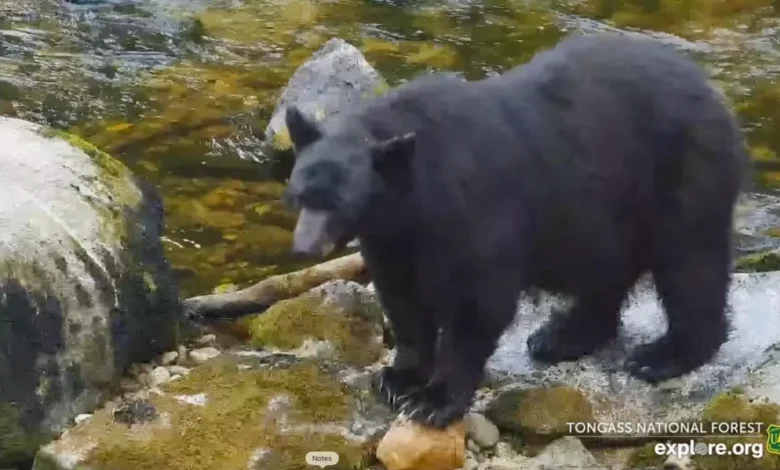
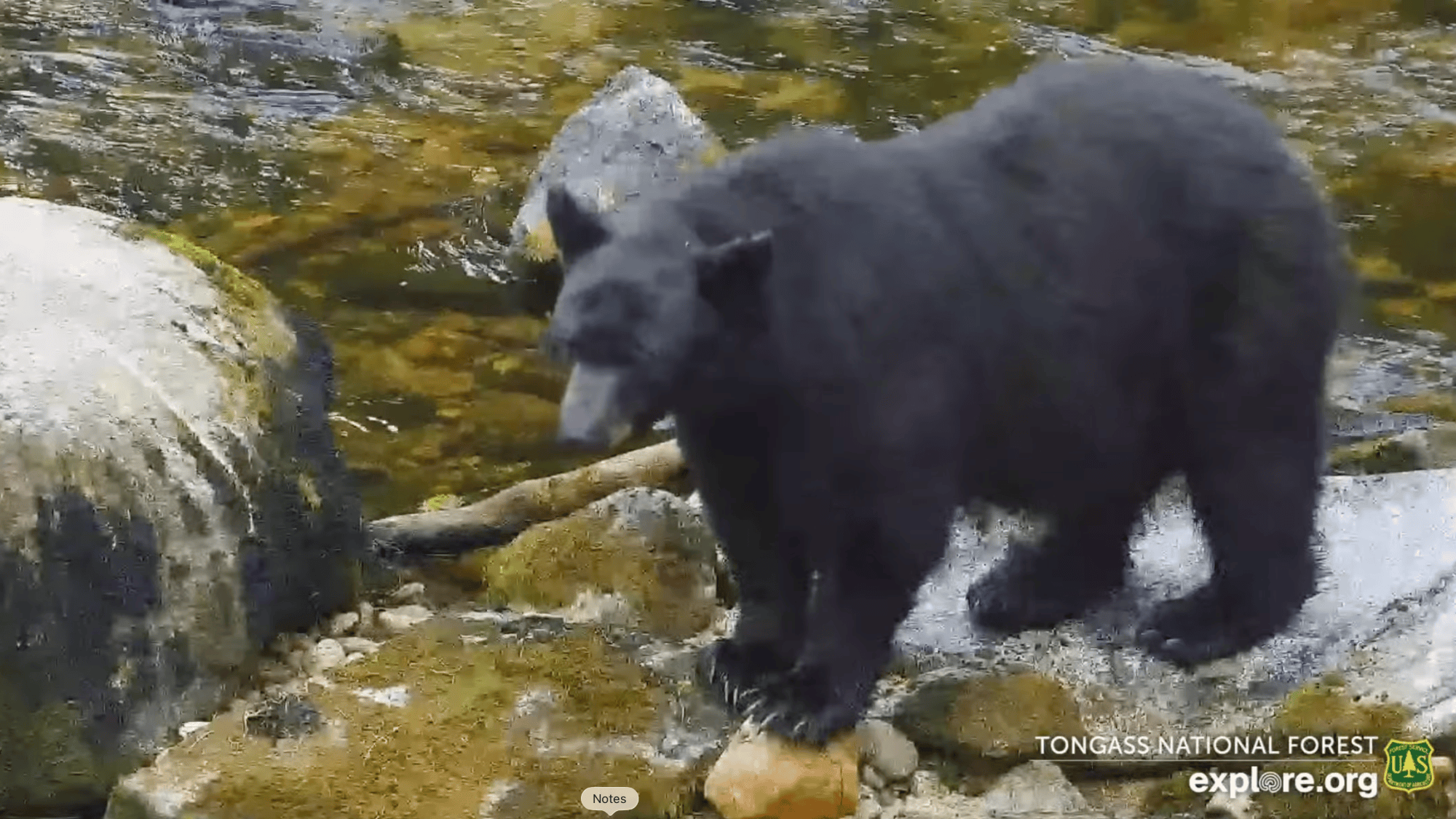
Volverine stands out in the dense, wildlife-rich landscape of the Tongass National Forest not merely for her size, but for her distinct appearance and calm demeanor. Wildlife officials describe her as a true icon of the region, noting her characteristic potato-shaped body, remarkably round frame, and a distinct white chest patch shaped unmistakably like the letter "V."
Beyond her unique markings, Volverine possesses a temperament that endears her to park rangers and visitors alike. Unlike more evasive or aggressive individuals, she is known to calmly position herself on prominent rock formations near waterfalls for extended periods. This behavior inadvertently accommodates visitors at the Anan Wildlife Observatory, providing rare, unobstructed opportunities for wildlife photography and behavioral study.
However, her aesthetic appeal is secondary to her ecological dominance. Volverine is an exceptionally skilled fisher. During the peak of the salmon migration, her efficiency in securing high-calorie meals propelled her into the upper echelon of the local bear population regarding mass and health. In a species where average female black bears typically range from 90 to 300 pounds—considerably smaller than their brown bear counterparts, which often weigh between 600 and 900 pounds—Volverine sits comfortably on the absolute upper tier of the black bear weight spectrum.
The Science Behind the Bulk: Survival and Reproductive Implications
The jubilation expressed by forest rangers over Volverine’s substantial weight is rooted in hard biological science rather than mere appreciation for hefty wildlife. Fat accumulation is the single most critical factor determining a female bear’s survival and reproductive success through the winter months.
Bears in regions like the Tongass National Forest rely entirely on stored fat reserves to survive winter denning, a period during which they neither eat, drink, nor defecate. For females, however, the stakes are even higher due to a unique reproductive strategy known as delayed implantation.
According to wildlife biologists, bears mate during the spring months, but the fertilized eggs do not immediately implant in the uterine wall. Instead, embryonic development is suspended. Implantation is entirely dependent upon the physical condition of the mother. If a female successfully accumulates sufficient fat stores and caloric reserves by the autumn months, the blastocyst implants, and gestation proceeds. If the bear is undernourished due to a poor food supply—such as a failed salmon run—the body absorbs the embryo, preventing the birth of cubs during a season when the mother lacks the resources to nurse them.
Consequently, Volverine’s impressive size is a direct biological indicator of ecological abundance and a promising precursor to potential new litters in the spring of 2027. Her robust condition reflects a successful foraging season, ensuring that she possesses the physiological capital required to support both herself and potential offspring through the winter.
The Ecological Stage: Anan Creek and the Tongass National Forest
To understand Volverine’s success, one must examine the unique environment that sustains her. Spanning most of southeastern Alaska, the Tongass National Forest is the largest national forest in the United States, encompassing vast glacial fields, deep fjords, dense old-growth temperate rainforests, and critical wildlife habitats.
Within this massive federal reserve, the Anan Creek watershed functions as a premier biological hotspot. Anan Creek supports one of the largest runs of pink salmon in the entire region. Each summer, millions of Pacific salmon migrate from the ocean into the freshwater streams to spawn, creating an extraordinary buffet for local predators.
The Anan Wildlife Observatory, managed by the U.S. Forest Service, provides a controlled viewing area where humans can safely observe the rich predator-prey dynamics of the region. Data collected by the Forest Service, alongside monitoring efforts by organizations like Friends of Anan, indicate a stable and diverse population centered around the creek. During the 2026 season, wildlife officials actively monitored 39 individual bears frequenting the observatory, comprising 31 American black bears and eight brown bears.
This coexistence of black and brown bears at a single feeding site is relatively unique and underscores the sheer density of resources available at Anan Creek. While brown bears are generally larger and more dominant, robust black bears like Volverine successfully carve out their niches through skill, timing, and competitive positioning along the prime fishing holes.

Modern Conservation and Public Engagement
The documentation of Volverine and her peers is part of a larger initiative by the U.S. Forest Service and partner organizations like explore.org to blend rigorous wildlife management with public education. Through continuous 24/7 live-streaming webcams positioned at key fishing areas along Anan Creek, millions of viewers worldwide can observe the daily lives, struggles, and triumphs of individual bears in real time.
This digital window into the wilderness serves multiple conservation purposes. By assigning identities, behavioral profiles, and nicknames to specific bears—culminating in humorous and engaging events like the Anan Bear Awards and the Big & Beautiful Award—wildlife managers cultivate a personal connection between the public and remote ecosystems. Viewers who tune in to watch Volverine fish or rest on her favorite boulder develop a vested interest in habitat preservation, climate stability, and sustainable fisheries management.
Furthermore, these platforms provide invaluable baseline data for researchers. By tracking individual bears year after year, biologists can monitor population trends, assess the impacts of shifting climate patterns on salmon runs, and evaluate how regional ecosystems respond to environmental pressures.
Broader Impacts and Future Outlook
As the 2026 season draws to a close, bears across Alaska are transitioning from hyperphagia—a period of intense, continuous eating driven by hormonal changes to maximize fat storage—into the final stages of denning preparation. For Volverine and the other 38 documented bears of Anan Creek, the immediate future involves locating or excavating secure dens beneath tree roots, rock cavities, or snow banks where they will spend the winter months dormant.
The celebration of Volverine’s physical condition highlights a broader ecological narrative: the health of apex predators serves as a direct barometer for the health of the environment as a whole. A forest that can support bears of Volverine’s magnitude is a functioning, nutrient-rich ecosystem where marine-derived nutrients from spawning salmon are successfully transported onto land, fertilizing the ancient trees of the Tongass.
While winter brings a temporary quiet to the live streams of Anan Creek, the legacy of the 2026 season will endure. Wildlife rangers, researchers, and global conservation enthusiasts will look toward the spring thaw, hoping to catch a glimpse of Volverine emerging from her den—ideally accompanied by a new generation of cubs, proving once again the enduring resilience of Alaska’s coastal wildlife.