Florida Attorney General Issues Subpoena to Democratic Socialists of America Over Alleged Foreign Funding Links

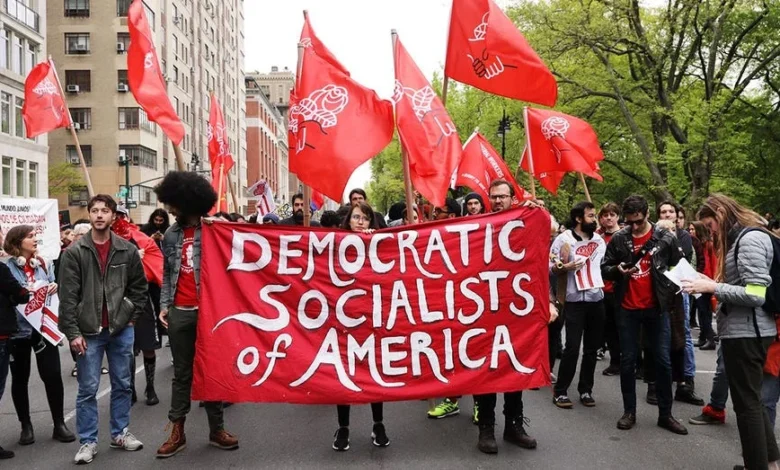
Florida Attorney General James Uthmeier announced on Tuesday that his office has issued an official investigative subpoena to the Democratic Socialists of America (DSA). The legal action is aimed at determining whether the prominent progressive and socialist organization has
accepted financial contributions or backing from "foreign sources of concern," specifically highlighting entities tied to the governments of Cuba and China.
The investigation underscores growing scrutiny from state officials regarding foreign influence operations and political funding within domestic advocacy groups. While the Florida Attorney General’s office has not yet detailed specific criminal allegations or named individual members accused of wrongdoing, the inquiry focuses heavily on recent international delegations organized and executed by DSA members.
Scope of the Investigation and Legal Grounds
At the center of the state’s inquiry is Florida’s Deceptive and Unfair Trade Practices Act. Attorney General Uthmeier’s office is utilizing its statutory authority to examine whether the DSA’s fundraising, financial structures, or organizational practices have breached state laws prohibiting political and organizational entities from accepting financial or material support from foreign adversaries.
"Our laws prohibit accepting contributions from foreign sources of concern," Uthmeier stated in a formal video address released on Tuesday. "We will not allow foreign adversaries to influence Florida through the backdoor of non-private fundraising."
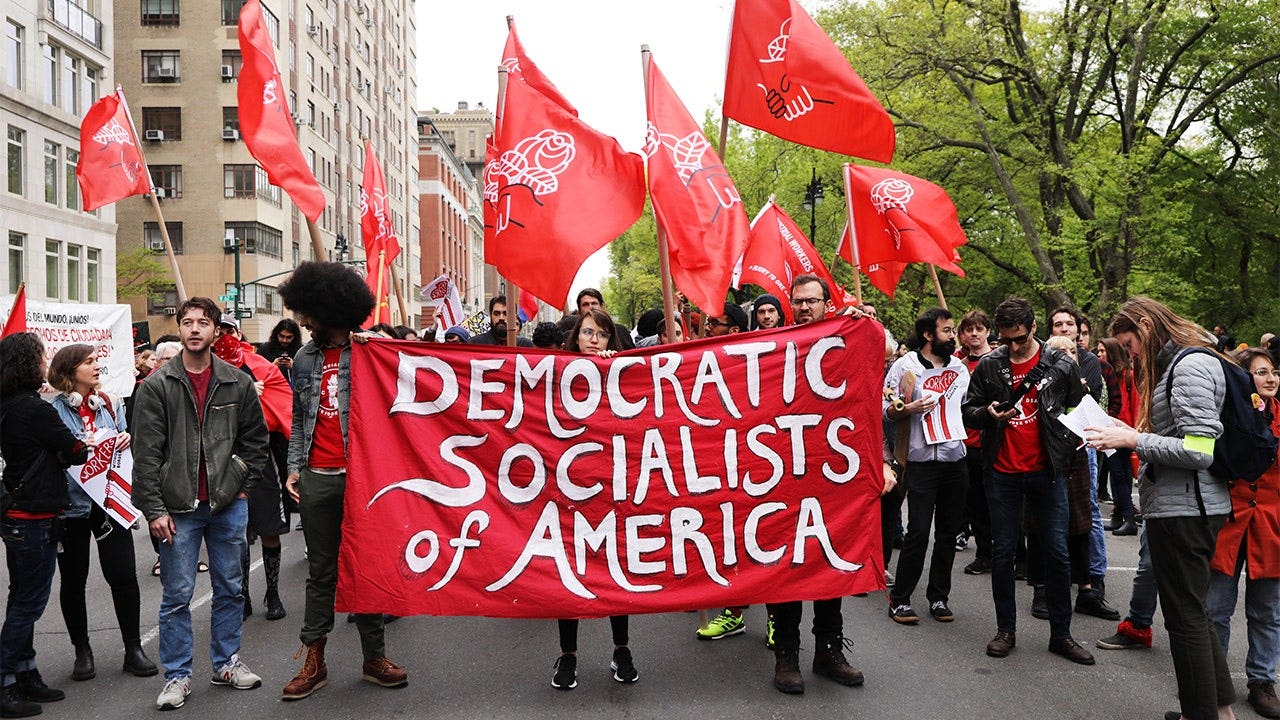
The newly issued subpoena specifically demands internal documents, communication logs, financial records, and operational details related to recent delegations sent by the DSA to China and Cuba. State investigators are particularly interested in examining whether these international trips involved coordination, financial arrangements, or strategic alignments with foreign government officials that could violate domestic and state financial disclosure or anti-corruption statutes.
Chronology of Events and International Engagements
The investigative subpoena follows a series of high-profile international engagements and domestic political developments involving the DSA over recent years.
- Prior International Delegations: In recent years, the DSA has dispatched multiple delegations of members and activists to foreign nations governed by single-party communist regimes, most notably Cuba and China.
- The 2023 Havana Meetings: According to a United States Department of State report published in July, members of a DSA delegation traveled to Cuba where they held private meetings with high-ranking Cuban government officials, including President Miguel Díaz-Canel. During these meetings, participants reportedly discussed establishing formal communication channels between the American organization and Cuban state ministries.
- Pledges to Foreign Ideologies: Investigative reports and public disclosures have previously highlighted ties between radical factions of the DSA and foreign political structures. Notably, several prominent DSA activists and members signed public pledges supporting and defending what is termed "Chinese socialism."
- Recent Electoral Gains: The legal escalation coincides with a notable cycle of electoral success for progressive and socialist candidates. In recent local, state, and federal elections, several candidates backed or endorsed by the DSA secured victories, prompting intensified political and media focus on the organization’s growing clout within the broader American left.
- The Subpoena Announcement: On Tuesday, Attorney General Uthmeier formally announced the issuance of the investigative subpoena, setting the stage for a legal battle over transparency, foreign ties, and domestic political financing.
Background on U.S.-Cuba Relations and DSA Advocacy
The Democratic Socialists of America have long maintained an active foreign policy platform that diverges significantly from traditional bipartisan U.S. foreign policy consensus. The organization has consistently advocated for the complete lifting of American economic sanctions, the normalization of diplomatic relations, and the total dismantling of the longstanding U.S. trade embargo against Havana.
Furthermore, the DSA has frequently praised the governance models and historical figures of the Cuban regime, drawing sharp rebukes from both Republican and mainstream Democratic leaders. Critics, particularly in Florida—home to a vast and politically influential community of Cuban exiles and Venezuelan Americans—have argued that the DSA’s uncritical stance toward authoritarian socialist governments poses a direct challenge to American national security interests.
In the wake of past delegations and public statements praising figures such as late Cuban dictator Fidel Castro, Republican organizations and conservative lawmakers have amplified warnings regarding the influence of radical factions within American politics. Florida’s leadership has consistently positioned the state as a bulwark against foreign authoritarian influence, particularly from nations situated close to American shores in the Caribbean and Latin America.
Official Responses and Organizational Stance
As of Tuesday afternoon, representatives for the Democratic Socialists of America had not issued a comprehensive formal response to the subpoena, though Fox News Digital reached out directly to the organization for comment.

Historically, the DSA defends its international travel and advocacy under the banner of international solidarity, peace activism, and freedom of speech and association. The organization maintains that its delegations engage in educational exchanges and political dialogue that are fully protected under the First Amendment of the U.S. Constitution.
Legal experts anticipate that the subpoena will likely spark a fierce legal confrontation between the Florida Attorney General’s office and the DSA’s legal defense teams. Constitutional scholars note that while state governments possess broad powers to regulate consumer protection and commercial fundraising practices under acts like the Deceptive and Unfair Trade Practices Act, applying such statutes to politically active advocacy groups with international ties will test the boundaries of state jurisdiction over federal political speech and association.
Broader Implications and Impact
The investigation into the DSA carries significant political and legal implications for both Florida and the national political landscape.
From a regulatory standpoint, the inquiry establishes a potential precedent for how state-level attorneys general may utilize consumer protection and trade practices statutes to probe the financial plumbing of domestic political organizations suspected of receiving indirect foreign assistance. If the subpoena uncovers evidence of unlawful foreign funding, it could trigger broader federal investigations by the Department of Justice or the Federal Election Commission.
Politically, the timing of the subpoena—arriving immediately following a major election cycle where DSA-affiliated candidates made notable gains—highlights the ongoing ideological polarization within American politics. Supporters of the investigation argue that transparency regarding foreign funding is a fundamental matter of national security and election integrity, especially in a border state like Florida with deep historical sensitivities to Latin American geopolitics. Conversely, critics and civil liberties advocates are likely to frame the subpoena as a politically motivated maneuver designed to chill progressive political dissent and target a surging faction of the political opposition.
As the legal process unfolds, the Attorney General’s office is expected to review the requested financial records and communications to determine whether the DSA has crossed the line from protected political advocacy into unlawful coordination with foreign adversaries.
Related posts: