Live Updates: Iran warns that U.S. military not allowed in Gulf “under any circumstance”

The Humanitarian and Economic Toll on Iran
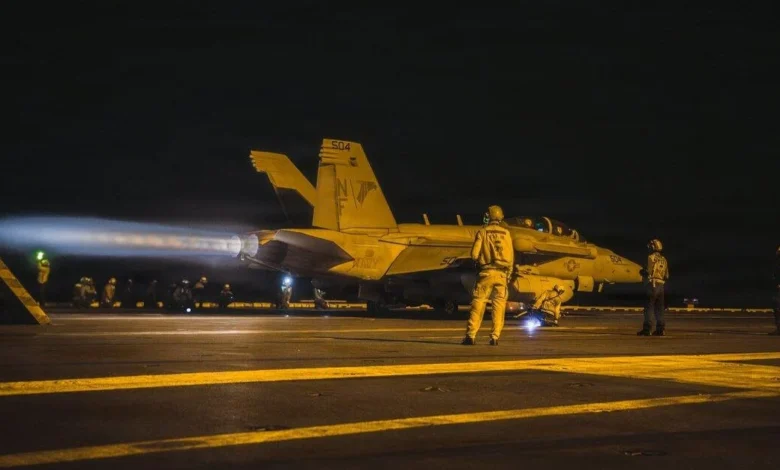
As the conflict drags into its current intensity, the domestic situation within Iran has become increasingly precarious. Iranian President Masoud Pezeshkian recently acknowledged the profound suffering of the civilian population, noting that many citizens are struggling to secure basic food supplies. The dual impact of prolonged warfare and stringent international sanctions has stifled the nation’s economy, leading to widespread scarcity.
Pezeshkian has publicly expressed a desire to move beyond the current "state of neither war nor peace," though he has stopped short of outlining a specific roadmap for de-escalation. This internal pressure coincides with mounting external threats, as U.S. officials, including Ambassador to Turkey Tom Barrack, have suggested that military strikes against Iranian targets could resume as early as this weekend. The U.S. strategy appears to be a calculated effort to let the Iranian economy "wither" under pressure, a policy that President Trump has defended as a means of achieving American objectives without the need for a full-scale ground invasion.
The Shadowy Leadership and Judicial Response
The internal political climate in Tehran remains fraught with tension, particularly following the heavy losses sustained by the ruling elite. Mojtaba Khamenei, son of the late Ayatollah Ali Khamenei, remains in hiding following a devastating strike on the presidential palace on the first day of the war. That attack, which claimed the lives of the Supreme Leader, his daughter, granddaughter, and other family members, created a significant vacuum in the nation’s leadership hierarchy.
In a recent meeting with the head of the judiciary, Hujjat al-Islam Mohseni Ejei, Mojtaba Khamenei signaled that the regime remains defiant. A readout of the meeting suggested that Iran is actively pursuing legal and moral compensation from the United States and Israel for damages incurred during the conflict. Historically, Iran has demanded billions in reparations as part of potential peace settlements, though such demands have been categorically rejected by Washington. The discussion also reportedly touched upon the need for the country to integrate modern technologies to bolster its resilience against ongoing military and economic pressure.
Escalation in the Red Sea and the Houthi Insurgency
The regional theater of the war has expanded significantly through the activities of the Iran-backed Houthi militant group in Yemen. Over the past 24 hours, the Houthis have launched a series of high-profile attacks targeting Saudi Arabia and the seat of the internationally recognized Yemeni government in Aden. Military spokesman Yahya Saree confirmed that the group targeted critical infrastructure, including the King Khalid International Airport in Riyadh, the Dammam and Najran airports, and key energy pumping stations.
These strikes, which the Houthis claim were in retaliation for Saudi-led airstrikes that allegedly killed 17 people, have severely strained the Saudi-led coalition. While Riyadh continues to defend its airspace, the frequency and precision of the Houthi attacks have forced a reassessment of security protocols. The Saudi civil defense agency reported intercepting missiles near the holy cities of Mecca and Medina, a development that further inflames sectarian and regional tensions. The U.S. State Department has responded to this regional volatility by updating travel advisories for 14 Middle Eastern countries, citing the "advanced stages" of Iranian-supported plots to target U.S. personnel abroad.
Crisis in the Strait of Hormuz and Global Energy Markets
The Strait of Hormuz, the world’s most vital maritime chokepoint, remains the epicenter of the conflict. With approximately 20% of the world’s oil supply traditionally passing through these waters, the ongoing blockade has caused a global energy shock. Brent crude prices have surged past $117 a barrel, the highest level seen since March 2026.
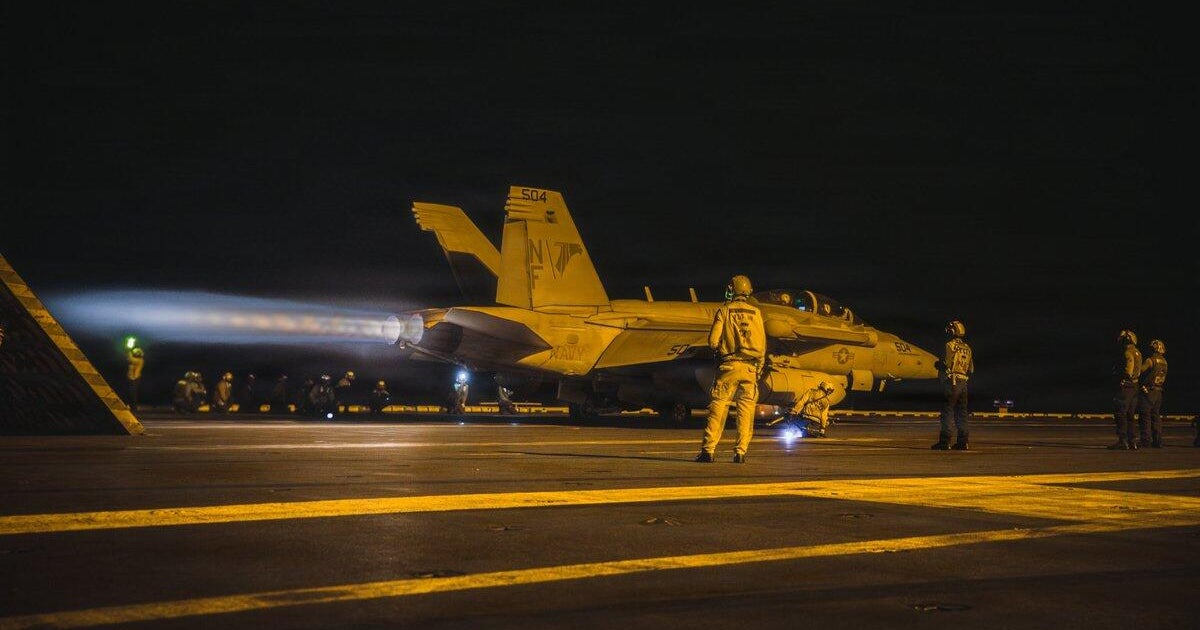
Iran has continued its aggressive posture, with armed forces chief of staff Ali Abdollahi warning that U.S. naval vessels will never be permitted in the Gulf. "The U.S. president must dream of seeing the armed forces enter the Persian Gulf," Abdollahi stated on state television. Conversely, the U.S. maintains that the strait must remain open to international shipping. To bypass the blockade, Saudi Arabia has significantly ramped up the usage of its East-West pipeline. Saudi Aramco CEO Amin Nasser reported that the pipeline’s throughput has tripled, moving 7 million barrels per day to the Red Sea coast, though this infrastructure has also become a target for Houthi drones.
Recent incidents involving oil tankers, including the Gem No. 2, which suffered a massive spill off the coast of the United Arab Emirates, have underscored the environmental and economic risks. While Iran claims to have struck several vessels for violating its navigation rules, the Trump administration maintains that these reports are "fake hits" intended to artificially inflate oil prices ahead of the U.S. midterms.
Diplomatic Maneuvers and the Road Ahead
Diplomatic efforts to stabilize the region are currently underway, though they face steep challenges. Foreign ministers from the E3 (Britain, France, and Germany) and the R4 (Turkey, Saudi Arabia, Pakistan, and Egypt) met in Istanbul to discuss the crisis. French Foreign Minister Jean-Noel Barrot warned that further escalation would leave "no winners" and cautioned against the dire consequences for global energy prices.
Meanwhile, Iranian President Pezeshkian is scheduled to meet with Russian President Vladimir Putin in Moscow next week. This meeting is expected to further solidify the Iran-Russia strategic partnership, a development that contrasts with President Trump’s claims that Russia is providing little aid to Tehran. Despite the rhetoric of "total victory" from some U.S. officials, the reality on the ground—characterized by a stalemate in the Gulf, a brutal insurgency in Yemen, and an economic crisis in Iran—suggests that the conflict will likely persist well into the coming year.
Fact-Based Analysis of Implications
The current trajectory of the war suggests several long-term implications for the Middle East and the global community:
- Energy Security Volatility: As long as the Strait of Hormuz and the Bab el-Mandeb remain contested, global energy prices will remain hypersensitive to regional military updates. The diversification of oil export routes, such as the Saudi East-West pipeline, provides only partial relief and creates new, concentrated targets for militant groups.
- The "Gray Zone" Conflict: The war is increasingly being fought in the "gray zone"—a space between peace and open conflict. Cyber-attacks, sabotage of tankers, and proxy strikes by the Houthis allow actors to project power without triggering a direct, full-scale war that neither side may be prepared to sustain.
- Diplomatic Fragmentation: The formation of disparate blocks, such as the E3 and R4 groups, reflects the difficulty of building a unified international consensus. While European powers emphasize de-escalation, regional actors are increasingly forced to choose sides or navigate a precarious neutrality to protect their own economic interests.
- Humanitarian Crisis: The displacement of civilians in Yemen and the economic starvation of the Iranian populace represent a deepening humanitarian crisis that will necessitate international intervention, regardless of the military outcome.
As November 3 approaches, all eyes remain on Washington and Tehran. The U.S. administration’s ability to manage the conflict while ensuring stable energy markets will be a defining factor in the domestic political landscape, while for Iran, the survival of the regime depends on its ability to withstand the mounting pressure of a nation effectively under siege. The path to a sustainable peace remains elusive, buried beneath the complexities of regional rivalries and the imperatives of global power projection.