The Future of Manchester United Prodigy JJ Gabriel Hangs in the Balance Amidst European Interest and Legal Threats

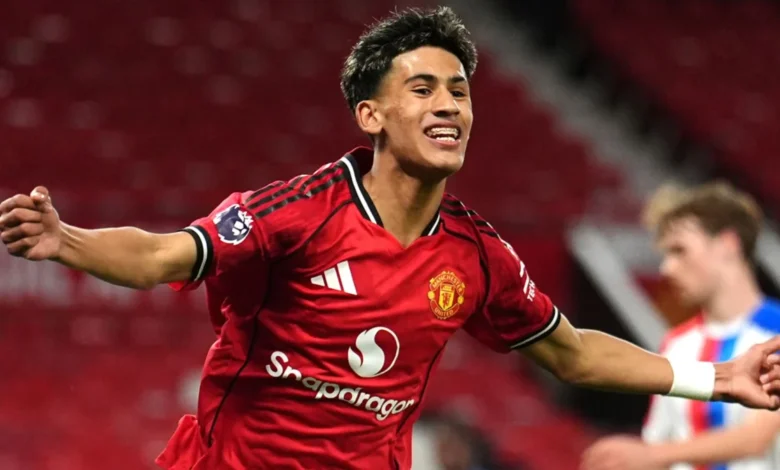
The landscape of youth football development at the highest level of the English game has been thrust into the spotlight following the unfolding situation surrounding 16-year-old Manchester United talent JJ Gabriel. Having officially turned 16 on Tuesday, the teenager has reached a critical legal milestone, becoming eligible to sign professional contracts under European football regulations. This development has transformed his status from a promising academy prospect into one of the most coveted young assets in world football, with elite European clubs positioning themselves to capitalize on the widening rift between the player and his current club.
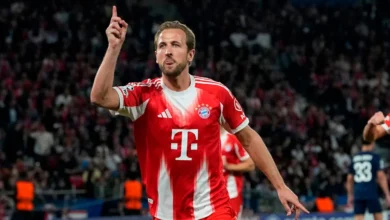
While Manchester United remains firm in its stance that the teenager’s best interests are served at Old Trafford, the reality of the situation points toward an impending departure. Real Madrid, Barcelona, Paris Saint-Germain, and Bayern Munich have all been identified as interested parties, keeping a close watch on a standoff that has now drawn threats of potential litigation from the English side.
A Chronology of a Fractured Relationship
The tension between Manchester United and the Gabriel camp did not materialize overnight; it is the culmination of a series of misaligned expectations regarding his integration into the first team. The trajectory of this conflict can be traced through several key dates over the last few months.
During the summer, the club’s hierarchy made a concerted effort to integrate Gabriel into the senior environment. He participated in the club’s pre-season tour, even earning minutes during a high-profile friendly against Atletico Madrid. For the club, this was a clear demonstration of a defined pathway. However, the player’s camp viewed this involvement as insufficient, with the youngster receiving only single-digit minutes of game time.
The situation deteriorated significantly at the start of the 2026/27 campaign. When the U21 academy squad returned to the Carrington training complex for pre-season preparations, Gabriel failed to report for duty. Sources indicate that his family, believing that his development had already surpassed the academy level, prohibited him from joining the U21s. They insisted that he train exclusively with the first team, a demand the club deemed inappropriate for a player of his age and current status.
By mid-September, the atmosphere had become increasingly strained. Despite being included in the official 2026/27 squad photo on September 8—an act intended to signal his integration into Michael Carrick’s plans—the family submitted a formal request to leave the club just days later. Since that point, Gabriel has ceased training at the club entirely, leaving his future in complete limbo.
The Conflict of Philosophy: Development vs. Opportunity
At the heart of this dispute is a fundamental clash in philosophy. Manchester United’s academy staff have historically prided themselves on a "duty of care" approach, which emphasizes the long-term, holistic development of players. They point to an extensive support structure that includes individual development plans, specialized medical oversight, and performance coaching as evidence of their commitment to Gabriel.
Conversely, the Gabriel camp appears focused on immediate progression and historical achievement. The friction reportedly reached a boiling point regarding specific first-team appearances. Before opening negotiations on a formal scholarship contract, the family requested guaranteed game time in specific high-stakes fixtures, including matches against Sabah in the Champions League, Brighton in the FA Cup, and Bournemouth in the Premier League.
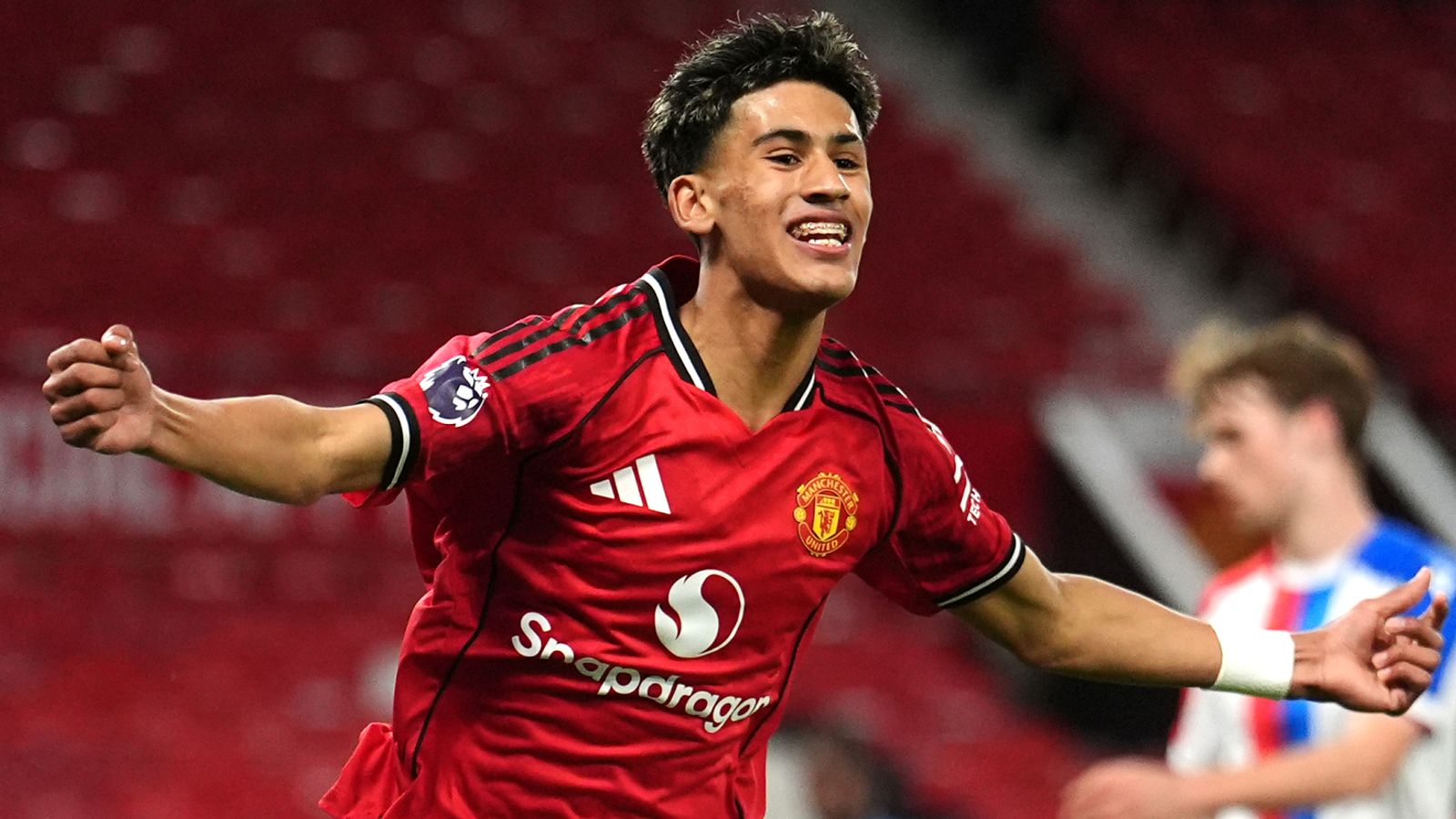
When Gabriel was left out of the A-list for the Champions League fixture against Sabah, the club opted to play him in the UEFA Youth League instead. While he responded by scoring a hat-trick, the incident is believed to have been a catalyst for his family’s decision to pursue options elsewhere. The club’s recent realization that he is now eligible for the Champions League B-list as a 16-year-old arrives arguably too late to mend a relationship that has already suffered a breach of trust.
The Legal and Regulatory Maze
The primary concern for Manchester United is the potential use of a FIFA loophole that could allow the teenager to bypass his current registration. Because Gabriel is eligible for a European passport through his parents, he may be able to sign a professional contract with a club in a European jurisdiction without United receiving the level of compensation they believe they are owed.
In response, Manchester United has signaled its intent to pursue legal action should any European club attempt to facilitate such a move. While no formal club-to-club contact has taken place, the threat is a clear warning to potential suitors. The club’s legal department is expected to argue that their investment in the player—spanning his time in the academy to his inclusion in the first-team squad—must be respected and protected under international transfer protocols.
Market Implications and Future Outlook
The interest from clubs like Real Madrid and Barcelona is indicative of a broader trend in European football: the "predatory" recruitment of English talent before they sign full professional terms. The allure for a 16-year-old of being integrated into the setups of these historic institutions is immense, and the ability to offer a direct, accelerated pathway to top-tier continental football often outweighs the developmental promises made by domestic clubs.
For Manchester United, the loss of a talent like Gabriel would represent a significant blow to their academy’s reputation as a "finishing school" for world-class players. It also raises questions about how elite English clubs can retain their brightest prospects in an era where the lure of European giants is stronger than ever.
The economic implications are equally significant. If Gabriel leaves via a loophole, the club could be deprived of a substantial transfer fee, which would be standard for a player of his caliber. Furthermore, it sets a challenging precedent for other academy players who might look at the Gabriel case as a blueprint for navigating their own contracts and career paths.
Looking Ahead
As of this week, JJ Gabriel remains a registered player at Old Trafford, though the likelihood of him returning to the pitch in a United shirt is considered remote by those close to the situation. Despite the current impasse, there remains a contingent within the club that hopes for a reconciliation, maintaining that Manchester United remains the optimal environment for his growth.
However, the silence from the player’s side, combined with the active pursuit by Europe’s biggest clubs, suggests that the focus has shifted toward an exit strategy. The coming weeks will likely see an escalation in the situation as representatives from various clubs engage in more formal discussions with the player’s camp.
For the footballing world, this case serves as a poignant reminder of the volatility inherent in youth football. It is a stark example of how, even with the best developmental infrastructure in place, the personal ambitions of a player and his family can quickly override the established structures of even the most prestigious clubs. As the legal teams prepare their arguments and the elite clubs finalize their offers, the story of JJ Gabriel is destined to become a defining case study in the modern, often ruthless, economics of youth talent acquisition. Whether he remains in Manchester or begins a new chapter on the continent, his career is currently at a juncture that will dictate his future trajectory in the sport for years to come.