
Judge John Hodgman Frosty Slaw Man Salad
Judge John Hodgman’s Frosty Slaw Man Salad: A Deep Dive into Culinary Law and Leftover Transformation
The Judge John Hodgman Frosty Slaw Man Salad is not a traditional recipe found in culinary encyclopedias or chef-authored cookbooks. Instead, it is a product of the unique comedic and often absurdist realm of Judge John Hodgman’s popular podcast, "Judge John Hodgman." This "salad" is a testament to the show’s core premise: the resolution of petty disputes, often involving food, and the creative, sometimes bizarre, solutions that emerge from the Judge’s (and his Bailiff, Jesse Thorn’s) deliberations. The Frosty Slaw Man Salad, specifically, represents a particularly memorable and illustrative case, embodying the show’s spirit of practical problem-solving, embracing the unconventional, and finding humor in the everyday. Understanding its origins requires a brief look at the podcast’s format. "Judge John Hodgman" is a comedy podcast where listeners submit real-life disputes, which the Judge then presides over, issuing binding rulings (though the stakes are entirely symbolic). These disputes can range from disagreements about household chores and etiquette to, more frequently, the proper preparation and consumption of food. The Frosty Slaw Man Salad emerged from a case where a listener’s partner was using leftover coleslaw in a seemingly unorthodox manner. The ensuing discussion, typical of the podcast, spiraled into creative culinary interpretations and a humorous exploration of what constitutes a "salad" and how to repurpose food that might otherwise go to waste.
The concept of the Frosty Slaw Man Salad is rooted in the practical challenge of leftover coleslaw. Coleslaw, a ubiquitous side dish at barbecues and picnics, often results in significant quantities that can linger in the refrigerator. Many individuals face the dilemma of what to do with the remaining creamy, crunchy mixture once its initial purpose has been served. The podcast case that gave rise to the Frosty Slaw Man Salad highlighted this common culinary quandary. The complainant likely presented a situation where the "defending" party was employing the coleslaw in a way that struck them as unconventional or even unappealing. The Judge, in his characteristic style, did not simply dismiss the complaint or offer a straightforward solution. Instead, he, along with Jesse Thorn, delved into the practicalities, the potential culinary merits (however perceived), and the overall absurdity of the situation. The "Frosty" aspect likely refers to the coleslaw’s inherent chill from refrigeration, while "Slaw Man" is a playful, personified title, giving the leftover ingredient a character within the comedic narrative. The "Salad" designation itself becomes a point of contention and interpretation, pushing the boundaries of what can be considered a salad.
The creation of the Frosty Slaw Man Salad, as theorized from the podcast’s discussion and its inherent logic, involves a process of transforming and elevating leftover coleslaw into something more substantial and, potentially, more palatable or at least more interesting. While no precise recipe was ever etched in stone and distributed like a Michelin-starred creation, the general principles can be inferred. The core ingredient remains coleslaw. The "frosty" descriptor suggests it’s served cold, which is standard for coleslaw. The "salad" aspect implies the addition of other components that complement or contrast with the coleslaw’s texture and flavor profile. This could involve incorporating proteins, grains, or additional vegetables to create a more balanced and satisfying dish. The humor and ingenuity lie in the unexpected additions that Hodgman and Thorn might have conceptually woven into the "salad." Think of it as an improvised culinary experiment, born from the need to use up a common leftover and presented with a whimsical, almost absurdist, artistic flair. The key is not a rigid adherence to culinary rules but a playful embrace of improvisation and resourcefulness.
The SEO potential of "Judge John Hodgman Frosty Slaw Man Salad" stems from the dedicated and passionate fanbase of the "Judge John Hodgman" podcast. Fans actively search for information, discussions, and interpretations of the show’s many memorable moments and recurring jokes. When a specific culinary item like the Frosty Slaw Man Salad is discussed, it generates search queries from those who are either recalling the episode, curious about its details, or even attempting to recreate the concept. For search engines, "Judge John Hodgman" acts as a strong brand qualifier, indicating a niche interest. Combining this with "Frosty Slaw Man Salad" creates a highly specific long-tail keyword. This specificity is invaluable for SEO because it targets users with a very clear intent. Websites or content that directly address this phrase are more likely to rank highly for such searches. Furthermore, related terms such as "podcast food," "leftover recipes," "coleslaw ideas," and "comedy food" can be strategically integrated to broaden the search appeal and attract a wider audience interested in similar topics, even if they are not initially familiar with the specific podcast episode.
The broader implications of the Frosty Slaw Man Salad extend beyond mere podcast trivia; they touch upon the principles of sustainable eating and culinary resourcefulness. In an era increasingly concerned with food waste, the very notion of finding creative ways to utilize leftovers is a valuable one. The Frosty Slaw Man Salad, in its own humorous way, champions this idea. Instead of discarding uneaten coleslaw, the podcast encourages its transformation into a new dish. This aligns with the growing trend of "nose-to-tail" or "root-to-stem" cooking, where every part of an ingredient is utilized. By giving a playful name and a conceptual framework to repurposing coleslaw, the podcast subtly promotes a more mindful approach to food consumption. This resonates with a segment of the audience that actively seeks out practical, eco-conscious solutions for their kitchens. Therefore, content that discusses the Frosty Slaw Man Salad can also tap into search queries related to "food waste solutions," "eco-friendly cooking," and "creative leftover recipes."
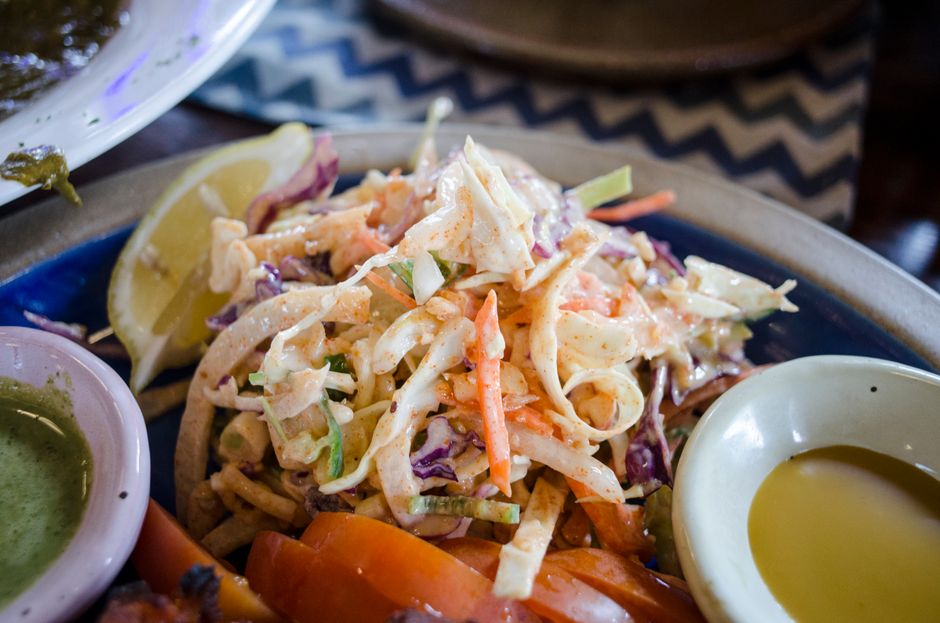
Analyzing the components of a hypothetical Frosty Slaw Man Salad requires an understanding of the base ingredient: coleslaw. Traditional coleslaw is a salad consisting primarily of finely shredded raw cabbage, often mixed with mayonnaise or a vinaigrette-based dressing, and sometimes including other ingredients like shredded carrots, onions, or celery. The "frosty" designation simply reinforces its chilled nature. The "man" in the title is purely whimsical. The "salad" aspect is where the creative interpretation comes into play. What makes it a "salad" beyond just being a mixture? Typically, salads involve a combination of ingredients, often with varying textures and flavors, brought together by a dressing. In the context of the podcast, the Judge and Jesse might have proposed adding elements that would elevate the coleslaw from a mere side dish to a more complete meal or a distinct culinary creation.
Possible conceptual additions to the Frosty Slaw Man Salad, drawing from the spirit of the podcast, could include:
- Proteins: Cooked chicken or turkey (shredded or diced) would blend well with the coleslaw’s texture and could transform it into a protein-rich main course. Canned tuna or salmon, drained and flaked, could also serve a similar purpose, offering a savory counterpoint. Hard-boiled eggs, chopped, would add another layer of texture and richness.
- Grains or Starches: Cooked rice, quinoa, or even small pasta shapes could be incorporated to add bulk and make the salad more substantial. This would create a more cohesive dish, moving it further away from its humble coleslaw origins.
- Additional Vegetables: While coleslaw already contains cabbage and often carrots, adding complementary vegetables could enhance its flavor and nutritional profile. Diced bell peppers, chopped cucumber, or even a sprinkle of fresh herbs like parsley or dill could introduce brightness and complexity.
- Flavor Enhancers: Beyond the base dressing of the coleslaw, a touch of something acidic, like a squeeze of lemon juice or a splash of apple cider vinegar, could cut through the richness of the mayonnaise. A dash of hot sauce could introduce a welcome spicy kick. Even a sprinkle of toasted nuts or seeds could provide a delightful crunch and nutty flavor.
The beauty of the Frosty Slaw Man Salad lies in its conceptual flexibility. It’s not about adhering to a strict recipe but about embracing the spirit of improvisation and making do with what you have. This is where the SEO appeal intersects with practical kitchen advice. Individuals searching for "Judge John Hodgman Frosty Slaw Man Salad" are likely fans, but those looking for "creative leftover coleslaw recipes" might stumble upon discussions of this dish and be inspired by its unconventional approach. The keywords "leftover recipes," "coleslaw hacks," and "easy meal ideas" become relevant here.
The comedic nature of the podcast means that the "rulings" and "dishes" are often born out of witty banter and shared culinary anxieties. The Frosty Slaw Man Salad is a perfect example of this. It takes a mundane, everyday food item and elevates it through humor and creative thinking into something memorable. This also translates to SEO by attracting a specific demographic that appreciates quirky, niche content. The Judge’s persona – a "retired" white-collar criminal lawyer dispensing justice in his own living room – lends itself to content that is both authoritative (in a comedic sense) and relatable. The "Slaw Man" moniker itself is a playful, anthropomorphic element that makes the concept stick in people’s minds.
For search engines, content that discusses the Frosty Slaw Man Salad should focus on delivering value to fans and curious newcomers alike. This means not just mentioning the dish but exploring its context within the podcast, offering potential interpretations of its "ingredients" and preparation, and even suggesting how one might approach creating their own version. Keywords such as "Judge John Hodgman podcast episode," "best of Judge John Hodgman food cases," and "comedy podcast recipes" can help drive traffic from fans actively seeking out this type of content.
Furthermore, the Frosty Slaw Man Salad can be a gateway to discussing other food-related segments from the podcast. Judge John Hodgman has a rich history of presiding over numerous food-based disputes, from the correct way to eat a taco to the ethical implications of pineapple on pizza. By leveraging the Frosty Slaw Man Salad as a starting point, content creators can organically weave in references to these other memorable culinary cases. This creates a more comprehensive and engaging experience for the user, encouraging them to delve deeper into the podcast’s archives and, consequently, spend more time on the content. This strategy can boost engagement metrics, which are a significant factor in SEO.
The appeal of the Frosty Slaw Man Salad, and by extension, the podcast’s approach to food, lies in its refusal to take itself too seriously while still offering practical (albeit sometimes outlandish) solutions. It taps into the universal experience of facing a fridge full of leftovers and wondering what to do next. The "Judge John Hodgman Frosty Slaw Man Salad" keyword phrase is highly specific, meaning that those who search for it have a clear intent. This intent can be to recall a favorite moment from the podcast, to understand the context of the "dish," or even to find inspiration for repurposing their own leftover coleslaw. For SEO purposes, it’s crucial to address this intent directly and comprehensively.
In conclusion, the Judge John Hodgman Frosty Slaw Man Salad is more than just a quirky mention on a comedy podcast; it’s a symbol of creative problem-solving, culinary resourcefulness, and the joy of finding humor in the everyday. Its SEO potential is significant due to the dedicated fanbase and the specificity of the keyword phrase. By understanding its origins, conceptual components, and the underlying spirit of the podcast, content creators can effectively leverage this unique culinary creation to attract a targeted audience, engage them with relevant information, and ultimately, rank highly for searches related to this memorable and delightfully absurd "dish." The Frosty Slaw Man Salad stands as a testament to the fact that even the most humble leftovers can inspire creativity and, with a little judicial humor, become the subject of widespread fascination.
