
Yuna Yang Christopher Seck Wedding
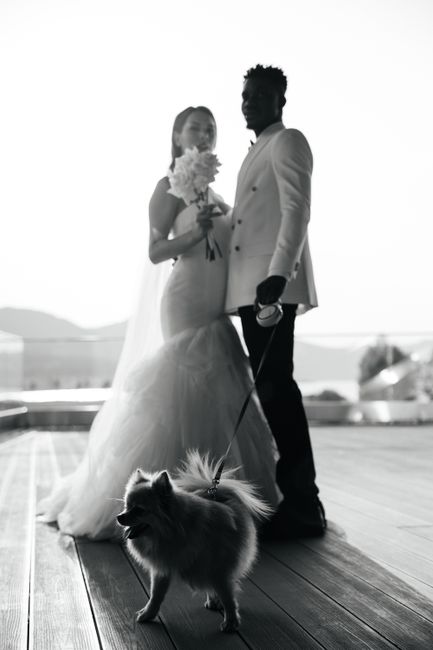
Yuna Yang and Christopher Seck: A Union of Two Worlds
The wedding of Yuna Yang and Christopher Seck, a captivating celebration that blended rich cultural heritage with contemporary elegance, marked a significant event for the families and friends of the bride and groom. This union, celebrated with meticulous attention to detail and profound sentiment, offered a glimpse into a love story that transcended geographical and cultural boundaries. The event itself was a testament to thoughtful planning and a deep appreciation for tradition, seamlessly interwoven with modern sensibilities. From the intricate sartorial choices to the curated atmosphere, every element spoke of a couple deeply connected and committed to honoring their backgrounds while embarking on a shared future.
Yuna Yang, a prominent figure in her own right, brought a distinct aura of grace and sophistication to the occasion. Her lineage and personal accomplishments provided a rich tapestry against which the wedding narrative unfolded. Similarly, Christopher Seck, with his own established presence and familial ties, complemented Yuna’s persona, creating a harmonious and powerful presence as a couple. The convergence of their lives was not merely a personal milestone but a cultural intersection, resonating with those who have witnessed their individual journeys and now celebrate their collective destiny. The wedding served as a focal point, drawing together diverse circles of influence and affection, each contributing to the vibrant mosaic of the celebration.
The planning and execution of the Yuna Yang and Christopher Seck wedding were orchestrated with an exceptional level of foresight and dedication. Recognizing the importance of honoring both their Korean and other significant cultural heritages, the couple and their families meticulously selected elements that reflected their upbringing and values. This involved not just the visual aesthetics but also the ceremonial aspects, ensuring that each tradition was respected and thoughtfully integrated. The venue selection, for instance, was crucial in setting the tone for the entire event. It needed to be a space that could accommodate both the grandeur of the celebration and the intimacy of the personal moments. Discussions surrounding the guest list, the culinary experience, and the entertainment were all approached with the intention of creating a memorable and meaningful experience for everyone present. This comprehensive approach ensured that the wedding of Yuna Yang and Christopher Seck was not just an event, but a carefully crafted narrative of their love and the merging of their worlds.
The sartorial elegance displayed by Yuna Yang and Christopher Seck was a defining feature of their wedding. Yuna’s choice of wedding attire, a reflection of both her personal style and cultural heritage, was a masterclass in contemporary bridal fashion with traditional undertones. Often, a bride will opt for multiple ensembles throughout the day, and for Yuna, this tradition was likely observed with exquisite taste. Her primary bridal gown, whether a contemporary designer creation or a nod to traditional Korean hanbok, would have been chosen for its silhouette, fabric, and intricate detailing, embodying a sense of timeless beauty. The use of luxurious fabrics like silk, satin, or delicate lace, combined with thoughtful embellishments such as intricate beadwork or subtle embroidery, would have contributed to her radiant appearance. The styling, from her hairstyle to her jewelry, would have been perfectly coordinated, creating a cohesive and breathtaking look. Christopher Seck, equally dapper, would have complemented Yuna’s grace with his choice of attire. His ensemble, perhaps a sharply tailored suit or a more traditional formal wear, would have been selected to convey sophistication and a sense of occasion. The color palette, the fit, and the accompanying accessories would have all played a role in ensuring he looked every bit the distinguished groom. The coordination between their outfits would have subtly underscored their partnership, a visual representation of their unified journey. The presence of a traditional Korean hanbok for Yuna, either as a pre-wedding ritual outfit, for a tea ceremony, or even as a reception change, would have been a powerful and poignant tribute to her ancestry, showcasing the beauty and artistry of this traditional garment. The vibrant colors, flowing lines, and ornate patterns of a hanbok offer a distinct visual spectacle and a deep cultural significance, making it a particularly memorable element for guests, both familiar and unfamiliar with Korean traditions.
The wedding ceremony itself was a profound convergence of love, family, and tradition. For Yuna Yang and Christopher Seck, this was an opportunity to formally declare their commitment to one another, surrounded by their nearest and dearest. The location of the ceremony, whether a sacred space, a picturesque outdoor setting, or a beautifully adorned hall, would have been chosen to amplify the solemnity and joy of the occasion. The exchange of vows, the symbolic rings, and the blessings from officiants would have formed the core of the service, representing the sacred promise of their union. The incorporation of cultural elements into the ceremony would have been a crucial aspect, weaving together the individual heritages of Yuna and Christopher. This could have manifested in various ways, such as traditional readings, music, or specific rituals. For instance, if a Korean tea ceremony was part of the proceedings, it would have been a deeply meaningful moment, demonstrating respect for elders and the symbolic offering of a couple’s first shared meal as husband and wife. The presence of family members in key roles, perhaps as bridesmaids, groomsmen, or even as officiants, would have added a personal and heartfelt dimension to the ceremony. Each element, from the processional music to the recessional, would have been curated to evoke a specific emotional response, guiding guests through a journey of love and celebration.
The reception following the ceremony was an embodiment of festivity and a further extension of the cultural narrative. The atmosphere would have been meticulously crafted to reflect the personalities of Yuna Yang and Christopher Seck, blending joyous celebration with refined elegance. The venue would have been transformed into a breathtaking space, adorned with floral arrangements, lighting, and decorative accents that spoke to the couple’s aesthetic. The culinary experience would have been a highlight, offering a diverse and exquisite menu that catered to a range of palates while potentially showcasing elements of Korean cuisine, reflecting Yuna’s heritage. This could have ranged from meticulously prepared Korean dishes served as part of a multi-course meal to a more integrated fusion menu. The entertainment program would have been designed to keep guests engaged and entertained throughout the evening. This might have included live music, ranging from a sophisticated band playing a mix of contemporary hits and classic tunes to traditional Korean performers, such as drummers or dancers, adding a vibrant cultural dimension. Speeches from family and friends would have provided heartfelt anecdotes and well wishes, further personalizing the celebration. The first dance, a quintessential wedding tradition, would have been a moment of pure romance, symbolizing the couple’s first steps into married life together. The overall ambiance of the reception would have been one of warmth, happiness, and shared joy, allowing Yuna Yang and Christopher Seck to revel in their special day with their loved ones.
The guest list for the wedding of Yuna Yang and Christopher Seck would have comprised a carefully curated selection of individuals who have played significant roles in their lives. This would undoubtedly include close family members, immediate and extended, from both sides, representing a crucial pillar of support and tradition. Friends from various stages of their lives – childhood, university, and professional circles – would also be present, contributing to the vibrant social tapestry of the event. Given the prominence of both Yuna and Christopher, it is also highly probable that notable figures from their respective fields of influence would have been in attendance. This could include colleagues, mentors, and esteemed individuals from the business, arts, or any other sectors in which they have established their reputations. The presence of these diverse groups would have underscored the multifaceted nature of their lives and the broad network of relationships that surround them. Each guest, in their own way, would have been invited to share in the joy and significance of this union, celebrating the love and commitment of Yuna Yang and Christopher Seck. The composition of the guest list, therefore, would have been a reflection not only of their personal connections but also of their standing within their communities, making the wedding a truly significant social occasion.
The impact of the Yuna Yang and Christopher Seck wedding extends beyond the immediate celebration, serving as a beacon of successful cross-cultural unions and meticulous event planning. For those who attended, it offered an immersive experience into the beauty of tradition, the warmth of familial bonds, and the joy of witnessing a profound love story unfold. The meticulous attention to detail, from the exquisite fashion to the curated cultural elements, showcased a deep respect for heritage and a sophisticated understanding of contemporary celebration. The wedding of Yuna Yang and Christopher Seck stands as a testament to how two lives, enriched by their individual backgrounds, can converge to create a singular, beautiful narrative. It is a story of love, family, and the harmonious blending of worlds, leaving a lasting impression on all who had the privilege of witnessing this momentous occasion. The successful execution of such an event serves as an inspiration, highlighting the power of thoughtful planning and the enduring significance of celebrating love with grace and tradition. The union of Yuna Yang and Christopher Seck is more than a personal milestone; it is a celebration of shared futures built on a foundation of respected pasts.
