California Environmental Reparations Bill Promises Direct Cash Aid to Families Near Inglewood Oil Field

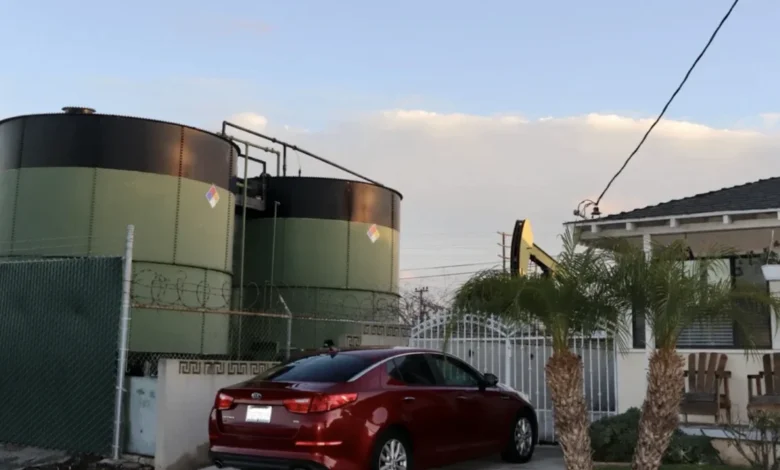
A landmark legislative effort in California is poised to redefine the state’s approach to environmental justice, moving beyond mere regulatory oversight toward direct financial restitution for communities historically burdened by industrial pollution. Assembly Bill 1661, which is currently awaiting the signature of Governor Gavin Newsom, mandates the distribution of $5 million in direct cash assistance to 1,000 households located in the vicinity of the Inglewood Oil Field. This initiative, championed by Assemblymember Isaac G. Bryan, represents one of the first state-level attempts to codify "environmental reparations," acknowledging that decades of proximity to fossil fuel extraction have resulted in quantifiable health and economic disparities for residents in Los Angeles’ Blackest suburbs, including Baldwin Hills and Ladera Heights.
The Historical Context of Urban Drilling
The Inglewood Oil Field is the largest urban oil field in the United States, a massive industrial operation situated in the middle of a densely populated metropolitan landscape. For over a century, the presence of these pumpjacks has been a defining feature of the local environment. Residents like Regina Martin, who grew up in the area during the 1950s and 60s, have long reported a pervasive, sulfurous odor and a high prevalence of chronic health issues, ranging from childhood asthma to reproductive complications.
Historically, this pattern of land use is deeply tied to the practice of redlining and systemic segregation. Black neighborhoods across the United States have been disproportionately targeted for the siting of oil wells, refineries, and waste facilities. The proximity to these sites is not merely an aesthetic or quality-of-life issue; public health research has consistently linked the emissions from such facilities to increased rates of cancer, birth defects, and respiratory failure. For decades, the companies operating these wells have extracted significant wealth from the land while providing little in the way of investment or health support for the surrounding communities that bear the physiological costs of their operations.
Chronology of the Legislative Push
The journey toward AB 1661 is the result of years of community organizing and a strategic shift in state policy.
- 2020-2023: Grassroots organizations, including Black Women for Wellness and various environmental justice coalitions, ramped up pressure on the state to address the health outcomes of residents living near the Inglewood site.
- 2024: Governor Newsom signed AB 2716, a critical precursor to the current bill. This legislation established a strict mandate for the closure of the Inglewood Oil Field by 2030 and implemented a penalty structure for low-producing wells, which are notoriously leaky and prone to methane emissions.
- September 2026: The California legislature passed AB 1661, directing the revenue generated from those penalties—set at $10,000 per well per month—into a dedicated community repair fund.
- October 2026 (Expected): Governor Newsom is widely expected to sign the bill into law, formalizing the creation of the assistance program.
Data and Financial Structure
The funding for this program is derived entirely from the penalties levied against the operators of low-producing wells. By taxing the ongoing operation of these sites, the state has created a circular financial model where the industry is directly subsidizing the mitigation of the harms it has caused.
Under the current framework, 1,000 households within a 2.5-mile radius of the oil field will be eligible for payments of up to $5,000. While the total pool of $5 million is a significant start, the challenge lies in the sheer volume of eligible residents. With tens of thousands of households living in close proximity to the field, the allocation process will be critical. The state has also proactively passed legislation to shield these reparation payments from taxation, ensuring that recipients receive the full financial benefit without triggering income-based eligibility issues for other government services.
Official Responses and Community Perspectives
Legislators and activists view this bill as a pilot for a much larger, nationwide model. Assemblymember Isaac G. Bryan, who chairs the Assembly’s Natural Resources Committee, has been vocal about the necessity of this measure. "The company has essentially just been extracting from the community with no investments in the community," Bryan noted during the legislative process. He argues that the state has an ethical obligation to step in when private industry fails to uphold its duty of care toward its neighbors.
Tianna Shaw-Wakeman, the environmental justice program director at Black Women for Wellness, emphasizes that the program is not just about the money, but about the precedent of accountability. "My hope has always come at the community level," she stated. She and other advocates are pushing for a streamlined application process that avoids the "burdensome hurdles" often associated with government aid. Specifically, they are advocating for "self-attestation," a process that would allow residents to report their health impacts without needing to produce expensive or inaccessible medical records, which are often difficult for low-income families to obtain.
Analysis: Implications and Challenges
The implementation of AB 1661 raises several complex questions about the future of urban environmental policy.
1. The Mechanics of Reparation:
The primary challenge for Los Angeles County officials will be the design of the application process. If the system is too complex, it risks excluding the most vulnerable residents. If it is too simple, it may face challenges regarding the verification of "qualifying health impacts." The county is currently evaluating whether a lump-sum payment or a monthly stipend would be more effective in providing long-term relief to affected families.
2. The Risk of Gentrification:
A significant concern for local advocates is the potential for rising property values to trigger displacement as the oil wells are shuttered and the land is remediated. There is a palpable fear that the very neighborhoods that suffered through decades of pollution will be priced out of the market just as the environmental conditions begin to improve. As noted by community organizers, "We can’t replace toxic oil extraction with gentrification." The success of the state’s transition will ultimately depend on whether it can pair environmental remediation with robust tenant protections and affordable housing initiatives.
3. A New National Model:
If successful, this program could provide a blueprint for other states and municipalities. As the national discourse shifts toward environmental justice, the idea of "polluter-pays" mechanisms that provide direct cash transfers to affected residents is gaining traction. This shift moves the focus from vague, long-term environmental goals to immediate, tangible relief for families whose health has been compromised by industrial activity.
The Path Forward
While AB 1661 is a substantial victory for the residents of Inglewood, it is only one piece of a broader, ongoing struggle. The law does not resolve the entirety of the conflict surrounding urban drilling, nor does it address the long-term health legacy of the entire region. However, it represents a fundamental change in the relationship between the state, industrial operators, and local citizens. By prioritizing the immediate needs of residents over the unchecked longevity of aging oil infrastructure, California is signaling that the era of "sacrificial zones"—neighborhoods expected to tolerate industrial blight in silence—is drawing to a close.
As the state moves toward the 2030 closure date for the Inglewood Oil Field, the focus will likely shift to the remediation of the physical land. The question remains: how will the land be repurposed? Whether it becomes parkland, affordable housing, or an industrial buffer zone will be the next major battleground for the community. For now, the focus remains on ensuring that those who have borne the cost of the state’s energy production for generations finally receive a measure of recognition and support. The implementation of this program will be watched closely by policymakers across the country, serving as a litmus test for whether government and industry can truly move beyond preventing future harm to actively compensating for the damage of the past.
Related posts: