Meta-Backed Workforce Academy Launches Major Skilled-Trades Initiative in Houston to Power the Artificial Intelligence Infrastructure Boom

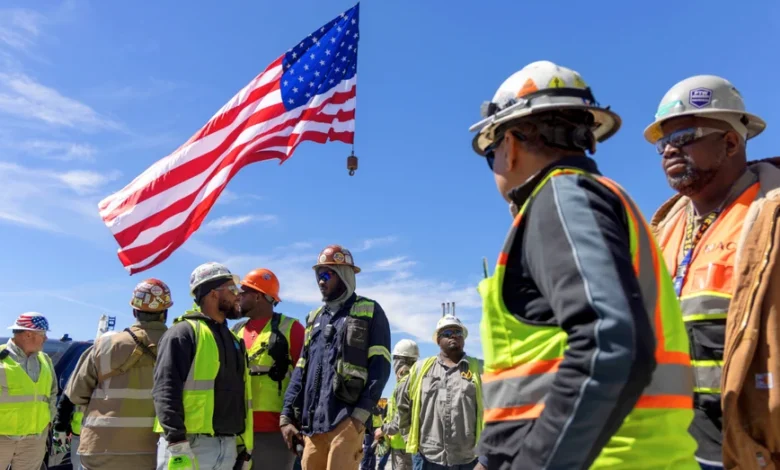
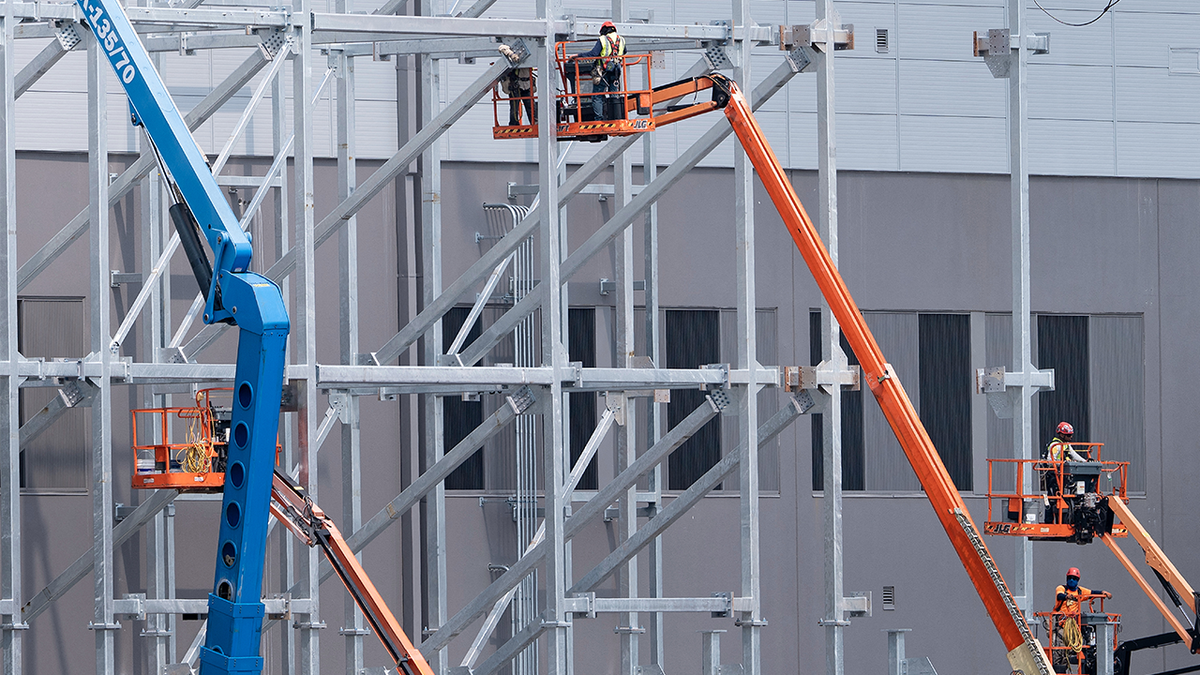
HOUSTON — As the relentless expansion of artificial intelligence reshapes the American technological and economic landscape, the physical infrastructure required to sustain it is sparking an unprecedented demand for blue-collar labor. Far from the high-tech server rooms and algorithmic boardrooms, the true foundation of the AI revolution is being forged in heavy-duty training facilities like a sprawling 20,000-square-foot campus situated near the Houston Ship Channel. Here, prospective construction workers are being prepared for lucrative, hands-on careers constructing the massive data centers, fiber-optic networks, and power grids that feed America’s technological ambitions.
This facility serves as a vital hub for America’s Workforce Academy, an ambitious, Meta-backed initiative supported by an initial $115 million investment. Designed to bridge a widening labor chasm in the skilled trades, the academy is forging strategic partnerships with heavy-hitting organizations such as Associated Builders and Contractors (ABC), CBRE, the National Urban League, and various localized entities to construct a robust pipeline of American blue-collar talent.
The Chronology of an Infrastructure-Driven Training Push
The genesis of America’s Workforce Academy reflects a proactive corporate response to a rapidly tightening national labor market. Announced earlier this year, the initiative quickly transitioned from concept to reality through targeted regional rollouts.
In July, the academy launched its specialized fiber technician training program, developed in tandem with real estate and infrastructure giant CBRE, with inaugural sites established in Indianapolis and Columbus, Ohio. Momentum picked up swiftly; the first cohort of students successfully graduated in August, and the program has since established a continuous recruitment and graduation cycle, churning out new certified technicians on a weekly basis.
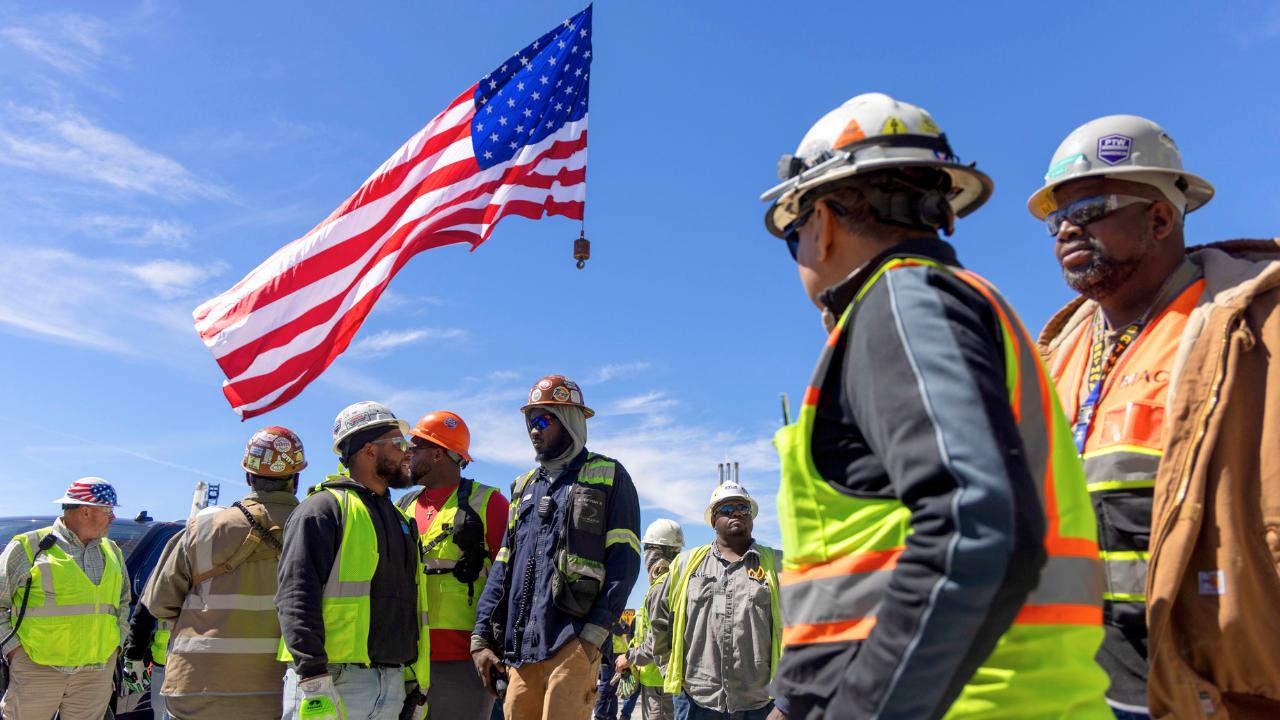
Building upon the success of the Midwest initiatives, the spotlight has now shifted toward heavy general construction. In Houston, Meta has partnered directly with Associated Builders and Contractors to launch a rigorous general construction training program officially slated to begin on November 2. Operations will be anchored at the facility operated by the Construction & Maintenance Education Foundation, a nonprofit educational affiliate of ABC Greater Houston. This dedicated hub features comprehensive classrooms, a high-tech computer lab, and dual practical-training bays designed to simulate real-world job-site conditions.
Geographic expansion continues to accelerate beyond Texas and the Midwest. Additional training programs are currently underway across Ohio and Indiana, while another specialized program is scheduled to break ground in Louisiana in November. According to recent data from Meta, nearly 300 students have already graduated from the academy’s operational Midwest tracks, setting a precedent that organizers hope to replicate and scale across the American South and Southwest.
Addressing the National Labor Shortage and the Blue-Collar Stake in AI
The urgency behind America’s Workforce Academy is rooted in stark economic realities. According to industry estimates, the United States currently faces a staggering shortage of approximately 349,000 skilled construction workers required to meet surging consumer and industrial demands. This deficit has been severely exacerbated by the monumental wave of data center construction driven by cloud computing and generative artificial intelligence.
Joel Thames, vice president of health, safety, environment, and workforce development at Associated Builders and Contractors, describes the multi-million-dollar initiative as "the largest workforce development investment in history." In an exclusive interview at the Houston training site, Thames emphasized that the program deliberately flips the script on traditional tech-sector investments by placing the blue-collar worker front and center.
"This program is heavily weighted towards the worker," Thames told reporters. "There’s a lot of controversy that surrounds data centers, and we encourage folks to get involved and really question and understand what’s being built in their backyards. But if they are going to be built, our goal is to ensure that the worker is safe, they go home safe every night, that they build them correctly, and that they earn credentials that they can take into other facets of construction."
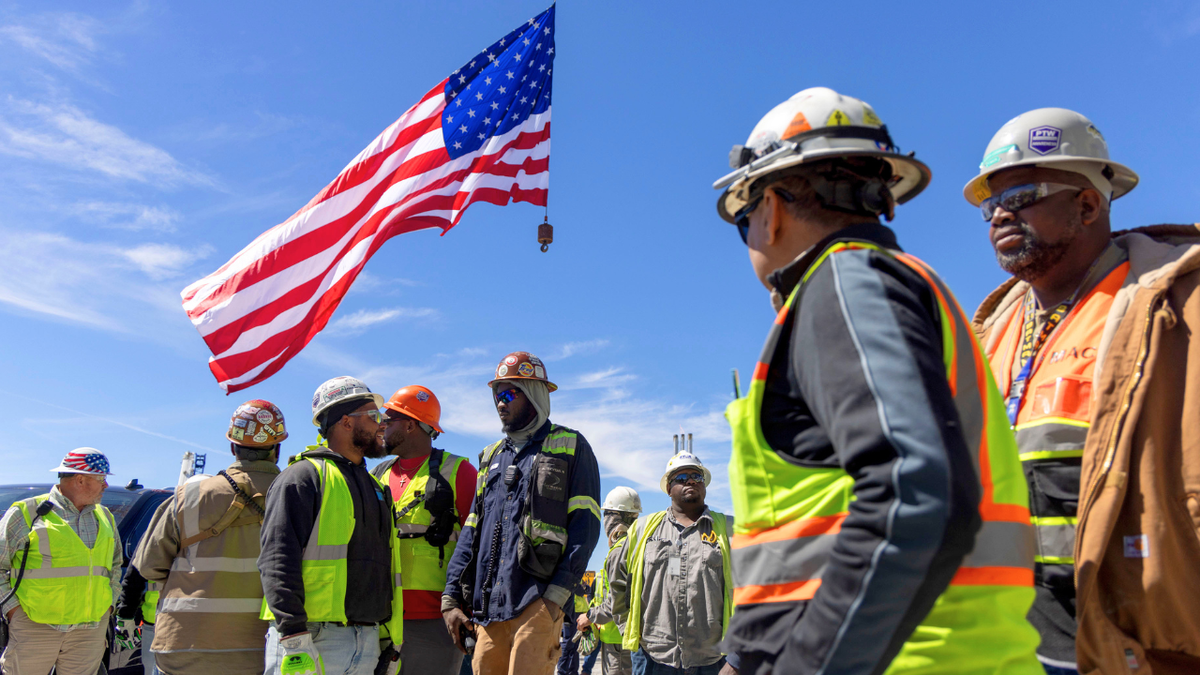
The initiative has also drawn praise from prominent blue-collar advocates like Mike Rowe, who lauded the academy for attempting to completely rethink how the United States trains its next generation of tradespeople. Meta itself has framed the program as an empowering economic vehicle, releasing a statement highlighting the critical societal need for workers: "The United States labor market needs hundreds of thousands of fiber technicians, welders, plumbers, electricians and other skilled trade workers. At Meta, we see this as an incredible opportunity for these American heroes to power America’s future."
Curriculum, Credentials, and Economic Protections
The structured curriculum at the Houston training center is unapologetically intense. Spanning four weeks, the program immerses students in fundamental construction methodologies, rigorous occupational safety standards, and practical tradecraft. Upon successful completion, graduates are awarded industry-recognized credentials from the National Center for Construction Education and Research (NCCER), alongside an official America’s Workforce Certificate.
Significantly, program administrators have structured the curriculum to insulate workers against potential volatility in the tech sector. While the construction boom is presently fueled by the artificial intelligence race, Thames noted that the education provided inside the facility focuses squarely on timeless physical infrastructure rather than complex IT or AI theory.
"Even if the data center bubble burst and there’s no more data center work, they’re going to have credentials that they could build off of," Thames explained. "At the end of the day, if the data centers are being built, we want them built correctly, we want them built safely, we want to ensure that these workers have what they need to continue and build a long career in construction."
Furthermore, program leaders noted that demand among the American workforce was immediate and overwhelming. "As soon as [Meta] announced it, we had thousands of applicants," Thames said. Current projections indicate that the academy’s various nationwide tracks are scaling up to graduate roughly 300 individuals per month, with further capacity expansions anticipated as new regional partnerships come online.
Broader Implications for the U.S. Economy and Tech Sector
The intersection of Big Tech capital and traditional blue-collar labor represents a fascinating evolution in corporate social responsibility and economic self-interest. For years, public discourse surrounding artificial intelligence has centered on fears of automation displacing white-collar professionals and service workers. However, the physical reality of the AI boom—which requires vast warehouse-scale facilities, specialized cooling systems, heavy electrical wiring, and miles of subterranean and aerial fiber-optic cables—has triggered a renaissance for the traditional trades.
By injecting private capital directly into vocational training pipelines, technology giants like Meta are attempting to preemptively solve the infrastructure bottlenecks that threaten to stall industry growth. Simultaneously, initiatives like America’s Workforce Academy provide a tangible economic bridge for communities that might otherwise view the massive, energy-intensive data centers rising in their backyards as alien intrusions with little local benefit.
By ensuring that the jobs generated by technological progress land directly in the hands of domestic workers, the partnership between Meta, ABC, and local nonprofits seeks to align the interests of Silicon Valley innovators with Main Street laborers. As the first cohorts in Houston, Ohio, Indiana, and Louisiana prepare to enter the workforce, the success of these training academies may well serve as the operational blueprint for how America builds the physical framework of its digital future.
Related posts: