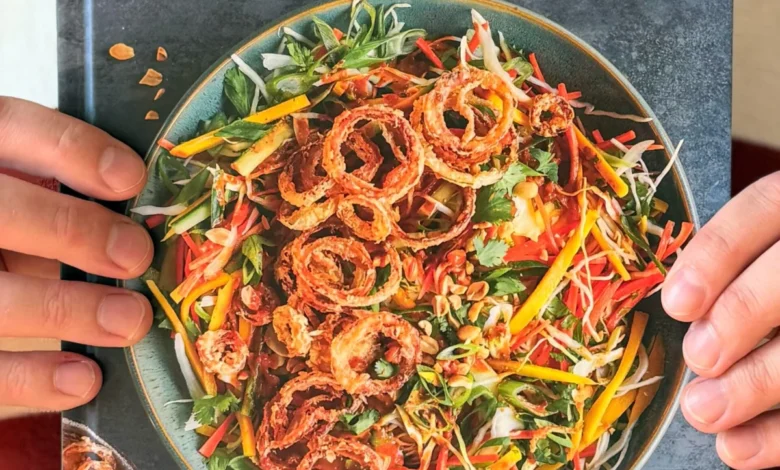
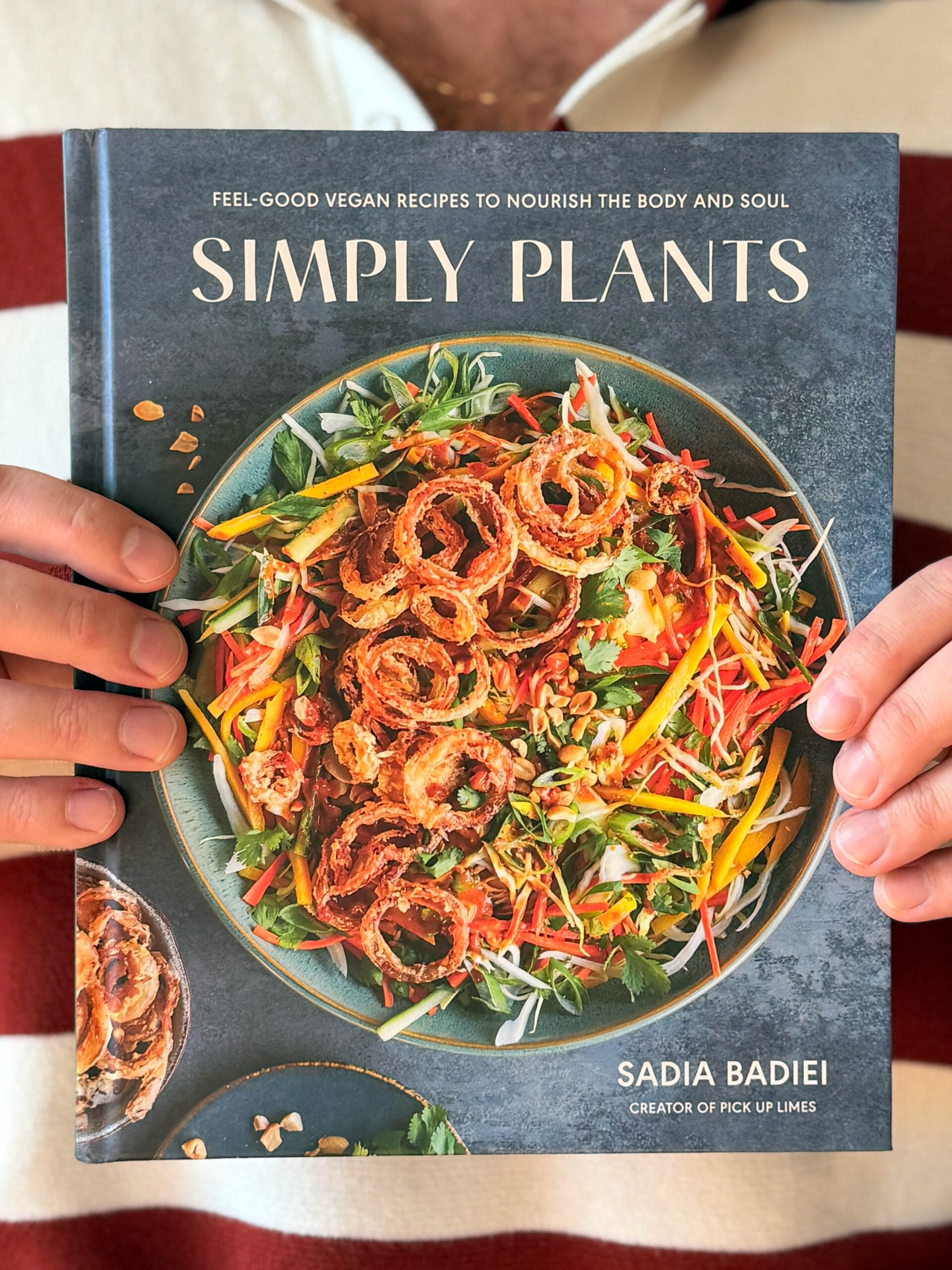
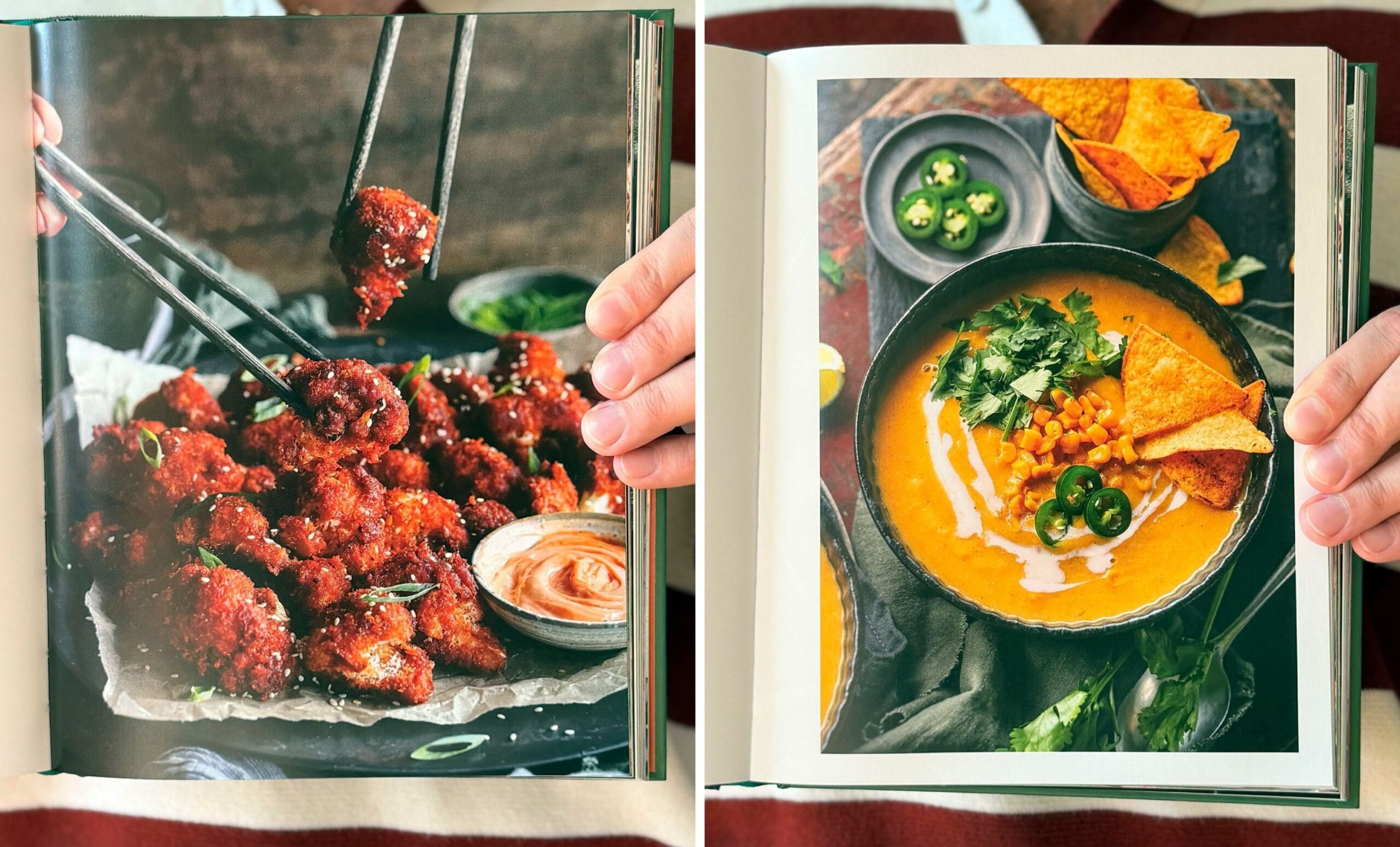
The landscape of plant-based culinary arts has experienced a significant transformation over the last decade, evolving from niche dietary movements into a mainstream lifestyle choice embraced by a global demographic. Central to this shift is the work of registered dietitian and content creator Sadia Badiei, the founder of the digital platform Pick Up Limes. Her debut cookbook, Simply Plants: Feel-Good Vegan Recipes to Nourish the Body and Soul, represents a culmination of years of data-driven recipe development and community engagement, offering a structured approach to plant-based nutrition that balances physiological needs with psychological satisfaction.
The Evolution of Pick Up Limes
The trajectory of Badiei’s career began in 2017 with the launch of the Pick Up Limes website and YouTube channel. Initially conceived as a space to share personal experiments in recipe development, the platform rapidly expanded due to a growing consumer interest in veganism. Market research indicates that the global plant-based food market is projected to reach significant valuations by 2030, driven by health consciousness and sustainability concerns. Badiei’s approach, which emphasizes the "nourish the cells and the soul" philosophy, resonated with this expanding audience, leading to consistent year-over-year growth in her digital footprint.
By 2019, the demand for a centralized collection of her recipes led to preliminary inquiries regarding a formal publication. However, Badiei exercised a strategic delay in her entry into the book market. This three-year waiting period—from 2019 to 2022—allowed for the maturation of her team and the systematic vetting of recipes. Rather than rushing a manuscript to press, Badiei utilized her community’s feedback to curate a library of over 100 recipes that had proven reliability across diverse households.
Philosophical Foundations and Culinary Pedagogy
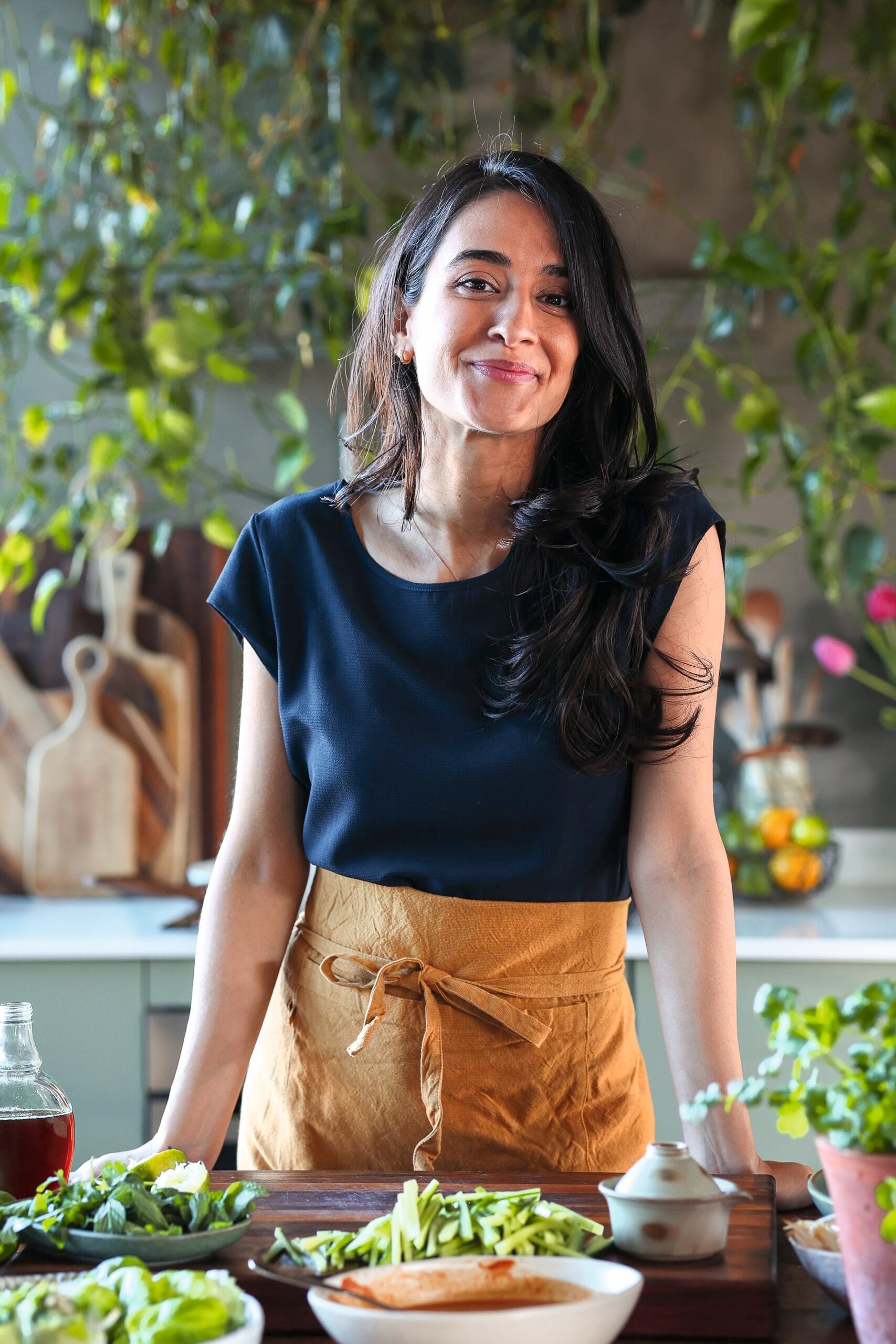
Badiei’s transition into a successful culinary authority was not an innate progression but a learned discipline. Growing up with a rich heritage of Afghan and Iranian cuisine, her initial lack of interest in cooking was later superseded by a formal education in dietetics. This academic background provided her with a unique perspective on the mechanics of cooking, including the scientific principles of the Maillard reaction and the nuances of food chemistry.
Her methodology serves as a bridge for those who view cooking as a logistical burden. By encouraging "small wins"—selecting single, approachable recipes to build confidence—Badiei promotes a cognitive shift in how home cooks interact with their kitchens. This pedagogical approach is supported by the behavioral science of "self-efficacy," where the successful completion of a task, regardless of scale, increases the likelihood of future engagement.
The Nutritional and Emotional Balance
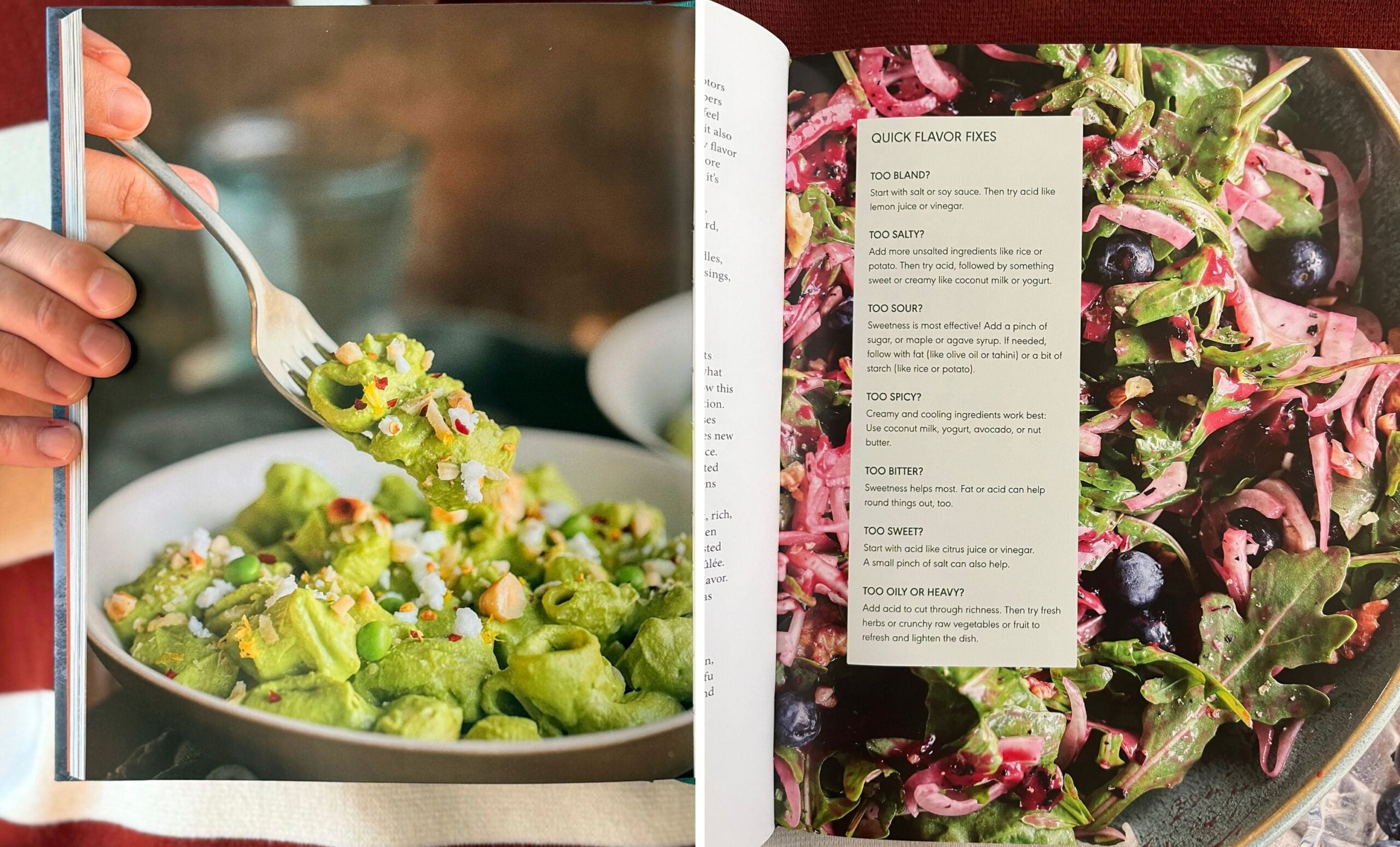
The core tension in contemporary nutrition is often the divide between strictly utilitarian eating and the pursuit of sensory pleasure. Simply Plants addresses this by rejecting the hyper-fixation on caloric or macro-nutrient counting that can lead to disordered relationships with food. Instead, the book advocates for a holistic view of nourishment.
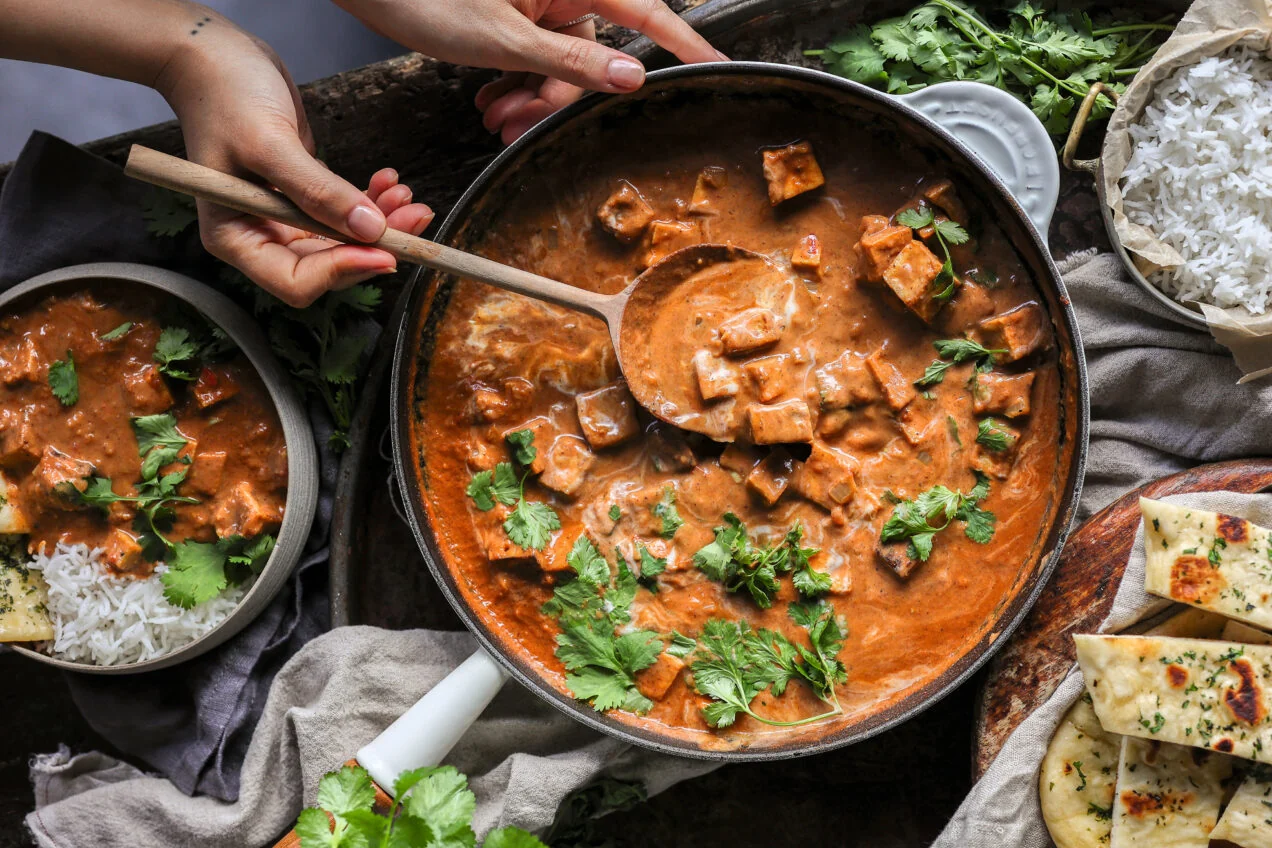
The inclusion of the "Simple Vegan Butter Chicken" serves as a case study for this philosophy. By replacing animal-based proteins with firm tofu and utilizing coconut milk and traditional spice profiles, the recipe provides a familiar sensory experience while adhering to plant-based constraints. This approach acknowledges that dietary sustainability is dependent on maintaining the cultural and emotional connection to food, rather than focusing solely on nutritional metrics.
Broader Industry Impact
The publication of Simply Plants arrives at a time when the cookbook industry is seeing a surge in titles dedicated to specific, sustainable dietary practices. According to recent industry reports, books that offer both cultural context and functional dietary guidance—such as Anna Voloshyna’s Ukraine or Lucas Sin’s Cha Chaan Teng—are gaining traction among readers who value the narrative and historical components of gastronomy as much as the instructions themselves.
This trend toward "narrative cookbooks" suggests that the modern consumer views the kitchen as a site of both cultural exchange and self-improvement. Whether it is the technical precision required for Detroit-style pizza in the Square Pie Guy or the everyday comfort sought in Daily Dessert, these publications are increasingly functioning as pedagogical tools that encourage home-based skill acquisition.

Future Implications for Plant-Based Diets
The long-term impact of Badiei’s work lies in its normalization of veganism as a non-restrictive, accessible culinary path. As public health initiatives increasingly highlight the benefits of fiber-rich, plant-forward diets in preventing chronic illness, the role of accessible, expert-led resources becomes vital. Badiei’s success suggests that the future of the industry lies in the synthesis of professional nutritional science and accessible, culturally diverse recipe development.
The integration of such recipes into the mainstream suggests a shift in the "guest life" of home entertaining, where plant-based meals are no longer relegated to a secondary status but are presented as primary, crowd-pleasing options. This shift is essential for the widespread adoption of plant-based diets, as it reduces the social friction often associated with dietary restrictions.
Summary of Notable Works
In addition to Simply Plants, the contemporary culinary landscape is marked by a diverse range of instructional texts that prioritize technique and story:
- Daily Dessert: Treats on Repeat by Caroline Schiff: Focuses on the integration of desserts into daily life, challenging the notion of sweets as merely "occasional" rewards.
- Ukraine: Recipes and Stories from Kyiv to the Black Sea by Anna Voloshyna: An ethnographic look at regional Ukrainian cuisine, highlighting the importance of regional history in modern recipe curation.
- Cha Chaan Teng: Comfort Food from Hong Kong’s Iconic Diners by Lucas Sin: An exploration of the fusion culture found in Hong Kong’s diners, emphasizing the evolution of culinary traditions through cross-cultural influence.
- Square Pie Guy: Detroit-Style Pizza at Home by Marc Schechter and Gabi Moskowitz: A technical manual that democratizes specialized regional techniques for the home kitchen.
These works, collectively, signal a robust era for cookbook publishing, where the emphasis is placed on the democratization of high-quality cooking skills and the promotion of diverse culinary traditions. By providing clear, actionable, and culturally informed guidance, authors like Badiei are successfully navigating the intersection of public health, personal joy, and global culinary evolution. As the industry continues to monitor these trends, it is evident that the demand for well-researched, author-driven content will remain a cornerstone of the home-cooking economy.