The Evolution of Date Night: Rediscovering the Santa Cruz Beach Boardwalk as a Romantic Destination

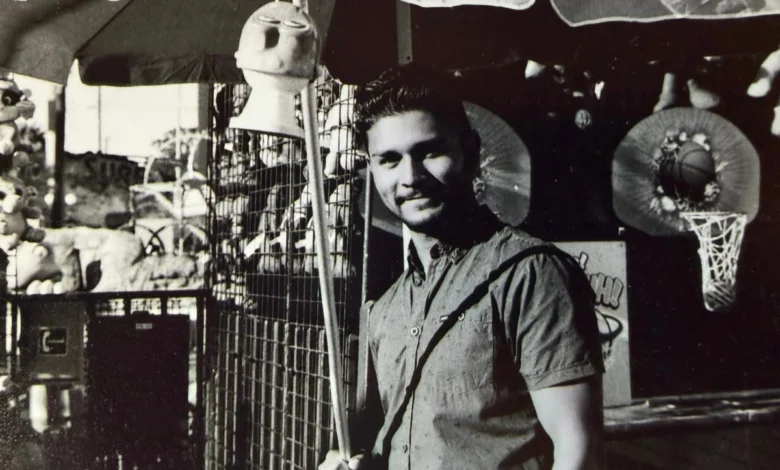
For many couples navigating the complexities of modern parenthood, the concept of a "date night" has become a logistical exercise in scheduling, childcare coordination, and limited time windows. As families grow, the traditional evening out—often characterized by a quick dinner in a neighboring town—frequently replaces the more adventurous, time-intensive excursions of early courtship. However, a growing trend among couples is the return to nostalgic, high-engagement outings, with landmarks like the Santa Cruz Beach Boardwalk serving as a primary case study for how leisure spaces facilitate adult connection.
The Changing Landscape of Romantic Engagement
Sociological data suggests that as couples transition into long-term cohabitation or marriage, the quality of interaction often shifts from "high-arousal" activities to "low-arousal" routines. A 2026 study on relationship maintenance indicated that couples who incorporate novelty—defined as new or non-routine shared experiences—report higher levels of satisfaction and sustained romantic intimacy.
The Santa Cruz Beach Boardwalk, a historic amusement park established in 1907, has long been a fixture in the California coastal experience. While it is primarily marketed as a family-friendly destination, its infrastructure offers specific psychological benefits for couples. The presence of shared stressors, such as standing in lines, and shared rewards, such as high-adrenaline rides, can simulate the physiological markers of attraction, a phenomenon often referred to as "misattribution of arousal."
Chronology of a Coastal Icon
The Santa Cruz Beach Boardwalk holds a unique place in American cultural history. Designated a California Historic Landmark in 1987, it remains the oldest surviving amusement park in the state.
- 1907: The current Boardwalk opens, featuring a carousel and the plunge, setting the foundation for the coastal tourism hub.
- 1924: The Giant Dipper wooden roller coaster is completed. Designed by Arthur Looff, it remains one of the most recognizable attractions in the industry, having been designated a National Historic Landmark in 1987.
- 1980s–1990s: The park undergoes significant modernization, expanding its arcade offerings and integrating digital gaming technologies while maintaining the aesthetic of a classic boardwalk.
- 2020s: Post-pandemic, the park sees a resurgence in "recreational nostalgia," as adults increasingly return to the site not for children, but for a revitalization of their own past experiences.
The Psychology of the Boardwalk Date
When couples choose to spend a full day at a location like the Boardwalk, they are engaging in what psychologists call "intentional play." Unlike a standard dinner date, which focuses on verbal communication, a boardwalk excursion relies on tactile and kinetic interaction.
The physical environment of the Boardwalk forces a specific type of intimacy. Navigating crowded pathways requires physical proximity; waiting in queues for the Giant Dipper or the Ferris wheel creates opportunities for conversation without the distractions of digital devices or the constraints of a formal dining environment. Furthermore, the consumption of "shared" food items—a staple of the boardwalk experience—has been linked in behavioral studies to increased bonding, as the communal nature of the act fosters a sense of unity and shared satisfaction.
Economic and Social Implications
The shift toward "day-long" dates has economic implications for the tourism sector. Traditionally, family attractions rely on the "parents as chaperones" model, where adults prioritize the entertainment of their children. However, the emerging trend of "child-free" days at such parks represents a new revenue stream.
Industry analysts observe that couples are increasingly willing to pay for "premium" experiences, such as fast-track passes and high-end arcade packages, to maximize their limited leisure time. By reclaiming these spaces, couples are not merely revisiting a childhood haunt; they are actively curating a high-value experience that serves as a necessary counterweight to the demands of domestic life.
Perspectives on Modern Romance
Relationship experts emphasize that the specific activities performed during a date are often less important than the "state of mind" the environment facilitates. When couples engage in activities that were meaningful during their early dating phase, they trigger a psychological state known as "reminiscence-induced bonding."
"For couples with young children, the mental load of managing a household often precludes the possibility of ‘being in the moment,’" says Dr. Aris Thorne, a researcher in behavioral psychology. "Returning to a place where you previously felt untethered and free allows partners to see each other as individuals again, rather than just co-parents. The Boardwalk, with its sensory-heavy environment—the smell of the ocean, the sound of the games, the visual thrill of the coasters—provides a powerful reset button."
Designing the Ideal Adult Excursion
For those looking to replicate the experience of an extended date at a landmark destination, experts suggest several criteria:
- Novelty: Select a venue that offers a variety of stimuli rather than a single, static activity.
- Physical Interaction: Choose activities that encourage proximity, such as rides or interactive gaming.
- Timeline Flexibility: Allowing for a full day, rather than a restricted evening, reduces the "hurry-up-and-get-home" stress that often plagues parents.
- Shared Consumption: Engaging in shared food or drink experiences reinforces the social aspect of the outing.
Broader Impact on Leisure Trends
The Santa Cruz Beach Boardwalk’s continued relevance in the 2026 landscape is a testament to the enduring appeal of the "classic American date." As cities become more digitized and daily life more regimented, the demand for analog, tactile, and highly physical entertainment is increasing.
Public policy regarding urban planning often emphasizes the need for "third places"—spaces outside of home and work that facilitate community and connection. The Boardwalk serves as a commercialized version of this, providing the infrastructure for deep social bonding. As the demographics of park attendees continue to evolve, park operators are finding that they must balance the needs of families with the desires of adults who are seeking a sophisticated, nostalgic, and high-energy escape.
Conclusion: The Future of the Date
As the constraints of modern life continue to evolve, the definition of a "successful" date will likely continue to broaden. The shift from the "fancy dinner" model toward experiential, location-based dates represents a maturation in how couples value their time. Whether it is a day at the Santa Cruz Beach Boardwalk or a similar local landmark, the core objective remains the same: to create a space where the complexities of daily responsibility can be set aside, allowing for the re-establishment of the connection that started the relationship in the first place.
Ultimately, the goal for many is to find that elusive balance between the responsibilities of the present and the excitement of the past. As data and anecdotal evidence both suggest, the most effective way to maintain long-term romantic health is to prioritize these moments of shared joy, ensuring that even as life grows more complicated, the capacity for spontaneity remains intact.