Wicker: The Romantic Fantasy Redefining Modern Screen Archetypes and Mature Representation

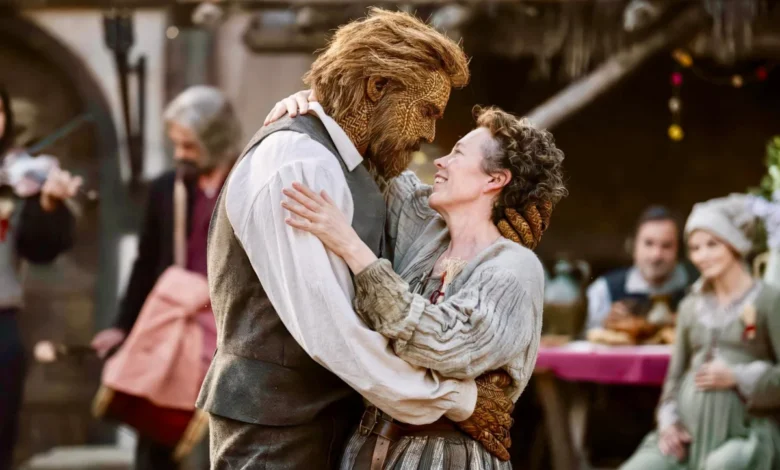
The release of the romantic fantasy film Wicker has catalyzed a significant cultural discourse surrounding the depiction of mature relationships and the evolution of male archetypes in contemporary cinema. Directed by a visionary creative team and adapted from the short story by Ursula Wills, the film stars Academy Award-winner Olivia Colman and Alexander Skarsgård. Since its debut, the film has garnered critical acclaim, notably being described by The Hollywood Reporter as one of the most tender and candidly intimate portrayals of adult romance to reach mainstream theaters in recent years.
The Genesis and Creative Direction
The production of Wicker originated from the short story by author Ursula Wills, a work noted for its surrealist premise and emotional depth. The narrative centers on an eccentric fisherwoman, portrayed by Colman, who finds companionship with a partner—played by Skarsgård—who is literally crafted from wicker. While the fantastical element serves as a narrative device, the core of the film is a grounded exploration of loneliness, the human desire for connection, and the longevity of sexual and romantic vitality.
The adaptation process involved navigating the delicate balance between the film’s whimsical aesthetic and its deeply human themes. By positioning a middle-aged woman as the primary romantic lead, the filmmakers have challenged the industry standard that often relegates characters in their fifties to secondary or desexualized roles. This creative choice has been central to the film’s critical success and its reception by audiences who have expressed a desire for more nuanced portrayals of aging.
Chronology of Production and Release
The project was first announced in early 2025, with casting news confirming the attachment of Colman and Skarsgård shortly thereafter. Principal photography took place throughout the latter half of 2025, utilizing a blend of practical effects and digital artistry to bring the wicker character to life without compromising the tactile, organic feel of the film.
Following a highly successful festival circuit run in the summer of 2026, the film received a wide theatrical release in October 2026. The promotional campaign was notable for its emphasis on the chemistry between the leads and its deliberate subversion of traditional romantic comedy tropes. By the final week of October 2026, the film had moved beyond its niche fantasy categorization to become a fixture in broader cultural conversations regarding gender dynamics and the depiction of long-term intimacy.
The Significance of Mature Representation
A primary factor in the film’s reception is its commitment to representing mature sexuality. In recent interviews, Olivia Colman has been vocal about the necessity of normalizing sex lives for women over the age of 50. Her perspective, echoed by many in the entertainment industry, suggests that the "sewing shut" of romantic or sexual identity after a certain age is a cultural construct rather than a biological reality.
Data from the Geena Davis Institute on Gender in Media has long highlighted the "cliff" that many female actors face upon hitting middle age, where roles become significantly less central to the narrative. Wicker serves as a high-profile rejection of this trend. By placing a woman in her fifties at the center of a "horny" and tender narrative, the film provides empirical evidence that there is a robust market for content that acknowledges the ongoing sexual and emotional lives of older adults.
Deconstructing the Male Archetype
Parallel to the discussion of female representation is the film’s subversion of the "husband" archetype. Alexander Skarsgård’s character represents a departure from the "ball and chain" tropes often found in sitcoms and romantic comedies—a narrative shorthand where men perform disinterest or resentment toward their partners to gain social capital among peers.
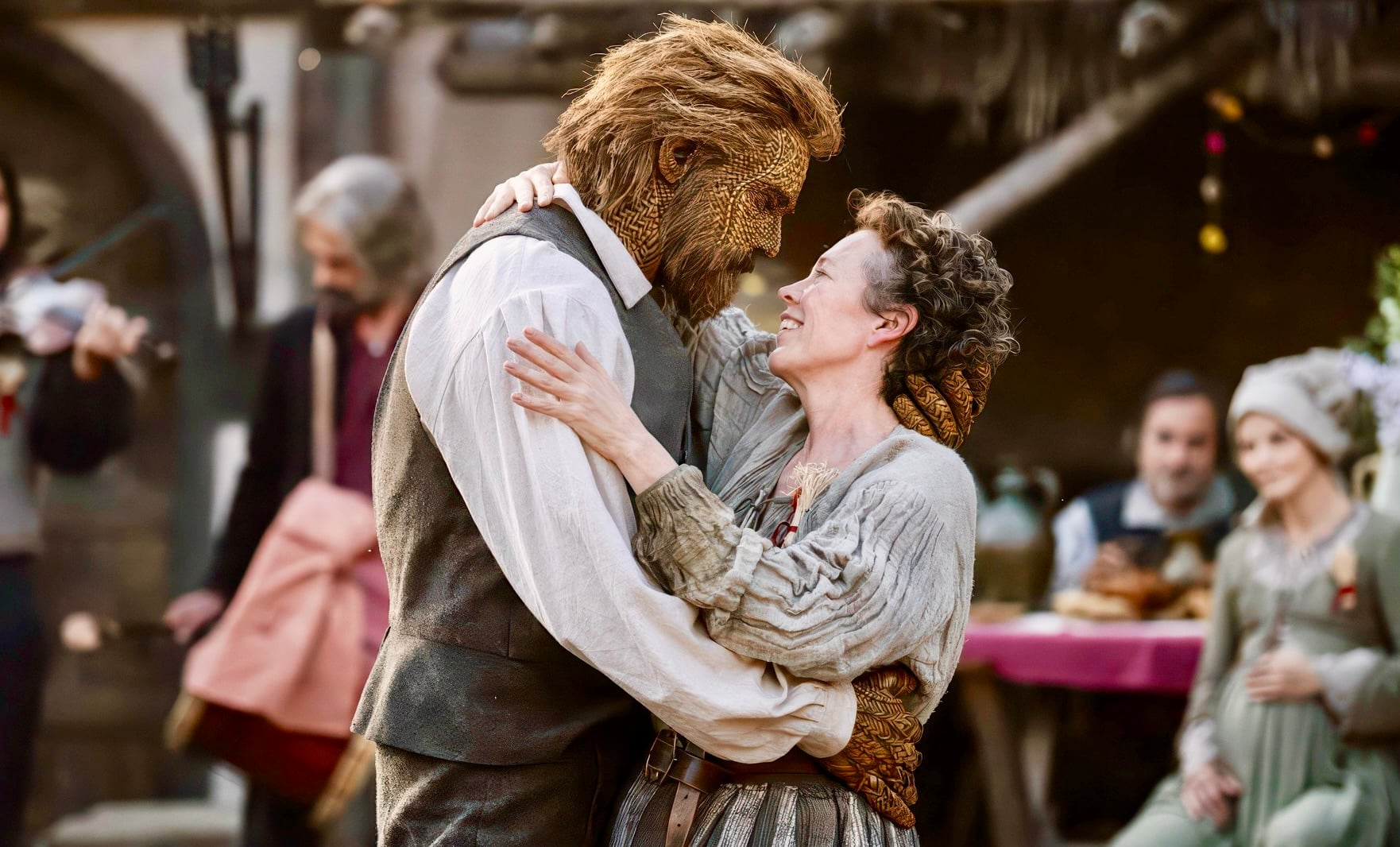
Skarsgård has emphasized in his press appearances that his character, despite his supernatural origin, operates with a level of emotional intelligence and devotion that is rarely highlighted in mainstream media. His character’s refusal to engage in "bro banter" regarding his partner serves as a form of resistance against toxic masculinity. This characterization has been praised by media critics and cultural commentators, including comedian Phoebe Robinson, who has frequently critiqued the tired tropes of spousal resentment in popular media.
Broader Cultural Impact and Implications
The success of Wicker signals a potential shift in how production houses and streaming platforms greenlight projects focused on mature audiences. When a film that centers on a non-traditional premise—such as a partner made of wicker—can perform well at the box office, it demonstrates that audiences are less concerned with rigid genre adherence and more interested in authentic emotional stakes.
Furthermore, the film has sparked a renewed interest in the source material by Ursula Wills. Literature adaptations have long been a cornerstone of cinema, but the specific success of this short-story-to-screen pipeline suggests that short-form fiction may be an untapped resource for studios looking to bypass the oversaturated landscape of franchise sequels and reboots.
Fact-Based Analysis of Audience Reception
Initial audience sentiment, tracked through various social media sentiment analyses and theatrical exit polls, indicates that the film’s appeal is multi-generational. While younger viewers have gravitated toward the film’s surrealist visual style, older demographics have reported a strong positive resonance with the script’s honesty regarding long-term partnership.
The film’s impact is also visible in the discourse surrounding "healthy masculinity." By presenting a male lead who is unabashedly supportive of his partner’s success and happiness, the film provides a template for positive relationship dynamics. This is a notable departure from the cynicism that often defines "modern" romantic storytelling.
Future Perspectives
As Wicker continues its theatrical run, the discourse surrounding it is likely to influence upcoming casting and script development. The industry is currently observing the film’s performance to determine if this success is an outlier or the beginning of a broader trend toward "mature romance" in fantasy settings.
If the current momentum holds, the film could set a new benchmark for how studios approach the intersection of fantasy and realism. By prioritizing the emotional truth of its characters over the limitations of their age or physical composition, Wicker has secured its place as a significant contribution to the 2026 cinematic landscape. The focus now shifts to whether this success will encourage a wider array of stories that, like those of Colman and Skarsgård’s characters, treat the complexities of adult love with the gravity and passion they deserve.
Ultimately, the film stands as a testament to the power of original storytelling. In an era where audiences are increasingly weary of repetitive narratives, Wicker offers a refreshing, albeit unconventional, look at the fundamental human need for love and validation. Whether the film inspires a wave of similar romantic fantasies or simply stands alone as a singular artistic achievement, its influence on the current conversation surrounding gender, age, and intimacy is undeniable. As the industry moves into the next quarter, the lessons derived from the success of Wicker—centering mature, honest, and supportive relationships—may serve as a blueprint for future creative endeavors across all media formats.