George Cheeks Unveils Sweeping Leadership Restructuring for Combined Skydance TV and Warner Bros. Discovery Media Assets

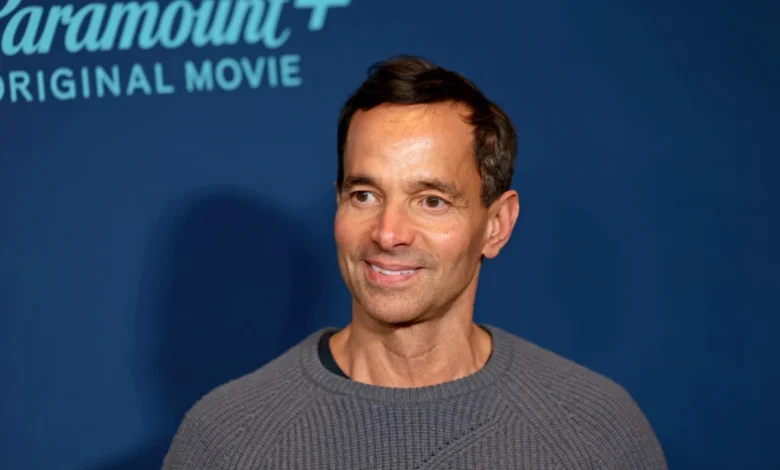
Following the landmark completion of the Warner Bros. Discovery deal, George Cheeks, the executive architect behind the integration, officially announced a comprehensive new leadership structure on Wednesday afternoon. This strategic realignment marks the beginning of a transformative era for the newly unified media powerhouse, consolidating one of the most expansive portfolios in the entertainment industry. The newly formed organization now oversees an unparalleled collection of assets, including the largest television studio operations in Hollywood, a vast array of over 50 cable networks, and the established reach of the CBS broadcast network.
The restructuring is designed to leverage existing institutional knowledge while positioning the company to compete more aggressively in an increasingly fragmented streaming and broadcast landscape. By integrating the operational strengths of Paramount’s legacy assets with the robust content engine of Warner Bros. Discovery and the visionary production capabilities of Skydance, the leadership team aims to capitalize on cross-platform synergy and economies of scale.
A Strategic Consolidation of Power
The new hierarchy prioritizes continuity, with many key executives from the existing Paramount leadership team retaining their roles, ensuring stability during this complex integration process. However, the move also formalizes the inclusion of industry veterans from the Warner Bros. ecosystem to ensure that the content pipelines remain robust.
Channing Dungey, a highly respected figure in the industry, will continue to serve as the lead for Warner Bros. TV Studios. In an expanded capacity, Dungey will also oversee the newly combined entity’s massive roster of more than 50 cable channels. This dual responsibility underscores the company’s intent to treat its cable assets not merely as legacy holdings, but as dynamic platforms for the studio’s output.
Bryon Rubin has been appointed Chief Operating Officer of the Skydance TV group. His remit is significantly expanded, as he will now exercise oversight of the CBS Television Stations group, integrating local broadcast operations into the broader Skydance corporate framework. David Stapf will maintain his position at the helm of CBS Studios, providing a pillar of stability for the network’s creative output, while Matt Thunell continues to manage Paramount Television Studios. The organizational shift also brings Skydance Sports Entertainment under Cheeks’ direct purview, following the departure of former executive Jesse Sisgold.
The Sports and Entertainment Powerhouse
The sports division remains a cornerstone of the new organization’s valuation strategy. David Berson continues to direct Skydance’s Global Sports Group, maintaining authority over a portfolio that includes the crown jewels of live sports broadcasting. This portfolio is now arguably the most significant in the industry, comprising rights to the NFL, UEFA Champions League, NHL, MLB, March Madness, the PGA Tour, The Masters, WNBA, NASCAR, and major college football conferences. By unifying the oversight of CBS Sports, TNT Sports, and WBD Sports, the company is positioning itself as a central hub for premium live event programming, a critical differentiator in the era of cord-cutting.
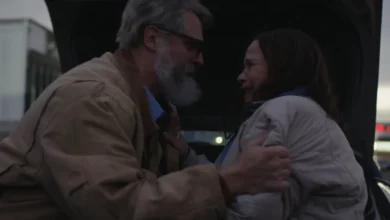
On the entertainment front, Amy Reisenbach will continue to lead CBS Entertainment. Under her guidance, the network has maintained its position as the most-watched broadcast entity, consistently delivering primetime hits. Her focus remains on high-impact storytelling, as evidenced by the success of recent projects like the critically acclaimed drama Cupertino. Complementing these creative efforts are the appointments of Mike Benson to lead marketing operations, Laurel Weir to manage research and programming, and Chris Ender to oversee corporate communications, ensuring a cohesive brand narrative across all platforms.
Timeline of the Merger and Integration
The announcement follows a series of high-stakes negotiations that have reshaped the media landscape over the past eighteen months. The journey toward this integration began with preliminary discussions regarding the potential synergy between Skydance’s agile, high-budget production model and the massive distribution footprint of the legacy Paramount and WBD assets.
- Phase One (Q1-Q2 2023): Preliminary discussions regarding the merger of Skydance Media with the Paramount Global ecosystem.
- Phase Two (Q4 2023): Regulatory review processes begin, involving federal oversight regarding market concentration and content distribution.
- Phase Three (Q2 2024): Agreement finalized, setting the stage for the integration of Warner Bros. Discovery’s cable and sports assets.
- Phase Four (Present): Formal announcement of the consolidated leadership structure and operational mandate under George Cheeks.
This transition period has been characterized by intense internal auditing and strategic assessment. The primary goal throughout the process has been to eliminate redundant operational layers while protecting the creative autonomy of the individual production studios.
Industry Implications and Market Analysis
The consolidation of these specific assets represents a "vertical integration" strategy that is increasingly common in modern media. By owning the production studios (CBS Studios, Paramount Television Studios, and Warner Bros. TV Studios) alongside the distribution channels (cable networks and the CBS broadcast network), the company significantly reduces the "middleman" costs associated with licensing content.
Financial analysts observe that this structure is designed to maximize the "shelf life" of intellectual property. A series produced by Skydance TV can now be premiered on the CBS broadcast network, syndicated across the cable portfolio, and eventually licensed to the internal streaming service, keeping the revenue within the corporate ecosystem for longer periods.
Furthermore, the emphasis on news and live sports—sectors that remain resistant to the "on-demand" shift—provides a buffer against the volatility of the scripted television market. The continued leadership of Tom Cibrowski at CBS News, with a mandate to bolster CBS Mornings and maintain the ratings dominance of the CBS Evening News, highlights the importance of daily, appointment-based viewing in the overall business model.
Leadership Vision and Cultural Integration
In his internal memo to employees, George Cheeks outlined a philosophy rooted in collaboration rather than top-down mandates. He acknowledged the uncertainty that accompanies such large-scale organizational changes, promising transparency as the integration unfolds.
"Our success will depend on all of us working together at every level, sharing expertise and leveraging the full strength of our portfolio," Cheeks wrote. He emphasized that the primary goals are to deliver exceptional storytelling and strengthen the emotional connection with audiences—a nod to the competitive pressure from tech-first streamers like Netflix and Amazon.
The memo serves as a psychological anchor for the staff, attempting to mitigate the anxiety inherent in mergers. By retaining long-tenured leaders, Cheeks is signaling that the organization values its institutional culture, even as it pivots toward a new, more efficient operational model.
Looking Ahead
The path forward involves significant logistical challenges. Bringing together three distinct corporate cultures—Skydance’s independent-minded production ethos, Paramount’s broadcast heritage, and the vast cable-centric infrastructure of WBD—will require careful management.
Observers note that the success of this structure will be measured by the company’s ability to maintain hit-making consistency. While the business mechanics—synergy, cost-cutting, and cross-platform distribution—are clear, the creative output remains the company’s lifeblood. The appointment of dedicated leads for marketing, research, and communication suggests that the company is taking a data-driven approach to its creative pipeline, utilizing research to inform greenlighting decisions while using marketing to ensure that every series reaches its maximum possible audience.
As the industry watches, the new leadership team is tasked with proving that this massive consolidation can lead to a more vibrant and sustainable entertainment business. For now, the structure is in place, the executives have been named, and the focus shifts to the upcoming television season and the long-term strategic execution of the combined entity’s vast and varied assets. The "next chapter" for the division, as Cheeks phrased it, is now officially underway.