Massive leak exposes 41,000 Department of Homeland Security workers including undercover ICE agents


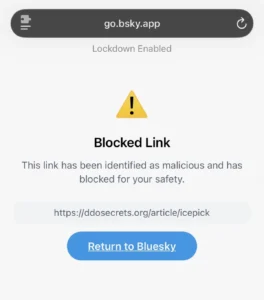
In an unprecedented breach of federal data security, an archive containing the personal and professional information of more than 41,000 employees and contractors associated with the Department of Homeland Security (DHS) has been leaked online. The cache, dubbed "Icepick," provides an exhaustive map of the department’s organizational structure, exposing sensitive internal system access, office locations, and direct references to high-level undercover surveillance programs. The leak, which surfaced in mid-October 2026, represents one of the most significant compromises of internal federal government data in recent history.
The data, which was analyzed by the transparency nonprofit Distributed Denial of Secrets (DDoSecrets) and cybersecurity researcher maia arson crimew, appears to have originated from the department’s Okta login infrastructure. While the authenticity of the records remains a subject of ongoing investigation by federal authorities, the sheer volume and granularity of the information suggest a deep, systemic penetration of DHS digital assets.
A Chronology of the Breach
The timeline of the "Icepick" event began to crystallize in the weeks leading up to its public release. According to the entities that previewed the data, the records were last updated on August 19, 2026. This date is critical, as it coincides with a period of heightened administrative activity following the "One Big Beautiful Bill Act," signed into law by the Trump administration on July 4, 2025. This legislation mandated the rapid expansion of Immigration and Customs Enforcement (ICE) operations, specifically calling for the recruitment of 10,000 new enforcement and removal officers by the end of 2025.
By mid-October 2026, the hacking group identifying itself as "Department of Peace" claimed responsibility for the exfiltration. In a message accompanying the files, the perpetrators stated, "They have our information, so it’s only fair that we have theirs," referencing the department’s recent aggressive tactics in tracking critics and obtaining warrants for social media and customer data.
Granular Breakdown of the Leaked Dataset
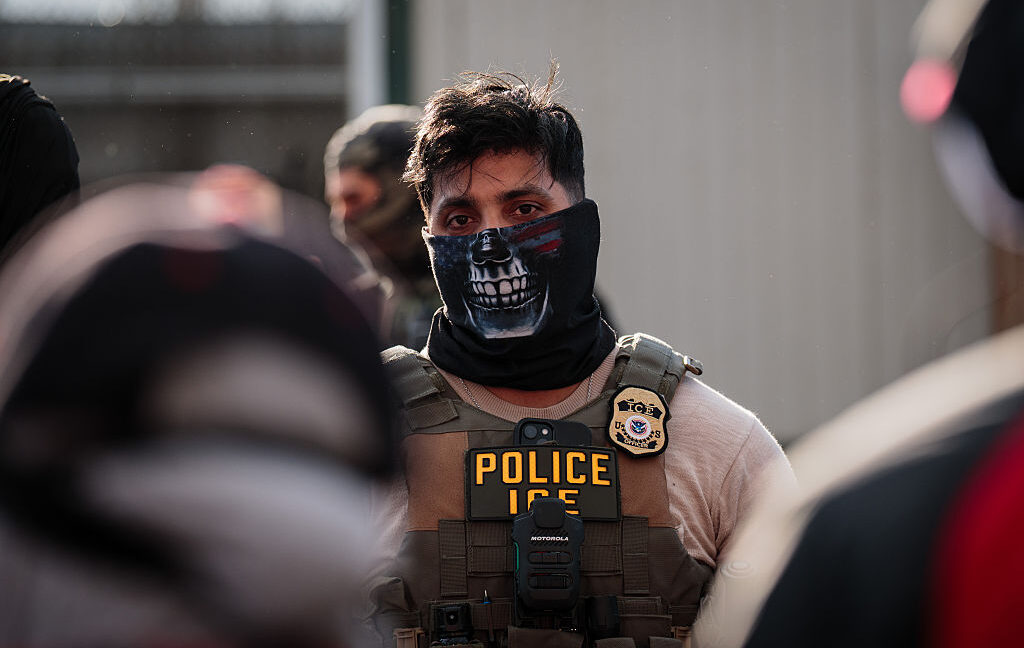
The leaked archive covers not only the DHS headquarters but also seven primary component agencies, including ICE and U.S. Customs and Border Protection (CBP). An analytical breakdown of the 41,000 records reveals a wide cross-section of the department’s workforce:
- U.S. Customs and Border Protection (CBP): Over 50% of the total records, representing the largest single block of exposed personnel.
- Immigration and Customs Enforcement (ICE): Approximately 10,000 records, with a third specifically linked to Homeland Security Investigations (HSI), the agency’s investigative arm.
- U.S. Citizenship and Immigration Services (USCIS): Approximately 6,200 records.
- Cybersecurity and Infrastructure Security Agency (CISA): Nearly 1,000 records, more than half of which are identified as contractors.
The files contain over 55,000 permission groups, which control access to specific software tools and internal databases. Among these, the data highlights the use of advanced investigative platforms such as Palantir’s Falcon and PenLink, the latter of which is used to aggregate and analyze phone and social media metadata.
Undercover Operations and Systemic Vulnerabilities
Perhaps the most damaging aspect of the "Icepick" leak is the exposure of internal group designations that appear to link employees to sensitive, clandestine operations. For instance, the data identifies multiple HSI employees across various field offices as members of "CUC" groups, which, according to government court filings, refers to "Certified Undercover Operations."
One specific group linked to the St. Paul, Minnesota, area is labeled "Keyhole." Federal court documents previously identified Keyhole as an undercover operation utilized to monitor domestic protest groups. Furthermore, the leak reveals the existence of technical programs such as the "Communications Intercept Center TechOps (CICTO) Program," the "Title III Intercept Program" (used for wiretaps), and the "Illicit Sensor Intercept Program (ISIP)." The exposure of these program titles, when cross-referenced with the individuals managing them, provides an unprecedented roadmap of the government’s surveillance capabilities.
Official Responses and Technical Rebuttals
The response from the federal government has been one of immediate damage control. A DHS spokesperson confirmed that the agency is "aware of a potential breach" and is working to address the situation. However, the agency stopped short of confirming the full extent of the compromised data, stating only that they take security threats against employees "seriously" and will work to ensure their protection.
Okta, the identity management provider implicated by the hackers, issued a firm denial of any involvement in the breach. "Okta is secure, and we have no evidence our data or systems were compromised," an Okta spokesperson stated. This leaves a significant technical question regarding how the "Department of Peace" obtained the information if not through a direct compromise of the primary identity provider.
The Broader Implications of the "Icepick" Leak
The fallout from the "Icepick" leak extends beyond simple privacy concerns; it raises profound questions about the vulnerability of federal employees in an era of heightened political tension. Alexander Leslie, a national security expert at Recorded Future, noted that the value of such a dataset to a foreign adversary or a sophisticated threat actor cannot be overstated. "This dataset becomes way more valuable when correlated with previously compromised information, commercial data, and other intelligence collections," Leslie stated.

The leak also highlights the friction between the DHS’s current investigative tactics—which include identifying anonymous online critics and tracking the movements of protesters—and the department’s own struggle to maintain operational security. The administration’s recent attempts to conceal the identities of agents, including masking names and faces in public-facing documents, are now severely undermined by this breach.
Furthermore, the involvement of local law enforcement in federal immigration duties is underscored by the presence of "287(g) Officers" in the leaked files. These individuals, who are typically employees of county sheriff’s offices or municipal jails, are now part of the federal database leak, which may complicate their ongoing work in local jurisdictions.
Legal and Ethical Debate
The leak has reignited the debate over the definition of "doxing." While the federal government has increasingly used the term to describe the publication of any information regarding public employees—even data as basic as professional titles or work contact information—the activists behind the release view their actions as an exercise in government transparency.
Adam Steinbaugh, a senior attorney at the Foundation for Individual Rights and Expression (FIRE), argues that the information contained in the leak is essentially the digital equivalent of a business card. "That’s not something the government can criminalize," Steinbaugh noted, suggesting that the administration’s expansive interpretation of 18 USC 119—a statute prohibiting the sharing of restricted information with the intent to threaten—may not apply to the current situation.
Conversely, the Department of Justice has been aggressive in its pursuit of those who reveal the identities of federal agents, with recent prosecutions of protesters for sharing information about ICE officers. The "Icepick" leak puts the government in a difficult position: it must investigate a massive breach of its own security while simultaneously defending its own record of surveillance and data collection.
Future Outlook
As federal agencies work to scrub the internet of the "Icepick" archive, the incident serves as a stark reminder of the digital fragility inherent in large-scale government operations. With 1,300 new ICE enforcement accounts created since mid-2025 and thousands of new hires expected to join the workforce, the potential for further vulnerabilities remains high. The leak of 41,000 identities is not merely a technical failure; it is a significant geopolitical and operational setback that will likely influence the department’s security protocols and its relationship with the public for years to come. The "Department of Peace" has signaled that this is an act of accountability, but for the thousands of individuals named in the files, the reality is a new and lasting layer of personal and professional risk.