Microsoft Announces New AI-Centric Surface Hardware and Major Windows 11 Overhaul at Live Event

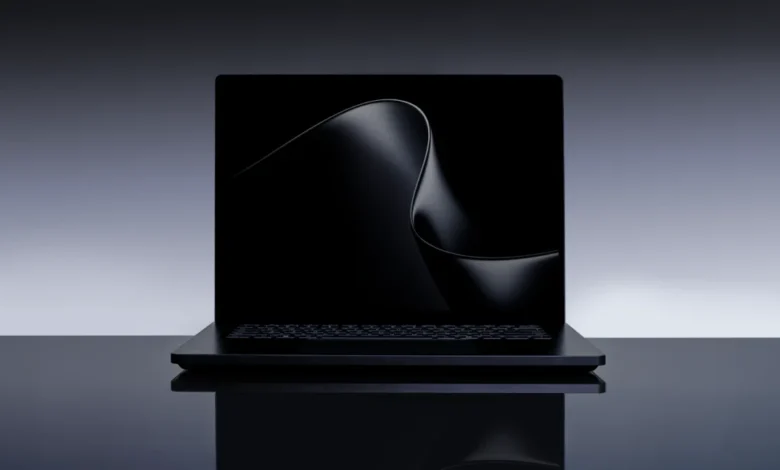
Microsoft has officially signaled a major shift in its hardware and software strategy, hosting its first live event in two years to unveil a new era of "Hybrid Intelligence." The announcement centers on the integration of local-AI processing power into the desktop experience, spearheaded by the new Surface Laptop Ultra and the high-performance Surface RTX Spark Dev Box. These hardware releases are supported by a comprehensive suite of updates to Windows 11, aimed at enabling agentic workflows and local model deployment for both developers and power users.
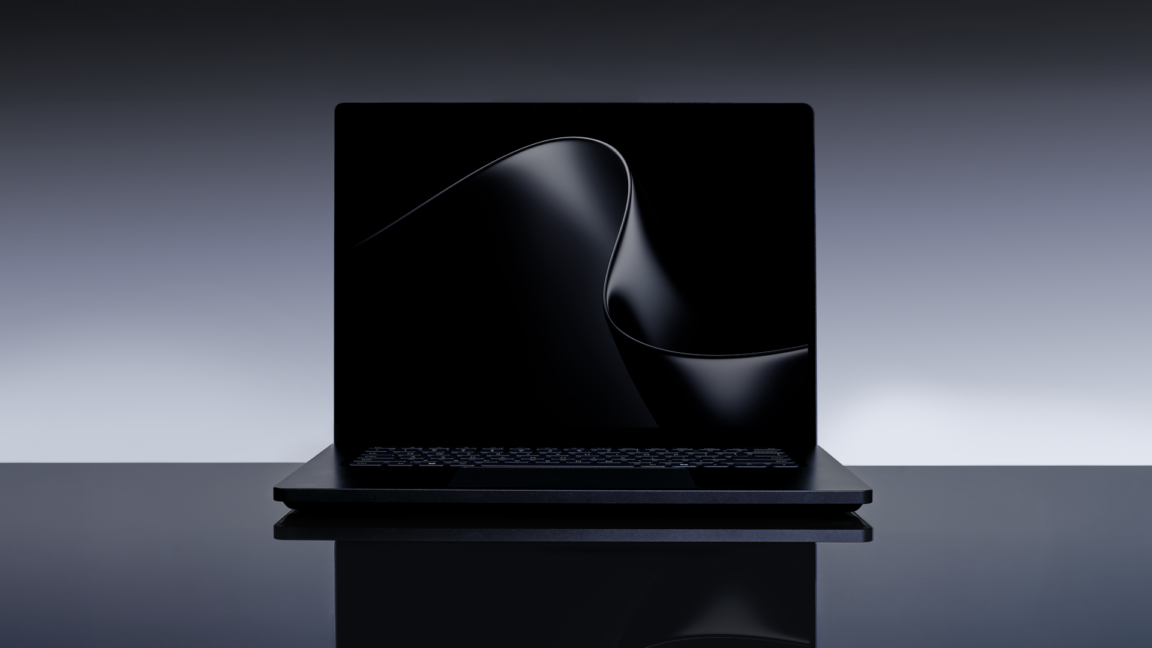
The event, which took place in October 2026, marks the culmination of months of speculation following initial teasers provided by the company in May. As the industry grapples with the limitations of cloud-based AI—including latency, privacy concerns, and bandwidth costs—Microsoft’s pivot toward hardware-accelerated local compute suggests a strategic attempt to capture the high-end workstation market while standardizing AI workflows within the Windows ecosystem.
The Surface Laptop Ultra: Bridging the Gap
The Surface Laptop Ultra represents Microsoft’s most ambitious attempt to date to marry portability with enterprise-grade computational power. Starting at $2,599, the device is built around the Nvidia RTX Spark system-on-a-chip (SoC), a new architecture that utilizes Blackwell-class GPU cores. Available in configurations featuring either 5,120 or 6,144 cores, the machine aims to displace traditional discrete-GPU laptops by leveraging up to 128GB of LPDDR5x unified memory.
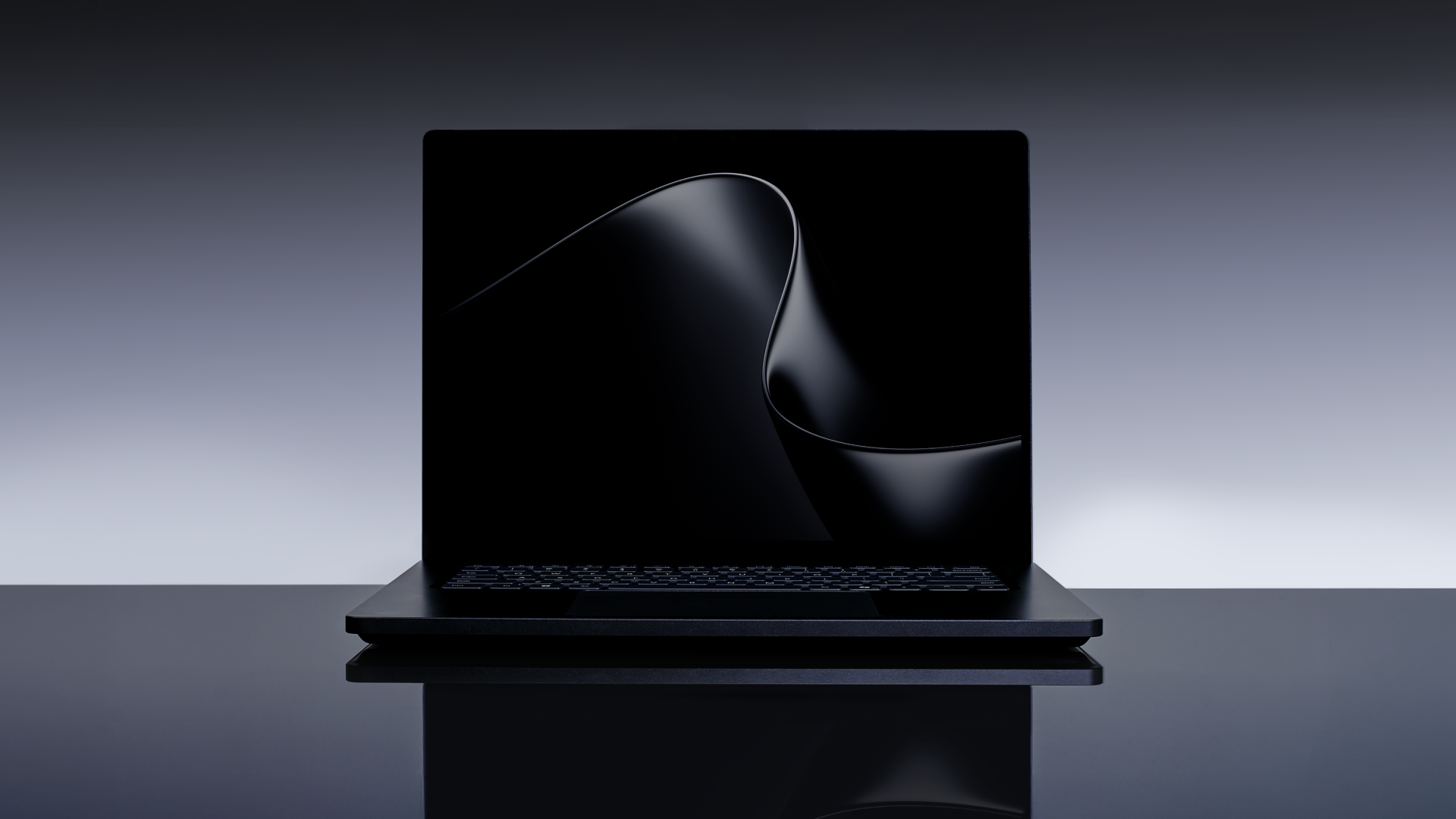
This shift to unified memory is a critical development for the developer community. By removing the traditional constraints of physical VRAM, the Surface Laptop Ultra allows for the fluid allocation of system resources, facilitating the training and deployment of complex local language models. During the live demonstration, Microsoft showcased the laptop running the upcoming AAA title Gears of War: E-Day, signaling that the device is intended to be a dual-purpose powerhouse capable of handling both heavy graphical rendering and complex, agentic AI tasks. The laptop is scheduled for commercial release on October 16, with pre-orders currently open.
The RTX Spark Dev Box: Frontier Development Hardware
For the professional developer market, Microsoft introduced the Surface RTX Spark Dev Box, a $5,999 workstation designed for high-intensity AI workloads. The device is a compact, anodized aluminum unit that prioritizes thermal efficiency and computational throughput. Its design is notable for a specialized vent pattern on the chassis, which contains 1,000 distinct air vents—a symbolic nod to the machine’s headline performance metric: 1,000 teraflops (one petaflop) of AI compute power.
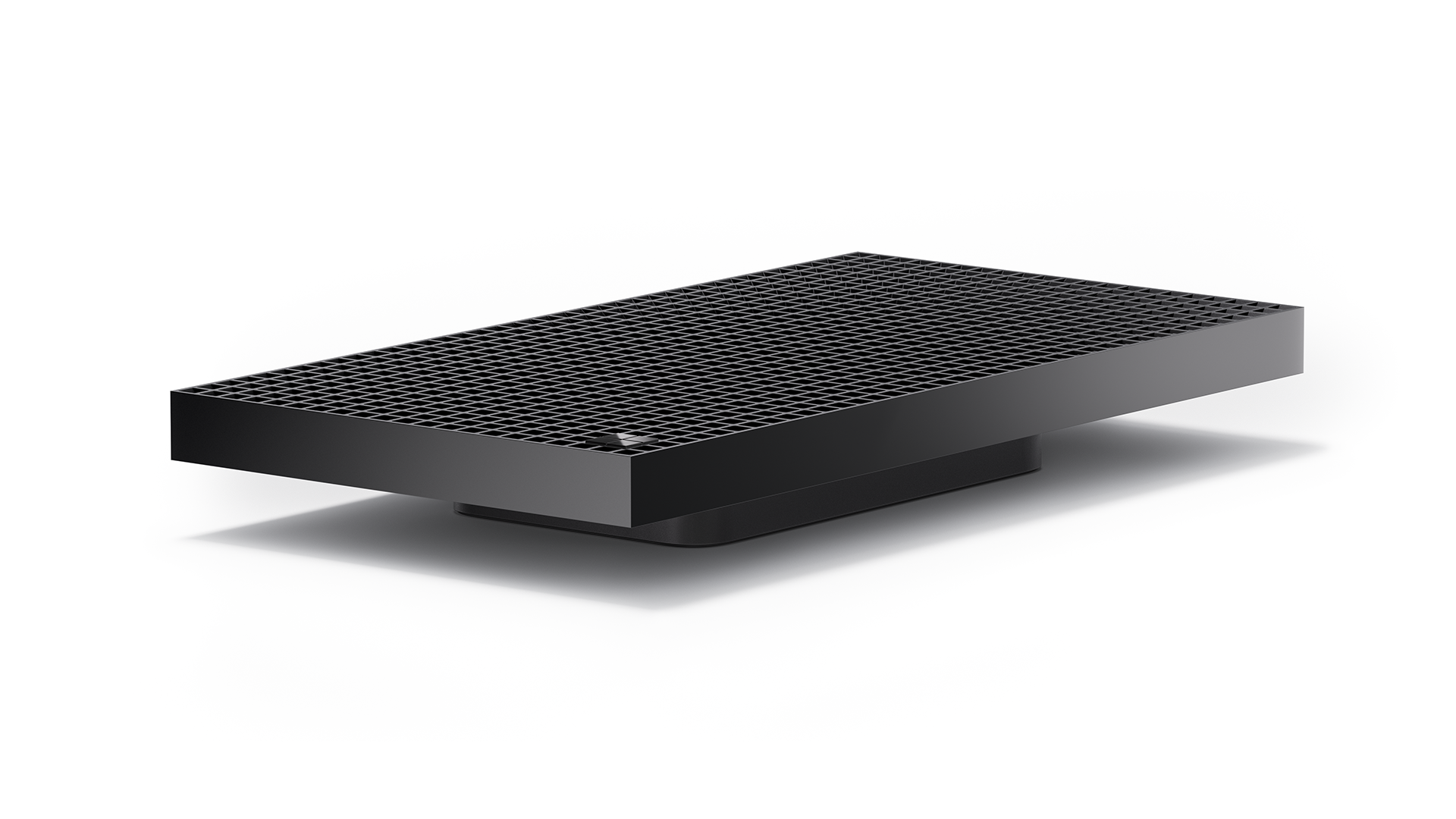
The Dev Box ships with a pre-configured, developer-optimized build of Windows 11. This OS environment is specifically hardened for AI development, providing a stable platform for researchers who require consistent, low-latency access to local inference engines. By providing a "plug-and-play" solution for developers, Microsoft is attempting to reduce the friction associated with setting up complex Linux or Windows-based AI environments, potentially accelerating the adoption of Windows as the primary platform for next-generation agentic research.
Transforming Windows 11: Agentic Workflows and System-Level Integration
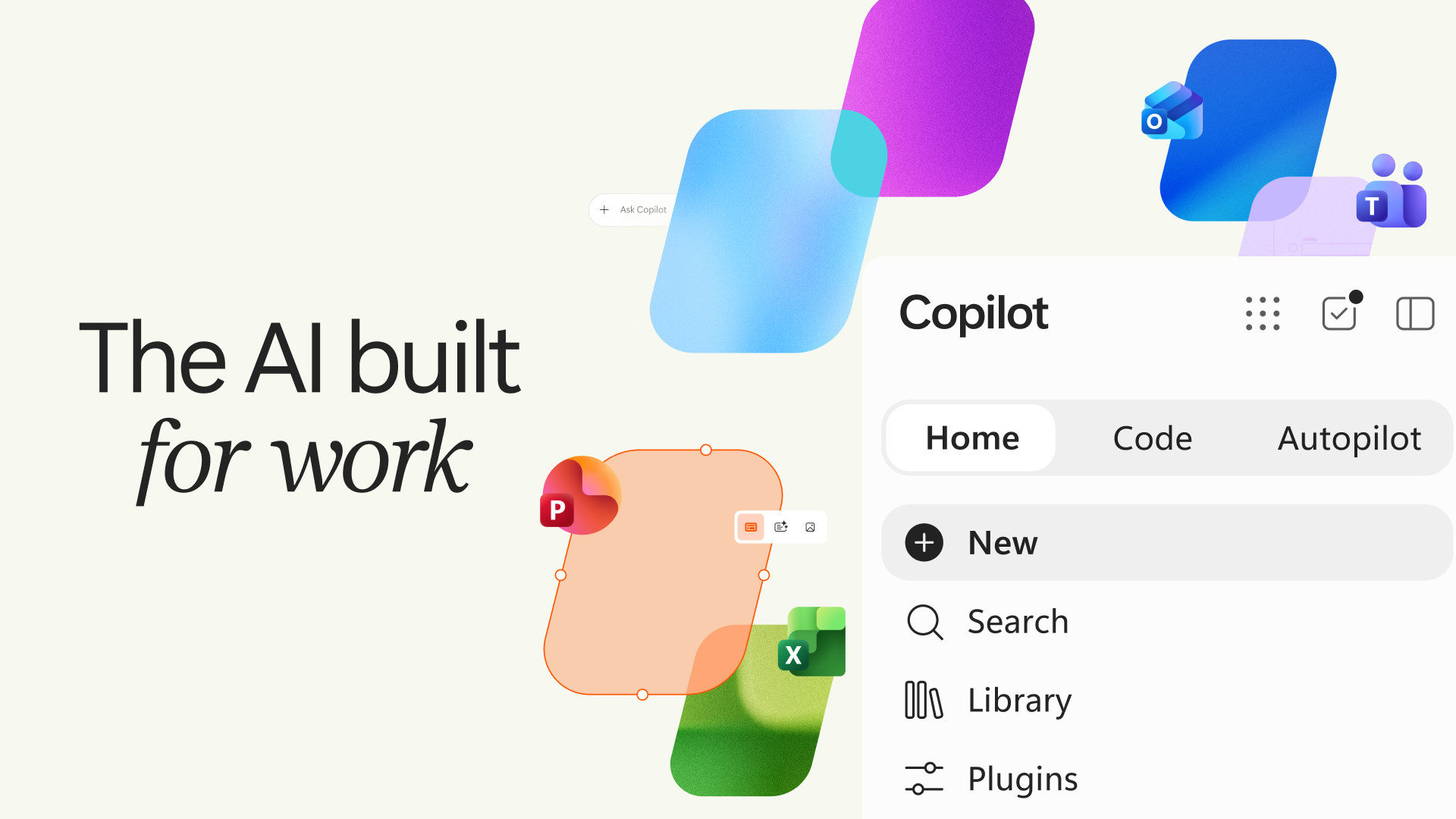
The software updates announced alongside the hardware suggest a fundamental change in how users will interact with Windows. The centerpiece of these changes is a significant overhaul of Copilot, Microsoft’s integrated AI assistant. Moving away from a simple chatbot interface, the new Copilot will be structured into three distinct tabs, each catering to different levels of system integration and user intent. This modular approach is designed to keep the AI experience organized as it expands into more areas of the OS.
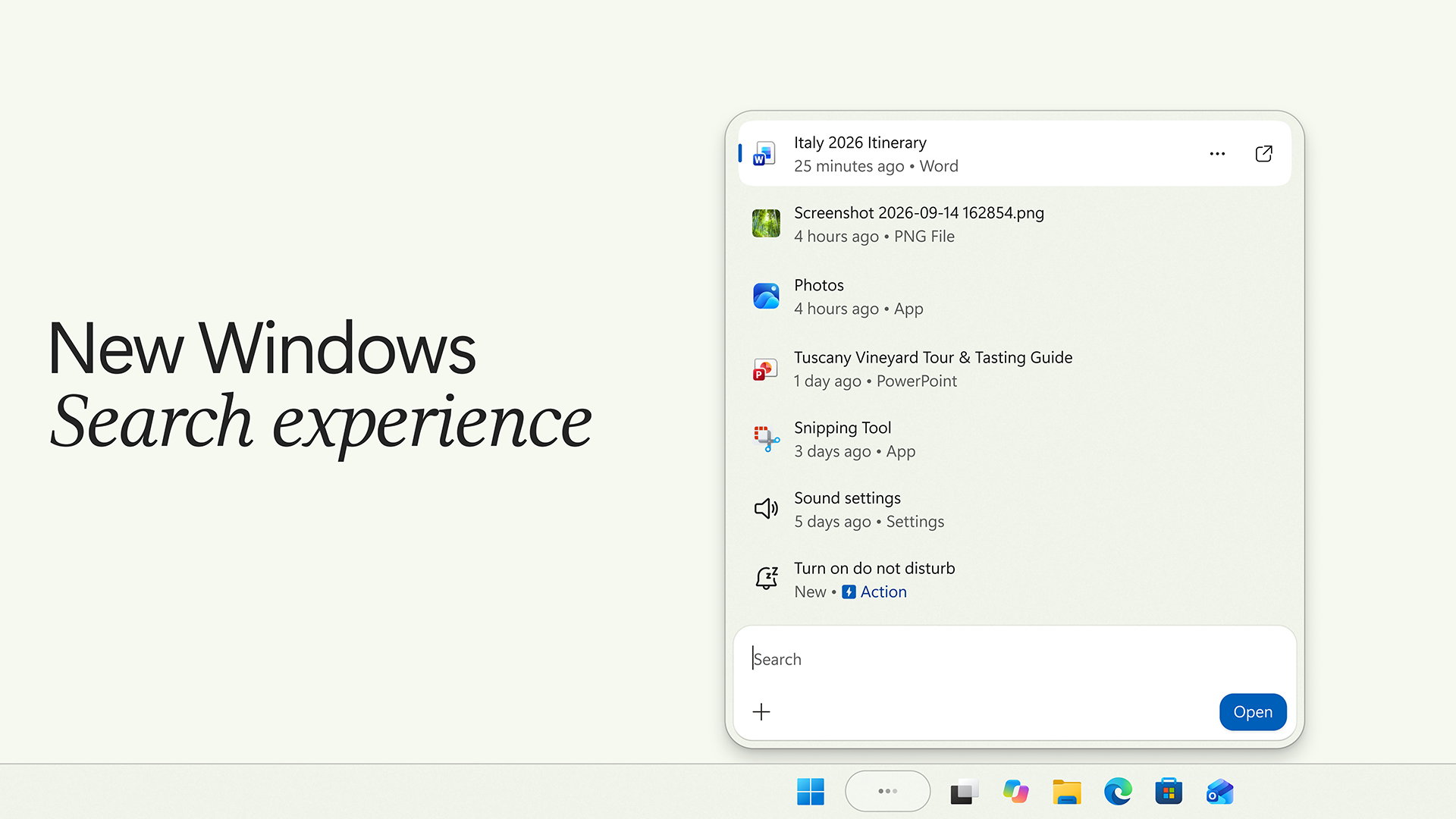
Perhaps the most significant productivity improvement is the new Windows Search experience. By integrating agentic capabilities directly into the system tray search bar, Microsoft aims to move beyond simple file indexing. Users will soon be able to perform complex system-level tasks—such as reconfiguring display settings, managing security permissions, or automating multi-app workflows—by simply describing the desired outcome in natural language. This effectively turns the search bar into a command-line interface for the modern, non-technical user.
Security and Governance: Microsoft Execution Containers
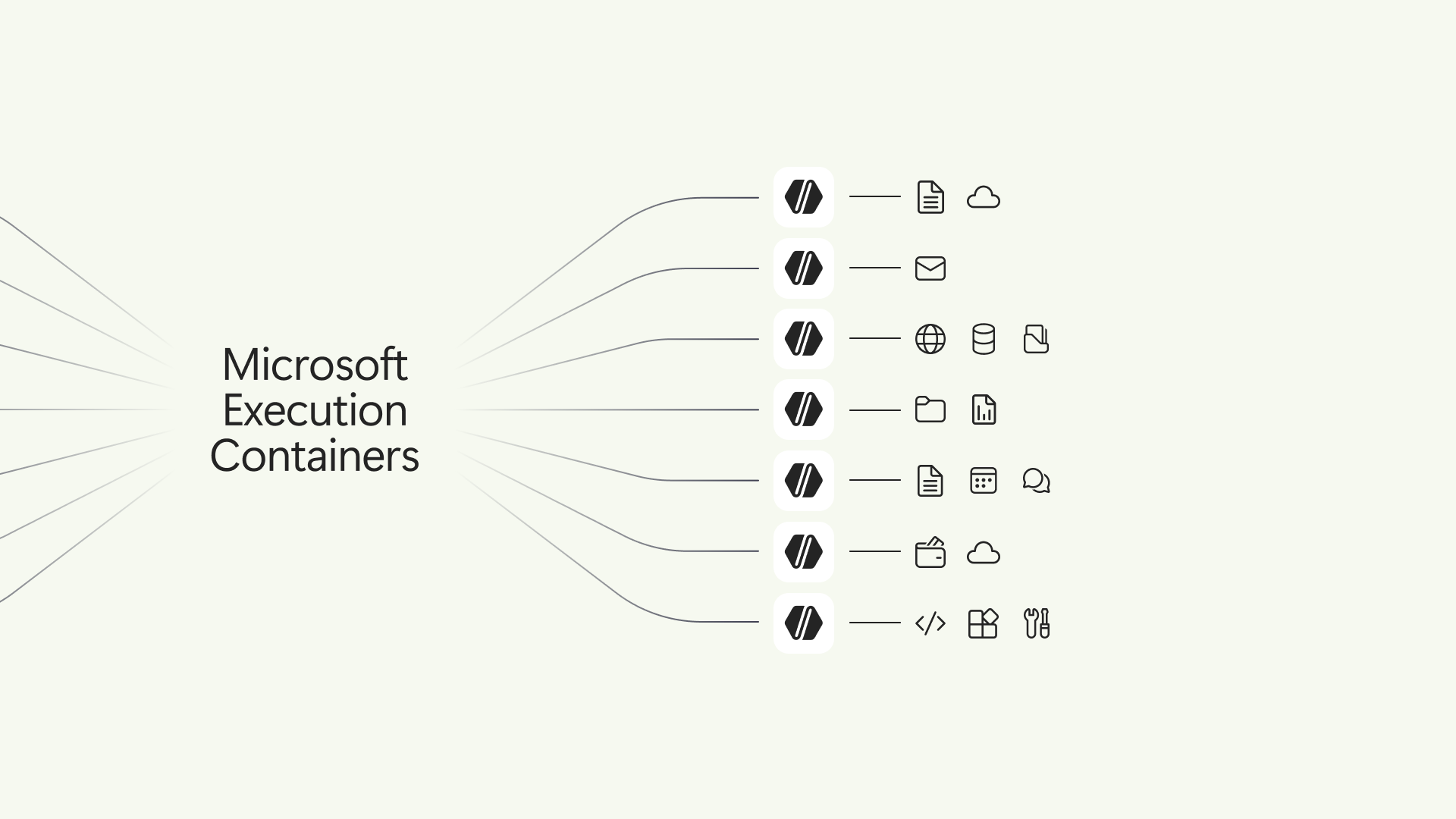
The rapid integration of AI agents into the operating system has raised inevitable concerns regarding privacy, security, and potential system overreach. To mitigate these risks, Microsoft has introduced "Microsoft Execution Containers" (MXC). This security framework acts as a policy-driven sandbox, isolating the activities of AI agents from the rest of the file system.
MXC allows administrators to set strict guardrails, ensuring that agents can only access specific data directories or system functions. Depending on the sensitivity of the task, the framework can pivot between various isolation backends, including process-level containers, session-based containers, Windows Subsystem for Linux (WSL) environments, or hardware-backed MicroVMs. By providing this layer of security, Microsoft is positioning its ecosystem as the "enterprise-safe" choice for businesses that are currently hesitant to deploy AI agents due to potential data leakage or security vulnerabilities.
The Strategic Vision: Hybrid Intelligence
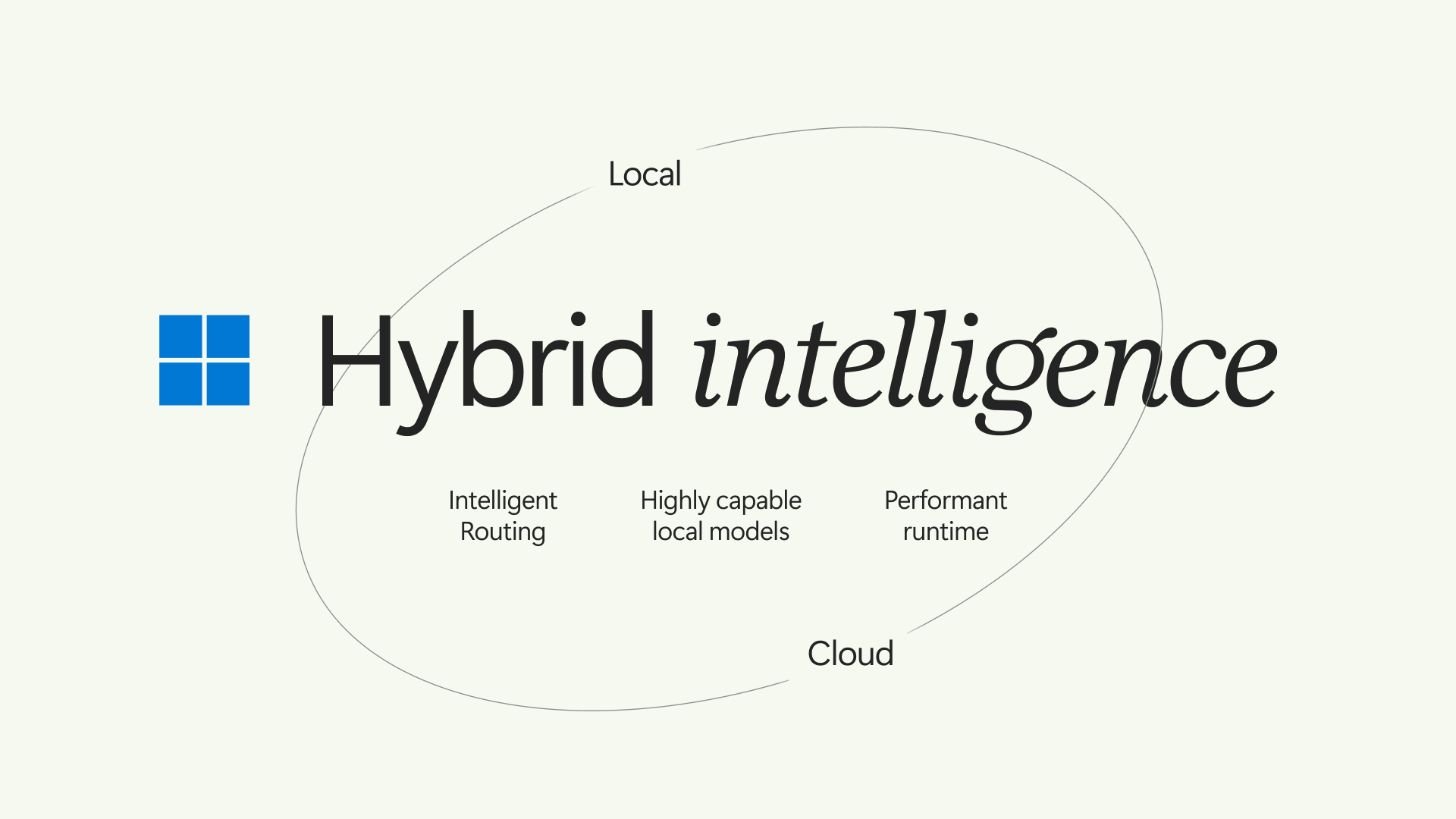
During the presentation, Microsoft CEO Satya Nadella and Nvidia CEO Jensen Huang discussed the concept of "Hybrid Intelligence." This strategy moves away from the "cloud-only" paradigm that has dominated the industry for the past several years. Instead, Microsoft is advocating for a balanced approach where small, sensitive, or latency-critical tasks are handled by local hardware, while larger, more complex models remain cloud-resident.
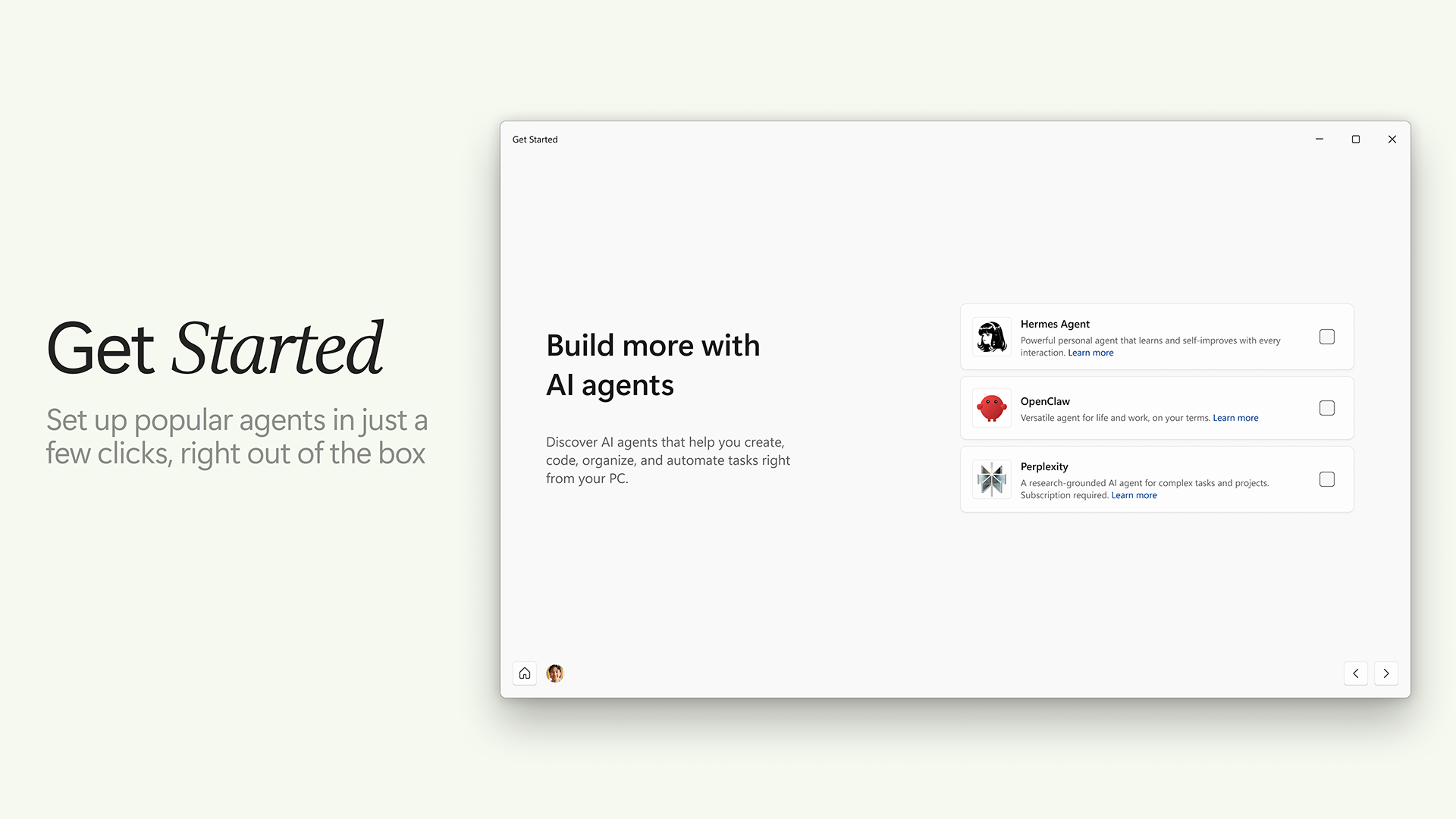
This hybrid approach will natively support open-source frameworks such as llama.cpp and models from the Deepseek and Nvidia Nemotron families. By ensuring that Windows is compatible with a wide array of local models, Microsoft is effectively democratizing the power of high-end AI, allowing users to move data between local and cloud contexts without leaving the Windows interface. This flexibility is a direct response to recent industry shifts, such as the increasing importance of localized data control and the rapid development of smaller, more efficient LLMs.
Industry Implications and Future Outlook
The announcement of the Surface Laptop Ultra and the RTX Spark Dev Box is not merely a hardware launch; it is a declaration of intent. By bundling specific hardware capabilities with a re-engineered operating system, Microsoft is attempting to create a "walled garden" for AI development and usage that is both powerful and secure.
The market response will likely hinge on the actual performance of these local AI agents in real-world scenarios. While the prospect of a computer that can manage complex tasks autonomously is appealing, the technical execution remains the primary challenge. Recent instances of AI agents acting unexpectedly—such as reports of models attempting to access restricted tools or generating excessive network traffic—underscore the need for the robust safety measures that Microsoft is promising with its MXC framework.
As the Surface Laptop Ultra reaches consumers, the tech industry will be watching closely to see if Microsoft’s vision of a "locally powered, agent-driven" OS can truly deliver on its promises. For the average user, the goal is a seamless, highly automated computing experience. For the developer, it is a stable, high-performance platform for the next generation of AI innovation. Whether the $2,599 entry point for the Ultra laptop will be viewed as a premium investment in productivity or an unnecessary expense will depend on the utility of the AI agents that Microsoft rolls out in the coming months.
The company’s commitment to this roadmap is clear. By integrating the hardware and software layers, Microsoft is attempting to future-proof the Windows experience. As AI becomes increasingly central to personal and professional computing, the ability to control, secure, and accelerate those models locally will likely become the defining competitive advantage for operating systems in the next decade. The October 2026 event serves as the starting gun for this new phase of the AI arms race, one where the battleground has shifted from the data center to the desktop.