Codie Taylor leads New Zealand to a spine-tingling Haka performance in high-stakes clash against South Africa

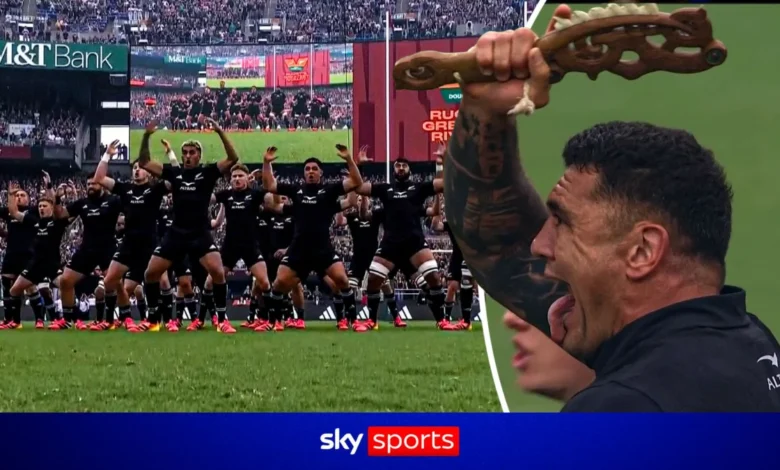
The atmosphere at the stadium reached a fever pitch on Saturday, 12 September 2026, as the New Zealand All Blacks and the South African Springboks engaged in one of rugby union’s most storied rivalries. At the center of the pre-match ceremony, newly appointed All Blacks captain Codie Taylor etched his name into the annals of the sport by leading the Haka for the first time against the formidable South African side. This performance, marked by raw intensity and precise synchronization, set the tone for a match that serves as a pivotal encounter in the current international rugby calendar.
The Significance of the Haka in Modern Rugby
The Haka is far more than a pre-match ritual; it is a cultural cornerstone of New Zealand rugby, symbolizing the unity, history, and ferocity of the All Blacks. When performed against South Africa, the stakes are invariably higher. The historical tension between these two nations, dating back over a century, means that every movement in the Haka is scrutinized by fans and opponents alike.
Codie Taylor, who assumed the captaincy amidst a period of transition for the All Blacks, faced significant pressure entering this match. Leading the challenge against the reigning world champions requires not just physical presence but a deep understanding of the mana—or prestige—associated with the role. His performance on Saturday was noted for its deliberate pace and the visceral connection he established with his teammates, signaling a shift in leadership style that prioritizes collective resolve over individual flair.
Chronology of the 2026 Season Rivalry
To understand the weight of this particular encounter, one must look at the trajectory of the 2026 international season. Following a grueling summer series, both New Zealand and South Africa entered this match with distinct agendas.
- June 2026: New Zealand concludes a successful series against Northern Hemisphere opposition, signaling a return to form under the new coaching staff.
- July 2026: South Africa dominates the Rugby Championship opening rounds, maintaining a physical brand of rugby that has characterized their play since 2019.
- August 2026: Codie Taylor is officially named permanent captain, replacing the outgoing leadership group.
- Early September 2026: Preparations intensify, with both teams utilizing closed-door training sessions to refine tactical approaches for this specific fixture.
- 12 September 2026: The Haka is performed at 23:10 (UK time), marking the high point of the pre-match formalities.
Statistical Context: All Blacks vs. Springboks
The rivalry between these two nations is defined by a razor-thin margin of victory. Historically, the win-loss record between New Zealand and South Africa remains one of the most balanced in world sport. Heading into the September 2026 match, the All Blacks held a slight historical advantage in terms of total wins, but the Springboks had maintained a superior record in high-stakes tournament finals over the previous decade.
Key performance indicators (KPIs) for this match focused on breakdown efficiency and set-piece stability. Analysts noted that for New Zealand to succeed, they needed to neutralize the South African forward pack, a unit consistently ranked as the most physical in the game. Taylor’s leadership during the Haka served as a psychological opening gambit, an attempt to disrupt the composure of a Springbok squad known for its stoic response to pre-match challenges.
Analysis of the Tactical Implications
The decision to entrust the Haka to Taylor reflects the tactical shift the All Blacks have adopted under their current management. By placing the onus on the hooker—a position often at the heart of the engine room—the team is emphasizing a "bottom-up" approach to their gameplay.
From an analytical perspective, the Haka serves a dual purpose. Firstly, it galvanizes the New Zealand squad, effectively raising their heart rates and focusing their aggression before the referee blows the opening whistle. Secondly, it tests the mental fortitude of the opposition. South African players, historically known for staring down the challenge without flinching, view the Haka as a formal invitation to battle. The silent, measured stare-down that followed Taylor’s Haka on Saturday provided a stark visual representation of the clash of ideologies between the two teams.
Official Responses and Post-Match Reflections
While the match concluded in the early hours of Sunday, the immediate reaction to the Haka remained a primary topic of discussion among pundits. Former All Black legends took to social media to praise Taylor’s delivery, noting that his cadence and command were reminiscent of past iconic leaders.
"It was a statement of intent," noted one prominent rugby commentator. "Codie didn’t just lead the movements; he embodied the frustration and the ambition of this current squad. You could see it in the eyes of the younger players behind him—they were ready to follow him into the fire."
On the South African side, the response remained professional and focused. A representative from the Springbok coaching staff acknowledged the intensity of the Haka during the post-match press conference, stating, "We respect the tradition. It is a part of the game that makes this rivalry special. We expected that level of energy, and we prepared our players to maintain their focus regardless of the emotional theater on the field."
Broader Impact on International Rugby
The 2026 encounter serves as a microcosm for the current state of rugby union. As the game faces increasing pressure to globalize and modernize, the preservation of cultural rituals like the Haka remains a point of contention and celebration. For the All Blacks, the Haka is a non-negotiable element of their identity. For the rest of the world, it is the ultimate barometer of the team’s spirit.
Codie Taylor’s performance on Saturday night has effectively solidified his mandate as captain. In a sport where leadership is often measured by silverware, the ability to inspire a group of men through tradition is an intangible asset that cannot be coached. As the 2026 season progresses toward the year-end tours, this moment will likely be cited as the turning point where the new All Blacks leadership truly found its voice.
Looking Ahead: The Future of the Rivalry
As the dust settles on this fixture, both teams now turn their attention to the remaining rounds of the competition. The implications of this match extend beyond the immediate scoreboard; it influences team selection, psychological momentum, and the ongoing debate regarding the tactical evolution of the game.
For South Africa, the focus remains on physical dominance and the utilization of their "bomb squad" substitution strategy. For New Zealand, the focus shifts to maintaining the intensity displayed during the Haka and translating that energy into consistent 80-minute performances.
The sport of rugby thrives on these moments of spectacle. When the Haka is performed, it bridges the gap between the modern professional athlete and the historical roots of the game. Codie Taylor, by successfully navigating his first Haka against the Springboks, has not only fulfilled a rite of passage but has also reminded the global rugby audience why this specific matchup continues to command the attention of millions worldwide.
The event on September 12 will be remembered not just for the scoreline, but for the clarity of purpose displayed at the very start of the match. It served as a reminder that even in an era of data-driven rugby, the human element—the passion, the heritage, and the leadership—remains the driving force of the sport. As the international season continues, all eyes will be on Taylor to see if he can replicate this level of command in the high-pressure matches that lie ahead. The stage is set for a historic conclusion to the year, and if Saturday’s display is any indication, the intensity of the rivalry is far from waning.
Related posts: