
Tag War In Ukraine
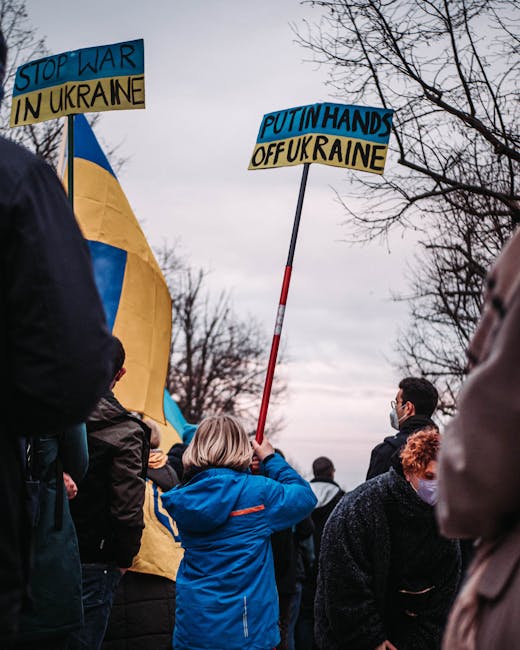
The Brutal Reality of the Tag War in Ukraine: A Deeper Dive into the Information Conflict
The war in Ukraine is not solely a kinetic conflict fought with tanks and artillery; it is also a deeply entrenched "tag war," a sophisticated and multi-faceted information conflict that shapes perceptions, influences decision-making, and ultimately impacts the course of the physical war. This information war operates on multiple layers, employing a diverse arsenal of tools and tactics to disseminate narratives, discredit opposing viewpoints, and mobilize support. Understanding the dynamics of this tag war is crucial for grasping the full scope of the Ukrainian conflict and its global implications.
At its core, the tag war in Ukraine is a battle for the narrative. Both Russia and Ukraine, along with their respective international allies and adversaries, are engaged in a relentless effort to control how the conflict is understood by domestic and international audiences. This involves shaping perceptions of the war’s origins, its objectives, the nature of the combatants, and the legitimacy of actions taken. For Russia, key tags include "denazification," "demilitarization," "protecting Russian speakers," and "historical reunification." These tags are designed to frame the invasion as a necessary and justified response to perceived threats from Ukraine and the West, appealing to historical grievances and nationalist sentiments. Ukraine, conversely, employs tags like "sovereignty," "self-determination," "invasion," "aggression," "resistance," and "freedom." These tags highlight Ukraine’s right to exist as an independent nation, the unprovoked nature of the Russian attack, and the courage of its people in defending their homeland. International actors also contribute their own tags, such as "democracy versus autocracy," "humanitarian crisis," and "geopolitical stability," further complicating the information landscape.
The dissemination of these tags is achieved through a vast and interconnected network of propaganda channels. State-controlled media outlets in Russia, such as RT and Sputnik, have been instrumental in broadcasting the Kremlin’s narrative globally, employing sophisticated translation and distribution networks to reach diverse audiences. These outlets often present a heavily curated version of events, emphasizing Russian successes, downplaying casualties, and framing Ukrainian actions in a negative light. Social media platforms have become a crucial battleground, with both sides leveraging them to spread their messages directly to the public. This includes the use of coordinated disinformation campaigns, the creation of fake accounts and bot networks, and the amplification of emotionally charged content. Ukrainian government agencies, military units, and civilian volunteers have also been highly effective in using social media to share real-time updates, humanize the conflict through personal stories, and rally international support. The strategic use of viral videos, infographics, and compelling personal testimonies has proven particularly potent in shaping public opinion.
Beyond direct messaging, the tag war extends to the realm of cognitive warfare and psychological operations. This involves exploiting cognitive biases, sowing discord, and undermining the confidence of the adversary’s population. Russia has a long history of employing these tactics, and its operations in Ukraine have been no exception. This can involve spreading rumors, fabricating evidence, and creating deepfakes to discredit Ukrainian officials or military personnel. The aim is to create confusion, erode trust in legitimate sources of information, and foster internal divisions. Conversely, Ukraine and its allies have focused on exposing Russian disinformation, fact-checking claims, and promoting media literacy to build resilience against manipulation. International organizations and independent fact-checking initiatives play a vital role in this counter-narrative effort, working to debunk false claims and provide verified information.
The impact of the tag war is profound and far-reaching. On a domestic level, the narratives propagated by each side are crucial for maintaining public support for the war effort. For Russia, the consistent reinforcement of tags like "denazification" is essential for justifying the immense human and economic costs of the conflict to its own population. Similarly, for Ukraine, the emphasis on "resistance" and "freedom" is vital for sustaining morale and national unity in the face of overwhelming adversity. Internationally, the tag war significantly influences diplomatic efforts, international aid, and the imposition of sanctions. Nations that accept Russian tags are less likely to condemn its actions or provide substantial support to Ukraine. Conversely, countries that embrace Ukrainian tags are more inclined to offer military and financial assistance, impose sanctions on Russia, and condemn its aggression on the world stage. This is evident in the divergent responses of different countries to the conflict, with some nations remaining neutral or even sympathetic to Russia’s stated concerns, while others have unequivocally aligned themselves with Ukraine.
The technological dimension of the tag war is also rapidly evolving. Artificial intelligence (AI) is increasingly being used to generate propaganda, create convincing deepfakes, and automate the dissemination of disinformation at an unprecedented scale. This raises significant concerns about the future of information warfare and the ability of societies to discern truth from falsehood. The speed and sophistication of AI-generated content pose a significant challenge for fact-checkers and traditional media outlets. Furthermore, the weaponization of algorithms on social media platforms can amplify certain narratives, pushing them to wider audiences and creating echo chambers that reinforce existing beliefs. Countering these evolving threats requires ongoing innovation in detection technologies, a commitment to digital literacy, and robust international cooperation.
The economic implications of the tag war are also considerable. The framing of the conflict can directly impact global markets, commodity prices, and investment decisions. For instance, narratives that suggest a prolonged or escalating conflict can lead to increased volatility in energy and food markets. The effectiveness of sanctions, which are often justified by specific tags, is also influenced by the broader narrative surrounding the war. If the international community broadly accepts the narrative of Russian aggression and its detrimental impact on global stability, then economic sanctions are more likely to be implemented and maintained. Conversely, if alternative narratives gain traction, the resolve to impose and sustain economic pressure may weaken.
The legal and ethical dimensions of the tag war are also subjects of intense debate. The deliberate spread of false information, particularly when it incites violence or hatred, can have serious legal consequences. However, the decentralized nature of information dissemination online and the challenges of attributing responsibility make enforcement difficult. Furthermore, the question of what constitutes legitimate wartime messaging versus illegal propaganda is a complex one, with differing interpretations across jurisdictions and legal frameworks. International law, including the Geneva Conventions, aims to regulate conduct in armed conflict, but its application to the information sphere is still developing. The use of propaganda that targets civilian populations or aims to dehumanize the enemy raises significant ethical concerns and can contribute to war crimes.
In conclusion, the tag war in Ukraine is an indispensable element of the broader conflict, operating as a critical front alongside the kinetic battlefield. Its efficacy lies in its ability to shape perceptions, influence behavior, and ultimately impact the strategic outcomes of the war. The intricate interplay of state-sponsored propaganda, social media manipulation, cognitive warfare, and emerging AI technologies creates a complex and constantly evolving information environment. Understanding the strategic deployment of tags, the channels of dissemination, and the underlying motivations of the actors involved is paramount for comprehending the current realities of the Ukrainian conflict and anticipating its future trajectories. The ongoing battle for hearts and minds, waged through the strategic use of narratives and disinformation, is as consequential as any artillery barrage or missile strike.
