Internet Famous Bald Eagle Mom Jackie Rescued and Receiving Treatment, Community Awaits Diagnostic Updates

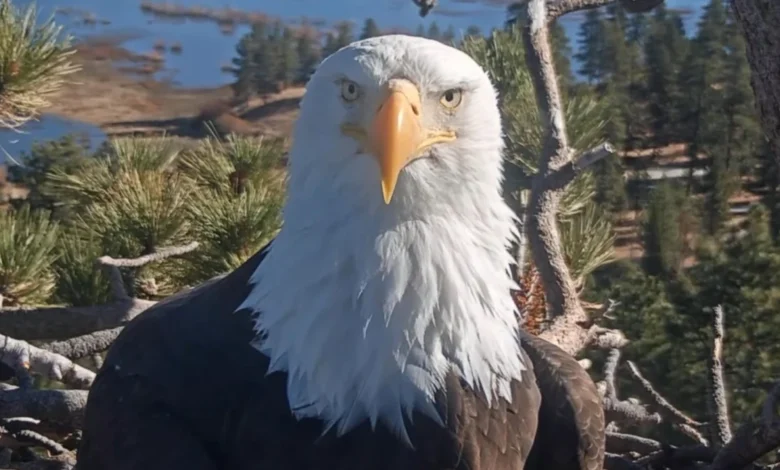
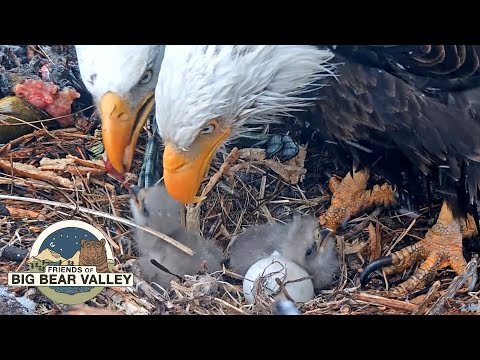
UPDATE, July 20, 2026, 3:21 PM EDT: Friends of Big Bear Valley (FOBBV) confirmed Monday afternoon that they are in direct contact with the rehabilitation center where Jackie, the beloved internet-famous bald eagle, is currently receiving treatment. In a statement posted to their Facebook page, the organization shared, "Jackie is stable and they are waiting on diagnostic results that can take several days. When we have additional information, we will post it here. Jackie is a strong eagle and we as a community will get through this." The update also highlighted the dedication of Jackie’s mate, Shadow, noting, "Meanwhile, Shadow is an excellent mate and father; he continues to care for Sandy and Luna while protecting the nest and territory."
An adult bald eagle recently rescued and transported to the Los Angeles County Parks San Dimas Raptor Rescue is believed to be Jackie, an iconic matriarch of the Big Bear Valley bald eagle population. Millions of viewers worldwide have followed the intricate lives of Jackie, her mate Shadow, and their current eaglets, Sandy and Luna, through a continuous 24/7 livestream of their nest. The potential injury of Jackie has sent ripples of concern through the vast online community that has become invested in the eagles’ survival.
Friends of Big Bear Valley, the nonprofit organization responsible for the popular livestream, has been actively communicating with the rescue center and other facilities involved in the eagle’s care. According to FOBBV, the bird is in "the best place she can be and getting the care she needs." While no specific updates on Jackie’s condition have been released by the facility, FOBBV has been assured they will be contacted promptly with any new information. The organization also shared a video of the rescue, captured by the County of Los Angeles Department of Parks and Recreation, offering a glimpse into the critical moments of her retrieval.
The incident that led to Jackie’s rescue occurred on July 17, when an adult bald eagle was discovered on the ground near Dana Point Park. The bird had reportedly been observed in the same area the previous day. Compounding concerns, the eagle was also witnessed engaging in a brief, ground-level confrontation with two other subadult eagles. Although cell phone footage confirmed the adult eagle successfully defended itself by overturning and utilizing its talons, it was subsequently unable to fly away, necessitating intervention. The LA County Parks San Dimas Raptor Rescue responded to the scene and took custody of the bird, which was then transferred to an unnamed specialty care facility for advanced treatment.
Coinciding with the rescue, FOBBV reported a concerning absence of Jackie from their nest cameras over several days. While the exact number of bald eagles present in the Big Bear Lake area can fluctuate, and Jackie is not banded, making definitive visual confirmation challenging, the timing of her disappearance from the nest feed and the discovery of the injured eagle have led to a strong presumption that the rescued bird is indeed Jackie.
This developing story is being closely monitored, with further updates anticipated as diagnostic results become available. In the interim, the live stream continues to broadcast, allowing viewers to observe Shadow as he diligently tends to Sandy and Luna, preparing them for their imminent departure from the nest.
A Season of Resilience and Record-Breaking Nests
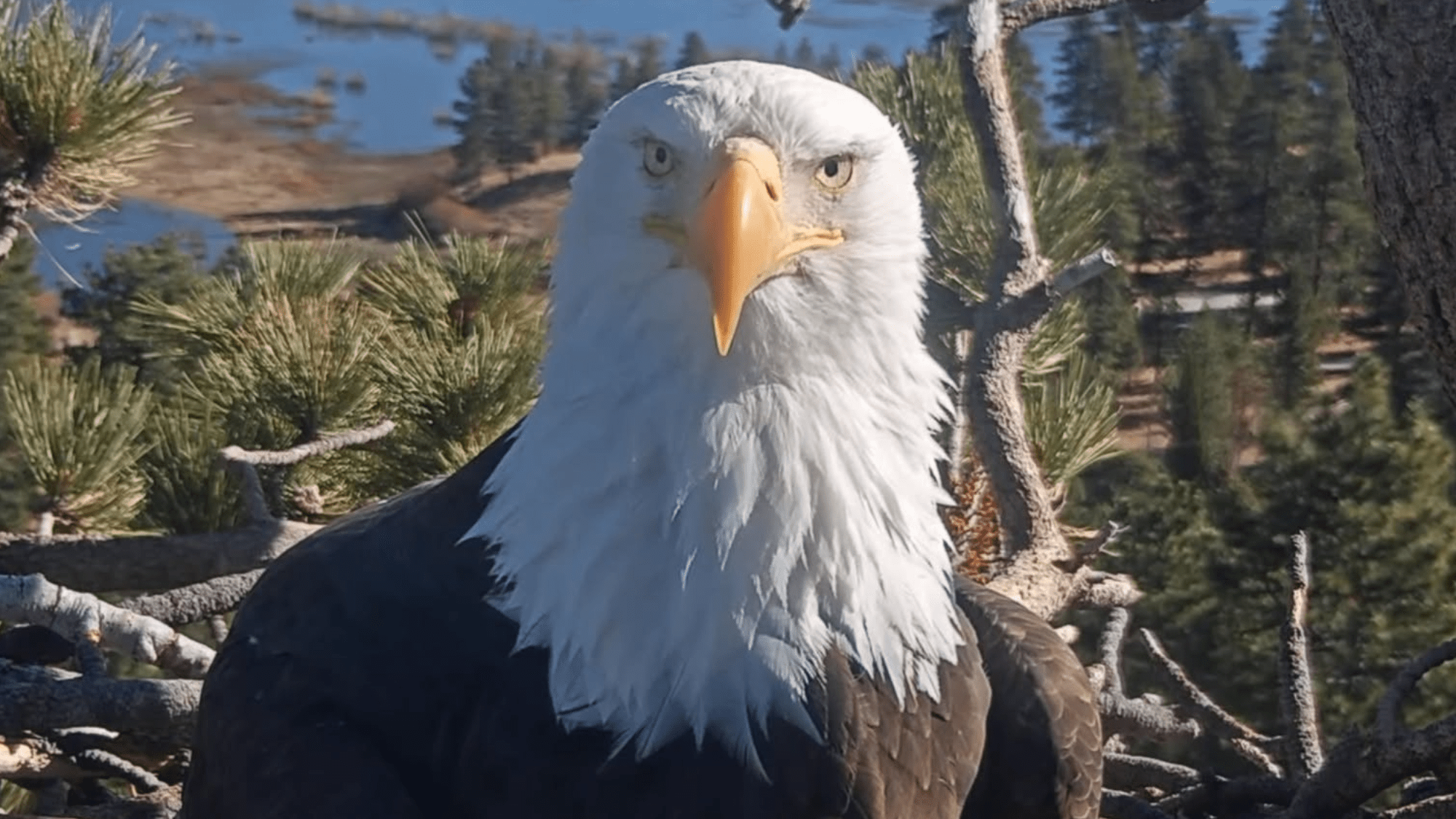
The 2026 nesting season for Jackie and Shadow has been a testament to their resilience and the public’s enduring fascination with these majestic birds. The pair, a fixture in the San Bernardino National Forest, has navigated significant challenges, demonstrating remarkable tenacity.
Their journey this year began with an early setback in January when two of their eggs were lost to ravens, a common predatory threat in the region. However, Jackie and Shadow soon laid two new eggs, which successfully hatched, bringing renewed hope and excitement to their dedicated fanbase. The first chick, later named Sandy, hatched on April 4 at 9:33 p.m. PDT, followed by Luna on April 5 at 8:30 a.m. PDT. The nonprofit Friends of Big Bear Valley (FOBBV) meticulously documents their growth through their 24-hour livestream, drawing millions of viewers into their world.
The naming of the eaglets, Sandy and Luna, was a community-driven event, reflecting the deep connection viewers feel with the avian family. This emotional investment underscores the broader significance of these live cams, which serve not only as educational tools but also as vital platforms for wildlife conservation awareness.
Understanding the Eaglet’s Journey: Challenges and Milestones
The period eaglets spend in the nest is critical for their development, typically ranging from 10 to 14 weeks. During this time, they face a gauntlet of natural threats. Rival raptors, including hawks, owls, and other eagles, pose a constant danger, as do opportunistic corvids like ravens. Harsh weather conditions can also be detrimental; a stark reminder of this occurred in 2025 when a severe March snowstorm tragically claimed the life of one of Jackie and Shadow’s three chicks.
The process of fledging, or leaving the nest, is also fraught with peril. It is estimated that only approximately 70 percent of bald eagle eaglets survive this crucial stage. Beyond natural predators, human-related dangers, particularly vehicular collisions, represent a significant threat. Eaglets, still developing their flight capabilities and often scavenging for food on roadsides, are particularly vulnerable to being struck by cars.
A Legacy of Love and Survival: The Jackie and Shadow Chronicle
Jackie and Shadow first formed their pair bond in 2018, marking the beginning of a significant chapter in the Big Bear Valley’s natural history. They have a proven track record of successful nesting, having raised chicks in 2019 and 2022. However, their journey has also been punctuated by periods of disappointment, with eggs failing to hatch in both 2023 and 2024. Given that only about 50 percent of bald eagle eggs typically hatch, their previous successes, and their continued dedication to nesting, are notable.
The 2025 nesting season presented a unique challenge. Jackie laid three eggs, all of which hatched. However, a powerful snowstorm in mid-March, bringing up to two feet of snow and high winds, proved devastating. Following the storm, only two chicks were visible on the live cam. FOBBV later confirmed the loss of one chick. The two surviving eaglets were named Sunny and Gizmo, following an extensive naming campaign that garnered over 54,000 submissions from fans worldwide, underscoring the immense public engagement with their story.
The Fledgling Phase: Independence and Exploration
The transition from nest to independent flight, known as fledging, occurs when young eagles reach approximately 10 to 14 weeks of age. This milestone is characterized by the development of strong flight feathers and the ability to fully extend their wings. Male eaglets typically take their first flight slightly earlier than their female counterparts.
Once they leave the nest, young bald eagles embark on journeys of exploration. Observations of fledglings from Southern California have documented them traveling extensively, with sightings reported as far south as Baja California, as far north as British Columbia, and as far east as Yellowstone National Park. This wide dispersal highlights the vast territories these magnificent birds inhabit and their remarkable navigational abilities.
However, the fledging phase is far from safe. As mentioned, only about 70 percent of bald eagles successfully navigate this period. A significant factor contributing to this mortality rate is the inherent danger of scavenging for food on roadsides, where they are at increased risk of vehicular accidents. Currently, FOBBV does not tag their eagles, which means that once the chicks fledge, their individual journeys cannot be tracked by the organization.
Community Support and Conservation Efforts
The story of Jackie and Shadow has transcended mere wildlife observation; it has galvanized a community dedicated to their protection and the preservation of their habitat. Environmental groups are actively campaigning to safeguard the eagles’ foraging grounds from encroaching development. A significant initiative, aiming to raise $10 million, is underway to protect these vital areas. Interested individuals can learn more and contribute to these conservation efforts by visiting SaveMoonCamp.org.
The rescue of Jackie serves as a poignant reminder of the delicate balance between wildlife and human impact. While the livestream has fostered a global appreciation for bald eagles, it also highlights the ongoing threats they face in their natural environments. The swift and effective response from rescue organizations, coupled with the vigilant monitoring by groups like Friends of Big Bear Valley, are crucial in ensuring the continued survival of iconic birds like Jackie and Shadow, and their legacy in the wild. The community now waits with bated breath for news of Jackie’s recovery, a testament to the profound connection forged through the lens of a livestream and the shared hope for the well-being of these extraordinary birds.
Related posts: