The Great Energy Realignment How the Conflict in Iran is Rewiring Global Power Systems

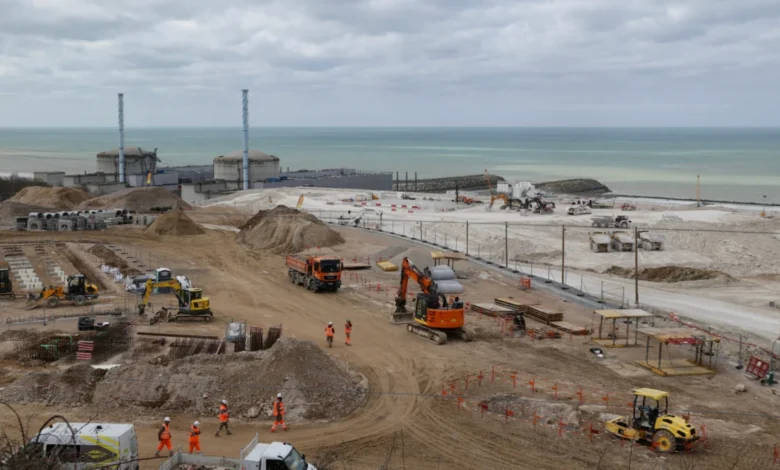
For nearly half a century, the scientific community and climate policy experts have maintained a singular, consistent prescription for the health of the planet: the rapid cessation of fossil fuel combustion. Despite decades of international agreements, from the Kyoto Protocol to the Paris Agreement, the transition has been historically sluggish. As of the mid-2020s, fossil fuels continued to account for approximately 80 percent of the world’s primary energy consumption. However, the geopolitical landscape shifted violently two months ago with the outbreak of war between Iran and a coalition led by the United States and Israel. This conflict, which began in early March 2026, has done what decades of diplomacy could not: it has forcibly decoupled the global economy from its reliance on Middle Eastern hydrocarbons, triggering the most significant energy crisis in modern history.
The catalyst for this transformation is the indefinite closure of the Strait of Hormuz. This narrow maritime chokepoint, through which 20 percent of the world’s petroleum and liquefied natural gas (LNG) flows, has been effectively blockaded by naval skirmishes and drone strikes. With no immediate resolution in sight, the resulting supply vacuum has plunged 25 nations into critical energy shortages, forcing a desperate re-evaluation of energy security that prioritizes domestic resilience over globalized commodity chains.
A Chronology of the 2026 Energy Shock
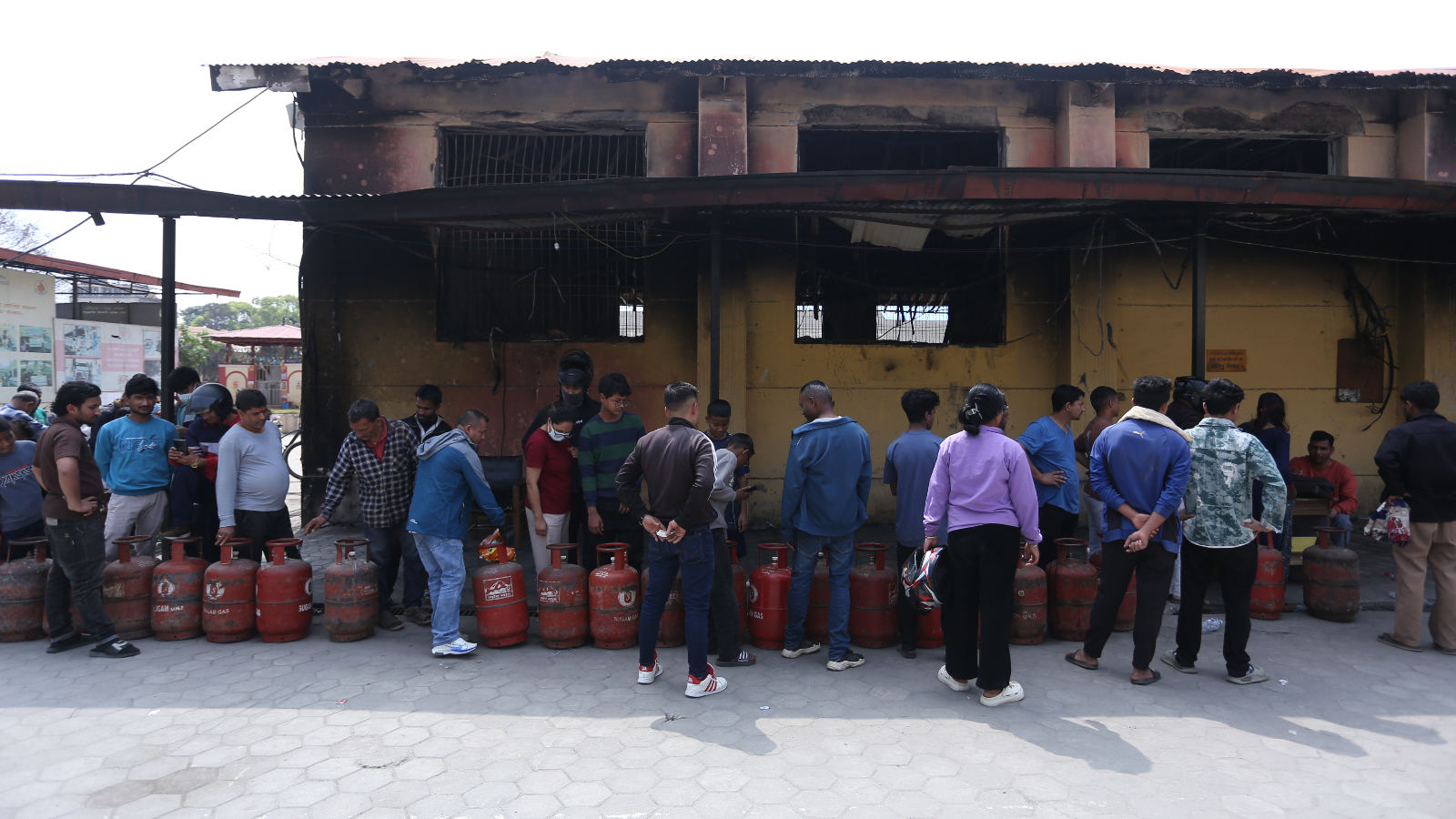
The crisis began in the first week of March 2026, following the commencement of military operations in the Persian Gulf. By March 10, insurance premiums for oil tankers reached prohibitive levels, effectively halting commercial traffic. On March 14, reports emerged from Nepal of citizens lining up for hours to receive partially filled canisters of liquefied petroleum gas, a scene that would soon be replicated across the developing world.
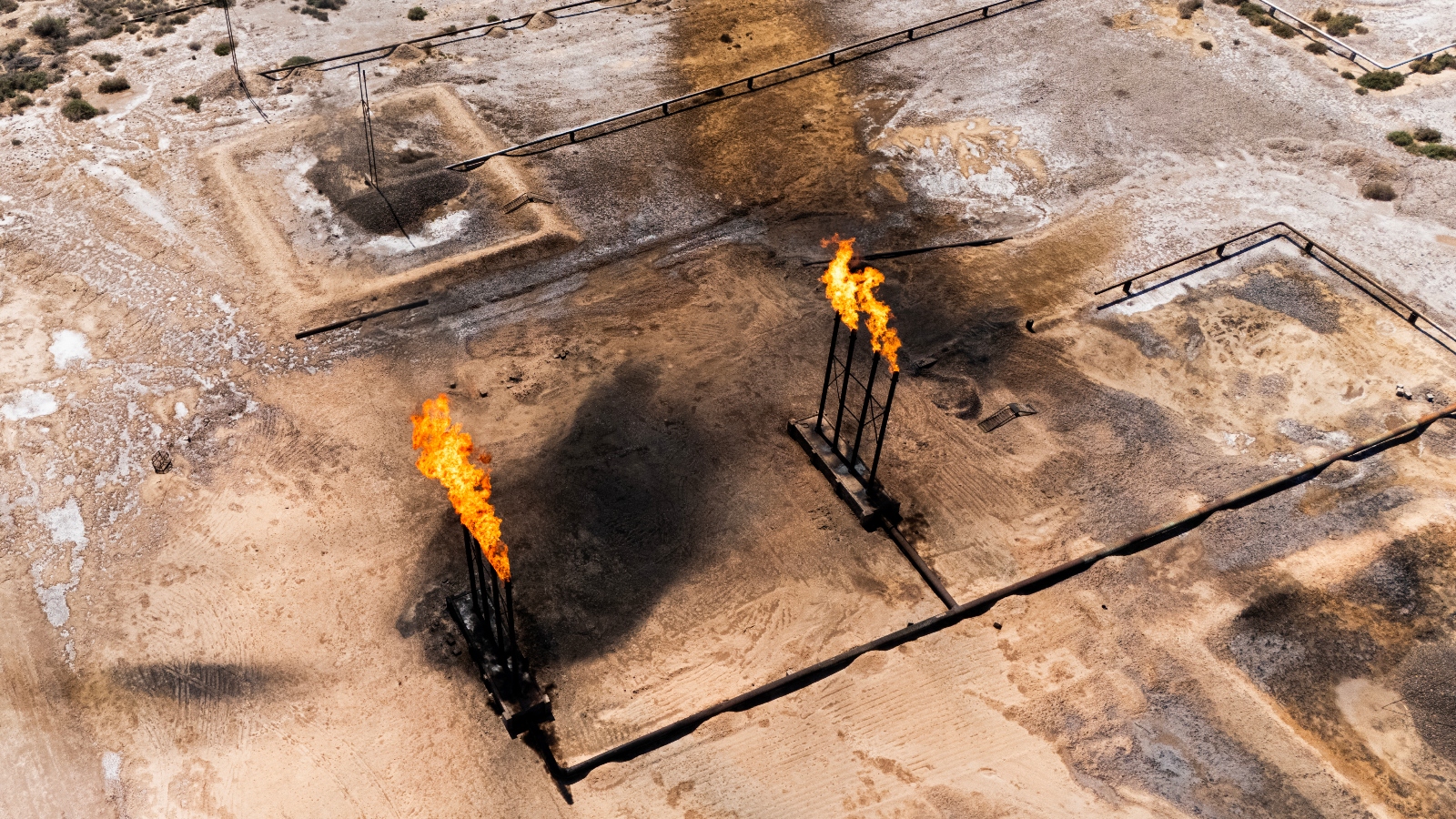
By early April, the secondary effects of the blockade began to cripple the transportation sector. Major carriers in Europe, Africa, and New Zealand, including Lufthansa and Air New Zealand, announced the cancellation of thousands of flights due to a lack of affordable jet fuel. In the United States, Spirit Airlines faced immediate liquidation threats as fuel costs spiked beyond sustainable operating margins.
In mid-April, the crisis moved from the pumps to the power grid. Industrial hubs in Japan, South Korea, and Singapore—which rely heavily on Qatari LNG—began implementing rolling blackouts and mandatory remote work policies. On April 20, the governments of several Southeast Asian nations mandated "energy austerity" measures, including higher thermostat settings in public buildings and the suspension of non-essential elevator use.
The Vulnerability of Natural Gas and the End of the Bridge Fuel Myth
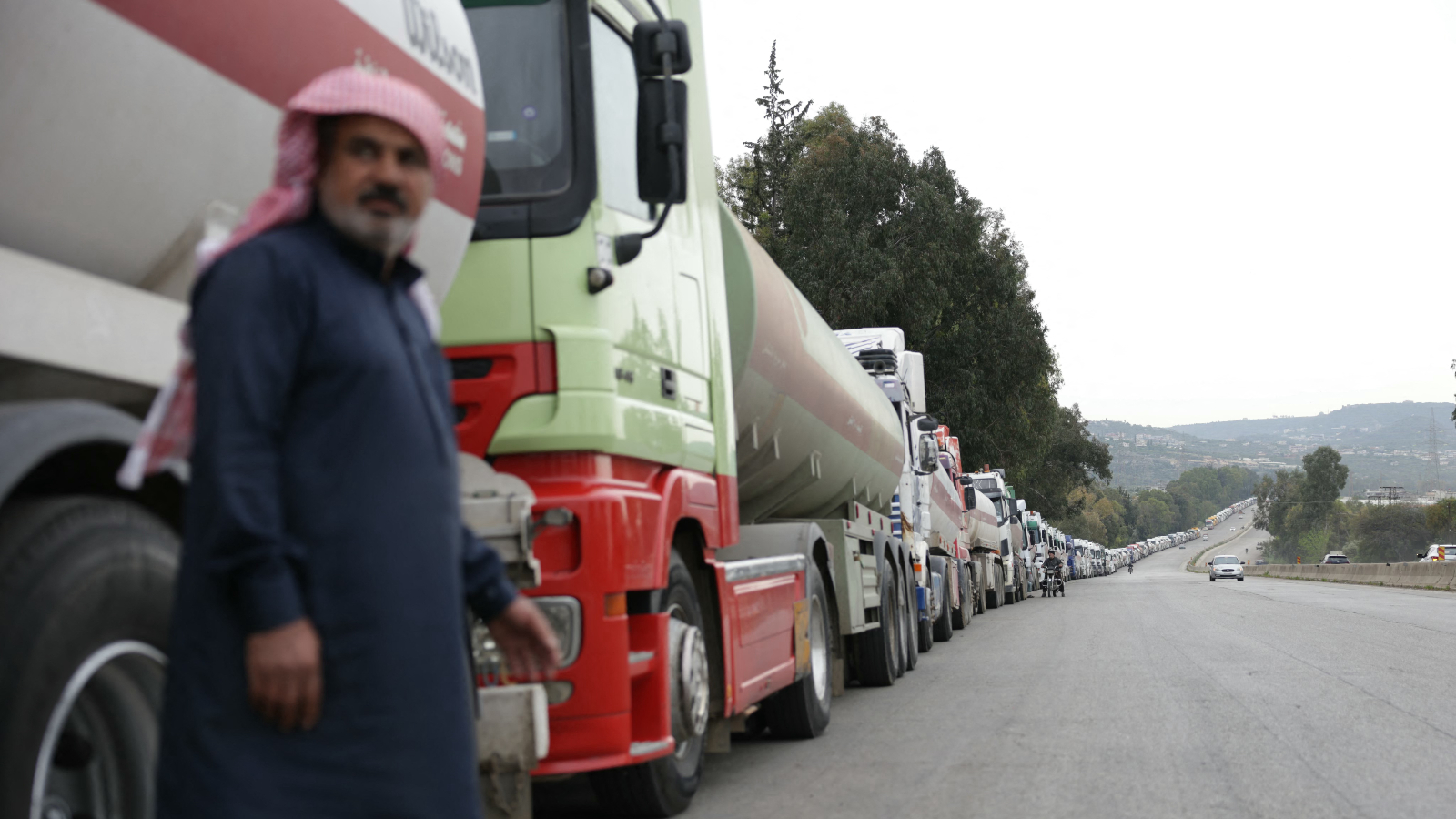
For years, natural gas was touted as a "bridge fuel"—a cleaner-burning alternative to coal that would facilitate the transition to renewables. The current conflict has exposed the structural fragility of this bridge. Unlike oil, which can occasionally be diverted via pipelines or trucked across borders (as seen with Iraq’s recent attempts to export oil through Syria), LNG requires massive, specialized infrastructure.
The blockade has particularly devastated Qatar’s export capacity. As one of the world’s top LNG producers, Qatar’s inability to move ships through the Strait of Hormuz has left its massive liquefaction plants idle. While the United States has attempted to ramp up its own LNG exports to fill the gap, the limitations of physical infrastructure have become a bottleneck. Liquefaction terminals take years to permit and build; existing American facilities are already operating at 100 percent capacity.
Anne-Sophie Corbeau, a researcher at Columbia University’s Center on Global Energy Policy, notes that the crisis has fundamentally altered the perceived reliability of gas. Importers are now questioning whether they want to remain exposed to a global market that can be paralyzed by a single regional conflict. This sentiment was echoed in Vietnam this month, where a planned 4.8-gigawatt LNG plant—the largest in the country—was abruptly canceled. In its place, the Vietnamese government has fast-tracked a massive wind and solar complex integrated with battery storage.
The Strategic Resurgence of Coal
In the short term, the loss of natural gas has led to a controversial "winner": coal. Because coal is more easily transported by rail and can be stockpiled in vast quantities on-site, it has become the default emergency backup for nations facing blackouts.
South Korea has recently lifted environmental restrictions that previously capped coal plant operations at 80 percent capacity, allowing its fleet to run at full throttle to maintain the grid. Similarly, Italy and several other European nations have announced the extension of coal plant lifespans by up to a decade. While this move is a setback for immediate carbon reduction goals, analysts suggest it is a temporary survival mechanism. Dinita Setyawati, an analyst for the energy think tank Ember, argues that the real question is how governments will balance this short-term security need with their long-term climate commitments.
The Solar and Battery Surge: Data-Driven Decarbonization
While coal provides a temporary floor for the energy market, solar energy and battery technology are experiencing an unprecedented boom. Unlike previous energy shocks, the 2026 crisis is occurring at a time when renewable technology is cheaper than fossil fuels in most of the world.
Recent data from March 2026 indicates that Chinese exports of solar components and batteries have reached record highs. China, the world’s dominant manufacturer of green technology, saw its battery exports rise by 44 percent in a single month. The flow of solar components to India surged by 6.6 gigawatts—a 150 percent increase—while exports to Africa rose by 176 percent. Nations like Nigeria, Kenya, and Ethiopia are leading this charge, viewing decentralized solar power as a way to insulate their economies from future global oil shocks.
In Europe, the demand for residential rooftop solar has tripled. Wholesalers report that the combination of high electricity prices and the fear of gas shortages has turned solar from an environmental choice into a financial necessity. The European Commission is currently drafting a proposal to be presented in Greece next month, which will likely mandate solar installations on all new commercial and public buildings by 2027.
The Nuclear Renaissance and Policy Reversals
Perhaps the most significant long-term shift is the rehabilitation of nuclear energy. For decades, nuclear power was sidelined in the West due to high costs and safety concerns. The Iran War has effectively ended that era of hesitation.
In Asia, where the reliance on Middle Eastern fuel is highest, the shift is most pronounced. Taiwan has formally applied to restart its Maanshan nuclear plant to compensate for lost LNG imports from Qatar. Japan, which has been cautiously restarting its nuclear fleet since the 2011 Fukushima disaster, recently signed a $40 billion deal with the United States to develop advanced small modular reactors (SMRs).
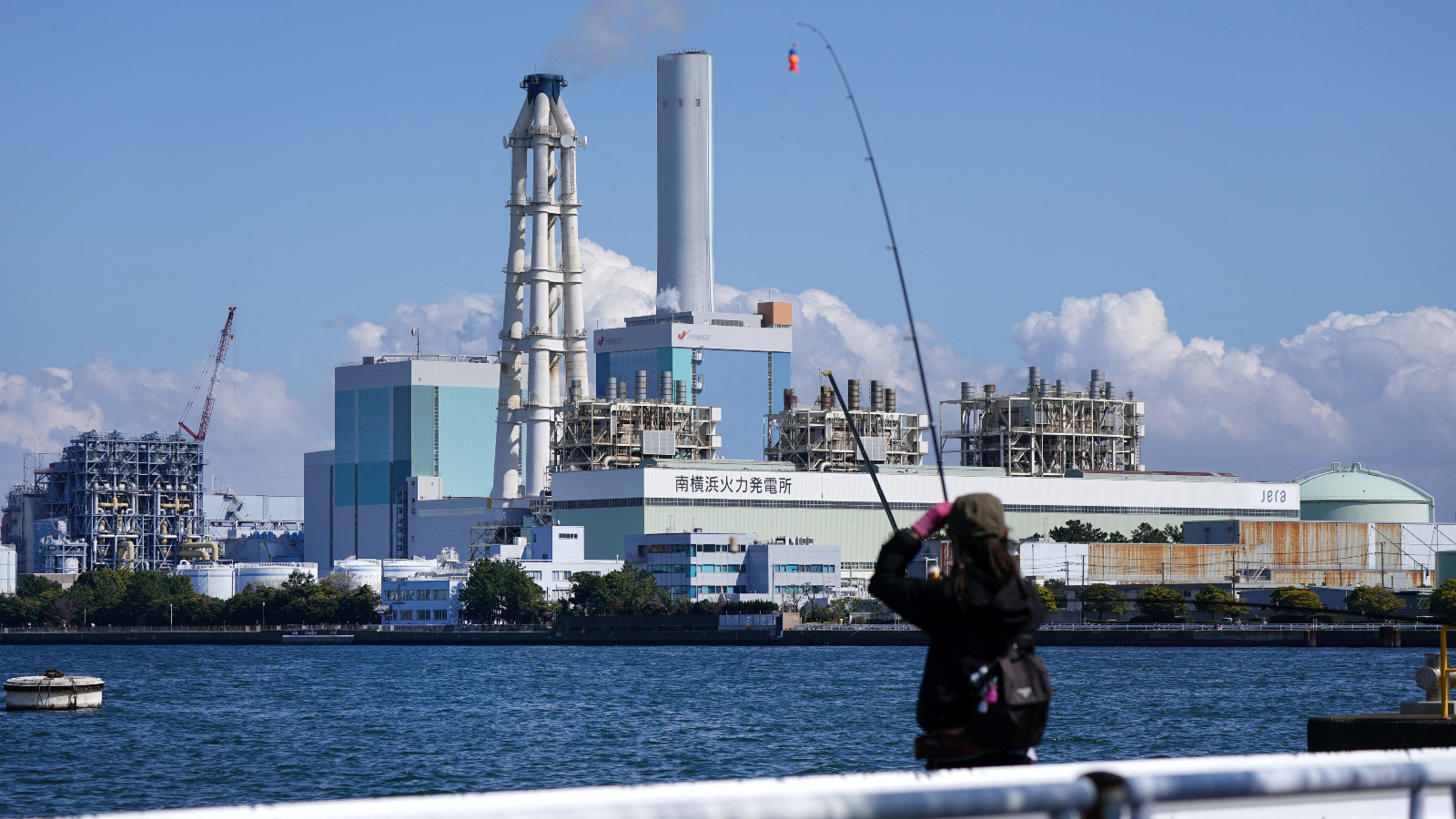
In Europe, the rhetoric has shifted from "decommissioning" to "preservation." European Commission President Ursula von der Leyen recently characterized the abandonment of nuclear power as a "strategic mistake." Belgium has already acted on this new consensus, halting all decommissioning activities and negotiating to take over reactors that were slated for closure by the utility Engie. Prime Minister Bart De Wever’s statement that "all decommissioning activities are being halted with immediate effect" signals a broader European trend toward viewing nuclear as a pillar of national security.
Broader Impact and Implications
The conflict in the Middle East has accelerated the transition to electric vehicles (EVs) as well. In the first 60 days of the war, EV sales in France and Germany jumped by 50 percent, while Brazil saw a staggering 200 percent increase. Governments are no longer just incentivizing EVs; they are mandating them as a matter of defense. Indonesia’s recent "Roadmap to Zero" policy is a direct response to the vulnerability of its oil supply chain.
The geopolitical implications are profound. The "petrodollar" era, defined by the exchange of Middle Eastern oil for global currency stability, is under extreme duress. As countries move toward localized renewable grids and nuclear power, the strategic importance of the Strait of Hormuz may eventually decline, but the transition period is proving to be incredibly painful.
At a special United Nations conference in Colombia this week, Selwin C. Hart, a special adviser to the Secretary-General, summarized the moment: "We now have a viable alternative. Renewables have changed the equation." While the war in Iran has caused immense human and economic suffering, it may ultimately be remembered as the tipping point that broke the world’s century-long addiction to fossil fuels. The energy system of 2030 will likely be far more fragmented, localized, and carbon-free than anyone predicted at the start of the decade. The chips are still falling, but the direction of the evolution is becoming clear: the age of fossil fuel dominance is being brought to a violent, necessary end.
Related posts: