The Diesel Crisis: How the Conflict in the Middle East is Reshaping the Global Energy Economy and Straining American Households

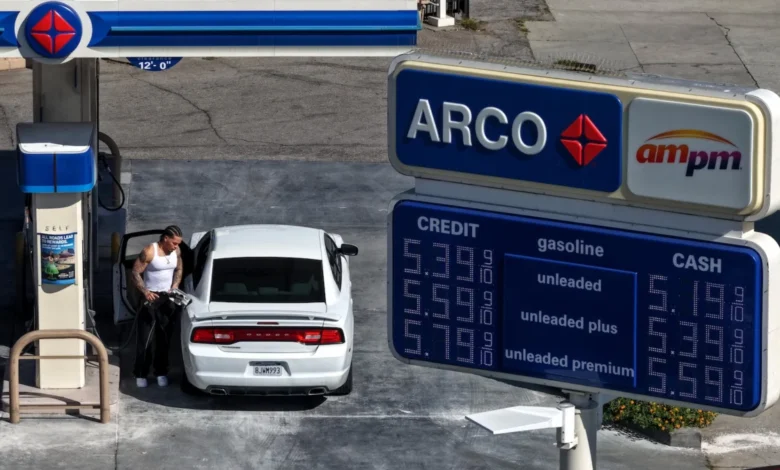
While the average American motorist often focuses on the fluctuating price of regular unleaded gasoline at the pump, a more quiet and potentially more damaging economic surge is occurring in the diesel market. As conflict in the Middle East escalates, the price of diesel—the lifeblood of the global supply chain—has surged at a rate that significantly outpaces gasoline, creating a multibillion-dollar vacuum in the American economy. New data released this week suggests that the strategic and industrial reliance on diesel is masking the true depth of the current energy crisis, with implications that extend far beyond the fuel tank of the average passenger vehicle.
Since the outbreak of hostilities involving the United States, Israel, and Iran in late February 2026, the global energy landscape has been thrown into a state of volatile uncertainty. According to a new tracking tool launched by researchers at Brown University’s Watson Institute for International and Public Affairs, the war has already cost American consumers a staggering $19 billion in added fuel expenses as of April 13. Perhaps most significantly, diesel fuel alone accounts for $9.4 billion of that total—nearly half of the entire economic burden—despite diesel vehicles making up a small fraction of the personal transportation sector. This represents an average added cost of approximately $71 per American household, a figure that hits consumers through increased prices for groceries, construction, and consumer goods.
A Chronology of Escalation and Market Volatility
The current energy crisis can be traced back to February 28, 2026, when targeted bombing campaigns in the Middle East triggered an immediate retaliatory response from Tehran. Within hours of the initial strikes, Iran moved to close the Strait of Hormuz, a narrow waterway that serves as the transit point for approximately one-fifth of the world’s total oil supply. The closure sent shockwaves through the global commodities markets, causing Brent crude and West Texas Intermediate (WTI) prices to spike in anticipation of a prolonged supply disruption.
Throughout March, diplomatic efforts to reopen the Strait met with repeated failure. While a brief two-week ceasefire was intended to allow for the passage of stranded tankers, the reality on the ground remained fraught with danger. Only a handful of vessels successfully transited the embattled waterway, as insurance premiums for maritime shipping in the region skyrocketed to prohibitive levels.
The situation reached a new nadir over the most recent weekend when high-level negotiations between the United States and Iran collapsed without a peace settlement. In response, the White House announced a formal blockade of Iranian ports effective Monday morning. This policy shift has once again driven oil prices upward, with the "spot price"—the cost to purchase a barrel of oil for immediate delivery—trending significantly higher than the "forward curve," which represents the price for future delivery. This discrepancy suggests that the immediate physical shortage of oil is more acute than what is currently being reflected in long-term market projections.
The Diesel Discrepancy: Why Prices Are Outpacing Gasoline
While gasoline prices have risen by a significant 38 percent since the start of the conflict, diesel has seen a much more dramatic increase of 54 percent. This disparity is rooted in both the chemistry of petroleum refining and the inelastic nature of industrial demand.
Patrick De Haan, head of petroleum analysis at GasBuddy, notes that each barrel of crude oil yields a fixed, limited amount of diesel compared to gasoline. When supply is constrained, the competition for those middle distillates becomes fierce. Furthermore, the timing of the conflict has exacerbated the price spike. The hostilities began on the heels of a particularly harsh winter in the American Northeast. In New England, heating oil—which is molecularly almost identical to diesel—is the primary source of residential warmth.
"Coming out of winter, heating oil consumption is naturally elevated," De Haan explained. "Because heating oil and diesel come from the same part of the barrel, that seasonal pressure was already there. The war essentially poured gasoline on a fire that was already smoldering."
Beyond refining constraints, the "elasticity" of demand plays a critical role. When gasoline prices rise, individual consumers can choose to carpool, take public transit, or cancel non-essential trips. This reduction in demand can eventually help stabilize prices. However, the industries that rely on diesel—trucking, freight rail, maritime shipping, agriculture, and heavy construction—do not have the luxury of simply "driving less." These sectors must maintain operations to keep the economy functioning, meaning they are forced to absorb higher costs and eventually pass them on to the end consumer.
The Invisible Inflationary Pressure
The impact of the diesel surge is often invisible to the consumer until they reach the checkout counter. Jeff Colgan, a political scientist at Brown University who helped develop the "Iran War Cost" dashboard, emphasizes that diesel is the fuel that truly powers the economic engine.
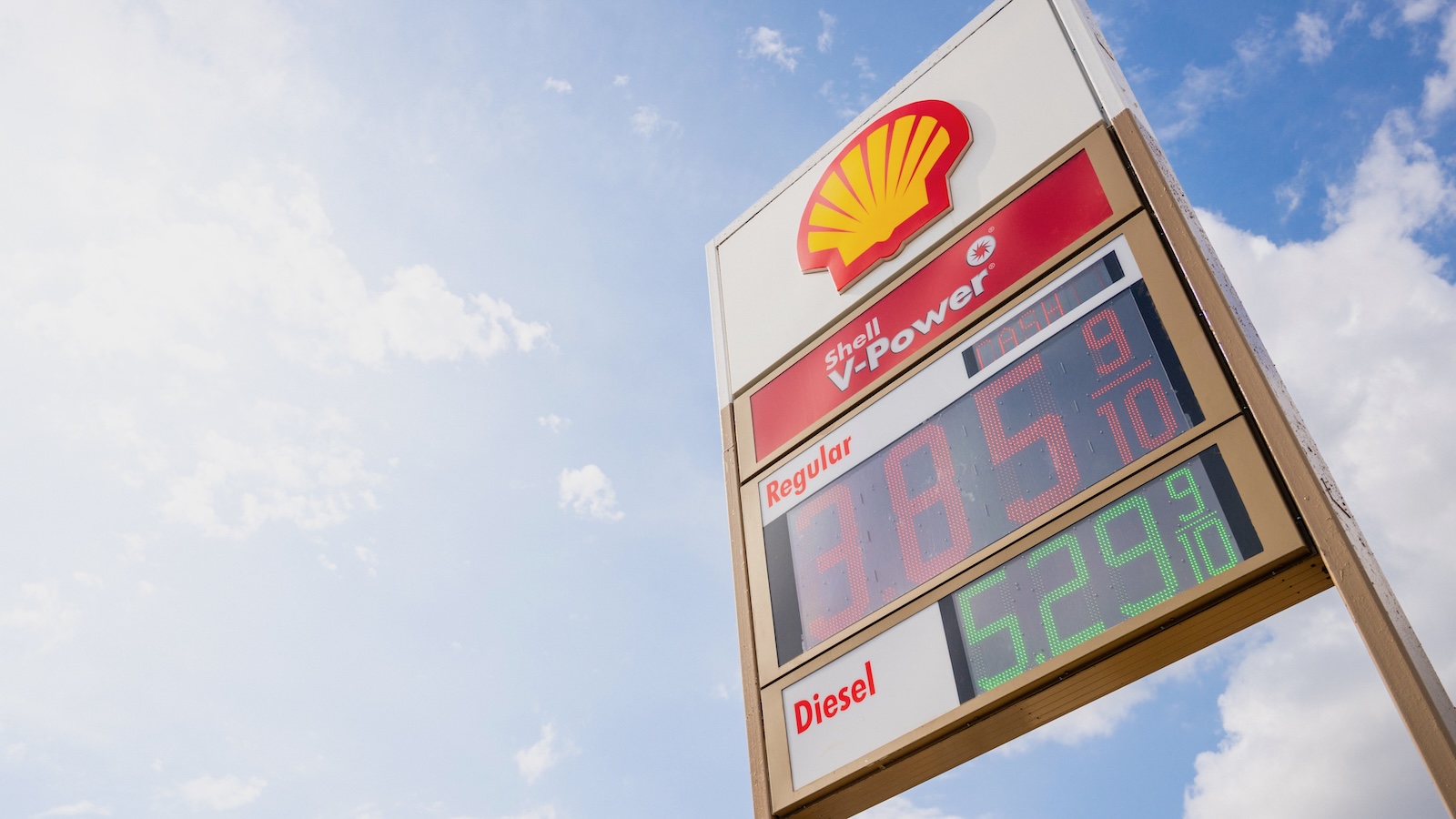
"You’re probably feeling it in ways you don’t realize," Colgan said. "Virtually every physical good in the United States, from the milk in your refrigerator to the lumber used to build your home, passes through a diesel-powered supply chain at some point. When the cost of moving those goods increases by 54 percent, that cost doesn’t just disappear. It manifests as inflation in every sector of the economy."
The Brown University data highlights that the $71 per household impact is a conservative estimate, as it primarily tracks direct fuel costs. The secondary effects—higher operating costs for farmers during the spring planting season and increased surcharges for shipping—could see that number rise significantly as the conflict persists.
Geopolitical Winners and the Market Outlook
As the Strait of Hormuz remains a contested bottleneck, the global oil market is undergoing a forced realignment. Not every nation is suffering equally from the price surge. According to analysts, the primary beneficiaries of the current crisis are oil-producing nations with export routes that bypass the Persian Gulf.
"The really big beneficiaries are the oil producers around the world that haven’t been locked in behind the Strait of Hormuz," Colgan observed. "Russia is by far the biggest one of them, along with the United States."
U.S. domestic oil production has reached record levels as shale producers in the Permian Basin and other regions ramp up operations to capitalize on high global prices. However, this increased production has not yet been enough to offset the loss of Middle Eastern supplies or to lower prices for domestic consumers, as oil remains a globally traded commodity.
Industry leaders remain cautious about the timeline for recovery. Mike Wirth, Chief Executive of Chevron, recently suggested that the market might be tighter than many realize. Speaking at a recent industry conference, Wirth noted that "physical prices and physical supplies would reflect a tighter market than I think the forward curve reflects." He warned that even if the Strait of Hormuz were to open tomorrow, it could take months to repair damaged infrastructure, clear the backlog of shipping, and allow the market to recalibrate to a new equilibrium.
Future Implications and Structural Challenges
Looking ahead, the energy market faces several new hurdles. Reports have surfaced that Iran may seek to impose "million-dollar tanker fees" for any vessel attempting to navigate regional waters in the future, a cost that would inevitably be passed down to consumers. Additionally, as the northern hemisphere transitions from the heating season into the summer driving season, the demand for gasoline is expected to rise, potentially narrowing the price gap between the two fuels.
However, the structural reliance on diesel remains a long-term vulnerability for the American economy. While the transition to electric passenger vehicles (EVs) is slowly reducing the nation’s dependence on gasoline, the electrification of heavy-duty trucking and industrial machinery is much further behind. This leaves the most critical sectors of the economy tethered to a fuel source that is highly sensitive to geopolitical instability.
For now, the focus remains on the immediate crisis. With peace talks stalled and the U.S. blockade of Iranian ports in full effect, the $19 billion cost to consumers is expected to grow daily. Analysts at GasBuddy and Brown University both suggest that until a diplomatic breakthrough is achieved or alternative supply routes are fully established, the "diesel tax" on the American household will remain a persistent and heavy burden.
As the summer months approach, the resilience of the U.S. economy will be tested. The ability of the industrial sector to absorb these costs without triggering a broader recession remains the central question for economists and policymakers alike. For the average driver, the lesson of the 2026 energy crisis is clear: the most important number at the gas station might not be the one they are putting in their own car, but the one powering the truck delivering the goods they buy every day.