Cappu Films Bolsters International Sales Slate with Red Bird and Step Back Doors Closing at TIFFCOM

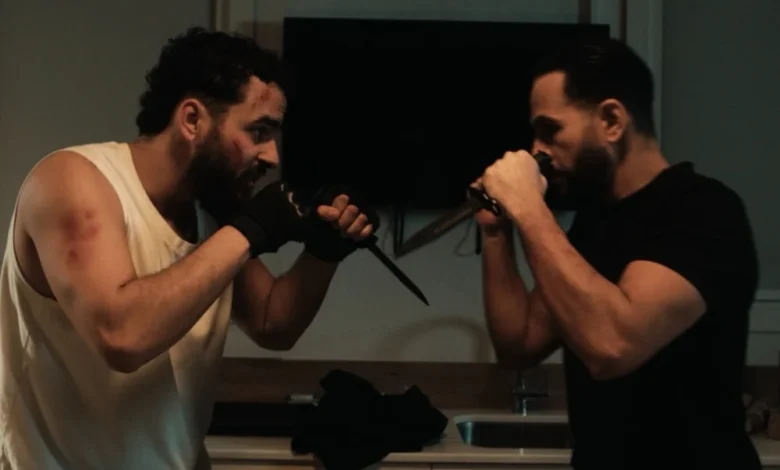
The Tokyo International Film Festival’s market, known as TIFFCOM, has once again cemented its position as a vital nexus for global cinematic trade, serving this year as the primary launchpad for two distinct independent features: the high-octane French action thriller Red Bird and the intimate American indie romance Step Back, Doors Closing. As international buyers converge on Tokyo, these two projects—represented by sales powerhouse Cappu Films—exemplify the diverse appetites of the global market, ranging from visceral, stunt-driven genre fare to character-centric narratives that rely on emotional resonance.
The market at TIFFCOM, which runs concurrently with the Tokyo International Film Festival, provides a platform for producers to bridge the gap between regional success and global distribution. For independent films, these markets are not merely about sales; they are critical for building brand equity and securing regional partnerships that allow smaller-budget films to compete with major studio output.
The Rise of Red Bird in the Global Action Circuit
Red Bird, directed by the collaborative trio of Alexandre Laugier, Thomas Habibes, and Houssam Adili, represents a burgeoning trend in French cinema: the elevation of stunt-heavy, independent action films. The directors, all of whom possess extensive backgrounds in the professional stunt and martial arts industries, have brought a grounded, visceral physicality to the project that distinguishes it from more polished, CGI-reliant Hollywood productions.
The film follows the character of Max, the son of a covert operative known only by the codename "Red Bird." Following the sudden and unexplained death of his father, Max, accompanied by his friend Sam, embarks on a high-stakes journey to uncover the truth behind his father’s past. The narrative structure is designed to facilitate rapid-fire stunt sequences, utilizing the urban landscape of Marseille as both a playground and a character in its own right.
The film, produced by SOUTHfilms, saw its initial release in French cinemas in January. The transition from a domestic theatrical run to an international sales slate is a testament to the film’s broad commercial appeal. Cappu Films has already secured a significant deal for the CIS region—covering Russia and several former Soviet states—through Kinologistika LLC. This early success signals that the appetite for stylized, gritty action remains robust in emerging markets where local audiences prioritize clear, high-energy storytelling.
Janice Woo of Cappu Films noted that the film’s efficacy lies in its authenticity. "Red Bird brings the energy of its filmmakers and stunt team directly to the screen," Woo stated. "The choreography is not just window dressing; it is the engine of the plot. We are pleased to have secured a CIS deal and look forward to introducing the film to more distributors in Tokyo."
The Emotional Resonance of Step Back, Doors Closing
Contrasting sharply with the kinetic intensity of Red Bird is the American indie romance Step Back, Doors Closing. Written and directed by Carter Ward, the film serves as an intimate exploration of urban connection. The story centers on Ryan and Julisa, two strangers who meet on a Washington, D.C. Metro train. Over the course of a single, transformative 24-hour period, the duo navigates the city, engaging in the kind of vulnerable, existential dialogue that has become a staple of successful independent romances.
The film stars Carmen Berkeley and Reilly Walters, with supporting performances by Michelle Macedo, Ashley Romans, and Mershad Torabi. Produced by Ward, Jane Hollon, and Kathryn Crabtree under the Arden Pictures banner, the film previously premiered at the 2024 edition of the Dances With Films festival in Los Angeles. Following that festival run, Freestyle Digital Media secured the rights for the United States, Canada, and the Caribbean.
TIFFCOM now represents the next phase for the film: the pursuit of international distribution partners in Europe, Asia, and Latin America. The film’s focus on the "meet-cute" and the life-altering potential of a single weekend is a classic trope, yet one that remains highly marketable in global territories where character-driven dramas often find dedicated niche audiences.

"I could not be more proud or excited to partner with Cappu Films," said Ward. "Their support means the world not only to myself, but our entire cast and crew. We can’t wait for international audiences to see the version of Washington, D.C. we know and love. One where meet-cutes are still possible, and single weekends can change the trajectory of our lives forever."
The Strategic Importance of TIFFCOM
TIFFCOM is one of the few markets in the Asia-Pacific region that balances the commercial requirements of major Asian distributors with the needs of Western independent sellers. For firms like Cappu Films, which manages a diverse library ranging from horror and fantasy to the restoration of Hong Kong cinema’s golden era, the market is essential for diversifying risk.
The current market landscape is characterized by a significant shift in how independent films reach audiences. The rise of streaming platforms has forced traditional sales agents to be more strategic about which territories they hold back for theatrical release versus which ones they license to digital-first platforms. By attending TIFFCOM, Cappu Films is leveraging the high concentration of regional buyers to secure deals that might be missed in larger, more chaotic markets like the American Film Market (AFM) or the European Film Market (EFM) in Berlin.
Market Context and Historical Trends
Independent film sales have undergone a period of intense volatility since 2020. The temporary collapse of the theatrical window during the pandemic forced a pivot toward digital-first distribution. However, 2024 and 2025 have seen a marked resurgence in the demand for mid-budget, high-concept genre films, as well as character-driven dramas.
Red Bird and Step Back, Doors Closing represent the two pillars of this recovery:
- Genre Fidelity: Action films with clear, linear narratives and high production value (despite low budgets) remain the "gold standard" for international television and digital syndication.
- Niche Romantic Dramas: Despite the dominance of blockbusters, the "indie romance" sub-genre continues to thrive on streaming platforms where data analytics show a high repeat-viewing rate for character-led narratives.
The inclusion of these two titles in the Cappu Films catalog reflects a broader trend within independent film distribution: the "curated slate" approach. Instead of flooding the market with dozens of titles, sales agencies are increasingly focusing on a smaller number of projects that have already proven themselves at festival circuits or domestic releases. This de-risks the acquisition process for buyers who are increasingly wary of "untested" independent content.
Future Implications for Independent Producers
For filmmakers like Ward and the team behind Red Bird, the partnership with an established agent like Cappu Films is the most critical hurdle to clear after the production wraps. Without the international footprint provided by a sales agency, even a well-made film can languish in the "festival graveyard," where it receives critical acclaim but fails to reach a paying audience.
As TIFFCOM concludes, the performance of these two films will likely serve as a barometer for the health of independent cinema in the coming year. If these titles can secure widespread distribution across Asian and European markets, it will confirm that the appetite for independent storytelling remains as global as the industry itself.
Cappu Films, through its history of managing diverse content—from classic Hong Kong cinema to contemporary Western horror—has demonstrated an ability to match product with geography. Their presence in Tokyo is a reminder that while the delivery mechanisms for film have changed, the fundamental need for human-led, narrative-driven content remains a cornerstone of the global media economy. As the industry moves toward 2026, the success of these two films will likely be watched closely by independent producers looking for a blueprint to navigate an increasingly complex international marketplace.
Related posts: