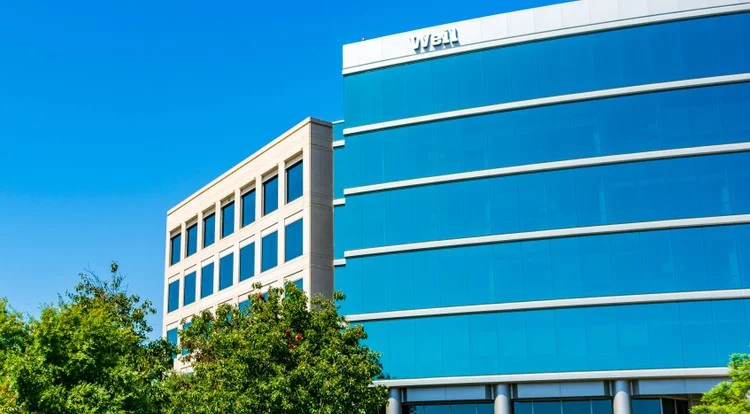
The legal industry is witnessing one of the most staggering collapses in modern corporate history as partners at Weil, Gotshal & Manges have overwhelmingly voted to dissolve the nearly century-old institution. Following a formal ballot finalized in November 2026, an astounding 97% of the firm’s partners approved the decision to wind down operations. This definitive vote arrives approximately two weeks after the firm’s management committee initially recommended the dissolution on October 28, bringing a sudden and dramatic halt to the legacy of a powerhouse that once defined elite Wall Street lawyering.
The historic winding-down process is now underway, guided by a specialized three-person dissolution committee tasked with steering the firm through its final chapters. To manage the intricate financial logistics, Weil Gotshal has enlisted restructuring officers from the renowned management consulting agency AlixPartners, alongside legal counsel from Davis Polk & Wardwell. Meanwhile, longtime executive chair Barry Wolf has agreed to remain onboard through the end of the year as a special consultant, extending his oversight into 2027 should the complex liquidation process require additional time.
The Immediate Wind-Down Strategy: Creditors and Receivables
According to reports from Law.com, the immediate operational focus for Weil Gotshal’s leadership and its restructuring consultants centers on two core financial objectives: paying off remaining creditors and aggressively collecting outstanding receivables. Primary among these creditors are the landlords holding the leases on the firm’s lucrative office spaces across major global financial hubs.
As the firm liquidates its physical and financial footprint, the administrative team must balance outstanding liabilities with incoming capital. This meticulous accounting process is vital to ensuring an orderly closure that minimizes fallout for junior staff, administrative personnel, and remaining trade creditors. However, the operational bandwidth of the firm has been severely constrained by a massive talent drain that preceded the formal dissolution vote.
Even as the firm moves to settle its debts, its remaining high-performing assets are being rapidly absorbed by competing legal giants. Matt Barr, Weil Gotshal’s restructuring chair, along with several key bankruptcy partners, has been locked in advanced negotiations to join Skadden, Arps, Slate, Meagher & Flom. The potential migration of Barr and his team would strip Weil Gotshal of one of its last remaining elite revenue-generating groups. Neither Barr nor representatives from Skadden have responded to public requests for comment regarding the imminent transition.
Anatomy of a Collapse: The 2026 Partner Exodus
Barr’s prospective departure represents the final chapter in an unprecedented partner exodus that ultimately crippled the once-venerated Wall Street firm. Industry analysts and legal observers point to a disastrous 2026 as the tipping point for Weil Gotshal. Throughout the year, the firm experienced a hemorrhaging of talent, losing nearly 50 lateral partners in a matter of months.
Industry sources estimate that these departures stripped the firm of at least $500 million in recurring business and client billings. This catastrophic loss of human capital and portfolio revenue created an insurmountable financial deficit. The compounding effect of partner defections—driven by fears over the firm’s long-term viability and lucrative offers from rival institutions racing to absorb displaced practitioners—created a self-fulfilling prophecy of decline.
Rival law firms engaged in what can only be described as a high-stakes rescue mission, aggressively courting Weil Gotshal’s premier legal talent before the formal dissolution vote was even cast. This competitive poaching accelerated the firm’s internal destabilization, leaving management with few viable alternatives to a complete and orderly wind-down.
A Timeline of the Fall
To understand how a pillar of the American legal establishment unraveled so rapidly, it is necessary to examine the chronological progression of events that led to the November 2026 dissolution vote.
- Early 2026: Cracks begin to show internally as high-profile lateral partners express concern over firm compensation structures, strategic direction, and shifting profitability metrics across key practice groups.
- Spring and Summer 2026: The partner exodus accelerates. Throughout the spring and summer months, nearly 50 partners depart for competing Am Law 100 firms, taking an estimated $500 million in client business with them.
- October 28, 2026: Recognizing the untenable financial reality and the irreversible loss of core revenue generators, Weil Gotshal’s management committee officially recommends that the partnership vote to dissolve the firm.
- Late October to Early November 2026: Rival law firms circle remaining groups—particularly the restructuring and bankruptcy practices—initiating aggressive talks to absorb teams before the operational closure is finalized.
- November 10, 2026: Law.com breaks the news that partners have formally scheduled and conducted the vote.
- November 11, 2026: The partnership vote is officially finalized with a resounding 97% approval rating, triggering the formal wind-down process overseen by the three-person dissolution committee, AlixPartners, and Davis Polk & Wardwell.
Historical Context and Legacy of Weil, Gotshal & Manges
Founded nearly a century ago, Weil, Gotshal & Manges built its stellar reputation on high-stakes corporate counseling, sophisticated litigation, and world-class restructuring and bankruptcy practices. For decades, the firm stood comfortably among the elite tier of Wall Street institutions, advising Fortune 500 corporations, sovereign entities, and financial titans through some of the most complex economic landscapes in modern history.
The firm played a definitive role in shaping American corporate restructuring law, steering massive, high-profile corporate bankruptcies and orchestrating monumental mergers and acquisitions. Its attorneys were routinely recognized as industry leaders, and bearing the Weil Gotshal name on a resume was considered a definitive badge of legal excellence.
The suddenness of its dissolution underscores the shifting dynamics of the modern legal marketplace. In an era defined by hyper-mobility among lateral partners, massive compensation disparities, and fierce competition for elite book-of-business generators, even century-old institutions are vulnerable to rapid destabilization if key revenue streams are disrupted.
Broader Industry Implications and Analysis
The collapse of Weil Gotshal sends shockwaves through the global legal sector, prompting urgent conversations regarding firm governance, partner loyalty, and structural resilience. Legal analysts note that this event may serve as a watershed moment for how major law firms manage internal dissent, partner compensation, and financial transparency.
For years, the legal industry has trended toward a corporate model where star partners command immense leverage. When a firm experiences a localized crisis or a series of high-profile departures, the collective model can fracture rapidly. The speed with which Weil Gotshal went from experiencing partner attrition to total structural collapse demonstrates that institutional loyalty has largely taken a backseat to individual portability in the upper echelons of big law.
Furthermore, the wind-down process will set a precedent for how large-scale legal liquidations are handled in the current economic climate. The involvement of specialized restructuring agencies like AlixPartners highlights the corporate rigor now required to unwind a massive professional services firm—addressing commercial real estate liabilities, untangling client retainers, managing professional liability insurance tails, and ensuring ethical handoffs of active litigation matters to new counsel.
As the final administrative hurdles are cleared and the remaining attorneys find homes at competing firms like Skadden, the legal community is left to reflect on the end of an era. The dissolution of Weil, Gotshal & Manges will be studied in law schools and business boardrooms alike as a cautionary tale of how quickly market pressures, talent mobility, and financial headwinds can dismantle even the most entrenched corporate legacy.
Related posts: