From Seminary Dropout to Flying Adoption Lawyer: The Extraordinary Career of Robert Noone

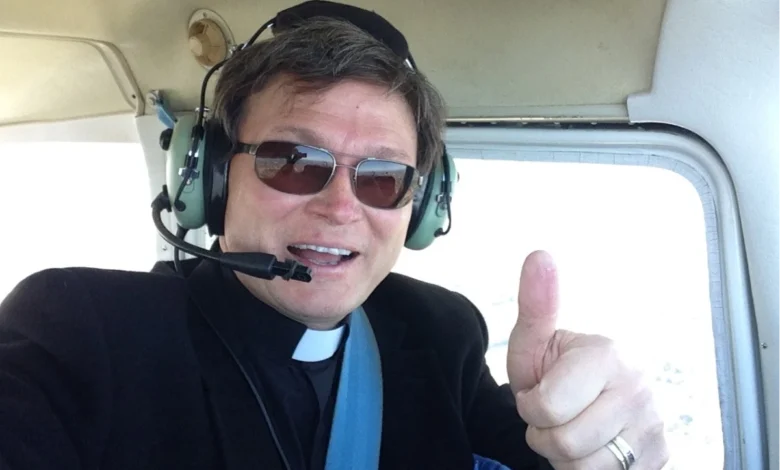
Robert Noone never intended to practice family law, let alone spend over four decades shaping the legal landscapes of West Virginia and Alabama. His journey to becoming one of the region’s most prominent adoption attorneys is as unconventional as his current practice. It weaves together threads of social justice, the clergy, rock-and-roll guitar playing, and aviation. Today, at 69 years old, Noone remains a towering figure in juvenile and adoption advocacy, recently making headlines not for retirement, but for gifting his 5,000-square-foot office building to a statewide children’s advocacy nonprofit.
This comprehensive profile explores Noone’s remarkable career trajectory, the socio-legal evolution of child welfare and family law in Appalachia, and the lasting legacy of a lawyer who trades traditional office spaces for virtual practice, airplane cockpits, and the occasional musical stage.
The Early Years: From the Priesthood Path to Appalachia Activism
Noone’s professional ethos was forged during the turbulent social movements of the 1970s. His early life pointed decisively toward a future in the Roman Catholic clergy. He attended St. Mary’s Seminary in Baltimore, progressing through minor and college seminaries while preparing for theological studies. However, the intellectual climate of the era—which encouraged critical questioning of traditional institutions—prompted Noone to reevaluate his path.
"The Catholic education back in the liberal days, they tell you to question everything," Noone recalls. "And I think I questioned myself right out of a religion."
Rather than abandoning his commitment to public service, Noone pivoted toward direct community action. He began working with an order of Jesuits assisting residents in the economically distressed region of Appalachia. His work focused heavily on grassroots community organizing and voter registration issues. It was the Jesuit priests on the ground who recognized Noone’s sharp advocacy skills and suggested a new path: instead of entering the priesthood, he should attend law school to wield a more potent tool for systemic social change.
Taking their advice, Noone enrolled at the West Virginia University College of Law. To fund his legal education and living expenses, he tapped into a lifelong passion for music, playing guitar in local bars. Balancing late-night musical gigs with rigorous legal studies, Noone graduated in 1983, officially entering a profession that would consume the next four decades of his life.
Building a Practice: Labor Law, Juvenile Defense, and the Birth of an Advocate
Following his graduation from law school, Noone initially cut his teeth in traditional civil practice. He joined the firm Crandall & Pyles, where he focused on labor law and personal injury litigation. Though he eventually made partner, the corporate structure and financial realities of the firm left him unfulfilled. Reflecting on his early partnership days, Noone notes candidly that he was likely paid less than his secretary.
A turning point arrived when a local judge pulled him aside. Observing Noone’s courtroom demeanor and empathetic approach, the judge offered career-altering advice: "Bob, I’ve watched you for a while. It’s time for you to, you know, venture out on your own."
Bolstered by that judicial vote of confidence and encouragement from peers, Noone launched his own practice, Robert Noone Legal Services, in 1989. The move marked a definitive shift toward child advocacy. Operating his independent firm, Noone took on harrowing and complex juvenile cases. He served as a guardian ad litem in severe abuse and neglect proceedings, representing children whose voices were frequently lost in bureaucratic and judicial mazes. Simultaneously, he worked as a juvenile defense attorney, handling cases that spanned the full spectrum of the juvenile justice system—from truancy matters to catastrophic crimes committed by minors.
Over the years, Noone’s practice evolved alongside the changing legal needs of the region. While his early docket was heavy with delinquent defense and dependency cases, he increasingly gravitated toward the more redemptive aspects of family law: child adoptions.
The Transition to Adoption Law and the Toll of Child Welfare Work
The transition from general juvenile defense and guardian ad litem work to specialized adoption practice was born of emotional exhaustion. For decades, Noone stood on the front lines of the child welfare crisis in Appalachia, bearing witness to unimaginable family trauma, neglect, and systemic failure.
"You get to that point where you hear your last sad story," Noone explains. "That mother who wouldn’t see her kid because, oh, she forgot to go pee in a jar. And I hit that point a few years back, and I decided I’m just going to help put kids in homes."
That realization crystallized a singular focus. Today, operating alongside a dedicated team of attorneys, Noone concentrates almost exclusively on adoption services across West Virginia and Alabama. By his own conservative estimates, when counting the adoptions supervised through his growing practice—which now includes two additional attorneys—Noone’s legal career has helped facilitate a staggering total of over 2,000 adoptions.
Navigating the adoption landscape in the American South, however, comes with its own unique set of legal and statutory hurdles, particularly regarding non-traditional families.
Navigating Complex Regional Adoption Laws
Adoption law varies dramatically by jurisdiction, and Noone’s cross-border practice between West Virginia and Alabama exposes him to starkly contrasting statutory frameworks.
In West Virginia, Noone handles adoptions for a diverse array of family structures, including same-sex couples and single parents. However, navigating these waters requires meticulous legal maneuvering. Noone points out the ambiguities in state statutes that explicitly authorize single-parent adoptions or joint adoptions by married husbands and wives, but leave interpretive gray areas for unmarried couples or diverse household configurations.
The situation grows even more complex in Alabama, where the legislative landscape has occasionally leaned into restrictive statutory interpretations. Noone highlights specific legislative hurdles, noting instances where state statutes have enacted provisions that complicate the adoption process for unmarried individuals or restrict certain configurations of single-parent applicants. Despite these headwinds, Noone leverages decades of procedural expertise to secure legal permanence for children, ensuring that love and stability override bureaucratic roadblocks.
Redefining the Modern Law Office: The Genesis of the Noone ChildLaw Center
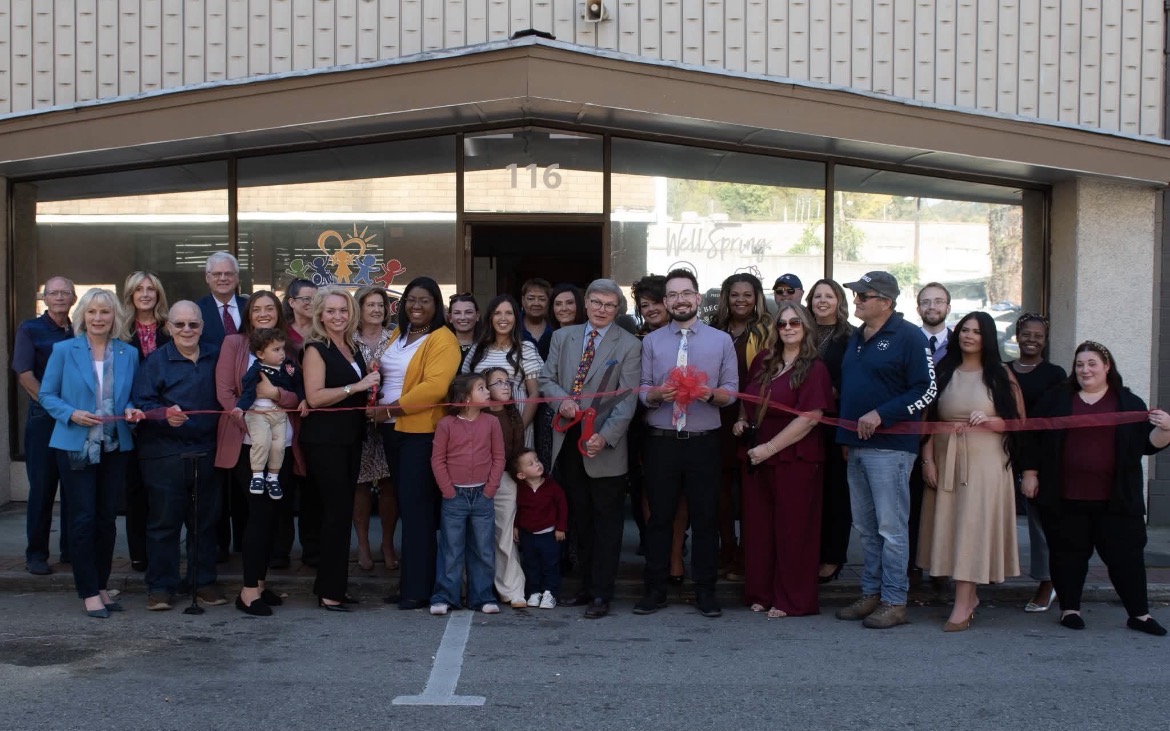
In 2024, Noone executed a monumental real estate and philanthropic maneuver that signaled not a retirement, but a structural reinvention of his practice. After operating out of a sprawling 5,000-square-foot brick building in Logan, West Virginia, for years, Noone made the decision to sign over the building’s deed.
He heavily renovated the expansive facility to suit the specific operational needs of a new tenant: ChildLaw Services Inc.
ChildLaw Services is a prominent statewide nonprofit law firm that operates exclusively on behalf of children. The organization provides essential legal representation in juvenile defense, guardianship proceedings, and dependency cases, while concurrently offering vital life skills and educational programming. The newly minted facility was formally named the Noone ChildLaw Center for Children and Teens in honor of his foundational contributions to youth advocacy in the state.
The transition also mirrored Noone’s own shift toward a modern, highly mobile practice. Having collaborated closely with ChildLaw Services on various child advocacy initiatives over the decades, Noone transitioned into what he playfully calls a "virtual lawyer." Embracing cloud-based practice management, digital filing, and secure video conferencing, Noone conducts a vast majority of his legal operations online. Rather than requiring clients to travel to a traditional brick-and-mortar office, Noone meets families directly in their homes, at local spots, or even via remote digital platforms.
Monica Holliday, executive director of ChildLaw Services, emphasizes the deep collaborative bond that led to the establishment of the center. "He has always had a love and heart for children, so we’ve teamed up over the years on projects. He’s been a good friend," Holliday notes.
Beyond legal representation, the Noone ChildLaw Center houses specialized support structures for young parents and infants, including the facility’s Baby Boutique, which provides material resources and educational aid to families in need.
Beyond the Courtroom: Private Aviation, Band Performances, and Ministerial Duties
To understand Robert Noone is to understand a Renaissance man whose interests stretch far beyond the confines of civil procedure and statutory interpretation. When he is not drafting adoption petitions or counseling prospective parents, Noone maintains a robust slate of eccentric and community-oriented hobbies.
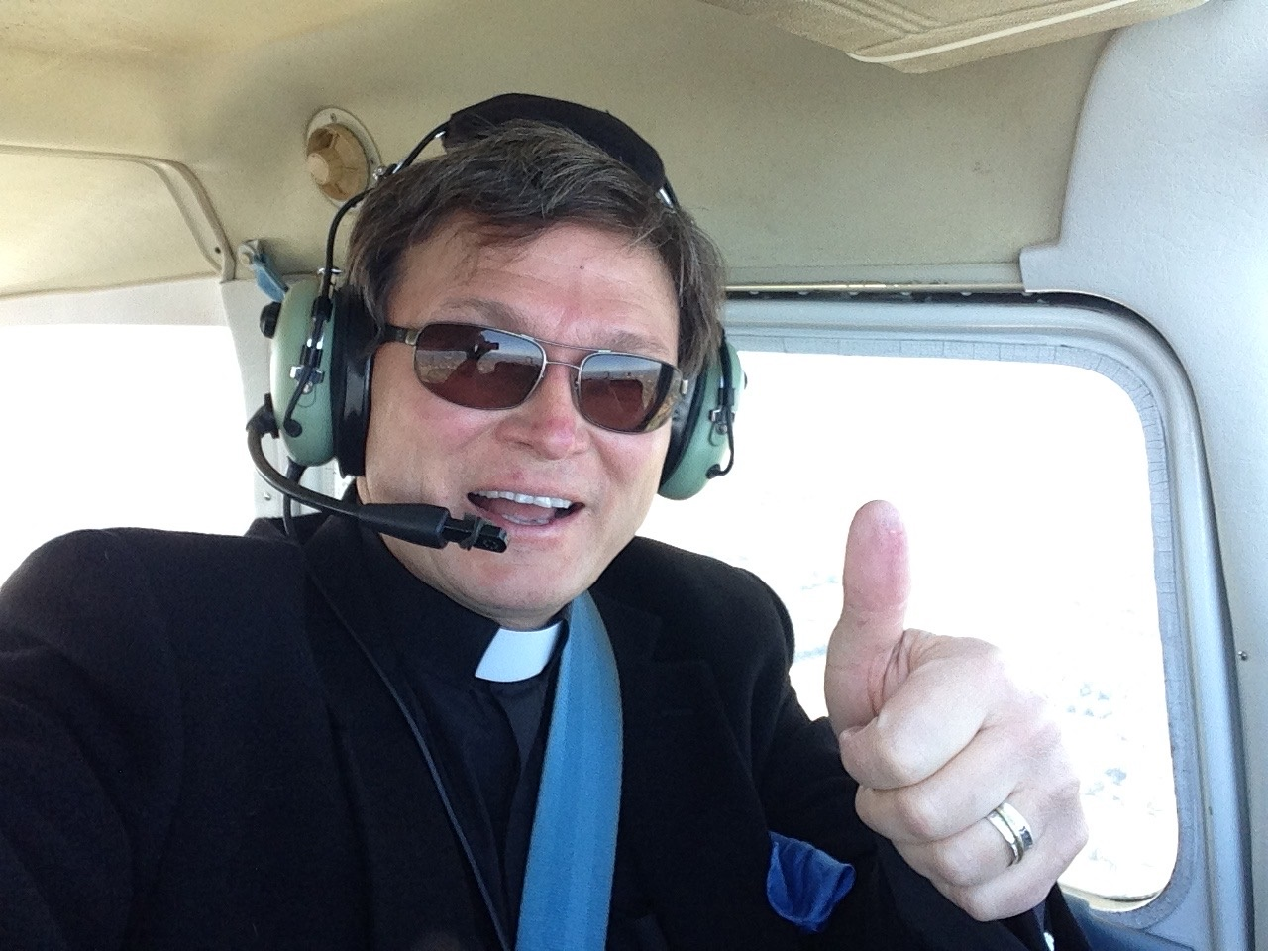
A licensed private pilot, Noone’s aviation skills have frequently crossed paths with his professional and personal life. In the years following the historic legalization of same-sex marriage, Noone—who is also legally licensed to perform marriage ceremonies—utilized his pilot’s license and legal credentials to officiate weddings across the region.
"I would meet people at airports and perform them there, but also I did a lot just in my office," Noone recalls. Rather than treating these ceremonies as quick administrative procedures, Noone insisted on deeply personalizing them. "I wanted people to feel that it was not just a ‘drive-by’ wedding. Or ‘fly-by,’ as the case may be. I always made them tell me their love story, and I would shape the vows from what I learned."
These ceremonies held profound cultural significance, particularly during periods of intense resistance to LGBTQ+ equality in the rural South. Reflecting on the evolution of social attitudes, Noone observes that public acceptance has improved markedly over the decades, though the journey toward absolute equality has been hard-fought.
Music remains another enduring pillar of Noone’s identity. Throughout his adult life, he has performed as a musician in various local bands, most notably playing guitar in a group called Daddy Rabbit. His musical pursuits have occasionally intersected with his legal work in heartwarming fashion.
In 2009, during the height of his heavy juvenile defense caseload, Noone encountered a young female student struggling with severe truancy issues. The girl had dropped out of school primarily due to severe social anxiety stemming from her weight. When Noone asked her what she enjoyed doing, she revealed an unexpected passion: she loved to sing, citing soul icon Aretha Franklin as her inspiration.
Recognizing an opportunity to reach the troubled teen through her artistic passions, Noone struck a bargain. "If you go to school," Noone told her, "the next two months without missing, you’ll get to sing with my band, Daddy Rabbit."
The unorthodox incentive worked, bridging the gap between clinical legal intervention and human empathy.
The Road Ahead: No Retirement in Sight
With 43 years of continuous practice behind him, the gifting of his physical office building sparked widespread speculation regarding his retirement. At 69 years old, however, Noone is quick to dismiss any notions of slowing down.
Operating seamlessly across county lines in West Virginia—where Noone and his small legal team might find themselves appearing in four or five different counties in a single day—the pace of his professional life remains frenetic.
"People thought after 43 years, I’m giving a building away, I’m retiring. Hell to the no!" Noone asserts. "I’m only 69, people. There’s a lot of music left to play, cases to argue."
As the Noone ChildLaw Center settles into its permanent home in Logan, serving as a beacon of hope and practical support for West Virginia’s youth, Robert Noone continues his work from the clouds, the digital ether, and the adoption courtroom. In a legal career born out of Jesuit idealism, shaped by the struggles of Appalachian families, and sustained by a relentless devotion to children, Noone has proven that true advocacy requires not just a physical office, but an unwavering heart.