Balancing Safety, Autonomy, and Aging: The Urgent Challenge of Firearms and Declining Cognition in Older Adults

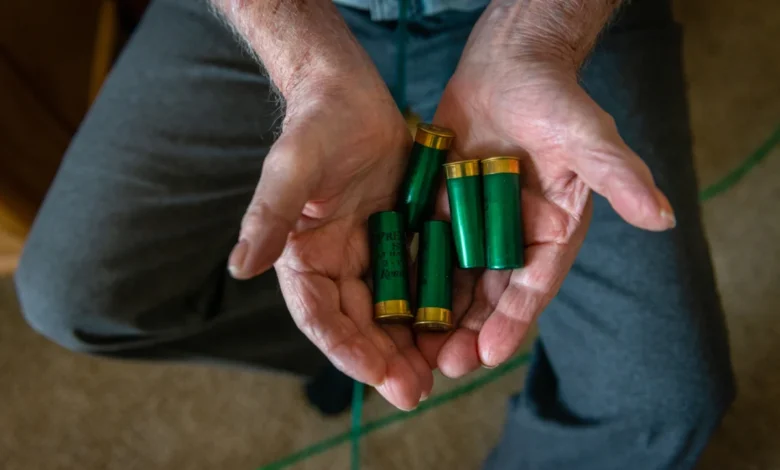
The intersection of aging, cognitive decline, and firearms ownership has emerged as a critical public health challenge in the United States, forcing families, clinicians, and researchers to navigate a delicate balance between individual autonomy and public safety. This complex issue came to light during a routine virtual interview conducted by Laura Prater, a firearms researcher at Ohio State University. On the other screen was a 72-year-old retired health administrator living alone near Seattle. Having administered a questionnaire indicating mild cognitive impairment—a frequent precursor to dementia—alongside a clinical diagnosis of depression, Prater asked a standard research question regarding household weapons. The respondent acknowledged keeping a shotgun previously used for bird hunting propped near his bed, with shells resting atop the nightstand, alongside a .45-caliber pistol loaded in his nightstand drawer.
To the retired administrator, these weapons represented practical self-defense tools for someone living alone. To public health researchers, however, the scenario highlighted a pervasive and alarming reality: an aging individual facing cognitive deficits and depression retained immediate, unfettered access to loaded firearms. Prater’s observation that such situations are both alarming and remarkably common underscores a broader demographic shift. As the American population ages, a growing number of older adults suffering from dementia or early cognitive decline continue to keep guns in their homes, creating heightened risks for self-harm, accidental discharges, and unintended tragedies.
The Scope of the Crisis and Demographic Realities
The statistical landscape surrounding older adult firearm fatalities illustrates the urgency of this public health concern. According to data compiled by the Centers for Disease Control and Prevention (CDC), 8,226 Americans aged 65 and older died from firearm-related injuries in a recent single-year reporting period, averaging nearly 23 deaths each day. While homicide rates are statistically higher among younger demographics, the grim reality of older adult gun fatalities is overwhelmingly characterized by self-harm. More than 90% of gun deaths among older Americans are suicides.
Researchers emphasize that the danger extends well beyond those who have received a formal, clinical diagnosis of dementia. A multi-state survey revealed that approximately one-third of adults aged 65 and older experiencing "subjective cognitive decline"—meaning they suffer from worsening confusion or memory loss but lack an official diagnosis—live in a household with a firearm. Furthermore, roughly a quarter of these individuals reported storing their weapons insecurely, a proportion slightly higher than that found among peers with normal cognitive function.
Kelsey Conrick, a researcher at the Center for Firearm Injury Prevention at the University of Washington and lead author of the study, noted the acute concerns associated with this population. As cognitive functions deteriorate, individuals may become easily confused, leading to quick, unmonitored access to lethal means. Beyond the risk of suicide, these scenarios elevate the likelihood of unintentional discharges, mistaken identity shootings involving family members, visiting friends, or in-home care workers.
Psychological Attachments and the Illusion of Safety
Understanding why older adults cling fiercely to their firearms requires examining the complex psychology of aging. For many gun owners, weapons are not merely tools; they are deeply intertwined with personal identity, self-reliance, and autonomy.
Marian Betz, an emergency physician and director of the Firearm Injury Prevention Initiative at the University of Colorado Anschutz, explains that the aging process often brings an intensified sense of physical vulnerability. Older gun owners frequently harbor valid fears of victimization, leading them to view firearms as essential instruments of security. Consequently, urging an older adult to surrender their weapons can be interpreted as stripping away their independence, dignity, and role as a protector.
However, public health research consistently challenges the protective efficacy of household firearms. A widely cited 2011 meta-analysis indicated that the presence of a gun in the home significantly elevates the risk of suicide and accidental injury, while finding no credible evidence that firearms deter home invasions or reduce injury during domestic altercations. Despite these empirical findings, researchers emphasize that statistical arguments rarely alter deeply rooted emotional responses driven by fear and a desire for control.
The Communication Gap in Healthcare and Family Dynamics
Despite the clear risks, proactive interventions remain remarkably rare. Betz led a 2020 study discovering that only about 5% of caregivers for individuals with dementia reported ever discussing firearm safety with a healthcare professional. Several factors contribute to this silence.
Many patients actively conceal gun ownership from their physicians due to widespread misconceptions. A prevailing fear exists among older adults that disclosing conditions such as depression or cognitive impairment will automatically trigger mandatory weapon confiscation by medical personnel or law enforcement. In reality, medical professionals lack the authority to confiscate firearms based solely on these diagnoses. Moreover, even when clinicians recognize a hazard, formal legal mechanisms such as Extreme Risk Protection Orders (often referred to as "red flag laws") are limited, with only 22 states and Washington, D.C., authorizing temporary restrictions on firearm access through judicial processes.
Families face parallel dilemmas. Caregivers frequently witness erratic behavior or near-miss incidents involving household firearms that cause profound alarm. Yet, many choose silence to avoid fierce domestic confrontations. Chris Knoepke, a health services researcher at the University of Colorado Anschutz who led a study involving dementia caregivers, noted that the fear of permanent alienation often outweighs the immediate urge to intervene. Caregivers recognize that they must navigate numerous complex care transitions alongside their aging relative, making them hesitant to ignite volatile disputes over gun ownership.
Innovative Strategies and Preventive Frameworks
To bridge this hazardous communication gap, public health researchers and academic institutions have developed a series of targeted interventions and practical tools aimed at clinicians, caregivers, and gun owners alike.
- Clinician Training and Integration: Researchers like Laura Prater are producing educational video guides to help doctors comfortably initiate conversations regarding safe storage. Conrick’s "Pathways 2 Safety" initiative collaborates with community agencies to embed firearm discussions into routine healthcare encounters, distributing over a thousand free locking devices to promote harm-reduction strategies.
- Caregiver Support Tools: Betz and her team developed "Safety in Dementia," an online resource designed to help families systematically evaluate household risks. Additionally, the "Firearm Life Plan" toolkit enables gun owners to proactively document their wishes regarding when and how they should relinquish firearm access, a resource utilized by nearly 16,000 individuals since its inception.
- Policy Integration: In a recent editorial published in the New England Journal of Medicine, Lena Makaroun and her co-authors advocated for incorporating firearm safety discussions into annual Medicare wellness visits. Because these routine examinations reach approximately 60% of Medicare beneficiaries, proponents argue they offer a non-stigmatizing, preventative platform to address safety with a population largely invested in responsible gun ownership.
A Stark Illustration of the Unseen Threat
The tragic consequences of failing to address firearm access amidst cognitive decline are starkly illustrated by clinical case histories. Lena Makaroun, a geriatrician and researcher at the University of Pittsburgh School of Medicine, recalls a harrowing case from 2019. An octogenarian patient exhibiting memory loss was referred to her clinic for a comprehensive cognitive evaluation.
Testing confirmed that the patient suffered from impairment consistent with dementia. Makaroun transparently discussed the diagnosis and management strategies with the man and his son, emphasizing a supportive medical journey. The patient absorbed the difficult news with outward calm, showing no signs of acute distress or depression.
Tragically, just hours after the diagnostic disclosure—before safety protocols regarding firearms could be established or discussed—the patient’s son discovered his father in the basement, having died from a self-inflicted gunshot wound.
This profound loss underscores the core argument driving contemporary firearm safety research: addressing cognitive decline requires an immediate, compassionate, and comprehensive assessment of household weapons. By focusing on harm-reduction methods, promoting secure storage, and respecting patient autonomy while they retain decision-making capacity, public health advocates hope to prevent similar tragedies and protect aging adults from the invisible dangers lurking within their own homes.