American Airlines Navigates Escalating Fuel Costs and Political Realignment in the Trump Era

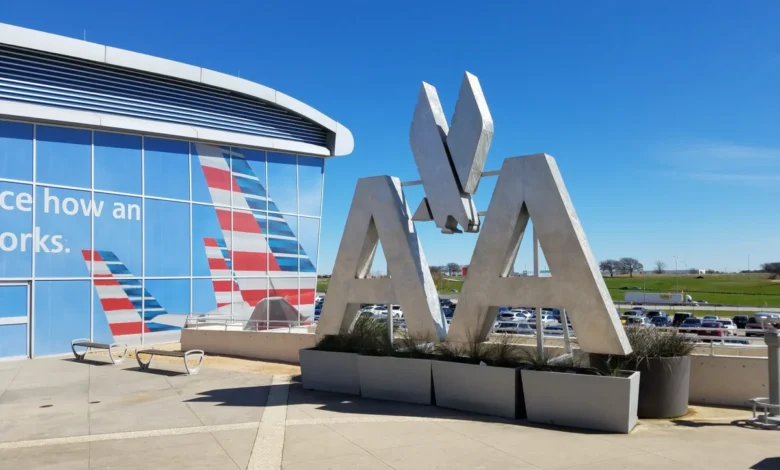
The aviation industry currently finds itself at a volatile intersection of geopolitical instability and complex corporate strategy, as American Airlines grapples with a significant financial strain compounded by rising fuel costs and the evolving regulatory priorities of the Trump administration. While CEO Robert Isom has publicly aligned his leadership with the current White House, the airline’s internal projections reveal a sobering fiscal reality: the ongoing conflict in the Middle East has disrupted oil markets, forcing American to revise its fourth-quarter outlook by approximately $1 billion due to surging jet fuel expenses.
This financial pressure comes at a time when major U.S. carriers are being forced to scale back capacity. The industry is currently contending with a nearly $6 billion annual increase in fuel-related expenditures. As of mid-September 2026, the ripple effects of these costs are becoming apparent across the domestic landscape. United Airlines has initiated the removal of planned December flights, while Southwest Airlines has halved its projected capacity growth for the remainder of the year. For American Airlines, the mandate from leadership is clear: fiscal discipline is required to preserve margins, even as the administration maintains a focus on a narrative of economic strength.
A Chronology of Financial and Political Friction
The current situation is the result of a multi-month convergence of external shocks and policy shifts. In June 2026, American Airlines first signaled the potential for turbulence when it announced temporary route suspensions linked to the rising price of jet fuel. The situation deteriorated throughout the summer as the administration’s foreign policy approach to Iran led to restricted oil supplies, directly impacting global fuel indices.
By September 16, 2026, during a presentation at the Morgan Stanley investor conference, American Airlines CFO Devon May provided a granular look at the company’s exposure. The forecast for the fourth quarter was adjusted upward by $1 billion, a figure that spooked analysts and underscored the fragility of the post-pandemic recovery. Despite the high demand for air travel, the margin between profitability and loss on individual routes has narrowed significantly.
CEO Robert Isom’s visit to the White House shortly after these revelations served as a critical pivot point. By praising the administration’s economic performance and endorsing Transportation Secretary Sean Duffy, Isom sought to solidify a cooperative relationship with the executive branch. This public support represents a notable shift in tone for American, which had previously maintained a more guarded posture toward Washington, particularly during periods of stock price volatility.
The Strategic Calculus of Corporate Diplomacy
The decision to cultivate a close relationship with the White House is not merely a matter of public relations; it is a calculated effort to secure political capital for upcoming strategic maneuvers. In the airline industry, where regulatory approval is a prerequisite for growth, the alignment between executive leadership and the sitting administration is often a function of necessity.
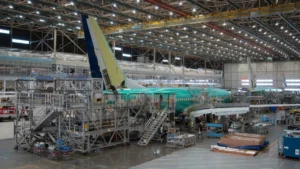
Two primary initiatives highlight why American Airlines is prioritizing this political alignment. First is the looming decision regarding the company’s long-haul fleet. American is currently evaluating an order for up to 65 widebody aircraft. Industry analysts have pointed to the Airbus A330-900 as a frontrunner for this contract. However, such an order would represent a significant departure for an airline that has historically maintained an all-Boeing widebody fleet. Given that the current administration has framed domestic aerospace manufacturing as a cornerstone of national security—and recently initiated an investigation into imported aircraft and parts—choosing a European manufacturer is a move fraught with political risk. By establishing a rapport with the President, American aims to mitigate potential backlash or regulatory hurdles that could arise if they bypass Boeing.

Second, the possibility of renewed merger talks or deep-level integration with Alaska Airlines remains a persistent topic of industry discussion. The two carriers have previously explored merger possibilities and the integration of international joint ventures. Any such consolidation would require rigorous scrutiny from both the Department of Transportation (DOT) and the Department of Justice (DOJ). The DOT, under the leadership of Secretary Duffy, holds the authority to grant antitrust immunity for international joint ventures, while the DOJ holds the power to block domestic mergers. Developing a strong working relationship with the administration is a strategic hedge against the potential for an unfavorable antitrust ruling.
Market Realities and Consumer Impact
While executives focus on high-level diplomacy, the impact on the consumer is becoming increasingly visible. Airlines are currently employing a strategy of capacity management—flying fewer routes to protect profit margins against the rising price of jet fuel. While strong consumer demand has allowed for the implementation of higher fares to offset some costs, this model is reaching a threshold.
For the traveler, this means a more limited schedule and a higher likelihood of flight cancellations on less profitable routes. The administration, meanwhile, faces a delicate balancing act. As the midterm elections approach, the narrative of a thriving economy is frequently undermined by the reality of higher travel costs and reduced service options. The airline industry, as a bellwether for the broader economy, finds itself in the crosshairs of this tension.
The industry’s reaction to these pressures varies by carrier. United Airlines, for instance, has taken a more aggressive stance, with CEO Scott Kirby engaging in direct dialogue with administration officials, including the Vice President, and publicly aligning with the administration’s policies on tariffs and trade. American Airlines, while currently more cautious, is evidently moving toward a similar model of alignment, recognizing that the era of political neutrality for major carriers has effectively ended.
Regulatory and Economic Implications
The long-term implications of this trend are significant. When major infrastructure-dependent industries like aviation become deeply tethered to the political fortunes of a single administration, the risk profile of the company changes. Decisions regarding fleet procurement, route structures, and consolidation are no longer solely driven by market demand or operational efficiency; they are increasingly subject to the approval—or the perceived approval—of federal regulators.
The potential for "executive whim" to dictate regulatory outcomes, as seen in previous administrations, remains a concern for industry stakeholders. Should the current administration decide to enforce more stringent tariffs on international aircraft parts, American’s potential shift to Airbus could face severe financial penalties. Conversely, if the administration views the airline as a cooperative partner, it may provide the necessary exemptions or favorable regulatory interpretations that allow for competitive growth.
In conclusion, the situation at American Airlines is emblematic of the challenges facing the U.S. aviation sector in 2026. The company is operating under the twin pressures of high fuel prices and a volatile regulatory environment. CEO Robert Isom’s strategy of public alignment with the White House is a clear acknowledgment of these realities. Whether this strategy will successfully insulate the airline from the risks of a shifting political and economic landscape remains to be seen. As the airline prepares to make critical decisions regarding its future fleet and potential consolidation, the success of these maneuvers will likely be measured by the degree to which American can navigate the complexities of both the global energy market and the internal politics of Washington.
Related posts: