The Hidden Health Hazards of the AI Boom: How EPA Deregulation is Threatening Public Safety

As Silicon Valley executives and technology oligarchs command global attention with warnings about the existential threats of artificial intelligence superintelligence, a coalition of former Environmental Protection Agency (EPA) officials is drawing public focus to a far more immediate and tangible danger: the physical infrastructure powering the generative AI revolution.
According to a comprehensive report published by the nonprofit Environmental Protection Network (EPN), the rapid, largely unchecked proliferation of data centers across the United States is colliding with a systemic dismantling of federal environmental regulations. Since January 2025, the administration of President Donald Trump has implemented at least 30 distinct regulatory rollbacks targeting pollution safeguards, environmental permitting processes, and routine compliance inspections.
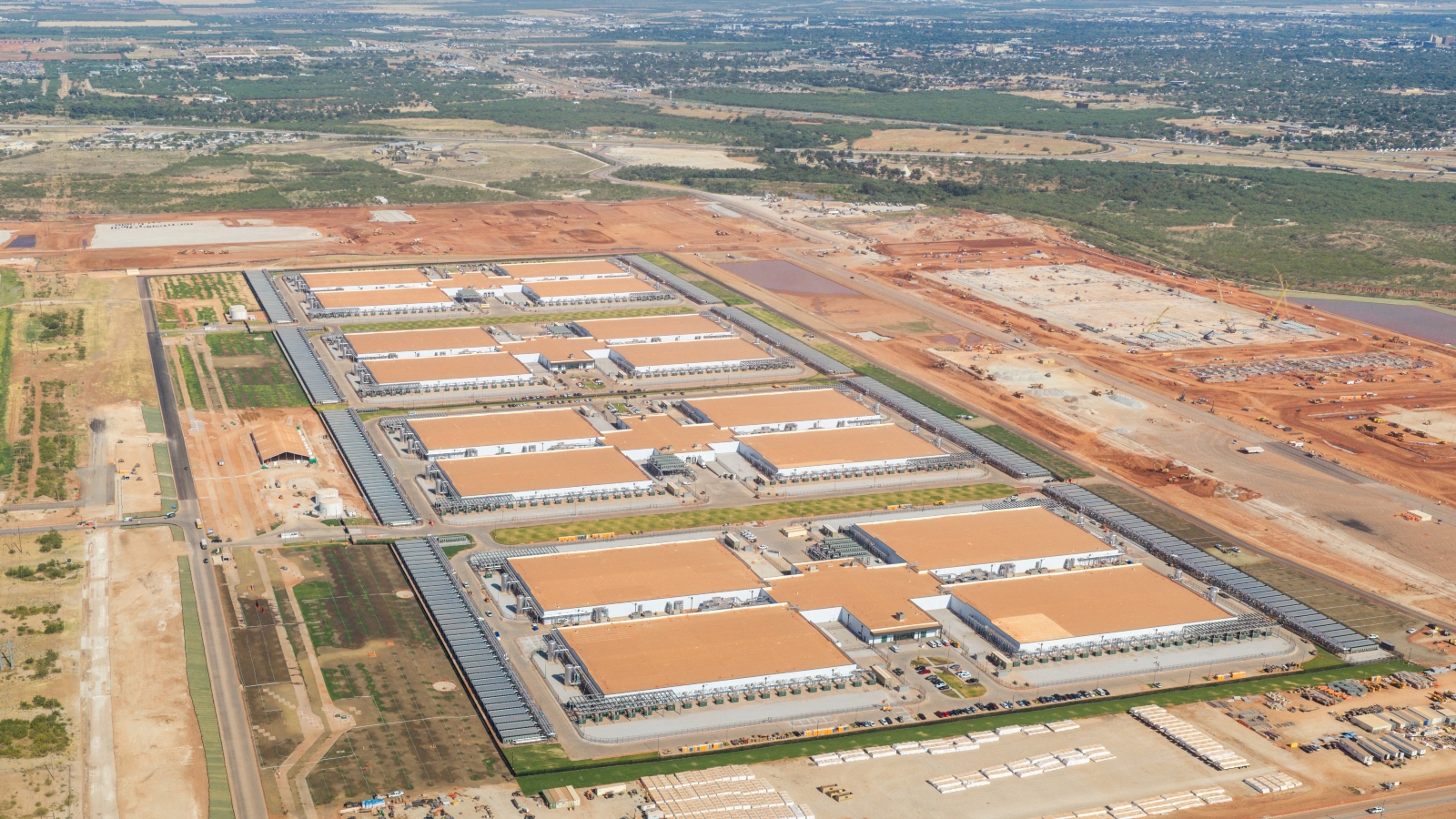
These policy shifts are occurring precisely as the nation experiences an unprecedented construction boom in energy-intensive data infrastructure. Currently, approximately 3,000 data centers operate across the United States, with more than 1,500 additional facilities actively in the planning or early construction phases. While these facilities are vital for processing the massive computational loads demanded by large language models and machine learning applications, experts warn they are coming online at a time when the federal government is systematically shedding its oversight capacity.
The convergence of explosive energy demand, deregulatory federal policies, and gutted scientific institutions has created a public health crisis that environmental scientists, toxicologists, and physicians argue is largely hidden from the public view.
A Decades-Long Scientific Mission Dismantled
The institutional framework designed to monitor and mitigate industrial air pollution has undergone profound structural transformations over the past two years. For decades, the EPA—established in December 1970 under the Nixon administration—relied on a robust, independent workforce of scientists, researchers, and engineers.
Dan Costa, who spent 35 years at the EPA studying air pollution and atmospheric science, reflected on the agency’s traditional role during a recent press briefing. For generations, he noted, toxicologists, chemists, and atmospheric modelers worked alongside academic institutions to investigate emerging environmental threats on behalf of the American public rather than private industry.
"We wanted to carry out EPA’s mission of protecting people’s health from industrial air pollution," Costa stated.
That scientific capacity, however, has been severely compromised. The Trump administration has dismantled the EPA’s main research office, reallocating agency priorities away from strict environmental enforcement and toward regulatory facilitation for key industrial sectors. The administration has explicitly prioritized transforming the nation’s energy and technological landscapes, often at the expense of environmental monitoring.
In late 2025, EPA Administrator Lee Zeldin outlined the agency’s revised mission in an internal memo, emphasizing the administration’s goal to position the United States as the global leader in artificial intelligence. Zeldin wrote that the agency was committed to "cutting heavy-handed regulations to ensure America can build and power the data centers essential to Making America the AI Capital of the World."
The Chronology of the Data Center Boom and Deregulation
The intersection of artificial intelligence infrastructure and environmental deregulation did not happen overnight; it is the culmination of rapidly scaling computational demands meeting a pro-growth federal policy agenda.
- Early to Mid-2024: The generative AI boom triggers a massive surge in corporate demand for hyperscale data centers. Technology companies begin scrambling for reliable, high-capacity electricity, frequently overwhelming local power grids.
- Late 2024: Researchers and public health advocates begin warning that the massive power requirements of AI models could reverse decades of progress on carbon emissions by forcing utilities to rely longer on fossil fuels.
- January 2025: The Trump administration assumes office and immediately initiates a sweeping agenda focused on domestic energy independence, deregulation, and industrial expansion.
- Spring 2025: EPA leadership issues internal guidance directing enforcement staff to avoid actions that could "unduly burden or significantly disrupt" energy production or power generation. The agency also proposes rule changes allowing developers to begin construction on data centers and associated power generation facilities before securing final air pollution permits.
- Summer and Fall 2025: The administration systematically dismantles key offices within the EPA’s Office of Research and Development. Reports emerge of aging coal-fired power plants remaining online past their scheduled retirement dates to supply continuous baseload power to nearby data hubs.
- 2026: The Environmental Protection Network releases its landmark report, "The Hidden Costs of AI Data Centers," documenting at least 30 separate regulatory rollbacks that weaken oversight of data center emissions, backup generation, and permitting norms.
Powering the Cloud: Fossil Fuels and the Grid
The fundamental challenge facing data center developers is the staggering amount of electricity required to run and cool servers performing complex neural network calculations. A single hyperscale data center can consume as much electricity as a medium-sized American city. Because renewable energy sources such as wind and solar can be intermittent and are often slow to interconnect to overloaded transmission grids, technology companies and utilities have increasingly turned to reliable, dispatchable fossil fuels to meet their continuous power needs.
This reliance has manifested in two primary ways: the extension of coal-fired power plant lifespans and the installation of localized, high-capacity gas turbines.
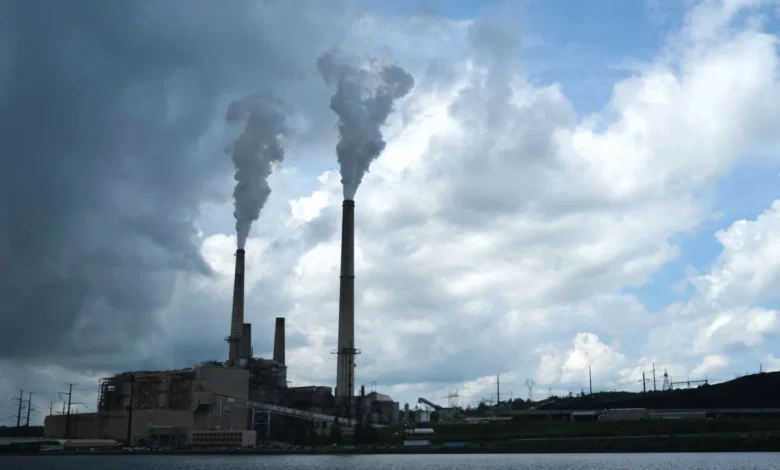
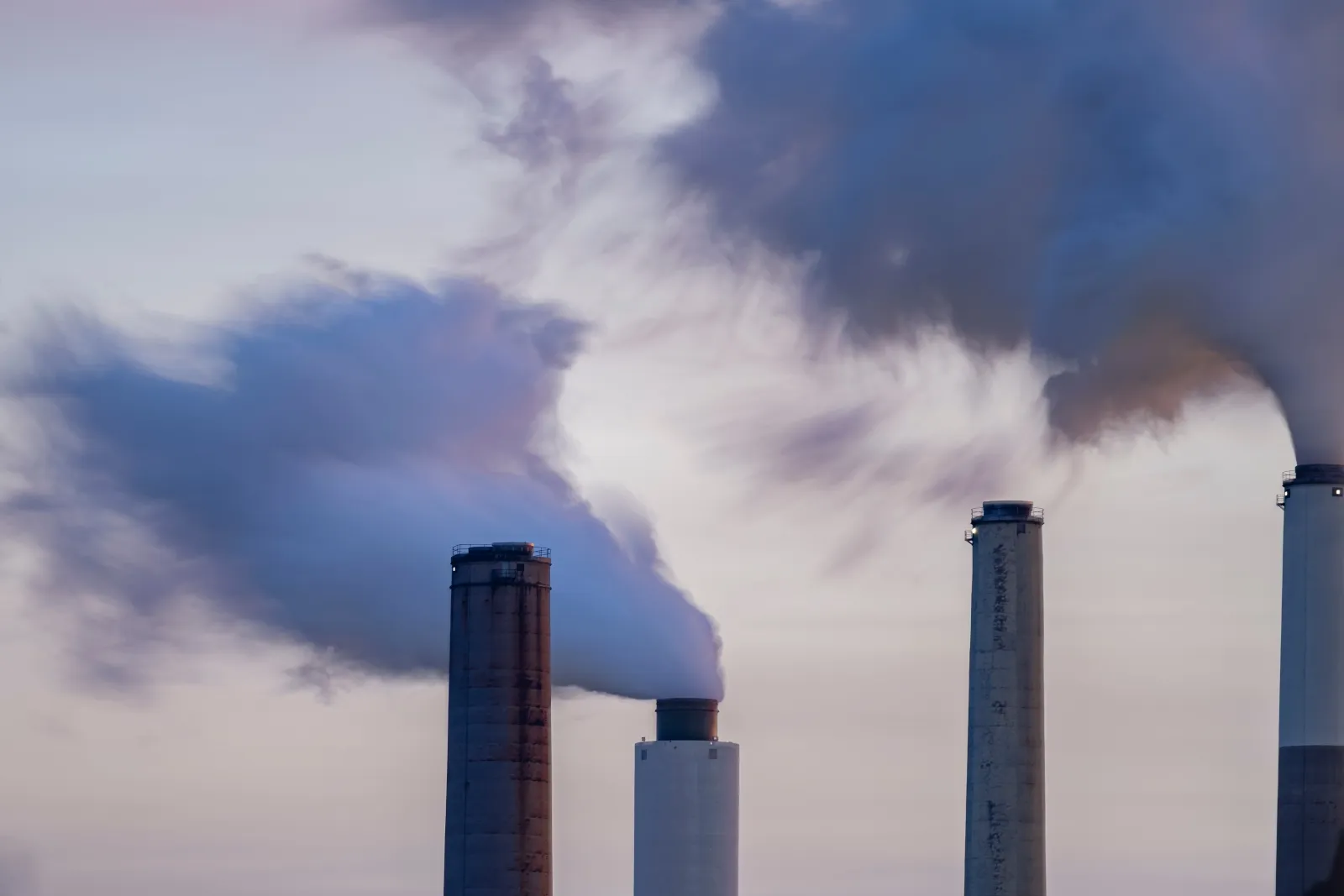
Across the country, utilities that had previously scheduled aging coal plants for decommissioning have delayed those closures to guarantee uninterrupted power for nearby server farms. While keeping coal plants operational helps prevent regional blackouts and satisfies the immediate needs of tech firms, it directly injects millions of tons of sulfur dioxide, nitrogen oxides, and fine particulate matter into the atmosphere.
Simultaneously, hyperscale operators—such as xAI with its massive "Colossus" supercomputer cluster—have increasingly turned to onsite fossil-fuel-powered gas turbines to bypass traditional utility constraints. These onsite generators often operate with fewer regulatory hurdles under current administrative enforcement priorities, subjecting neighboring communities to continuous localized emissions of hazardous air pollutants.
Quantifying the Toll: Health Implications of Increased Pollution
The environmental fallout from unbridled fossil fuel expansion to support artificial intelligence is not merely a theoretical climate concern; it carries immediate, measurable human consequences.
According to scientific studies cited by former EPA researchers in the EPN report, the air pollution associated with the rapid expansion of the AI sector could contribute to approximately 1,300 additional premature deaths annually in the United States.
Dr. Lynn Goldman, a pediatrician, epidemiologist, and former EPA assistant administrator, emphasized the profound health risks during the EPN briefing. The health impacts of increased particulate matter, nitrogen dioxide, and volatile organic compounds span a wide temporal spectrum. Acute exposure can trigger immediate medical emergencies, including asthma attacks, cardiac arrhythmias, and heart attacks, as well as an increased incidence of premature births and low birth weights among pregnant individuals living near pollution sources. Chronic exposure, meanwhile, elevates long-term risks for cardiovascular disease, respiratory illnesses, and various forms of cancer.
"The AI industry’s race for advantage should not be a matter of life or death," Goldman said. "Families shouldn’t have to pay for the AI boom with their health."
Geographic Disparities and Environmental Justice
The location choices for modern data centers further exacerbate these public health concerns. While major tech companies are headquartered in urban centers like San Francisco, Seattle, and New York, the physical infrastructure required to support them is overwhelmingly built in rural areas, suburban peripheries, and historically underserved communities.
Data centers require vast tracts of relatively inexpensive land, abundant water supplies for cooling, and direct access to high-voltage transmission lines. Consequently, rural counties across states like Virginia, Texas, Ohio, and Georgia have emerged as major hubs for digital infrastructure.
Residents in these host communities often lack the political and financial resources to contest large-scale industrial developments. When federal oversight mechanisms—such as mandatory public comment periods, stringent National Ambient Air Quality Standards (NAAQS) compliance, and rigorous EPA inspections—are weakened or eliminated, local populations bear the brunt of the environmental burden without sharing equitably in the economic windfalls generated by the tech sector.
Fact-Based Analysis of Broader Implications
The friction between rapid technological advancement and environmental protection highlights a fundamental policy dilemma for the United States in the 21st century.
On one hand, national security and economic competitiveness arguments compel the federal government to foster a domestic environment where artificial intelligence can scale rapidly. Policymakers from across the political spectrum frequently argue that ceding leadership in AI development to foreign competitors, such as China, poses unacceptable strategic risks.
On the other hand, dismantling the administrative state’s capacity to evaluate and regulate environmental hazards creates a dangerous vacuum. By trading long-term public health and ecological stability for short-term construction velocity, the federal government risks creating deep structural liabilities.
Furthermore, the integration of fossil-fueled power generation into the digital economy undercuts broader national and international commitments to reduce greenhouse gas emissions. As data centers consume a growing share of the nation’s total electricity generation—projected by some energy analysts to reach nearly 10 percent by the end of the decade—the absence of strict environmental controls could lock the United States into a high-carbon trajectory for decades to come.
The path forward remains fraught with tension. As technology companies continue to invest hundreds of billions of dollars into artificial intelligence infrastructure, public health advocates, local community groups, and displaced federal scientists are increasingly turning to state-level regulations, legal challenges, and grassroots organizing to fill the void left by a retreating Environmental Protection Agency. Whether these decentralized efforts will be sufficient to protect vulnerable communities from the hidden environmental costs of the digital age remains one of the defining questions of the contemporary technological era.
Related posts: