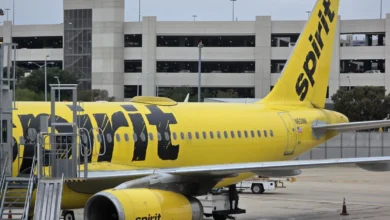
British Man Faces Severe Legal Consequences After Discovery of Hidden Camera on Scoot Flight from Osaka to Singapore

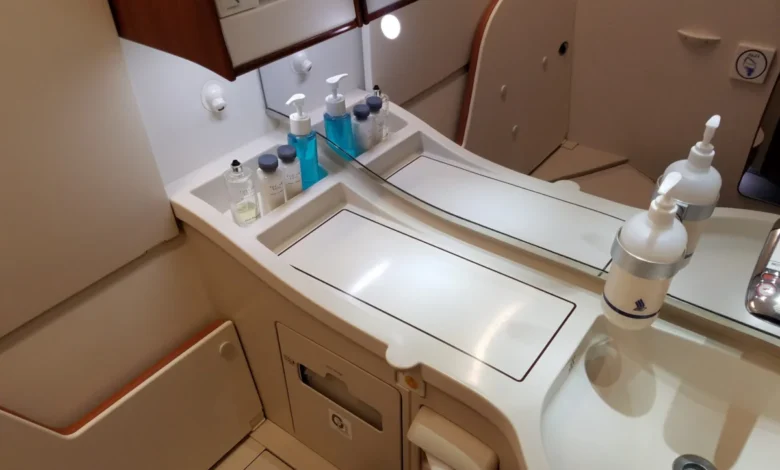
A 52-year-old British national is currently facing serious criminal charges in Singapore following a disturbing incident of voyeurism aboard a Scoot flight. The passenger, who was traveling from Osaka, Japan, to Singapore on October 7, allegedly concealed a recording device within the aircraft’s lavatory. The discovery of the camera by a vigilant flight attendant, followed by the passenger’s subsequent attempts to destroy digital evidence, has triggered a high-profile legal case that highlights the stringent aviation security laws maintained by the Singaporean authorities.
The incident occurred on Scoot flight TR821, a service operated by the Singapore Airlines low-cost subsidiary. According to official reports from the Singapore Police Force, the suspect utilized a mobile application to facilitate the recording, placing a camera inside the lavatory before returning to his seat. The breach of privacy was cut short when a female flight attendant, while using the facility, identified the suspicious device. She promptly removed the camera and alerted her fellow crew members, initiating a security protocol that ensured the device was secured as evidence before the aircraft landed at Changi Airport.
Chronology of the Incident and Legal Proceedings
The timeline of the events surrounding the investigation provides a clear view of how quickly authorities moved to secure the integrity of the evidence. On October 7, the flight arrived in Singapore, where law enforcement officers were waiting. Upon arrival, the suspect was detained, and his personal electronic devices, including the smartphone linked to the camera, were seized for forensic analysis.
By November 5, the Singapore Police Force formally charged the man. The legal response has been robust, reflecting the city-state’s zero-tolerance policy toward crimes of this nature. The suspect has been offered bail set at S$10,000; however, he remains in custody as the judicial process moves forward. He has indicated an intention to plead guilty to the charges brought against him.

The charges involve two primary counts: voyeurism and obstructing the course of justice. While the voyeurism charge carries potential penalties including imprisonment and, in some cases, judicial caning, legal experts note that the suspect is exempt from the latter due to his age. Under the Criminal Procedure Code of Singapore, men over the age of 50 are not subject to corporal punishment. Nevertheless, the obstruction charge—stemming from his attempt to delete the application and related photographs upon realizing the camera had been discovered—represents the most significant legal hurdle for the defendant. In the eyes of the court, the act of tampering with evidence is viewed as a direct challenge to the judicial process, often resulting in more severe sentencing than the underlying offense itself.
The Role of Technology in Modern Aviation Security
The use of miniature recording technology in public and private spaces has become an increasing concern for airline operators and regulatory bodies worldwide. The Scoot incident is a stark reminder of the vulnerabilities inherent in aircraft design, where space is limited and privacy is a necessity. Modern aircraft lavatories are designed to be secure environments, yet the miniaturization of high-definition cameras and the proliferation of smartphone-linked recording apps have created new vectors for criminal activity.
Aviation experts note that airlines are increasingly training cabin crews to perform more thorough inspections of lavatories during routine cleaning cycles. However, the sophistication of modern covert recording devices—which can be disguised as everyday items like coat hooks, maintenance stickers, or even integrated into smartphones—makes detection difficult. The success of the Scoot flight attendant in identifying the device underscores the critical importance of crew vigilance in maintaining passenger safety and privacy.
Comparative Analysis: A Pattern of Misconduct in the Skies
The incident on flight TR821 is not an isolated occurrence. Over the past decade, several high-profile cases involving the surreptitious recording of passengers and crew have surfaced, highlighting a disturbing trend in aviation-related sexual misconduct.
In 2019, a similar incident occurred on a United Airlines flight traveling from San Diego to Houston. In that instance, a passenger was caught hiding a camera in a first-class lavatory. Investigators were able to link the suspect to the crime because he had inadvertently recorded himself setting up the device. Forensic examination of his digital files revealed that he had been systematically recording individuals in lavatories across multiple international flights, including on Emirates Airlines. The recovery of these files, which included recordings of a flight attendant, served as damning evidence that led to a significant conviction.
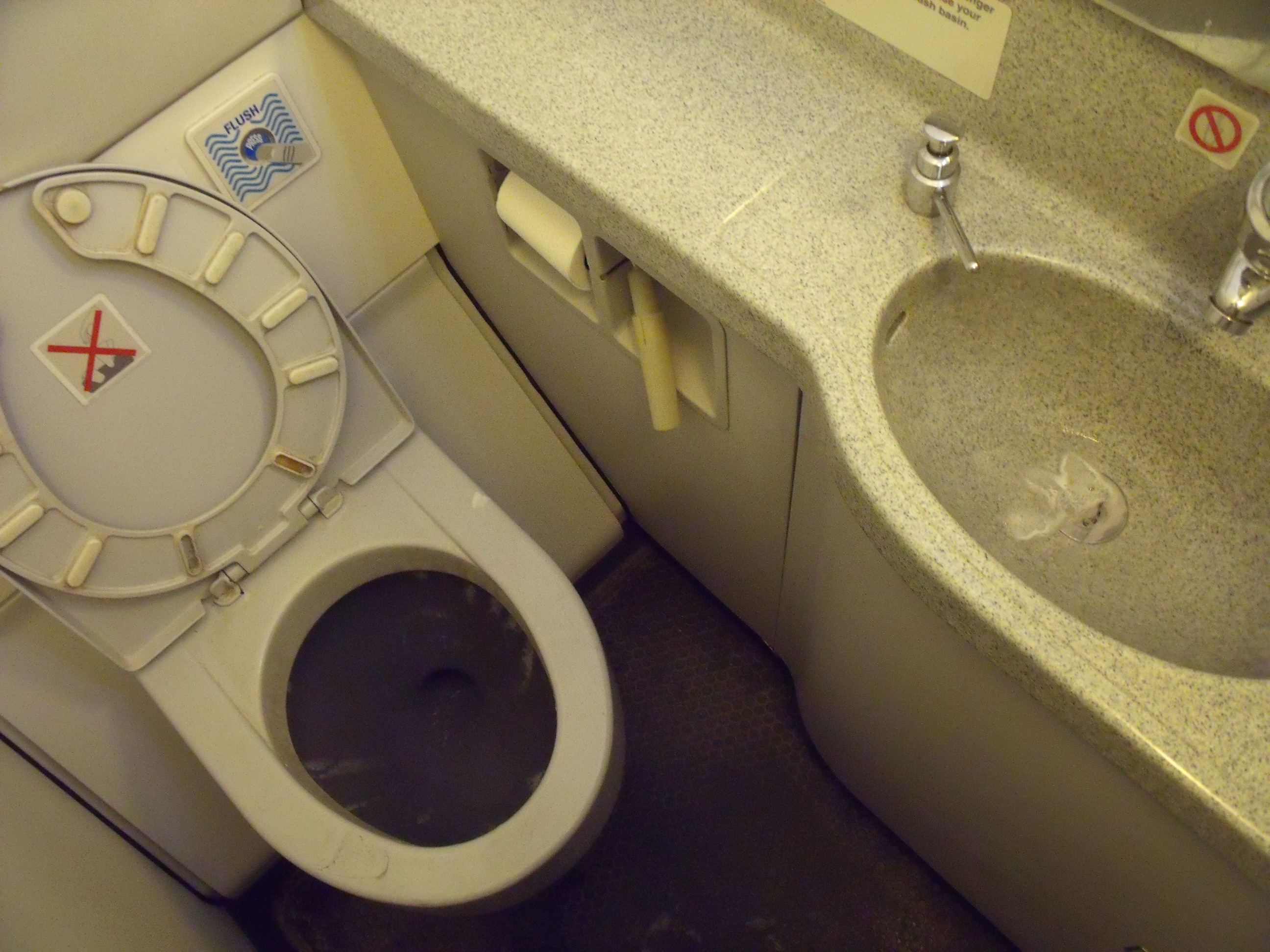
Another notable case involved American Airlines, where a family discovered a phone affixed to the underside of a toilet seat lid using maintenance stickers. The subsequent investigation revealed a broader pattern of abuse. In that case, federal prosecutors in the United States successfully argued that the perpetrator had used his position as a crew member to facilitate the filming of minors. The perpetrator was sentenced to 18 and a half years in federal prison in 2025, a ruling that sent a clear message regarding the severity with which such violations of trust and privacy are treated in the aviation industry.
Broader Implications and Institutional Responses
The recurring nature of these incidents has forced the aviation industry to reconsider its approach to passenger safety. Beyond physical security, there is a growing demand for legal and technological solutions to combat "upskirting" and the unauthorized recording of individuals in private spaces.
- Legal Deterrence: The Singaporean case serves as a benchmark for how countries can leverage existing criminal codes to deter voyeurism. By emphasizing the obstruction of justice, the prosecution is effectively signaling that attempts to evade accountability will be met with the full force of the law.
- Crew Training: Airlines are shifting toward standardized, intensive training modules for flight attendants regarding suspicious items. This includes identifying non-standard components in lavatories and knowing how to preserve evidence without compromising its admissibility in court.
- Technological Countermeasures: Some aircraft manufacturers are exploring the integration of anti-surveillance technology within cabin interiors. While this is currently in the experimental or research phase, the industry is under pressure to provide passengers with a guaranteed expectation of privacy.
- Data Protection: The recovery of cloud-stored data by investigators in previous cases highlights the importance of international cooperation between law enforcement agencies. Digital forensics now plays a primary role in securing convictions, as criminals often rely on the belief that digital deletion is permanent.
The Impact on the Aviation Industry and Passenger Trust
For passengers, the knowledge that they are being monitored in private is deeply unsettling and can lead to a significant erosion of trust in the travel experience. Airlines like Scoot, which operate in highly competitive markets, face a dual challenge: they must maintain the security of their passengers while ensuring that the travel experience remains welcoming and comfortable.
Public reaction to the Scoot incident has been one of shock, yet it has also sparked a broader conversation about the necessity of stricter oversight. As the case proceeds to sentencing, the international aviation community will be watching closely. The outcome will likely serve as a reference point for future prosecutions, reinforcing the reality that international borders do not provide a sanctuary for those who commit crimes against the privacy and dignity of others.
The commitment of the Singapore Police Force to thoroughly investigate the incident—from the initial detention at Changi Airport to the forensic extraction of the deleted data—demonstrates the high level of technical proficiency required in modern law enforcement. As the judicial process continues, the case stands as a firm testament to the idea that in the digital age, the "digital footprint" left behind is often more incriminating than the physical evidence itself. For the defendant, the decision to delete the app and photos was a critical error, one that transformed a voyeurism charge into a much more serious case of obstruction of justice, ensuring that he will likely face substantial time behind bars for his actions.