Nvidia CEO Jensen Huang Retained Crisis PR Firm Heller Inc. Months Before Acknowledging Affair with Alleged Chinese Asset

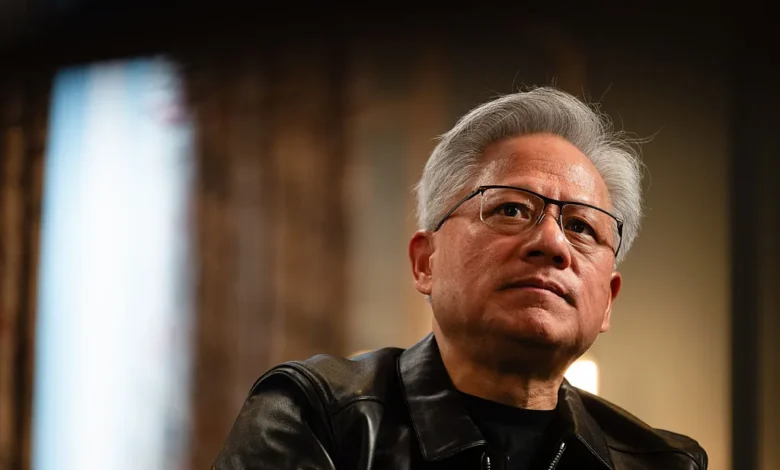
Nvidia Chief Executive Officer Jensen Huang enlisted the services of high-profile crisis communications firm Heller Inc. more than a year before publicly confirming an extramarital relationship with a tech executive suspected of operating as a foreign intelligence asset for China. The revelation, initially uncovered through reporting by Wired, sheds light on the proactive measures taken by the leadership of one of the world’s most valuable technology conglomerates as foreign policy tensions, corporate espionage concerns, and personal vulnerabilities began to intersect.
The firm retained by Huang, Heller Inc., is founded by crisis management veteran Risa Heller, whose professional portfolio includes guiding prominent public figures through severe personal scandals, professional misconduct allegations, and high-stakes media storms. According to extensive profile reporting, Heller has previously advised figures such as former U.S. Congressman Anthony Weiner, celebrity chef Mario Batali, and legal analyst Jeffrey Toobin. The decision to bring in such specialized counsel long before any public disclosure of personal indiscretions highlights a calculated strategy to insulate both Huang and Nvidia from impending reputational and geopolitical fallout.
Chronology of Events and the Catalyst Investigation
The timeline leading up to the public disclosure of the affair reveals a complex web of corporate scrutiny, international trade controls, and national security investigations. The operational integration of Heller Inc. into Nvidia’s communications apparatus began shortly after an October 2025 investigative report published by The New York Times.
That report scrutinized whether Nvidia chips were being funneled to Chinese entities in a manner that circumvented strict United States export controls designed to limit Beijing’s access to advanced artificial intelligence hardware. Specifically, The Times highlighted Megaspeed, a previously obscure, Singapore-based data center enterprise with deep ties to mainland China, which had managed to acquire nearly $2 billion worth of advanced Nvidia hardware.
Within the coverage, the publication described Megaspeed CEO Alice Huang—a woman subsequently linked to Jensen Huang in the unfolding scandal—standing alongside the Nvidia chief executive at a prominent industry gathering in Taipei, Taiwan, surrounded by key customers and partners. In the wake of this publication, Nvidia’s internal communications team was reportedly instructed by corporate leadership to copy Heller Inc. on all press inquiries directed at Jensen Huang, signaling that the company recognized the intersection of geopolitical reporting and potential personal exposure.
Public Disclosure and Independent Board Investigation

The carefully managed defensive posture shifted dramatically when Nvidia issued a formal corporate statement addressing the crisis. Jensen Huang released a personal statement acknowledging an intimate relationship with a former Megaspeed executive, though he refrained from explicitly naming Alice Huang in the public announcement.
Concurrently, the Nvidia Board of Directors announced the launch of an independent investigation into the matter. The board’s statement explicitly cited alarming reports indicating that Huang may have been the explicit target of a coordinated foreign intelligence effort. The convergence of a personal relationship with the executive of a foreign firm circumventing trade sanctions has elevated the situation from a private matter of corporate governance to a matter of potential national security and geopolitical consequence.
Broader Implications for Corporate Governance and U.S.-China Tech Competition
The unfolding situation places Nvidia at the epicenter of multiple concurrent pressure points: the fierce geopolitical rivalry between the United States and China over semiconductor supremacy, the rigorous enforcement of export controls by the Department of Commerce, and the stringent corporate governance standards expected of leaders managing publicly traded multinational corporations.
Nvidia’s chips—particularly its advanced graphics processing units (GPUs)—are the foundational infrastructure powering the global artificial intelligence boom. Because the United States government views these technologies as dual-use assets with critical military and intelligence applications, the company operates under intense regulatory scrutiny. The revelation that the chief executive of the dominant player in the AI hardware market maintained a personal relationship with an executive of a company accused of bypassing chip restrictions introduces profound compliance and security questions.
Corporate governance experts note that chief executive officers of publicly traded companies bear fiduciary responsibilities that extend beyond financial performance to include risk management and the protection of corporate assets from foreign interference. When a CEO becomes a potential vulnerability for foreign intelligence targeting, the implications extend to board oversight, shareholder trust, and national security compliance.
As the independent board investigation proceeds, both Wall Street and Washington will be monitoring the outcomes closely. The inquiry will likely seek to determine whether any proprietary technology, sensitive trade data, or restricted hardware allocations were improperly compromised, and whether corporate resources were utilized to manage or obscure the personal relationship prior to its public acknowledgment. Neither Heller Inc. nor Nvidia representatives have provided immediate comments regarding the broader implications of the ongoing investigation, leaving markets and industry observers awaiting further clarity as the situation develops.