
The annual search for the perfect gift for children and teenagers often presents a significant challenge for parents, educators, and relatives as digital trends evolve alongside traditional play preferences. As of November 2026, the retail market reflects a growing consumer shift toward high-utility, interactive, and nostalgic toys that bridge the gap between physical activity and imaginative engagement. This report examines the top-performing gift categories for the 2026 holiday season, providing a comprehensive overview of current market trends, developmental benefits, and consumer demand.

The Evolution of Play: A 2026 Market Overview
The current toy industry landscape is marked by a clear divide between "high-tech" engagement and the resurgence of analog, tactile play. Market research suggests that while digital devices remain popular, parents are increasingly prioritizing items that foster social interaction or creative problem-solving. This trend is evident in the sustained popularity of tabletop games and structural play sets.
Data from the retail sector indicates that multi-generational games, such as the music-themed Hitster or updated versions of classic card games, have seen a 15% increase in sales compared to the previous fiscal year. These products leverage the "social gaming" phenomenon, where the value proposition lies not in the object itself, but in the collaborative experience it creates among family members.
Categorizing Top Trends in Youth Gifting
1. Interactive and Social Gaming
The demand for communal gaming experiences has been bolstered by a post-pandemic shift toward home-centered social activities. Uno tournament sets, retailing at approximately $20, have become a staple for families seeking low-barrier entry to group activities. Similarly, specialized board games that require music knowledge or fast-paced physical interaction are filling a niche for preteens and teenagers who are otherwise difficult to engage.
2. The Resilience of Analog Storytelling and Comic Media
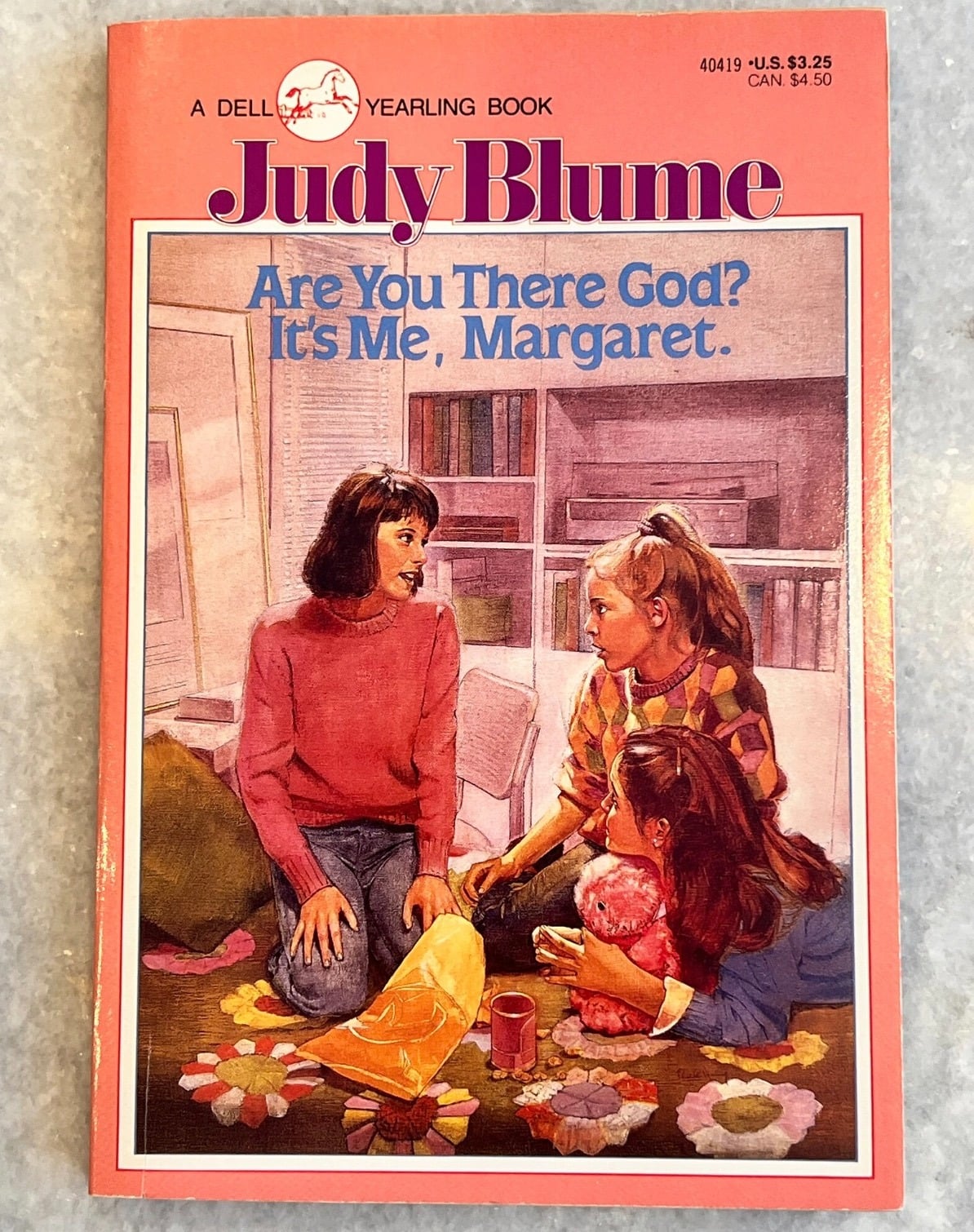
Despite the ubiquity of streaming media, physical books and graphic novels continue to hold significant market share. Vintage literature, particularly titles that resonate with intergenerational nostalgia, remains a top seller. Furthermore, specialized niches—such as the Alcatraz escape-themed comic book series—demonstrate that preteens are actively seeking narrative-driven, suspenseful content that deviates from standard superhero tropes. Industry analysts note that these low-cost items (averaging $6 to $14) offer high perceived value, making them ideal for holiday gifting.
3. High-Utility and Imaginative Tools
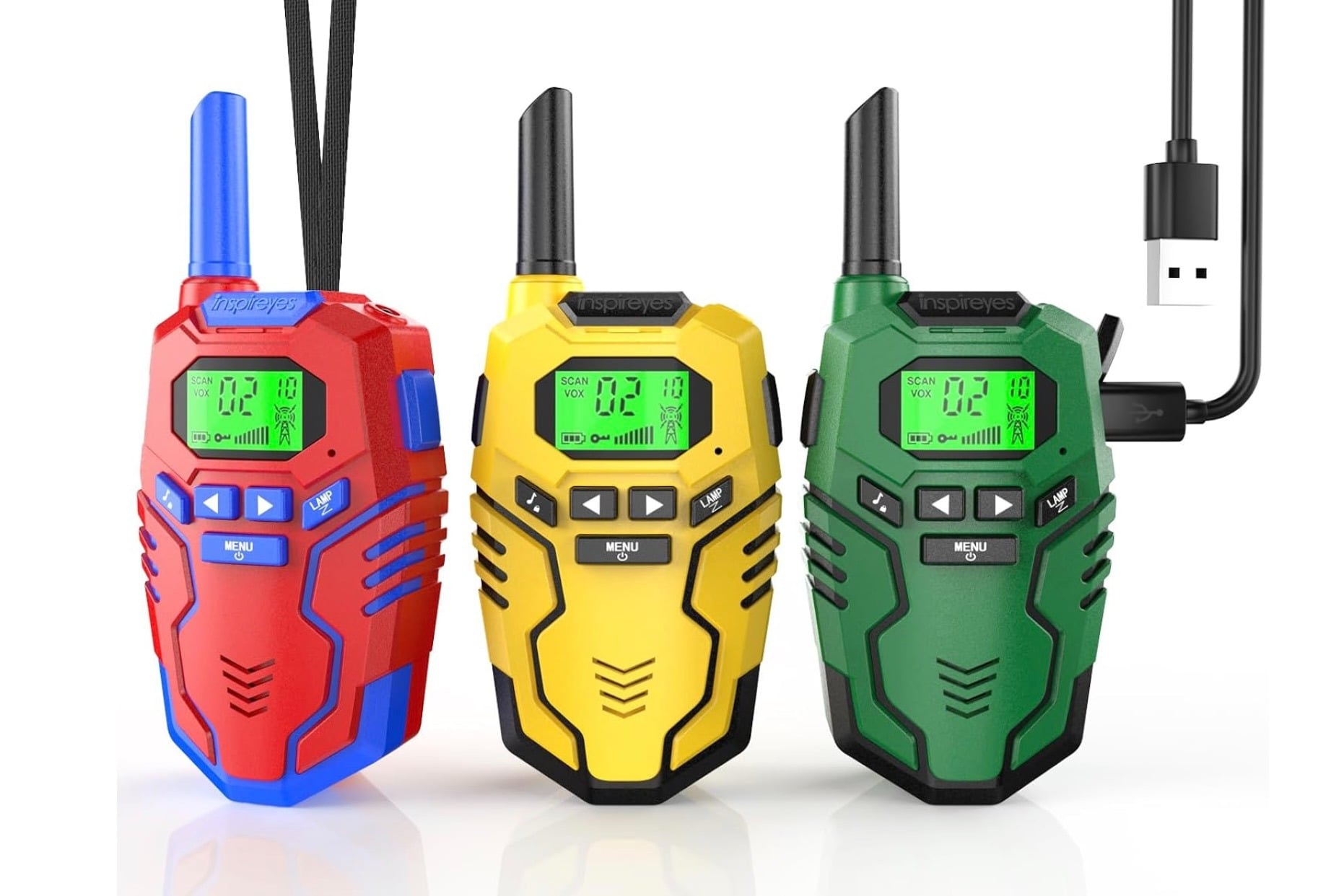
A notable trend in 2026 is the "professionalization" of play. Children are increasingly drawn to items that mimic adult tools or specialized equipment. This includes walkie-talkies with long-range capabilities (up to two miles), flashlights, and precision instruments like stopwatches and clicker counters. These items serve a dual purpose: they facilitate outdoor exploration and "mission-based" play while simultaneously teaching children how to operate technical hardware.
Ethical Consumerism and Charitable Integration
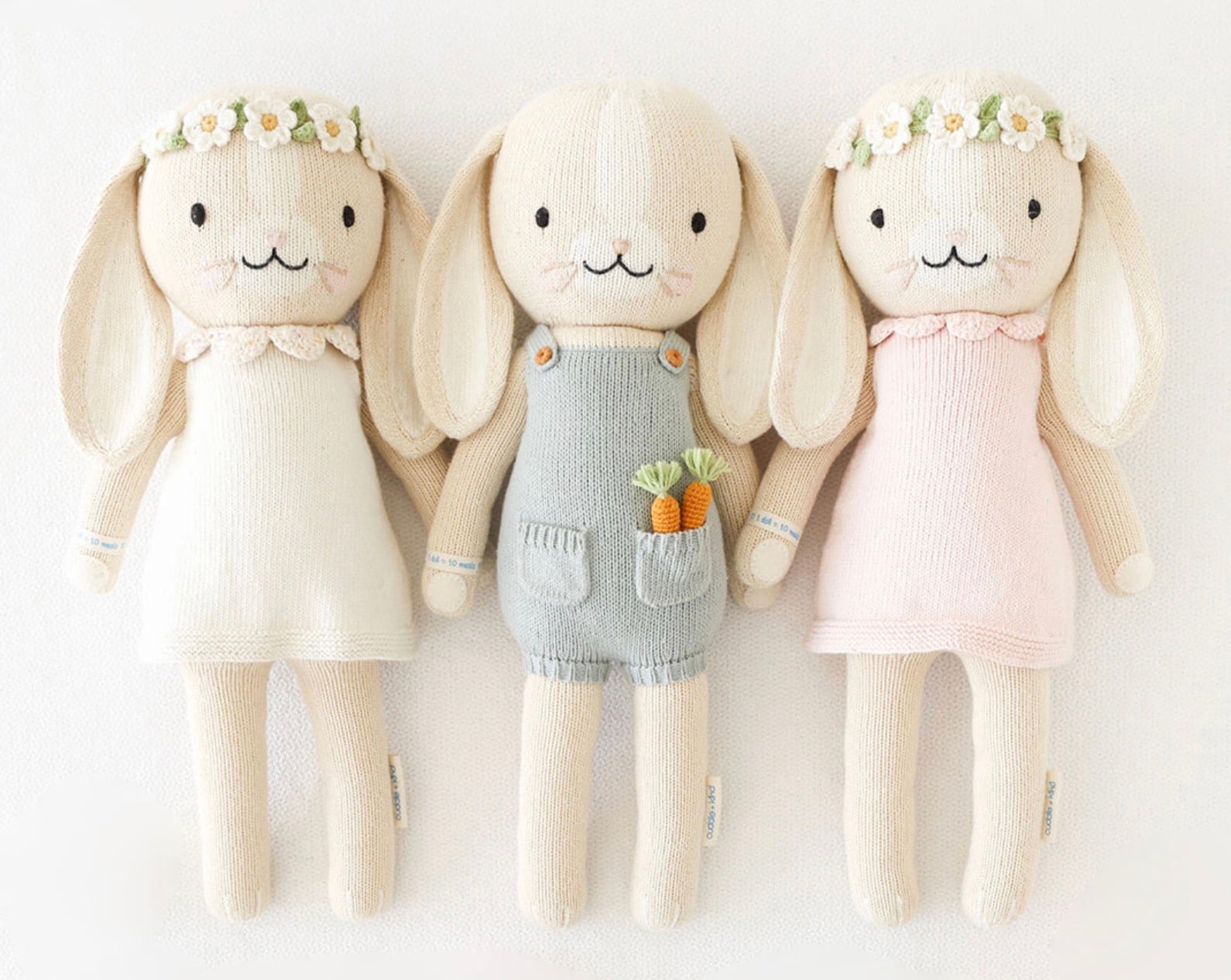
A significant shift in the 2026 gift market is the integration of corporate social responsibility (CSR) into consumer goods. Products such as handmade cotton dolls are no longer evaluated solely on aesthetics or material quality; consumers are increasingly weighing the ethical impact of their purchase. For instance, brands that operate on a "one-for-one" meal donation model have reported massive success, with some organizations reaching the milestone of 40 million meals provided to children in need. This reflects a broader trend where parents utilize gift-giving as an opportunity to educate children on global citizenship and charitable giving.
The Role of Nostalgia in Modern Toy Design
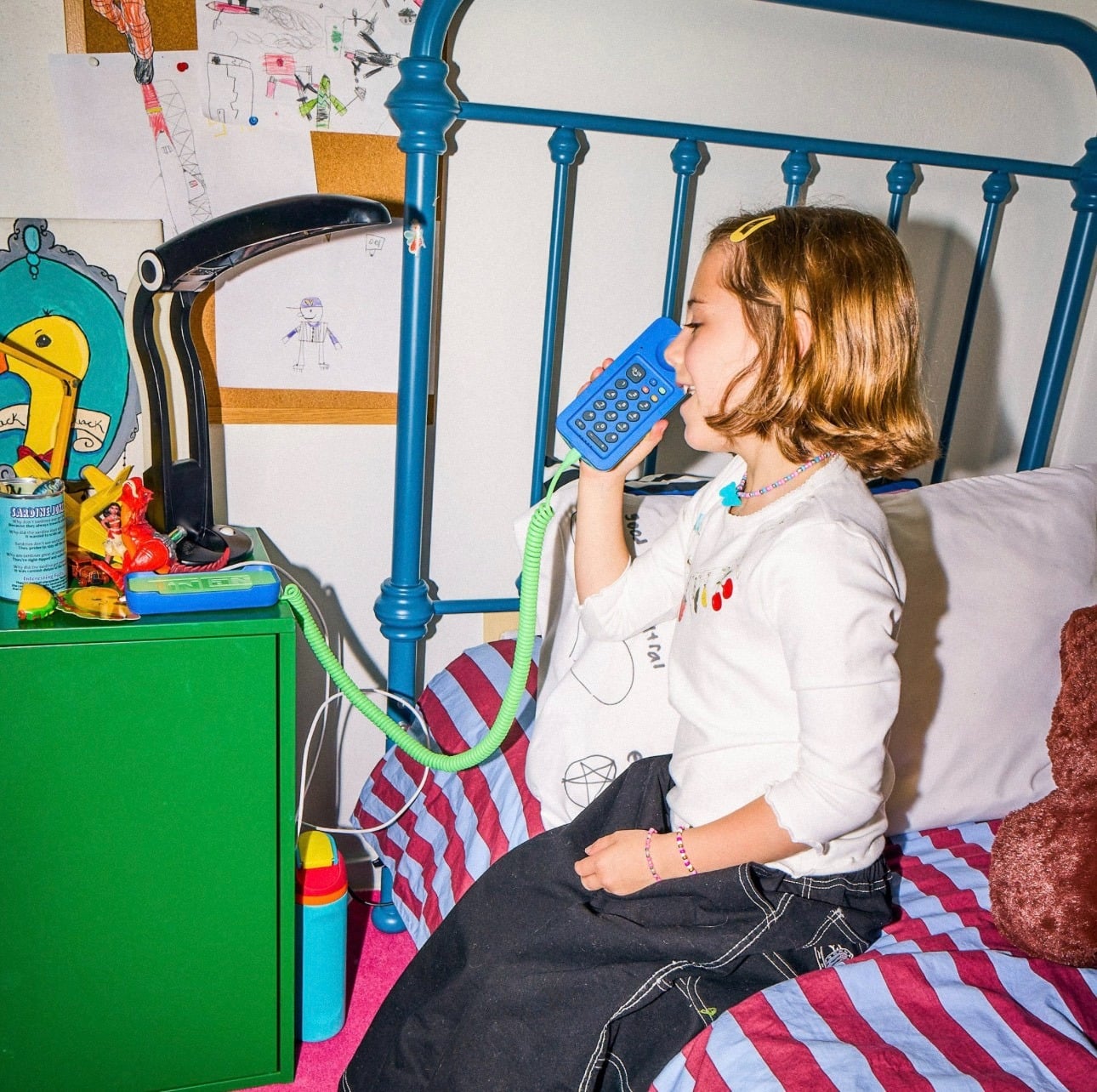
There is a paradoxical interest in retro-tech and "analog" connectivity. Items such as the "tin can" phone—which has been modernized with Wi-Fi integration—represent a design philosophy that honors traditional modes of communication while leveraging modern infrastructure. This phenomenon highlights a desire among parents to introduce children to the tactile sensations of previous eras—such as the act of holding a receiver or twirling a cord—in a way that remains functional in a digital environment.
Supporting Data and Economic Impact
The 2026 holiday shopping season is expected to see a moderate increase in total expenditure on toys, with an emphasis on durable goods. Economic indicators suggest that while inflation has impacted the cost of living, households remain committed to "milestone" gifting.
- Average Price Points: Most popular youth gifts currently hover between $15 and $130.
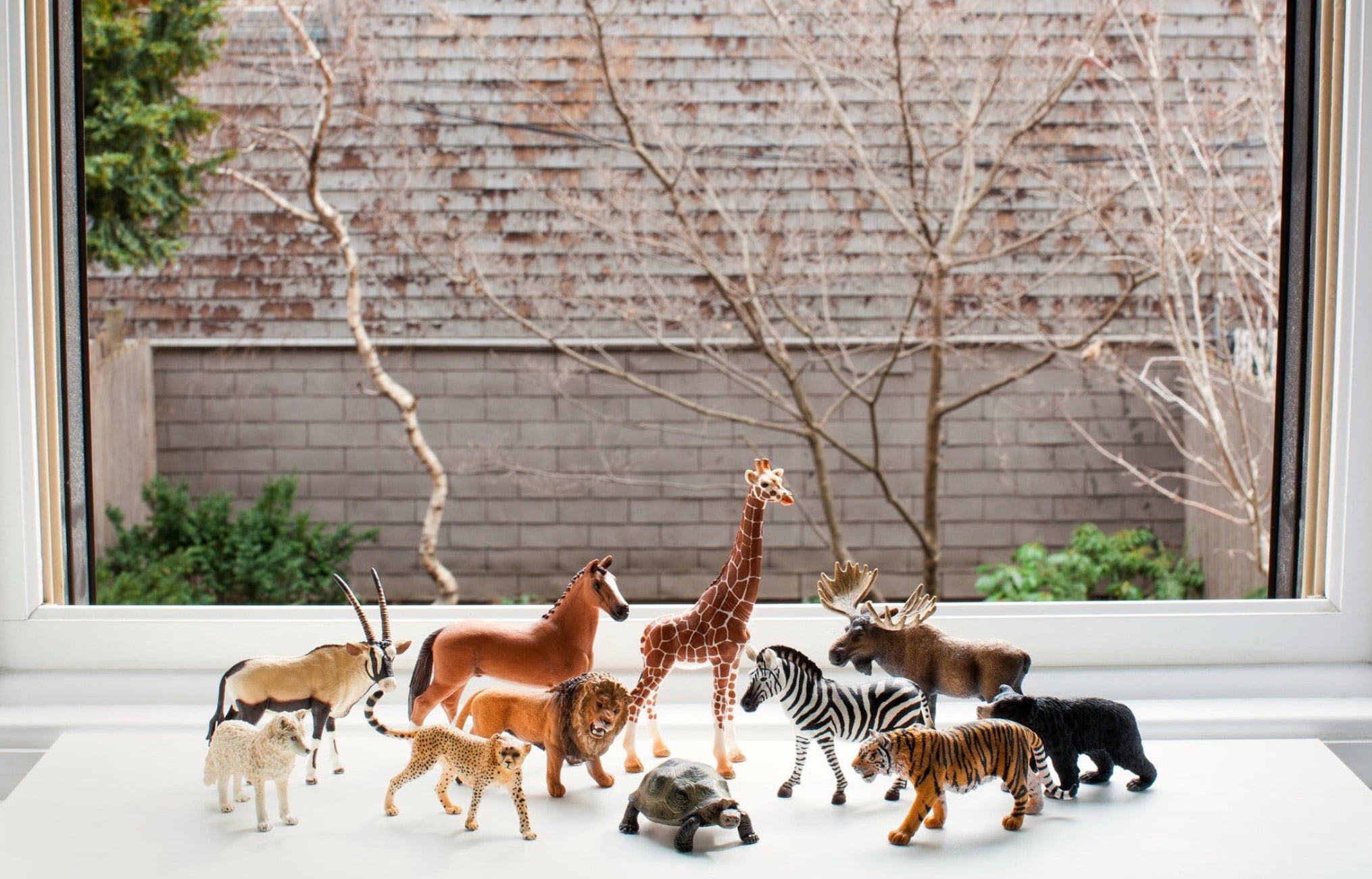
- Sustainability: There is an increased secondary market for high-quality items, such as Schleich animal figurines, which are prized for their durability and potential for intergenerational transfer.
- Consumer Sentiment: A recent survey of parents indicates that 68% of respondents prioritize gifts that encourage "offline" time, even if the gift utilizes some form of technology to function.
Expert Perspective: The Value of Open-Ended Play
Child development experts often emphasize the importance of "open-ended" play materials. Fort-building kits, which have become a consistent top-seller, allow children to construct environments rather than simply consuming a pre-fabricated product. By providing the structural components, these kits encourage spatial reasoning and collaborative engineering, skills that are highly valued in modern educational frameworks.
Broader Implications for Retailers
The success of these product categories underscores a shift in how retailers approach the youth market. Instead of focusing solely on the "newest" gadget, retailers are finding success by highlighting:
- Durability: Emphasizing the ability of a product to last through multiple children.
- Cross-Generational Appeal: Promoting items that parents and children can enjoy together.
- Storytelling: Providing context for the item, such as the history of a book or the charitable mission behind a doll.
Looking Ahead: The 2027 Outlook
As the industry moves toward 2027, the emphasis on quality over quantity is expected to intensify. The shift toward "meaningful" gifts—items that spark curiosity, foster connection, or support a broader cause—appears to be more than a temporary trend; it is a fundamental adjustment in the consumer behavior of parents and gift-givers. Whether through the lens of a $10 novelty notepad or a $130 nightlight, the objective remains the same: to provide children with tools that stimulate growth, creativity, and a sense of wonder in an increasingly automated world.
By observing these patterns, families can better navigate the crowded retail landscape to find items that offer longevity and genuine enjoyment. As demonstrated by the ongoing popularity of legacy toys and the rise of socially conscious brands, the best gifts remain those that invite participation, rather than passive consumption.