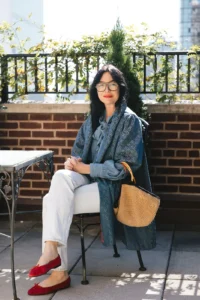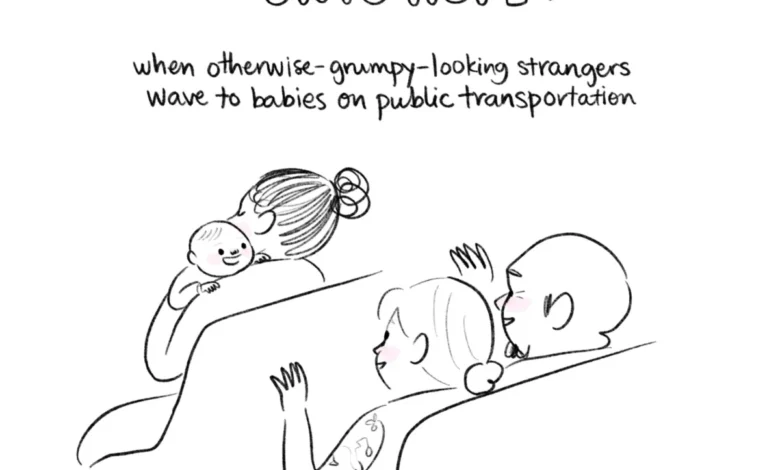
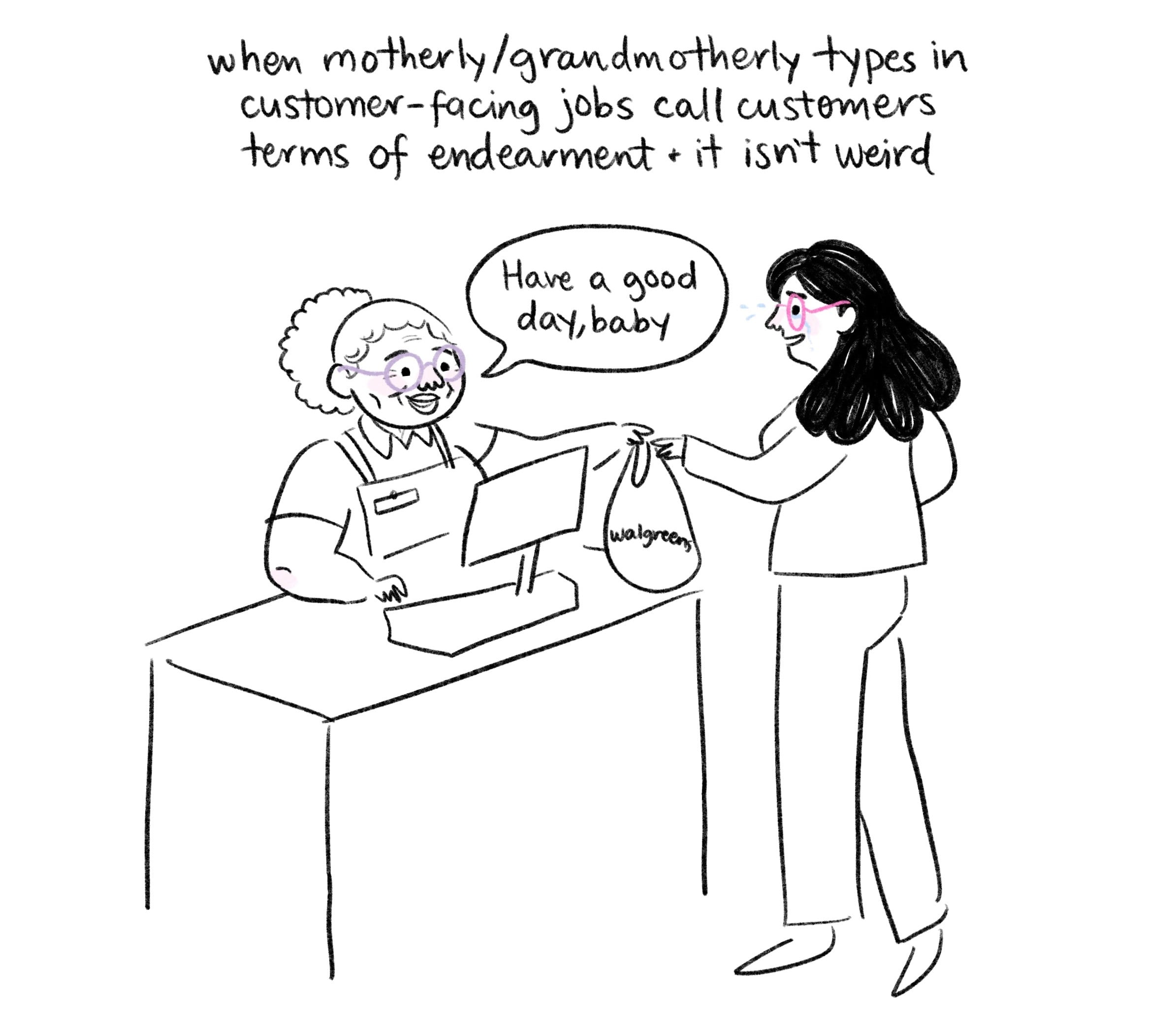
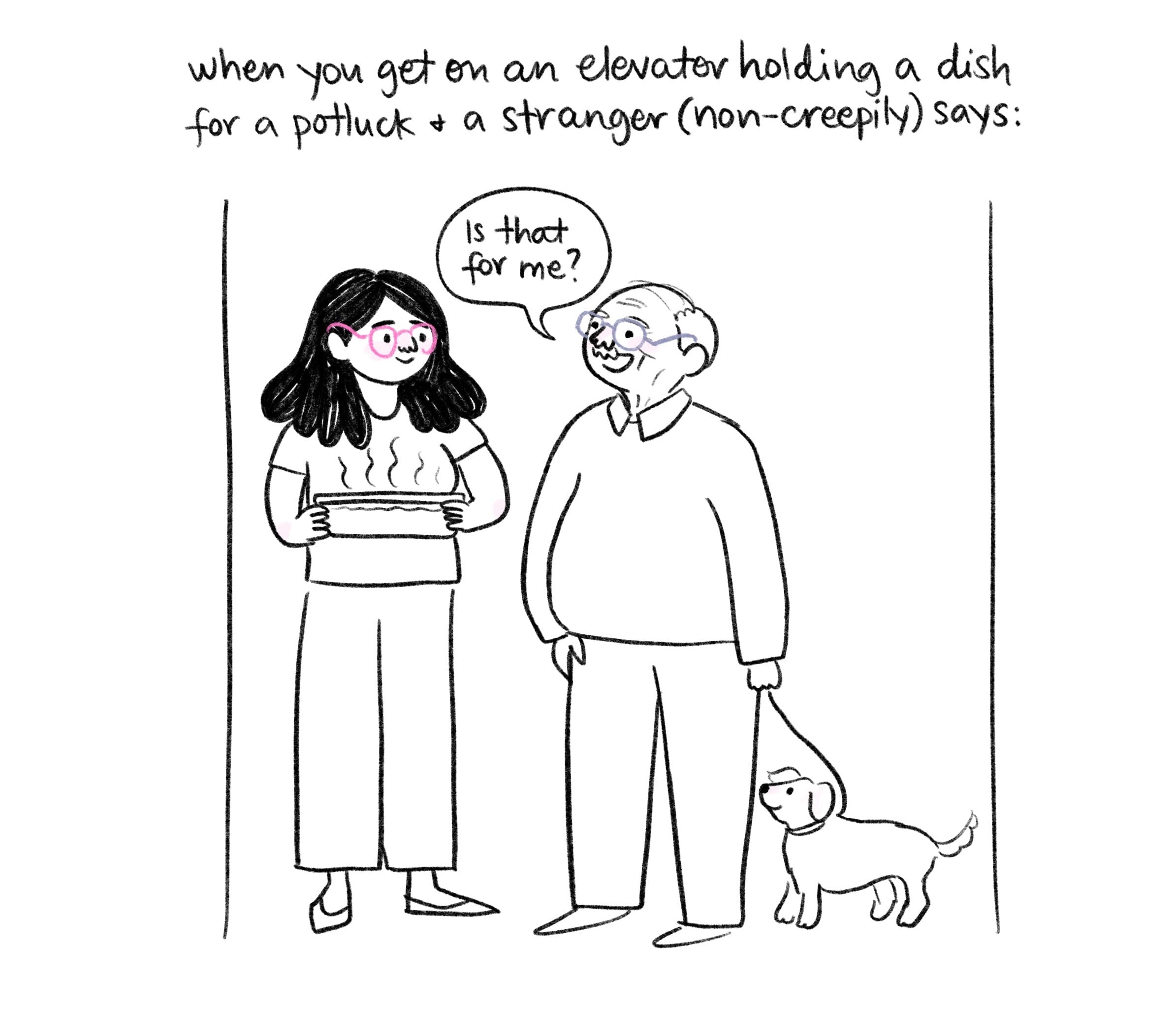
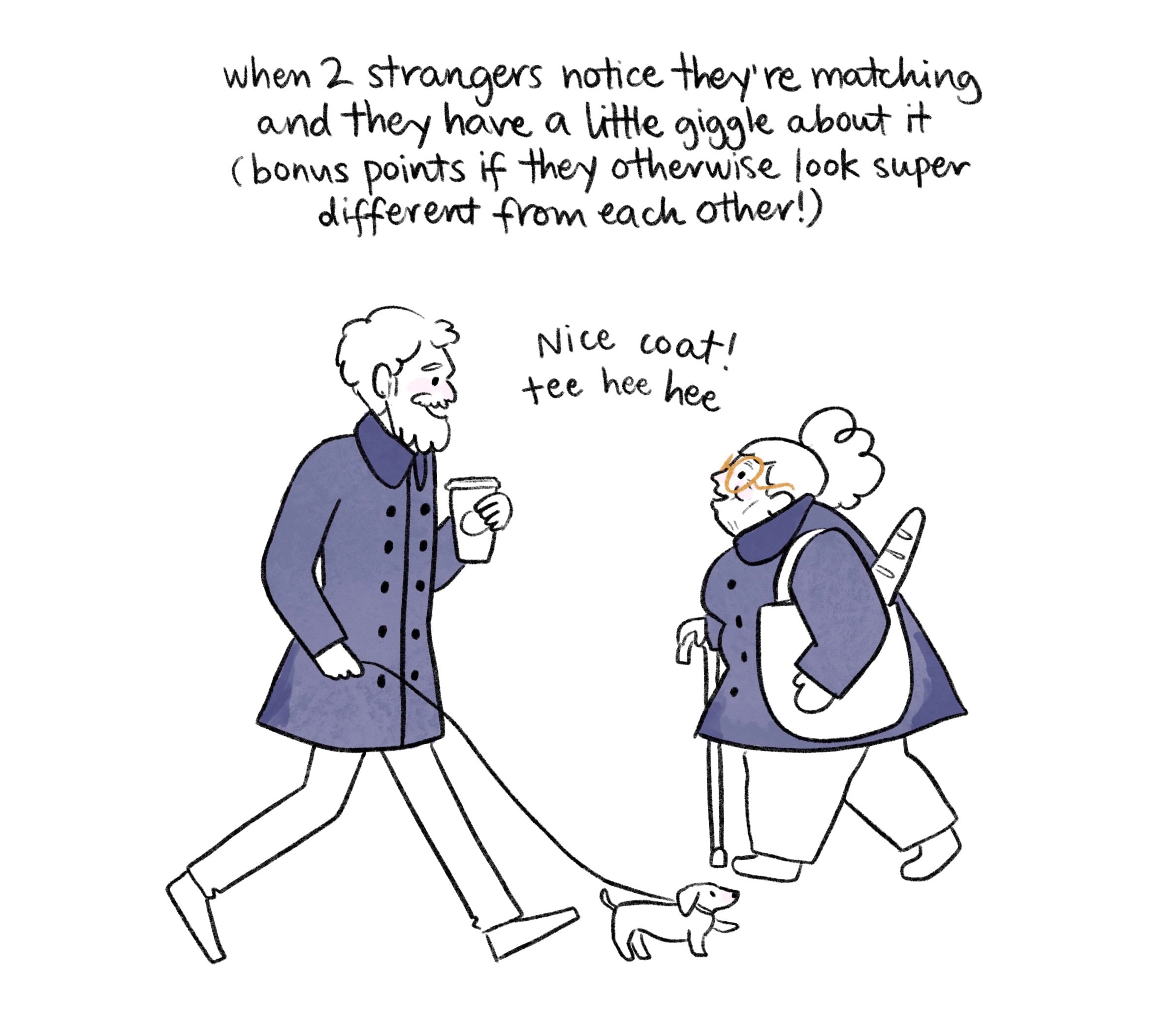
In an era frequently defined by geopolitical volatility, rapid technological shifts, and a pervasive sense of social fragmentation, the search for collective optimism has become a focal point for both mental health professionals and sociologists. Chicago-based artist and illustrator Tyler Feder recently released a visual narrative titled "Moments of Humanity," which explores the essential, often overlooked interpersonal gestures that sustain individual hope. By documenting small-scale, altruistic actions, Feder’s work serves as a case study for the psychological importance of "prosocial behavior"—voluntary actions intended to help or benefit another individual or group.
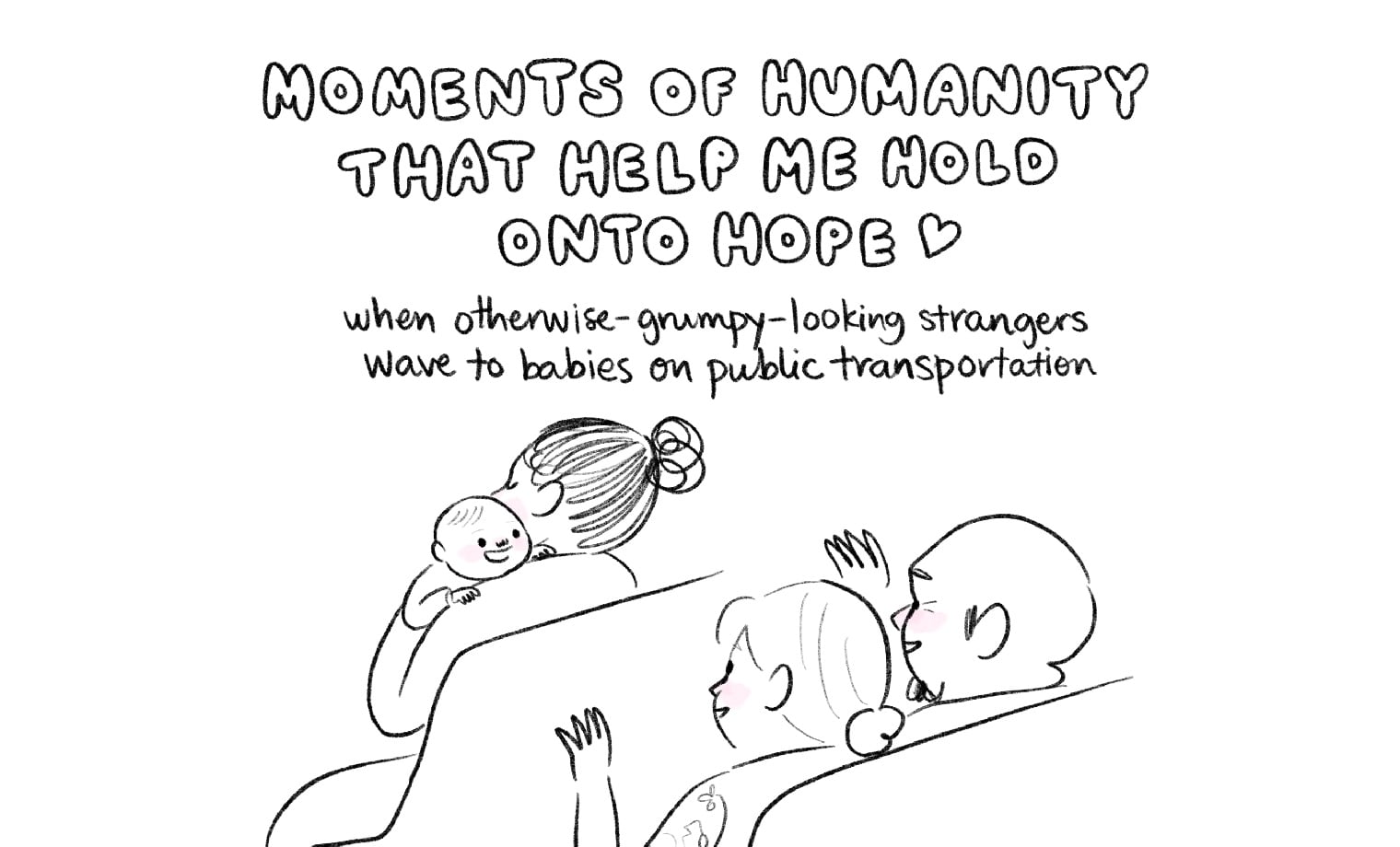
The Psychological Significance of Small Acts
The concept of "holding onto hope" through observation of human kindness is supported by a growing body of psychological research. According to studies conducted by the Greater Good Science Center at the University of California, Berkeley, witnessing acts of kindness—a phenomenon often referred to as "moral elevation"—can significantly reduce stress markers and increase feelings of connectedness.
Feder’s illustrations, which focus on everyday scenarios, reflect a broader societal trend of seeking solace in micro-interactions. In her artistic commentary, Feder suggests that when global narratives feel overwhelming, the scale of one’s focus must shift to the immediate environment. This aligns with the "broaden-and-build" theory proposed by psychologist Barbara Fredrickson, which posits that positive emotions broaden an individual’s awareness and encourage novel, varied, and exploratory thoughts and actions. By documenting these moments, Feder provides a visual catalog of the positive stimuli necessary for maintaining psychological resilience during periods of perceived national or global instability.
Chronology of Public Sentiment
The release of Feder’s work in November 2026 comes at a time when public sentiment in the United States and abroad has shown marked fluctuations regarding social trust. Data from the Edelman Trust Barometer, which tracks global confidence in institutions, has indicated a steady decline in trust toward traditional power structures since the early 2020s.
Following this trend, the mid-2020s have seen an explosion of "hope-based" content across social and independent media platforms. Chronologically, this shift can be traced back to the post-pandemic recovery period, where communities began to prioritize local mutual aid networks over large-scale institutional dependency. Feder’s work is the latest in a series of cultural contributions that emphasize the "human-to-human" connection as the primary driver for societal stability. The artist’s previous works, such as Bodies Are Cool and Dancing at the Pity Party, have consistently tackled themes of vulnerability and communal support, establishing a career-long focus on the necessity of emotional authenticity.
Supporting Data and Social Implications
Data from recent sociological surveys suggests that communal engagement is a primary indicator of long-term mental health. A 2025 study published in the Journal of Social Psychology found that individuals who regularly engage in, or witness, acts of kindness—such as assisting a stranger or participating in community service—report a 30% higher life satisfaction score compared to those who do not.
Feder’s artistic interpretation acts as a qualitative mirror to this quantitative data. By highlighting these moments, she encourages an observational shift in her audience. From a journalistic perspective, the implication of this work is significant: it suggests that in the absence of systemic solutions to macro-level crises, individuals are increasingly creating their own "narratives of hope." This is not merely a coping mechanism; it is a vital form of social participation that prevents burnout and cynicism.

Expert Perspectives on Visual Narratives
Art critics and mental health advocates have long discussed the role of visual storytelling in processing collective trauma. Dr. Elena Vance, a sociologist specializing in digital culture, notes that the impact of Feder’s work lies in its accessibility. "In a digital landscape often dominated by high-conflict discourse, a visual medium that focuses on quiet, humanizing moments serves as a necessary ‘circuit breaker,’" Vance stated. "It forces the viewer to pause and acknowledge that the ‘human experience’ is still largely defined by empathy and cooperation, despite the noise of the news cycle."
The resonance of this message is evident in the reception of Feder’s work. With substantial engagement across her platforms, the dialogue surrounding these illustrations has moved beyond the art itself, becoming a forum for readers to share their own experiences of unexpected kindness. This participatory aspect is a hallmark of contemporary digital community building, where the creator provides the framework, and the audience provides the context through their own lived experiences.
The Broader Impact of Micro-Altruism
The broader implications of Feder’s project suggest that hope is not a passive emotion but an active, observable, and replicable practice. By documenting these "moments of humanity," she is effectively training the brain to recognize patterns of kindness that might otherwise go unnoticed. This practice, known in cognitive behavioral therapy as "positive scanning," is a tool used to combat the brain’s natural negativity bias—the tendency to focus more on threatening or negative information.
Furthermore, the dissemination of these illustrations serves as a counterbalance to the "doomscrolling" phenomenon, where users consume excessive negative news, leading to increased anxiety and despair. By offering an alternative, focused narrative, Feder contributes to a growing digital movement dedicated to "constructive journalism" and "hope-based media."
Future Outlook: Maintaining Resilience
As we look toward the remainder of the decade, the demand for content that fosters connection and resilience is expected to grow. Organizations focused on social policy have increasingly begun to incorporate the findings of community-based psychology into their outreach efforts. If, as Feder’s work suggests, the solution to feeling overwhelmed is found in the small, human gestures of our neighbors, then the future of social health lies in our ability to foster and recognize these moments.
The success of Moments of Humanity indicates that there is a profound, unmet hunger for content that validates the reality of human kindness without ignoring the complexities of the world. It serves as a reminder that even when the broader geopolitical landscape seems fractured, the fundamental mechanisms of human empathy remain intact.

In conclusion, Tyler Feder’s work serves as a valuable case study in the power of visual documentation to influence public mood. By stripping away the abstractions of modern conflict and returning to the base unit of human interaction, she provides a roadmap for maintaining hope in uncertain times. As social researchers continue to study the impact of these narratives, it becomes increasingly clear that the survival of the social fabric depends as much on these small, individual acts as it does on large-scale systemic policy. For those struggling to maintain perspective, the takeaway is simple: the hope we seek is often found in the person standing next to us, in the small, quiet actions that define our shared humanity. As the conversation around mental wellness and social cohesion evolves, the role of artists and storytellers like Feder will be increasingly vital in navigating the complexities of the modern world.