Beyond the Wurst: A Comprehensive Guide to the Evolution and Diversity of German Gastronomy

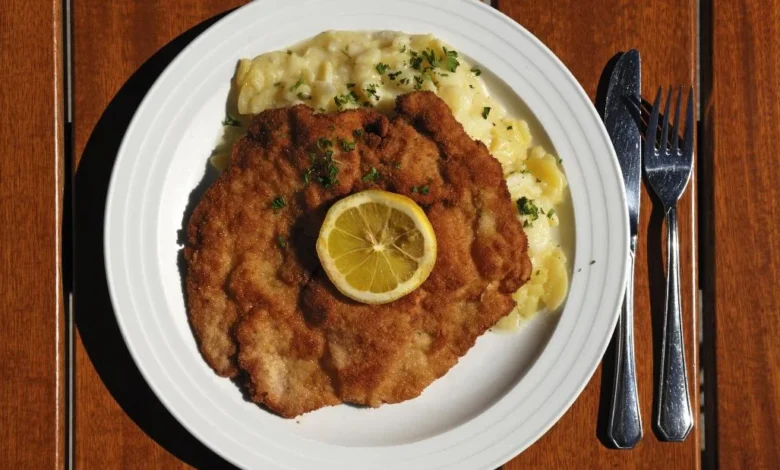
German culinary culture is frequently reduced to a simplistic trifecta of beer, sauerkraut, and sausage, yet this stereotype obscures a sophisticated landscape defined by regional diversity, agricultural integrity, and a centuries-long history of cultural exchange. Far from being a static collection of recipes, German cuisine represents a dynamic synthesis of indigenous agrarian traditions and the profound influence of immigrant communities that have reshaped the national palate over the last century. Today, the German food scene serves as a barometer for the country’s modernization, oscillating between a deep-seated reverence for traditional, high-quality, locally sourced ingredients and a cosmopolitan appetite for global flavors.
The contemporary German dining experience is characterized by a dual appreciation for the leisurely, well-prepared sit-down meal and the high-efficiency street food culture that keeps the country’s urban hubs functioning. This environment is supported by a robust infrastructure of local farmers’ markets, historic beer gardens, seasonal wine festivals, and a growing number of dedicated culinary museums that document the historical progression of national staples.
A Historical Trajectory of Taste
The evolution of German food is fundamentally linked to the nation’s shifting geography and socioeconomic climate. For instance, the dish known as Königsberger Klopse—meatballs in a delicate, caper-infused white sauce—serves as a poignant case study in political influence over cuisine. Originally named after the former East Prussian capital of Königsberg (now Kaliningrad, Russia), the dish faced an existential crisis during the era of the German Democratic Republic (GDR). Fearing that the name invited unwanted associations with the Soviet-annexed territory, officials rebranded the dish as "Kochklopse" (boiled meatballs). Following reunification, the dish regained its original title, and today it remains a staple of Berlin and Brandenburg, symbolizing the restoration of cultural heritage.
Similarly, the rise of street food in the mid-20th century highlights the impact of migration on the German identity. Currywurst, arguably the most iconic modern German street food, was born from the post-war scarcity of 1949. Herta Heuwer, a Berlin resident, famously bartered with British soldiers to obtain ketchup and curry powder, which she combined to transform a standard grilled sausage into a cultural phenomenon. Statistics indicate that approximately 800 million servings of currywurst are consumed annually across the nation, illustrating how a product of necessity evolved into a cornerstone of the national diet.
The Influence of Migration
The transformation of the German street food landscape was further accelerated by the labor migration of the 1960s and 70s. The Döner Kebab, introduced by Turkish immigrants, fundamentally altered the country’s food landscape. Kadir Nurman, a pioneer of the trade, is widely credited with serving the first Döner sandwich at West Berlin’s Zoo Station in 1972. What began as a simple preparation of meat, onion, and salad has since expanded into a complex culinary category, with regional variations featuring diverse vegetable arrays and specialized sauces. The Döner has transcended its origins to become a permanent fixture of the German urban diet, reflecting the successful integration of foreign culinary concepts into the mainstream.

Regional Specialities and Cultural Significance
Germany’s geography dictates a wide array of regional delicacies, many of which have gained official recognition for their role in cultural heritage. In southwestern Germany, particularly the state of Baden-Württemberg, Maultaschen—large, square pasta pockets filled with a mixture of meat, onions, and spinach—occupy a position of prestige. In 2009, the European Union granted Maultaschen protected regional specialty status, acknowledging their importance to the cultural identity of the Swabian region.
In the north, the seafaring tradition remains preserved through dishes like Labskaus. Developed during the 18th and 19th centuries as a method to render preserved ship provisions palatable, this dish consists of mashed salted beef, potatoes, and beetroot, served with pickled gherkins and rollmops (pickled herring). While its visual appeal is often debated, its status as a staple for Baltic and North Sea sailors has solidified its place in the regional diet, where it remains popular today, particularly in Hamburg, Bremen, and Kiel, often utilized as a traditional remedy for post-festivity recovery.
The Cult of Seasonality: Spargelzeit
Perhaps no aspect of German food culture illustrates the obsession with quality and seasonality more than "Spargelzeit," the official white asparagus season. Spanning from mid-April to June 24—St. John the Baptist Day—this period sees the national consumption of over 70,000 tons of white asparagus. The cultivation of this vegetable, often referred to as "white gold," has been documented in the Stuttgart region since at least 1686. The culinary treatment of the vegetable is standardized and ritualized; it is traditionally steamed or boiled and served with hollandaise sauce, butter, or olive oil, or integrated into soups and pancakes. The fervor surrounding this season is so profound that it dictates the menus of thousands of restaurants, reflecting a national commitment to seasonal eating that few other countries replicate at this scale.

The Technical Precision of Baking
Baking in Germany is treated with a level of scientific rigor rarely seen elsewhere, evidenced by the existence of dedicated research institutions such as the Institute for Bread. This focus on craftsmanship extends to pastry, with the Schwarzwälder Kirschtorte (Black Forest gateau) serving as a testament to the intersection of regional liquor production and confectionery. Contrary to popular belief, the cake is named not for the Black Forest mountain range, but for the regional specialty spirit "Schwarzwälder Kirschwasser," distilled from tart cherries. Since its alleged creation by Josef Keller in 1915, the cake has become a global ambassador for German dessert culture, with its sophisticated layering of chocolate sponge, whipped cream, and cherry distillate.
Analytical Overview of Consumption Trends
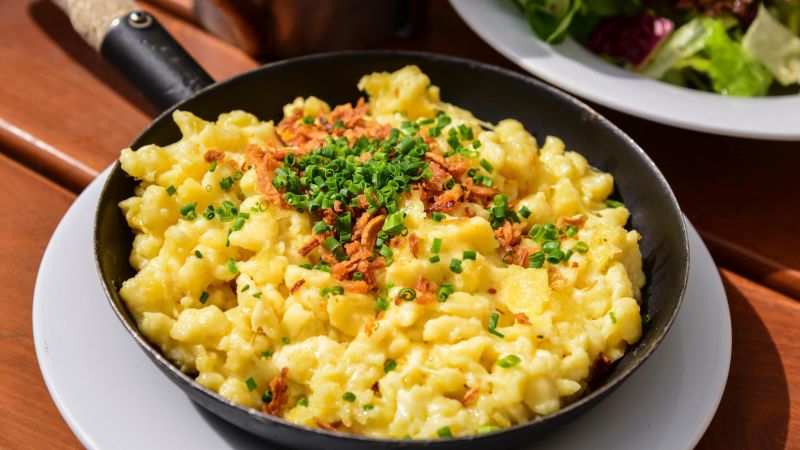
The German food market is currently experiencing a transition toward greater sustainability and health consciousness. The traditional, meat-heavy diets of the past are being augmented by a rising demand for vegetarian and vegan alternatives, a shift most visible in the evolution of dishes like Döner and regional noodle specialties like Spätzle. Kässpätzle—a dish of egg noodles layered with granular cheese and topped with fried onions—remains a popular staple in beer gardens and pubs, but increasingly, high-end variations and plant-based adaptations are finding their way into the market.
Furthermore, the "Kaffee und Kuchen" (coffee and cake) tradition remains a critical social anchor. Whether it is the classic German cheesecake (Käsekuchen), which relies on quark rather than cream cheese for its distinctively fluffy texture, or the whimsical "Spaghettieis"—an invention of Italian immigrant Dario Fontanella that mimics the appearance of pasta using vanilla ice cream and strawberry sauce—these desserts emphasize the importance of social ritual in the German dining experience.

Implications and Future Outlook
The resilience of these traditional dishes, when viewed alongside the rapid adoption of international street food, suggests a culinary culture that is highly adaptive yet deeply protective of its roots. As Germany continues to navigate the complexities of globalization, its food industry serves as a crucial point of contact between domestic agricultural production and international influence.
The ongoing efforts to codify and protect regional recipes—such as the EU’s recognition of Maultaschen—demonstrate a commitment to preserving cultural history in the face of mass-market homogenization. As the country looks toward the future, the integration of modern sustainability standards into traditional farming and preparation methods will likely be the next chapter in the history of German cuisine. For the traveler or the culinary historian, the German table offers more than sustenance; it offers a narrative of migration, adaptation, and an unwavering commitment to the art of the meal. From the humble potato pancake (Reibekuchen) found at winter markets to the elaborate pot roasts like Sauerbraten that define Sunday family gatherings, the German culinary landscape remains one of the most diverse and storied in Europe.