American Airlines Selected as Anchor Carrier for Phoenix Sky Harbor’s $4.5 Billion West Terminal Project

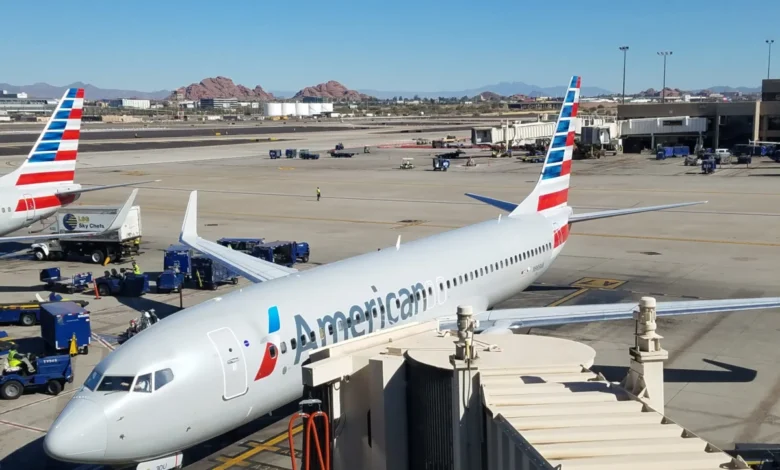
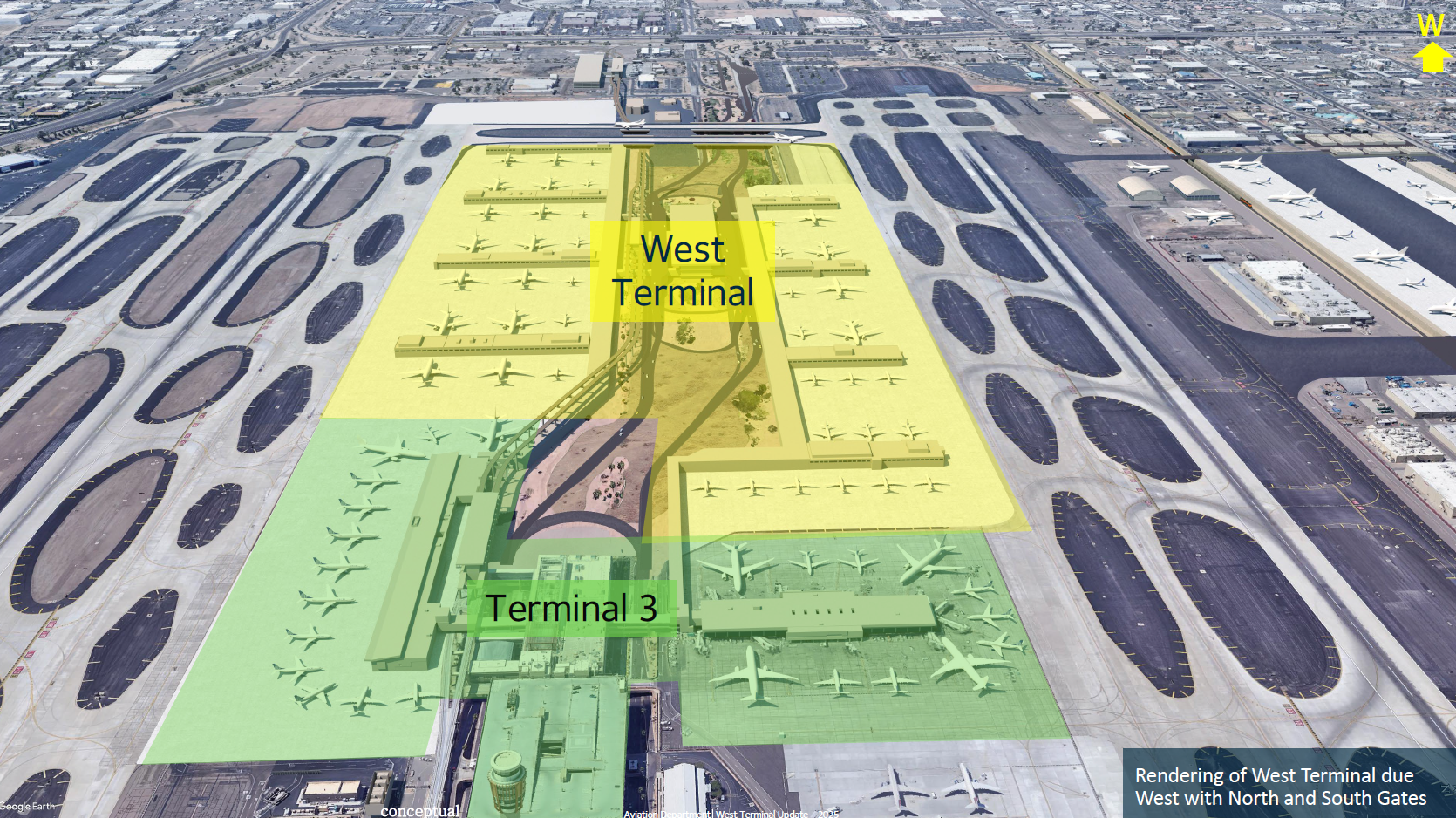
Phoenix Sky Harbor International Airport has officially designated American Airlines as the primary anchor carrier for its ambitious new West Terminal development, a project currently valued at $4.5 billion. This strategic selection marks a pivotal shift in the operational landscape of one of the nation’s busiest aviation hubs. The development, which is currently in the planning and procurement stages, is scheduled to open in late 2033, signaling a significant investment in the long-term infrastructure of the American Southwest.
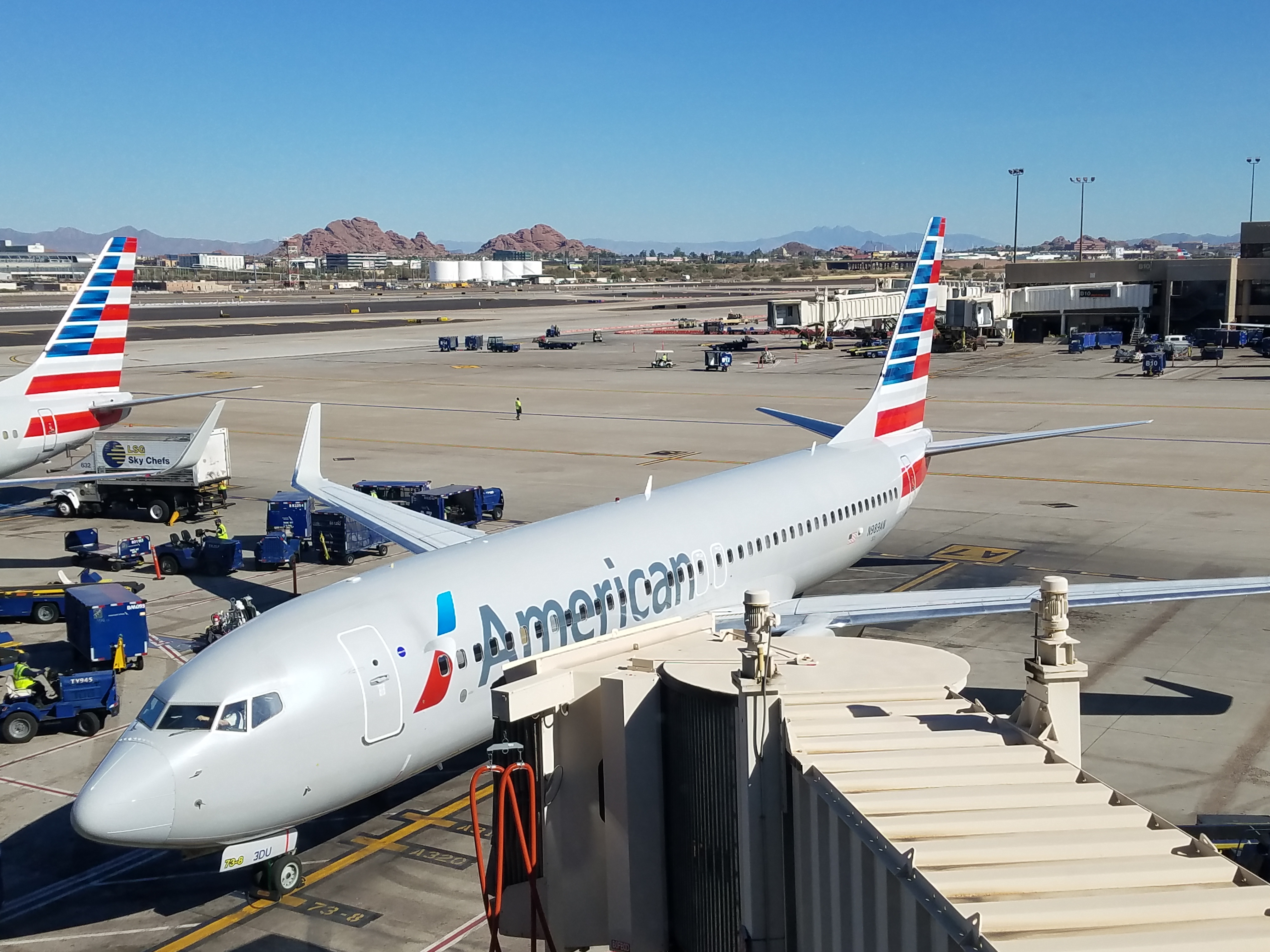
The West Terminal project represents the first entirely new terminal construction at Phoenix Sky Harbor since the inauguration of Terminal 4 in 1990. By transitioning its operations from the existing Terminal 4 to this state-of-the-art facility, American Airlines aims to enhance its capacity for international travel and accommodate a broader range of wide-body, long-haul aircraft. This move is expected to alleviate long-standing operational constraints at the airport, providing the necessary space for the carrier to scale its network while simultaneously allowing other airlines, most notably Southwest Airlines, to expand their footprints within the vacated space at Terminal 4.
The Strategic Importance of the Phoenix Hub
Phoenix Sky Harbor serves as a critical junction for American Airlines, a legacy established through the airline’s historical mergers with America West and US Airways. Data from the 2023–2024 fiscal year underscores the facility’s role as a major transfer point, with American Airlines accounting for 71% of all connecting passenger traffic. Southwest Airlines, the second-largest carrier at the airport, holds a 27% share of those connections.
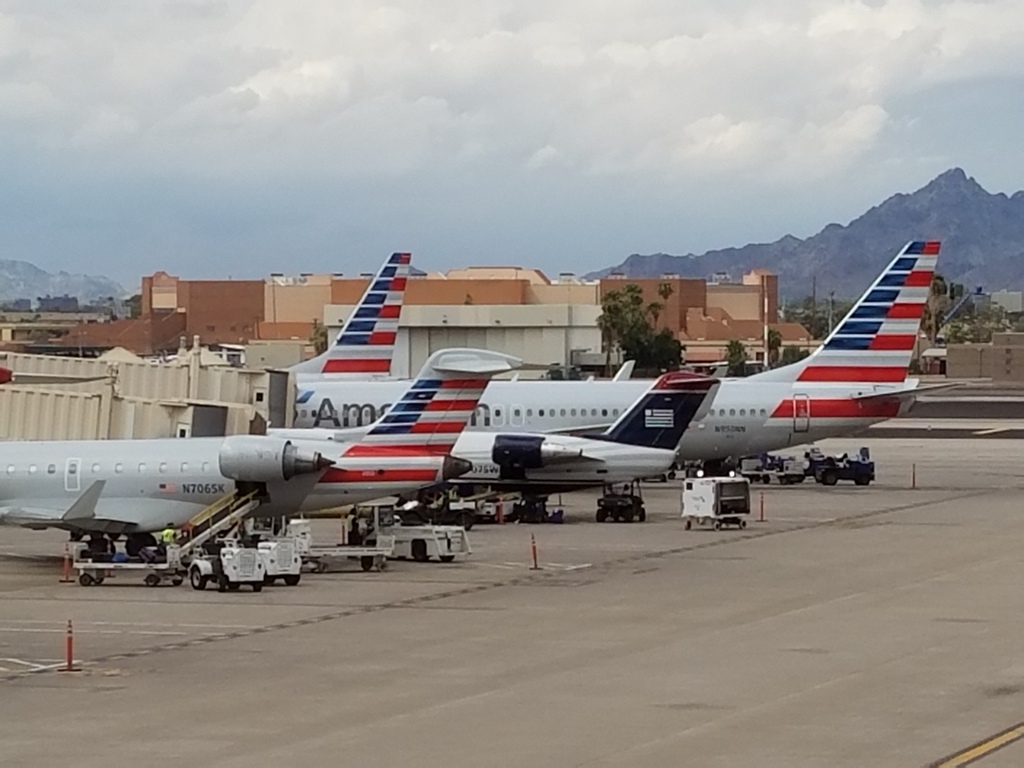
The current infrastructure has been pushed to its limits by these high-volume connection requirements. Industry analysts have frequently cited the logistical challenges of maintaining efficient operations under current conditions, where tight connection windows—sometimes as short as 25 minutes—create significant passenger friction. The design of the new West Terminal is expected to address these inefficiencies by implementing modern flow-management systems, improved gate proximity, and enhanced infrastructure capable of supporting the high frequency of arrivals and departures required by a major hub.
Operational Data and Market Share
The competitive landscape at Phoenix Sky Harbor remains dominated by two major players. According to full-year 2025 passenger statistics, American Airlines captured 40.5% of total passenger traffic, totaling 20,893,285 travelers. Southwest Airlines followed closely with 33.3%, or 17,201,906 passengers. Together, these two airlines represent nearly three-quarters of the airport’s total volume.
The remaining share is divided among Delta Air Lines (7.1%), United Airlines (6.2%), Frontier Airlines (4.5%), and the combined entity of Alaska Airlines and Hawaiian Airlines (3.7%). Other carriers account for the final 4.7% of the 51,618,649 passengers who utilized the airport in 2025.
The airport’s growth strategy, known as "Destination PHX 2050," anticipates a significant rise in total volume, with projections estimating an annual capacity of 90 million passengers. A notable demographic shift has also been observed: the percentage of passengers who begin or end their journey in Phoenix—as opposed to those merely connecting—has risen from 60% in 2009 to 72% in 2025. This increase in local passenger traffic necessitates expanded curb space, more efficient check-in areas, robust security checkpoints, and modernized baggage handling systems, all of which are central pillars of the West Terminal design.
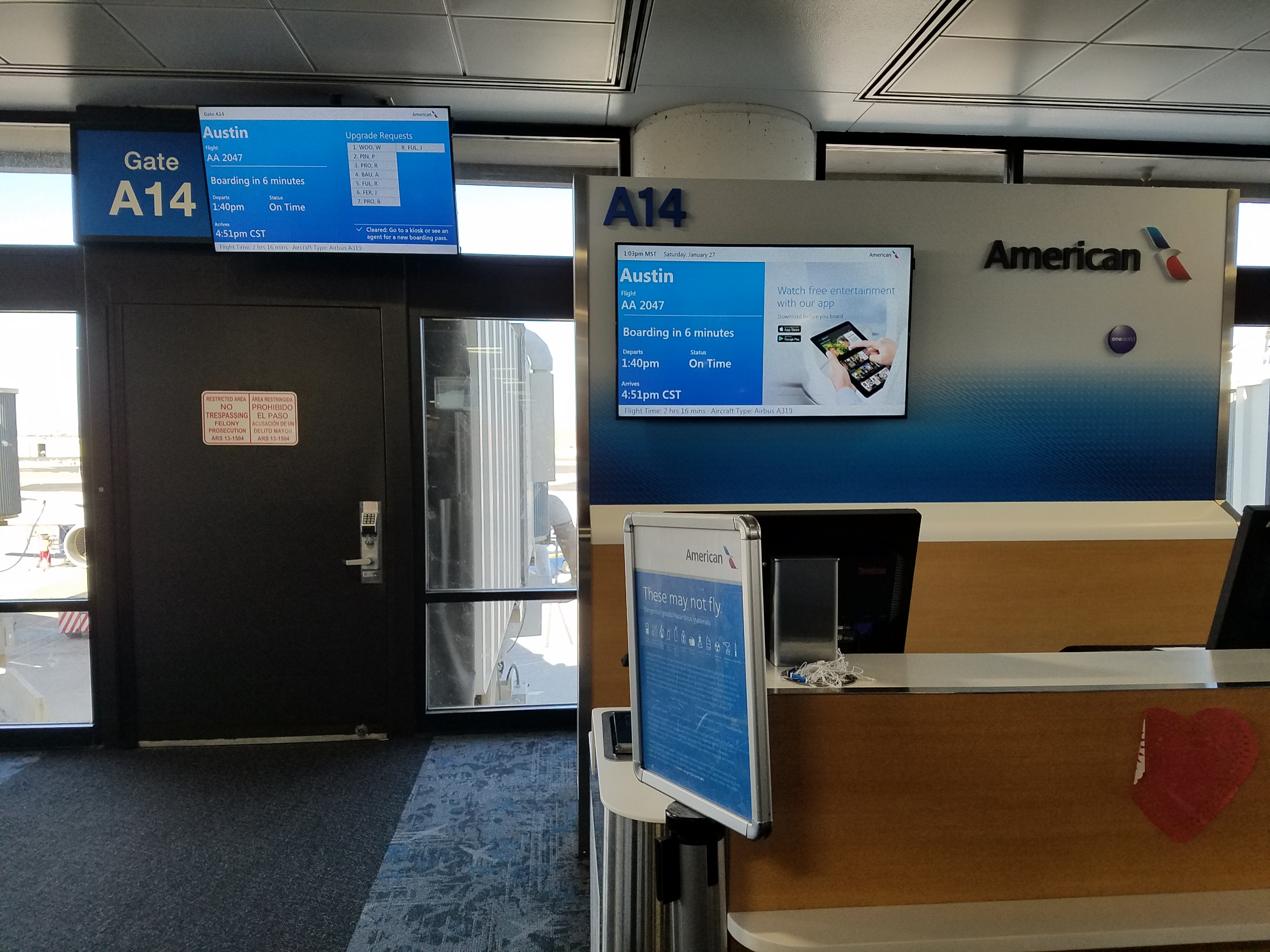
Project Timeline and Development Phases
The path to completion for the West Terminal is a multi-year undertaking that requires careful coordination with existing operations. The project timeline is structured as follows:
- 2025–2026: Planning and feasibility studies, including the relocation of cargo, parking, and maintenance facilities.
- 2027: Formal design procurement and selection of architectural and engineering partners.
- 2028–2030: Comprehensive design phase, focusing on modular construction and sustainable building practices.
- 2029–2033: Construction phase, with initial site work potentially commencing in late 2029.
- Late 2033: Targeted operational opening of the West Terminal.
Before construction can reach full velocity, the airport must finalize the relocation of essential maintenance and cargo facilities currently situated in the designated zone between Terminal 3 and the new Taxiway U. The airport authority is expected to release a detailed terminal program definition in December, following an update on phasing scheduled for November 4.
Corporate Strategy and Premium Experience
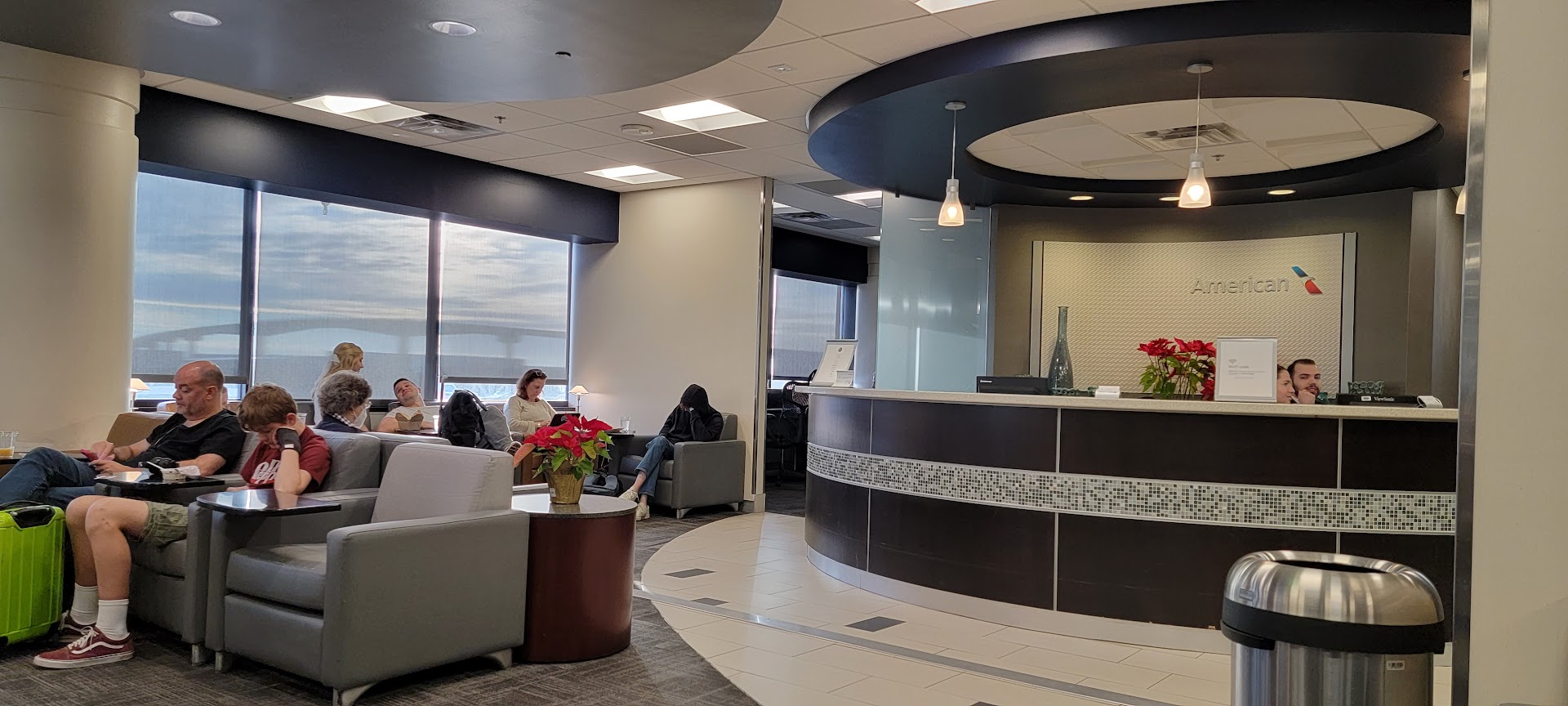
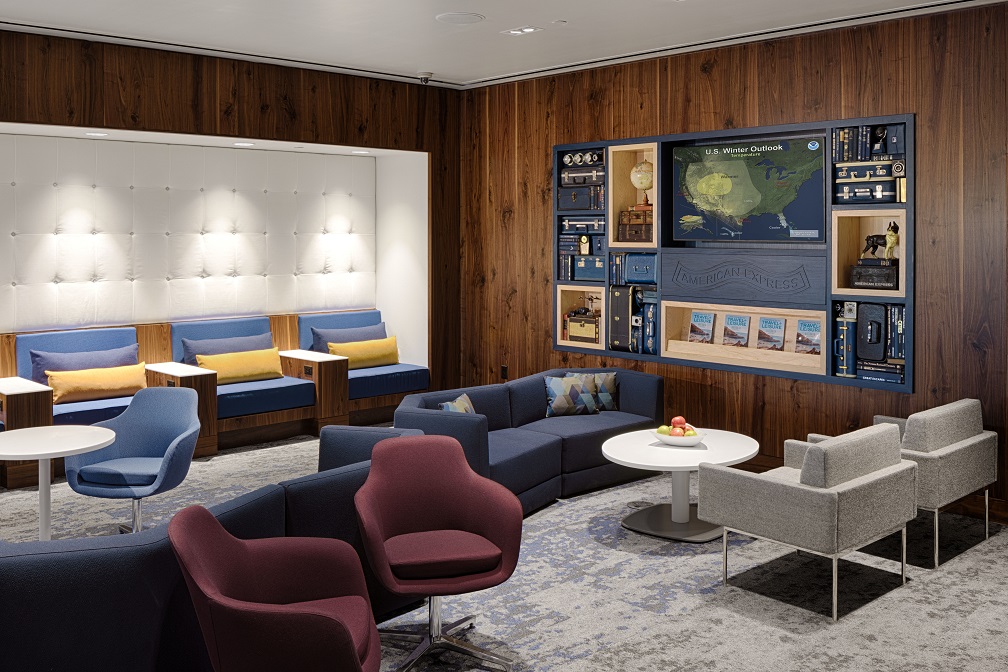
For American Airlines, the West Terminal is not merely a space expansion; it is an opportunity to elevate the passenger experience to match its premium service goals. CEO Robert Isom has emphasized that the new facility will incorporate "much-needed new premium spaces," addressing a long-standing criticism regarding the current lack of high-end lounge facilities.
Currently, American operates three undersized Admirals Clubs in Terminal 4, located at gates A7–A9, A19–A21, and B5–B7. The absence of a dedicated Flagship Lounge—the airline’s highest-tier offering—has been a point of contention for international travelers. While passengers currently utilize third-party lounges such as the Centurion, Escape, and Chase Sapphire clubs, the new terminal will allow American to integrate its own premium branding directly into the departure experience. Whether or not the airport will incorporate third-party lounge space in the new terminal remains a subject of ongoing discussions.
Broader Economic and Infrastructure Implications
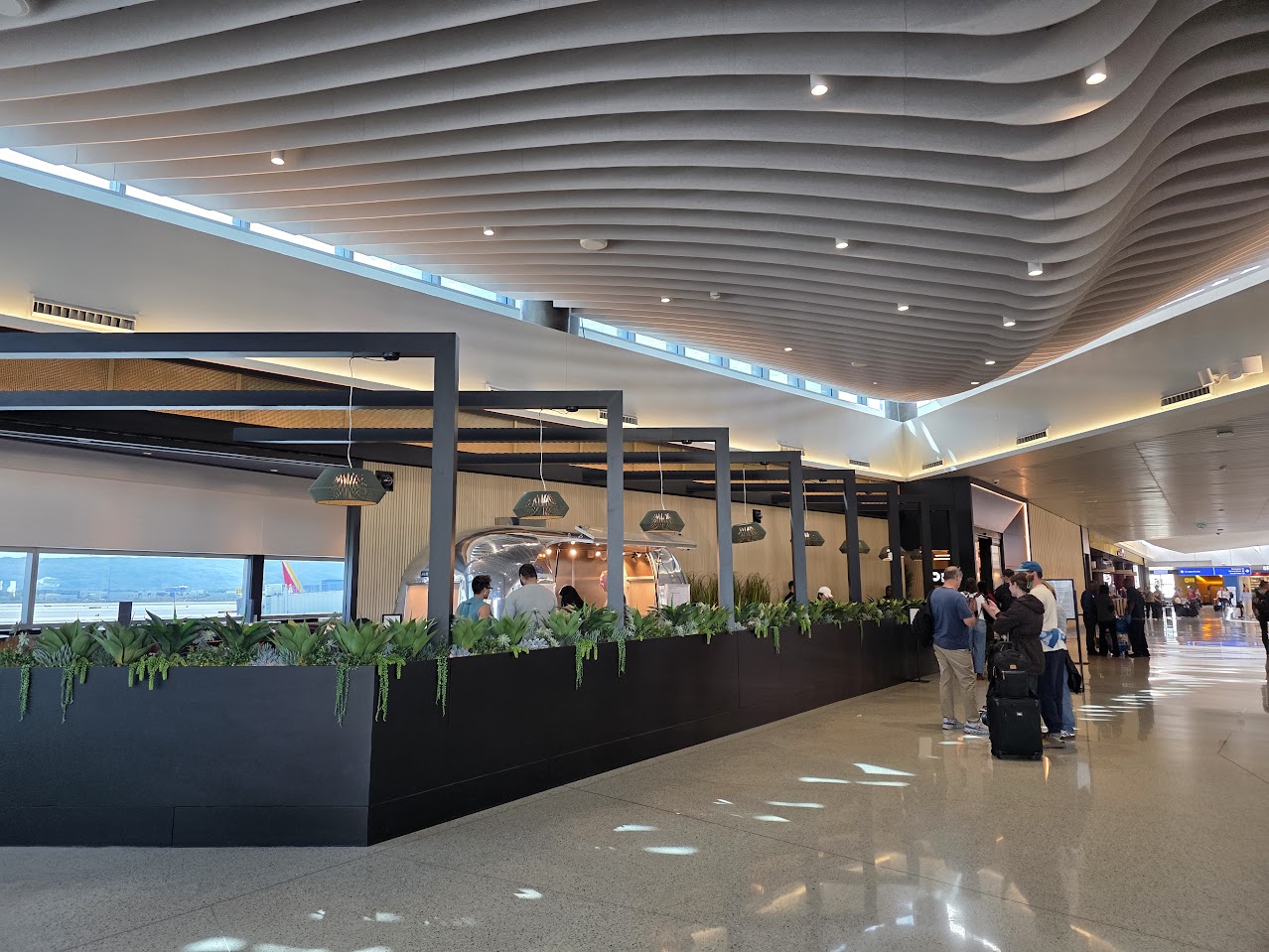
The investment in the West Terminal is part of a broader trend of infrastructure renewal across the American Airlines network, following similar projects in major hubs such as Dallas-Fort Worth, Los Angeles, Chicago, and Charlotte. By focusing on a modular terminal design, Phoenix Sky Harbor ensures that it can scale capacity as market demand fluctuates, rather than being locked into a rigid, non-expandable structure.
From an economic perspective, the project serves as a cornerstone for the region’s long-term prosperity. As an anchor tenant, American Airlines’ commitment to the facility provides the airport with the financial and operational stability required to secure the necessary funding for such a massive capital expenditure. The project is expected to create thousands of jobs during the construction phase and long-term roles in airport operations, maintenance, and logistics.
The integration of the new terminal with the existing PHX Sky Train system is another critical component. This ensures that the airport remains accessible and that transit times between terminals and parking facilities remain competitive for local passengers. By prioritizing long-haul international connectivity, the airport is positioning Phoenix as a premier gateway for both tourism and global business, bridging the gap between the Southwest market and international destinations.
As the airport moves forward, the primary challenge will be maintaining the current level of operational efficiency while executing such a complex transition. The decision to make the terminal modular reflects a prudent approach to airport management, allowing for the addition of concourses as passenger volume dictates. For the residents of Phoenix and the millions of travelers who pass through the city annually, the West Terminal represents a significant milestone in the evolution of regional air travel, promising a more seamless and modernized experience for the next generation of aviation.
Related posts: