A Culinary Journey Through China Exploring the Essential Dishes and Cultural History of a Global Gastronomic Giant

China possesses one of the world’s most diverse and complex food cultures, making the task of defining a singular list of "best" dishes nearly impossible. From the numbing spices of the Sichuan basin to the delicate, umami-focused seafood of the southeastern coast, Chinese cuisine is a vast tapestry of regional identities, historical migrations, and philosophical approaches to health and harmony. To understand the Chinese culinary landscape, one must look beyond the menu and into the centuries of tradition that have shaped these essential eats. By examining the history, preparation, and cultural significance of these dishes, travelers and food enthusiasts can gain a well-rounded perspective on a gastronomic tradition that has captivated the world for millennia.
The Imperial Legacy of the Roast Duck
The story of Chinese cuisine is often a story of its capitals. Peking duck, perhaps the most famous culinary export of the nation, serves as a prime example of how imperial history dictates gastronomic trends. While the dish is synonymous with Beijing, its origins trace back over 1,500 years to Nanjing, which served as the seat of various ancient imperial regimes. When the Ming Dynasty relocated the capital to Beijing in the early 1400s, the imperial court brought not only its administrative power but also its elite chefs and their prized roast duck recipes.
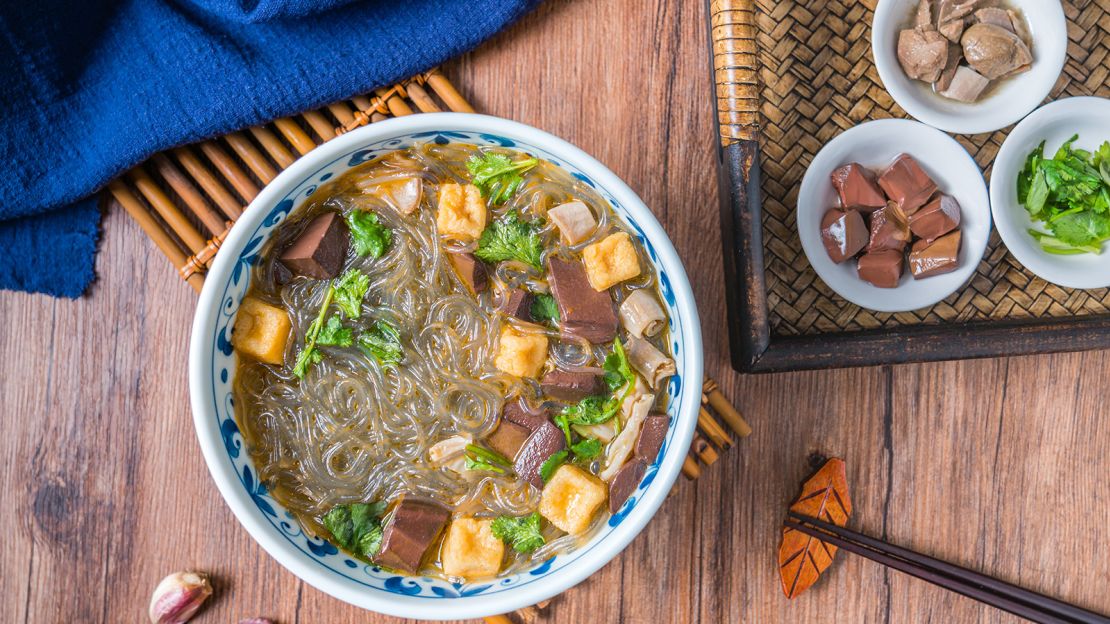
The evolution of the dish reached its peak in the Qing Dynasty, where the method of serving the duck—wrapped in thin, translucent pancakes with scallions, cucumber, and sweet bean sauce—was perfected. Today, the dish is celebrated for its crispy, lacquered skin, achieved through a multi-day process of air-drying and roasting in specialized ovens. In Nanjing, the original "duck capital," the obsession remains equally fervent but manifests differently. The city is famous for its duck blood vermicelli soup, a street food staple that utilizes the entire bird. By combining duck-bone broth with duck blood curds and offal like liver and gizzards, Nanjing’s chefs demonstrate the traditional Chinese value of "nose-to-tail" eating, ensuring no part of the animal is wasted.
The Art of Precision: Cantonese Steaming and Roasting
In the southern province of Guangdong, the culinary philosophy shifts toward the preservation of natural flavors. Cantonese cuisine is world-renowned for its emphasis on freshness, particularly regarding seafood. The steamed fish is a masterclass in this approach. Culinary experts argue that timing is the most critical element; the difference between a perfect dish and a failure is measured in seconds. If the fish is undercooked, the flesh clings to the bone; if overcooked, the delicate texture is lost. Usually seasoned only with sweetened soy sauce, ginger, and scallions, the dish relies entirely on the quality of the ingredient and the precision of the heat.
Beyond the steamer, the Cantonese "Siu Mei" (roast meat) shops offer some of the most technically demanding dishes in the country. Roast goose, often prepared in woodfire ovens using camphor or lychee wood, provides a smoky complexity that is difficult to replicate. The skin must be shatteringly crisp while the fat beneath renders into a rich, savory juice. Similarly, Char Siu (barbecue pork) utilizes a marinade of maltose, soy sauce, and rose wine to create a charred, sweet exterior. These roasting techniques have become global standards, influencing barbecue cultures far beyond China’s borders.

The Numbing Heat of the Interior: Sichuan and Hunan
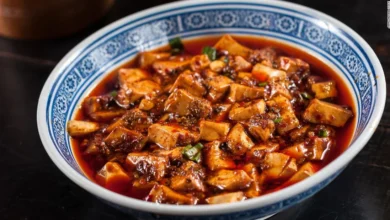
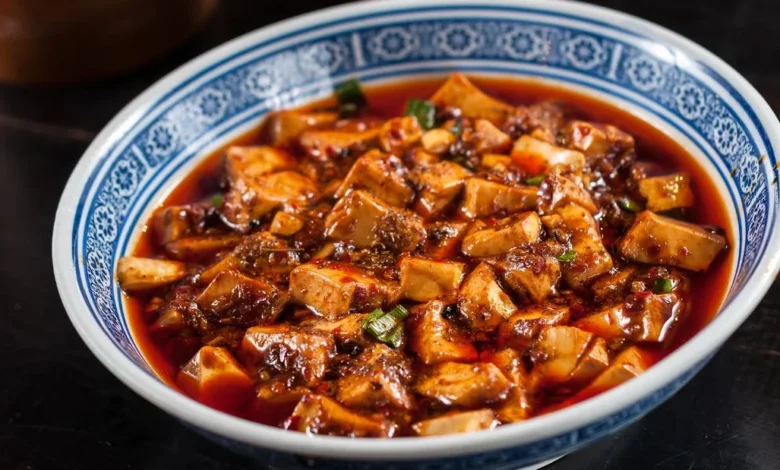
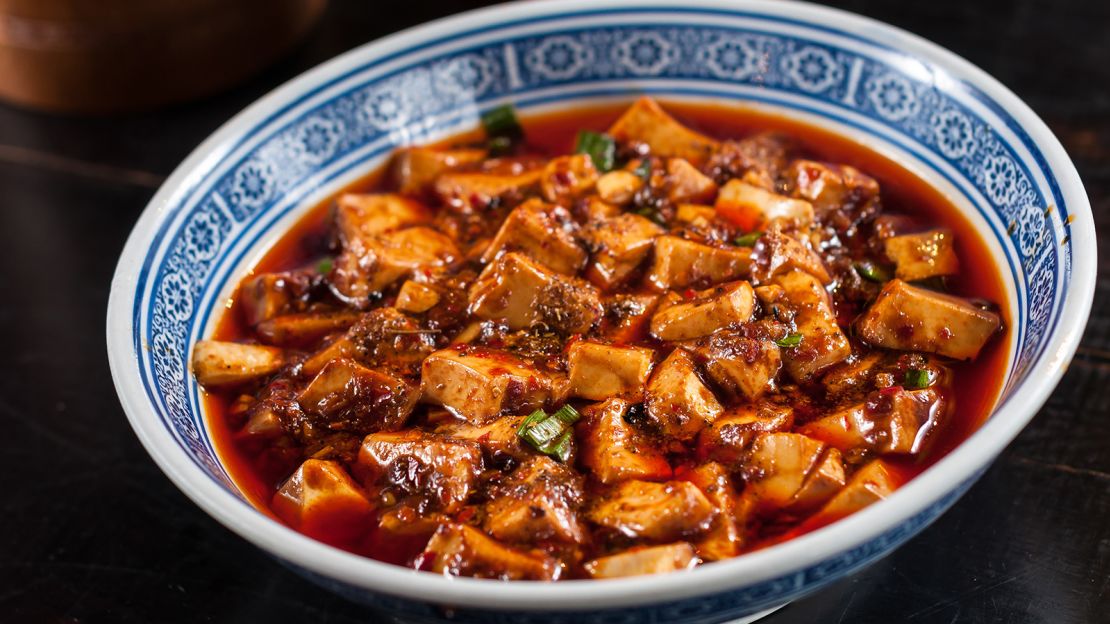
Moving inland to the mountainous regions of Sichuan and Hunan, the flavor profile changes dramatically. Sichuan cuisine is defined by "Ma La," a combination of numbing (ma) and spicy (la) sensations. This is best represented by Mapo Tofu, a dish that combines soft silken tofu with minced meat in a fermented bean paste sauce. Authenticity in this dish is highly guarded; local gourmets insist on using Hanyuan peppercorns and broad bean paste from the Pidu district to achieve the correct depth of flavor.
Sichuan is also the home of Dan Dan noodles, a dish that originated with 19th-century street hawkers who carried their ingredients on a "dan" (carrying pole). Whether served as a dry mix or in a spicy broth, the inclusion of "rou saozi"—finely chopped pork fried in lard—is considered essential for providing the necessary richness to balance the heat.
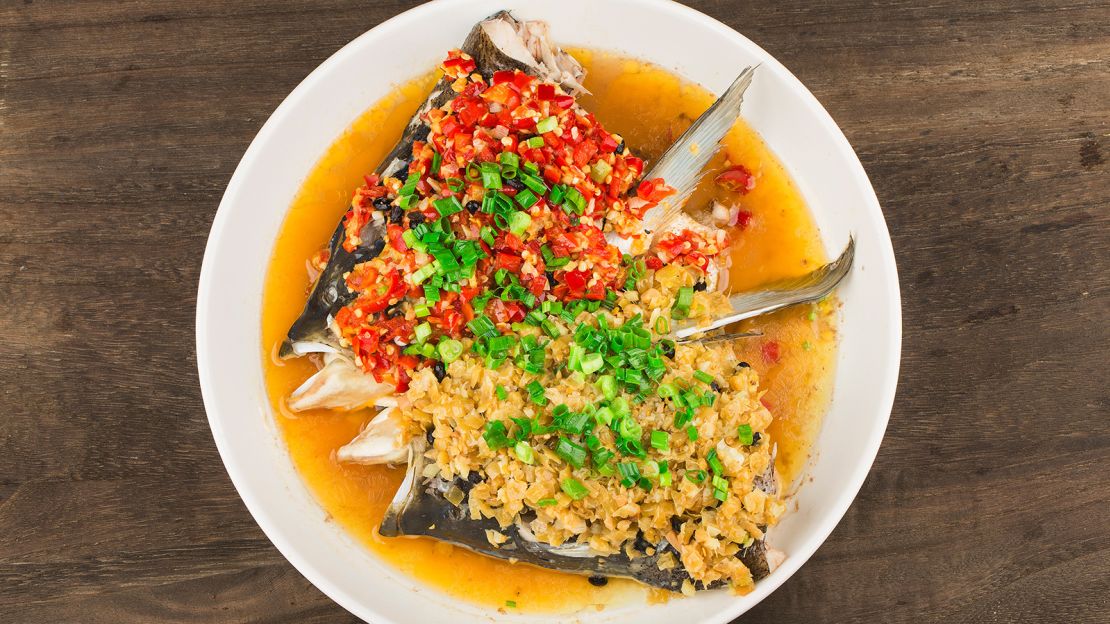
In neighboring Hunan, the heat is "Gan La" (dry spicy) or "Duo Jiao" (chopped chili). Unlike the numbing spice of Sichuan, Hunanese food focuses on the sharp, fermented tang of salted chilis. The signature dish, steamed fish head with chopped salted chili, uses a blanket of preserved red and green peppers to infuse the collagen-rich fish head with a pungent, salty kick. This regional preference for chili is so ingrained that it is celebrated in local folk songs, where the presence of chili is equated with the very definition of a meal.
Northern Staples and the Silk Road Influence
Northern China’s geography, better suited for wheat than rice, has produced a rich culture of noodles, buns, and dumplings. The city of Xi’an, the eastern terminus of the ancient Silk Road, offers a unique blend of Han Chinese and Islamic culinary traditions. Rou Jia Mo, often described as the "Chinese hamburger," features shredded pork belly braised for hours in a complex mix of star anise, cinnamon, and cloves, stuffed into a crisp, hand-toasted flatbread. The quality of a Rou Jia Mo is judged by the "chrysanthemum" pattern on the bread, a sign of perfect toasting.
Dumplings, or Jiaozi, remain the soul-comforting staple of the North. While they are eaten across China, they hold special significance during the Lunar New Year, symbolizing wealth and family unity. In Fujian, a unique variation called "Rouyan" uses wrappers made from pounded pork mixed with a small amount of flour, creating a "meat-on-meat" dumpling with a distinctively chewy texture.
Tianjin, a coastal city near Beijing, contributes one of China’s most popular breakfasts: Jian Bing Guozi. This savory crepe, made from a mung bean batter and filled with eggs, scallions, and deep-fried crisps, represents the efficiency and flavor of Chinese street food. The sight of a vendor skillfully spreading the batter on a circular griddle is a ubiquitous part of the morning routine in many Chinese cities.
The Philosophy of Balance: Medicinal Soups and Congee
Chinese cuisine is inextricably linked to Traditional Chinese Medicine (TCM). Food is seen as the first line of defense for health, with ingredients categorized by their "heating" or "cooling" properties. Cantonese herbal soups are the pinnacle of this philosophy. Simmered for hours, these soups use seasonal ingredients like snow fungus, winter melon, or dried scallops to restore balance to the body’s internal systems.
Congee (rice porridge) serves a similar therapeutic purpose. It is the universal comfort food of China, prescribed for everything from common colds to digestive issues. While it can be served plain, regional variations like the southern century egg and pork congee or the northern pumpkin and millet congee show how a simple base can be adapted to local tastes and nutritional needs.
Global Impact and Economic Significance
The global spread of Chinese cuisine has acted as a powerful form of "soft power," shaping international perceptions of Chinese culture. However, the versions of these dishes found abroad often differ significantly from their authentic counterparts. In recent years, there has been a concerted effort by the Chinese government and culinary associations to standardize and promote authentic regional cuisines.
The economic impact is substantial. According to data from the China Cuisine Association, the country’s catering industry has seen consistent year-on-year growth, with regional tourism increasingly driven by "foodies" seeking authentic experiences. Cities like Chengdu and Shunde have been designated as UNESCO Cities of Gastronomy, recognizing their contribution to global culinary heritage. This recognition has spurred an increase in culinary tourism, providing a significant boost to local economies and ensuring the preservation of traditional cooking techniques that might otherwise be lost to modernization.
Broader Implications and Future Trends
As China continues to urbanize, the culinary landscape is evolving. While traditional street food remains popular, there is a growing trend toward "fusion" and "elevated" versions of classic dishes. Fried rice, once a humble way to use leftovers, is now served in high-end restaurants with abalone and truffles. Xiaolongbao (soup dumplings) have become a global phenomenon, with chains like Din Tai Fung bringing the delicate art of the 18-fold wrapper to international audiences.
Despite these changes, the core principles of Chinese cooking—balance, texture, and the communal nature of the meal—remain unchanged. Whether it is a bowl of cross-the-bridge noodles from Yunnan or a tray of dim sum in Hong Kong, the act of eating in China is a way of connecting with history. For the traveler, these dishes are more than just sustenance; they are an entry point into one of the most sophisticated and enduring cultures on earth. As the world becomes more interconnected, the appreciation for the regional nuances of Chinese food continues to grow, moving beyond the "takeout" stereotypes toward a deeper understanding of the country’s rich gastronomic heritage.