Ancient Roman Gold Earrings and Coin Found in 1,750-Year-Old Child Grave Offer a Poignant Look at Ancient Grief

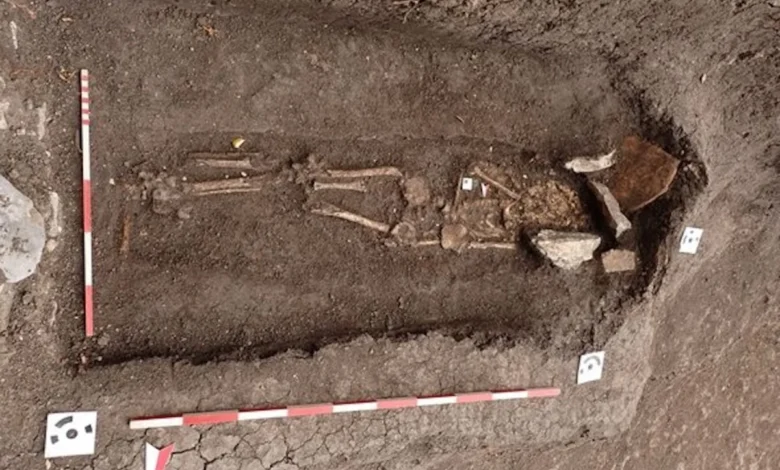
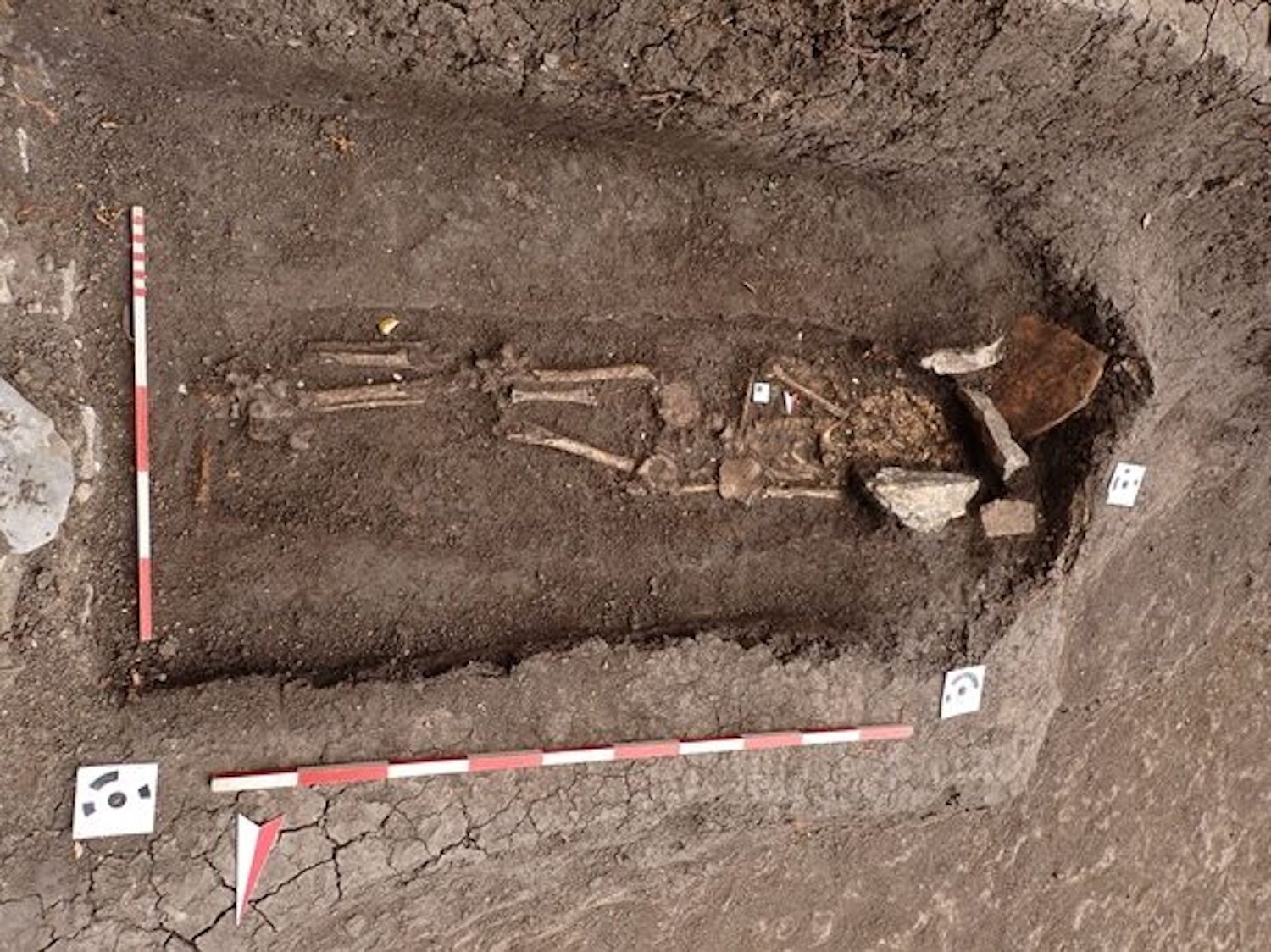
The quiet earth beneath modern-day Stara Zagora, Bulgaria, has once again yielded a profound connection to antiquity. During a routine site survey ahead of a planned residential and commercial development—specifically an apartment complex and parking garage project—archaeologists stumbled upon an ancient Roman necropolis. Among the approximately 135 individual graves excavated at the site, one particular burial has captured the attention of historians and scientists alike: a child’s final resting place containing impeccably preserved gold earrings and a single, precisely dated bronze coin known as an antoninianus.
This discovery, overseen by specialists from the Regional History Museum in Stara Zagora, offers more than just a glimpse into the material wealth of the ancient Roman province of Thrace. It provides a deeply human, somber window into the domestic lives, emotional landscapes, and complex funerary rituals of families living on the fringes of a sprawling superpower during the tumultuous third century CE.
Main Facts of the Discovery
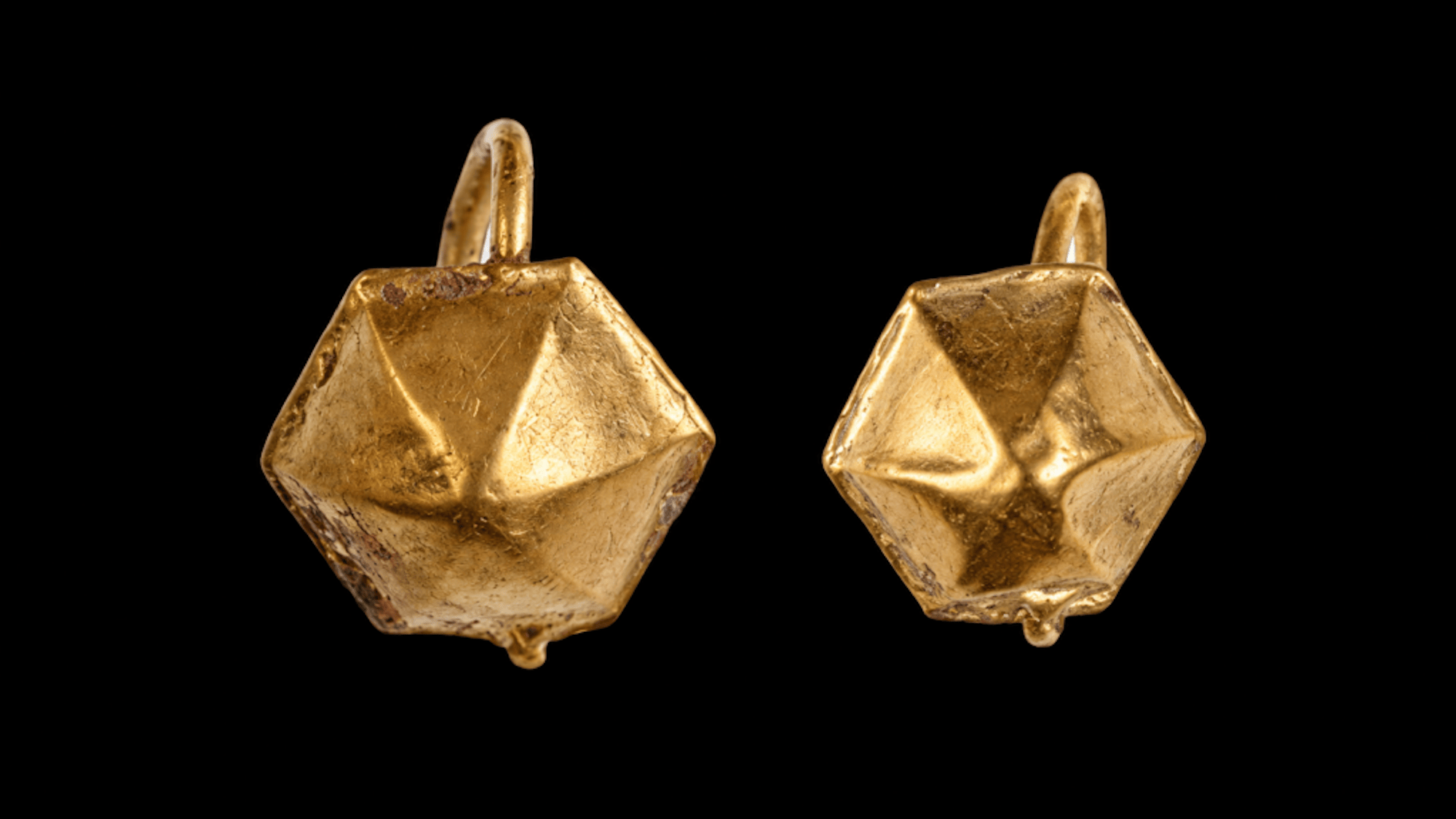
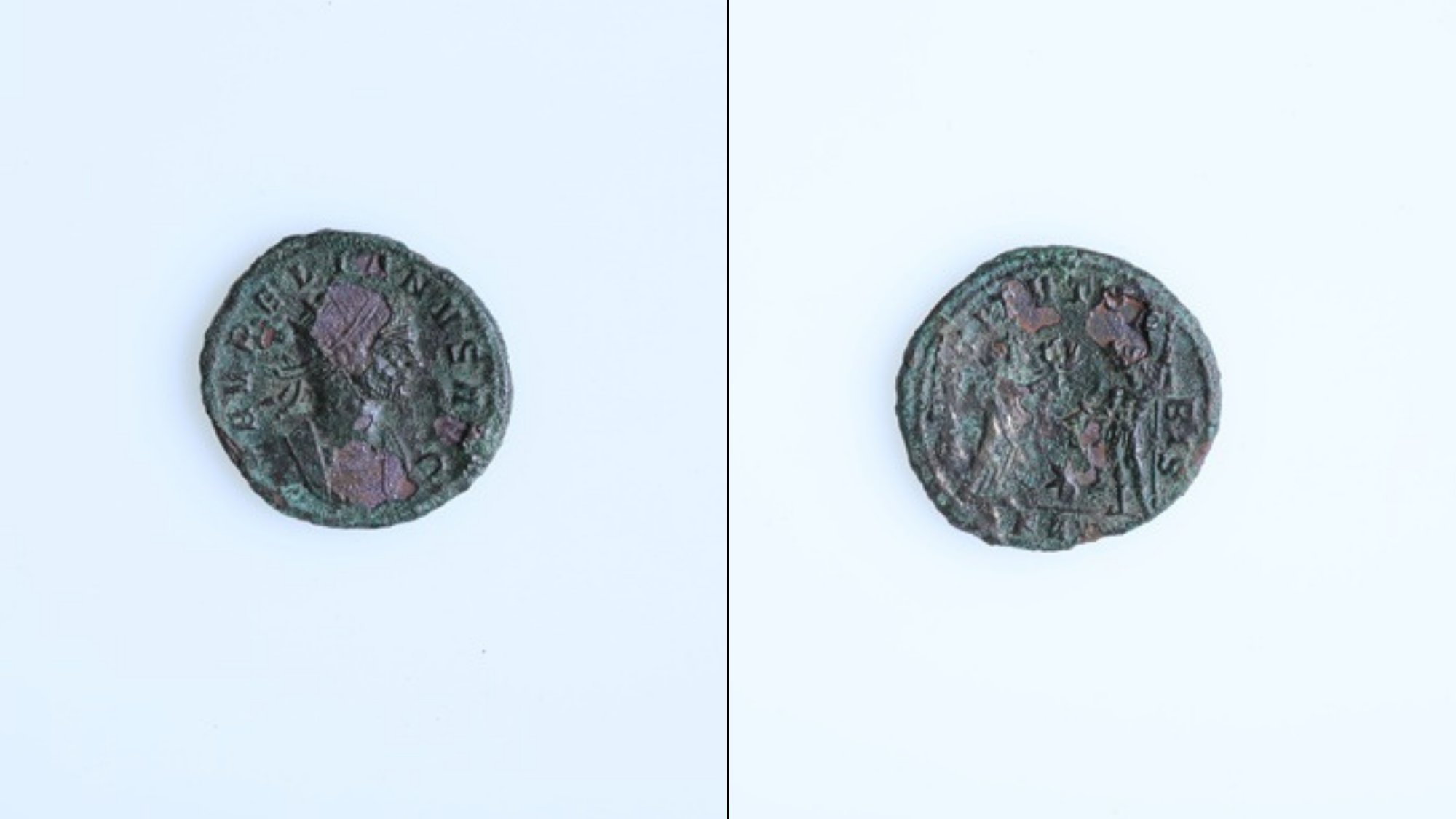
The excavation site lies just outside the perimeter of the ancient Roman city of Augusta Traiana, located in the historical region of Thrace. The child’s grave, distinguished by its modest yet touching funerary inventory, included a pair of delicate, intricately crafted gold earrings, suggesting that the young individual belonged to a family of at least moderate socioeconomic standing. Accompanying the jewelry was a small bronze antoninianus, a denomination of Roman currency that allows numismatists and archaeologists to anchor the burial to a remarkably narrow timeframe.
According to analysis by the Regional History Museum, the coin was minted in either 274 or 275 CE. Because currency of this nature typically entered circulation relatively quickly after production, researchers deduce that the child likely passed away around this exact period or shortly thereafter. While the physical remains have not yet yielded definitive answers regarding the child’s exact age, gender, or cause of death, the presence of high-status grave goods highlights the tenderness and care with which the family marked their loss.
Historical Context and Chronology of Augusta Traiana
To fully understand the significance of the Stara Zagora burial, one must examine the deep historical roots of the region. At the zenith of its power, the Roman Empire encompassed approximately 1.9 million square miles of territory, stretching from the misty borders of Britannia to the arid expanses of Mesopotamia, and incorporating diverse cultures across central Europe and the Near East.
The trajectory of the Thracian region changed dramatically in 46 CE, when the Roman Empire formally annexed the territory, integrating it into the provincial administration. Decades later, during the reign of Emperor Trajan—who ruled from 98 to 117 CE and is widely celebrated as one of Rome’s "Five Good Emperors"—the settlement was refounded and elevated to the status of a colonial city, officially named Ulpia Augusta Traiana.
Augusta Traiana rapidly blossomed into one of the most prominent urban, economic, and cultural hubs in the province of Thrace. Benefiting from fertile agricultural lands, strategic trade routes, and robust infrastructure, the city grew so prosperous that the central Roman authorities eventually granted it the prestigious right to operate its own local coin mint during the second and third centuries CE.
Despite suffering through subsequent historical upheavals, barbarian incursions, and the eventual transition into the Byzantine era, the physical traces of Augusta Traiana never truly vanished. Today, modern Stara Zagora is built directly atop these ancient ruins. It is common for civil engineering projects, utility upgrades, and commercial developments to inadvertently unearth remnants of the Roman past, prompting emergency archaeological rescues like the one that revealed the 135-grave necropolis.
Funerary Customs and the Symbolism of the Coin
The inclusion of the bronze antoninianus in a child’s grave connects the physical find to long-standing classical mythologies surrounding death and the afterlife. In ancient Greek and Roman religious traditions, the transition from the mortal realm to the underworld required crossing mystical boundaries, most notably the rivers Styx and Acheron, typically navigated by the ferryman Charon.
To ensure that a deceased soul was not left stranded on the shores of the living world as an eternal wanderer, relatives would routinely place a coin—known colloquially as "Charon’s obol"—inside the mouth or among the grave goods of the deceased. This coin served as the symbolic fare required to pay the ferryman for passage across the river.
While the practice is well-documented in classical literature and archaeological records across the empire, finding such an offering in a child’s grave carries an undeniable emotional weight. It suggests that grieving parents or relatives were not merely following a rigid societal template; they were actively engaging in a personalized ritual designed to protect and guide their vulnerable child through the terrors of the unknown afterlife. The pairing of the coin with the gleaming gold earrings—items meant to adorn the child in death just as they might have in life—underscores a profound refusal to let the young soul depart uncherished.
Supporting Data and Archaeological Methodology
Rescue archaeology, such as the excavations conducted in Stara Zagora, operates under severe time constraints dictated by modern urban development. When construction crews unearth historical anomalies, regional museums and academic teams must mobilize rapidly to document, excavate, and preserve cultural assets before heavy machinery resumes its work.
The cemetery itself, comprising roughly 135 individual interments, provides demographers and anthropologists with a wealth of comparative data regarding health, mortality rates, burial orientations, and socio-economic stratification in third-century Thrace. Cemeteries located outside city walls were standard legal and sanitary requirements across the Roman Empire, a rule famously codified in the Laws of the Twelve Tables, which prohibited burials within city limits to prevent fire hazards and disease.
The recovery of the gold earrings from this specific child’s grave required meticulous micro-excavation techniques. Gold, being a noble metal, does not tarnish or corrode under standard soil conditions, allowing it to retain its brilliant luster across millennia. However, the surrounding skeletal material of a child is often fragile, highly porous, and prone to rapid decomposition in acidic or shifting soils. The fact that archaeologists successfully recovered the artifacts intact speaks to the precision of the team from the Regional History Museum.
Broader Impact and Implications for Roman Studies
Finds of this nature are instrumental in shifting historical narratives away from grand political histories—focusing solely on emperors, senate decrees, and military campaigns—and toward social history, everyday life, and subaltern populations. Third-century Rome was an era marked by intense political instability, economic inflation, civil wars, and external pressures known to historians as the Crisis of the Third Century (235–284 CE).
The coin found in the Stara Zagora grave dates precisely to the tail end of this volatile era, a time when Emperor Aurelian was working desperately to reunite a fractured empire. Against this backdrop of macroeconomic turbulence and geopolitical stress, individual families in provincial outposts like Augusta Traiana were still prioritizing personal grief, familial devotion, and traditional spiritual customs.
By analyzing the material culture left behind in these provincial graves, researchers can chart the diffusion of Roman cultural norms among indigenous Thracian populations, tracking how local traditions blended seamlessly with imperial standards of art, currency, and mortuary practice.
Official Responses and Future Conservation
Representatives of the Regional History Museum in Stara Zagora have emphasized the vital importance of rescue archaeology in preserving the city’s hidden heritage. In official statements released following the discovery, museum officials noted that while urban expansion is necessary for modern economic growth, close collaboration between municipal planners and archaeological teams ensures that the city’s ancient legacy is not inadvertently paved over.
The newly recovered gold earrings and the 1,750-year-old antoninianus are currently undergoing specialized conservation treatment, stabilization, and cataloging at the museum laboratories. Once conservation protocols are complete, these artifacts are expected to be incorporated into the museum’s permanent exhibition rotation, offering the public a direct encounter with the personal histories of ancient Augusta Traiana.
Ultimately, the child’s grave in Stara Zagora transcends its status as a mere archaeological statistic. Through the preservation of glittering gold and weathered bronze, it bridges a chasm of seventeen and a half centuries, reminding the modern world of the enduring universality of parental love and the timeless human desire to comfort those we have lost.
Related posts: