Department of Energy Deletes Over Sixteen Hundred Energy Saving Webpages Amid National Heatwaves and Regulatory Rollbacks

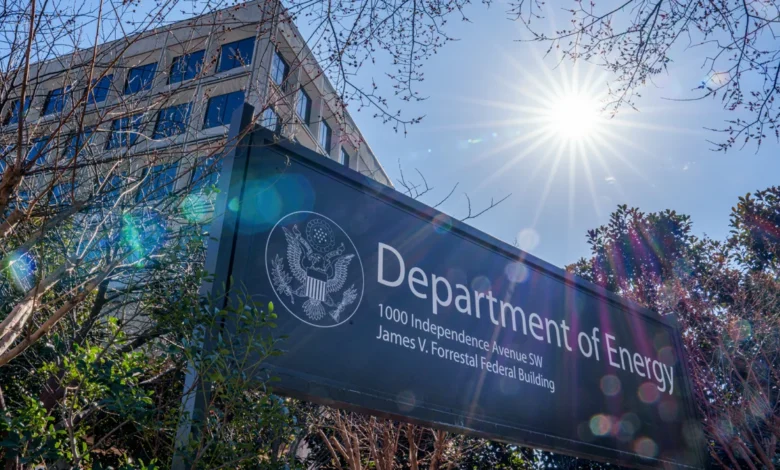
The United States Department of Energy has removed at least 1,662 webpages from its official website, a move that has significantly restricted public access to energy-saving guidance and grid protection information during a period of record-breaking national heatwaves. According to an analysis of deleted URLs provided by the Internet Archive, the removals were finalized by July 3, 2026. These digital deletions include extensive resources from the "Energy Saver" section, which historically provided American consumers with practical advice on reducing utility costs, weatherstripping homes, and maintaining cooling systems. The timing of this purge coincides with a broader administration push to dismantle federal climate regulations and permanently end what officials have characterized as "Green New Scam" appliance mandates.
The Digital Purge: An Analysis of Lost Information
The scale of the information removal is substantial. Researchers at the Internet Archive, a nonprofit organization dedicated to preserving the history of the internet, identified over 1,600 specific URLs that are no longer accessible to the public. These pages were not merely obscure technical documents; they included high-traffic resources designed for the general public. Data from the U.S. General Services Administration (GSA) indicates that more than 300 of the deleted pages had garnered over 160,000 views in the 30 days prior to their removal.
The content of these pages ranged from DIY home improvement tips to critical safety information for extreme weather. Among the deleted materials were guides on how to seal air leaks—a process known as weatherstripping—which can reduce a home’s cooling load by up to 20%. Other removed pages offered instructions on maintaining air conditioning units to ensure they operate at peak efficiency. For many Americans, particularly those in low-income brackets or elderly populations, these resources served as a primary toolkit for managing rising energy costs during the summer months.
The Department of Energy (DOE) has not provided a formal explanation for the deletions. When queried regarding the timeline and the rationale behind the removal of public-facing data, the department remained silent. This lack of transparency has fueled concerns among consumer advocates and environmental organizations who argue that the government is intentionally withholding information that contradicts its current policy agenda.
Chronology of Regulatory Rollbacks and Administrative Shifts
The deletion of the "Energy Saver" webpages is not an isolated event but rather the latest step in a series of administrative actions aimed at deregulating the energy sector. To understand the current landscape, it is necessary to examine the timeline of events leading up to this summer’s digital purge:
- May 2025: The Department of Energy initiated a sweeping repeal of 47 federal regulations. These regulations were primarily focused on energy efficiency standards for common household appliances, including dishwashers, washing machines, and water heaters.
- Early 2026: The administration attempted to terminate the Energy Star program. Established in 1992, Energy Star is a voluntary program that helps businesses and individuals save money and protect the climate through superior energy efficiency. While the administration sought to defund the program, the effort was ultimately blocked by a bipartisan coalition in Congress.
- February 2026: The Environmental Protection Agency (EPA) announced significant rollbacks to vehicle emission standards, signaling a government-wide shift away from climate-centric policies.
- Late June 2026: As a major heatwave began to settle over the Northeast, New York City Mayor Zohran Mamdani suggested that residents set their air conditioners to 78 degrees Fahrenheit to prevent localized grid failures. The suggestion was met with criticism from some conservative commentators.
- July 3, 2026: Within days of the public discourse regarding thermostat settings and grid stability, the DOE finalized the removal of over 1,600 webpages that contained the very advice Mamdani had echoed—guidance on how to manage energy use during peak demand.
- July 15, 2026: The administration formally moved to "Permanently End Green New Scam Appliance Mandates," a policy package designed to prevent future administrations from tightening efficiency standards for air conditioners and heaters.
The Economic Impact on American Households
The shift in policy has immediate and long-term financial implications for American consumers. Since the 1970s, the DOE’s appliance and equipment standards program has been a cornerstone of U.S. energy policy. By requiring manufacturers to adopt technological advances in efficiency, the program has historically lowered the "base load" of the nation’s energy consumption.
Andrew deLaski, executive director of the Appliance Standards Awareness Project, notes that these standards have been a "real success story" for the American economy. Analysis from his coalition suggests that the next round of planned efficiency updates—now under threat of permanent cancellation—would have saved the average American household approximately $160 per year on utility bills.
"Having a functioning air conditioner is a health and safety issue for the elderly, for folks with health conditions, and for the very young," deLaski stated. "Ensuring that the standards are up to date helps to keep their energy consumption under control so that people can afford to operate these products."
For families living paycheck to paycheck, a $160 annual saving represents a significant portion of their energy budget. By rolling back these standards and removing the information on how to optimize current appliances, critics argue the administration is effectively imposing a "hidden tax" on consumers in the form of higher utility bills.
Grid Stability and the AI Factor
The removal of grid-protection guidance comes at a precarious time for the U.S. electrical infrastructure. The national grid is currently facing a "perfect storm" of demand drivers. While traditional domestic energy use remains high, the rapid expansion of artificial intelligence (AI) data centers has introduced a massive new source of constant power demand.
Data centers required to train and run large language models consume vast amounts of electricity and require intensive cooling systems. When this industrial demand is layered on top of record-breaking residential demand during heatwaves, the risk of brownouts and blackouts increases exponentially.
The deleted DOE pages included advice on how "demand response" works—encouraging consumers to shift heavy energy usage (such as running dryers or dishwashers) to off-peak hours. Without this federal guidance, the burden of educating the public falls entirely on local utilities and state governments, creating a fragmented and potentially less effective response to grid emergencies.
Ideological Roots: Project 2025 and Consumer Choice
Political analysts suggest that the webpage deletions are a tactical component of a larger ideological strategy. Much of the current administration’s energy policy aligns with the framework laid out in "Project 2025," a transition blueprint authored by various conservative think tanks. The document advocates for a wholesale dismantling of the federal "administrative state," particularly within the EPA and the DOE.
The administration has framed these rollbacks as a defense of "consumer choice." The argument posits that federal mandates on appliance efficiency limit the options available to buyers and drive up the initial purchase price of goods. However, this framing is contested by energy policy experts.
Itai Vardi, a research manager at the Energy and Policy Institute, highlights a paradox in the administration’s logic. "It’s ironic that the administration and Republicans love to talk about consumer choice as a tenet of American freedom, but they’re actually taking that away," Vardi said. "What they’re doing here is rolling back the rules on energy efficiency, but also trying to hide helpful tips and information for the public. It’s going to cost people more money."
By removing the data that allows consumers to compare the long-term operating costs of different appliances, the government is arguably making "choice" less informed. Transparency advocates argue that a truly free market requires a well-informed public, a role the DOE has traditionally filled through its digital resources.
Implications for Public Health and Safety
Beyond economics and ideology, the removal of heatwave guidance has direct implications for public health. Heat is the leading cause of weather-related deaths in the United States, surpassing floods, tornadoes, and hurricanes. The guidance formerly hosted on the DOE website provided essential information on how to stay cool in homes that may lack central air conditioning, such as using passive cooling techniques and optimizing airflow.
The deletion of these resources reflects a broader trend of "data scrubbing" across federal agencies. Observers have noted similar patterns at the Consumer Financial Protection Bureau and the Department of Health and Human Services, where information regarding LGBTQ+ youth and consumer protections has been quietly removed.
As the planet continues to experience more frequent and intense heatwaves, the role of federal agencies in providing life-saving information becomes more critical. The decision to take 1,662 pages of energy and cooling guidance offline suggests a shift in the federal government’s priorities—from a provider of public service information to a facilitator of industry deregulation.
The long-term impact of these deletions will likely be felt in the coming years as the lack of updated efficiency standards leads to a stagnation in appliance technology, leaving American consumers with fewer tools to combat rising temperatures and increasing energy costs. For now, the "Energy Saver" resources remain available only to those who know how to navigate digital archives, leaving the general public in the dark during one of the hottest summers on record.
Related posts: