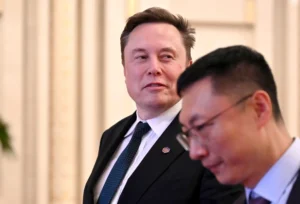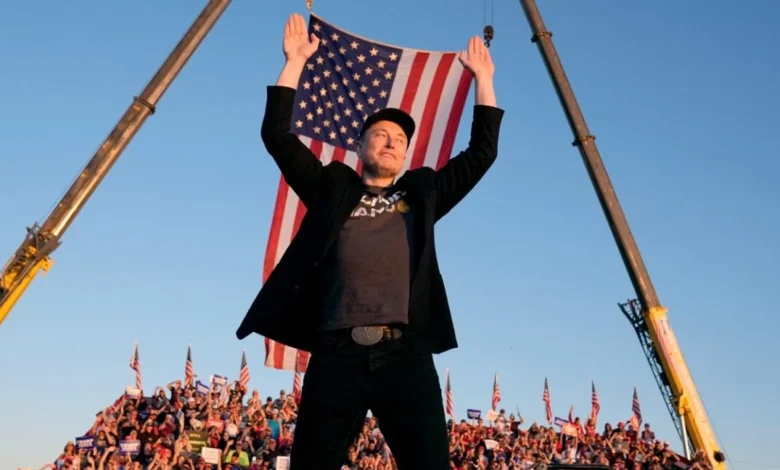
Elon Musk is a figure whose footprint on the global economy and cultural zeitgeist is perhaps unmatched in the 21st century. As a central character in the ongoing narrative of technological transformation, his influence has spanned the automotive, aerospace, and telecommunications sectors. However, a new biographical documentary directed by Oscar-winner Alex Gibney, titled Musk, seeks to dismantle the carefully curated persona of the visionary engineer. By reframing Musk as a modern-day Gilded Age "confidence man"—an investor masquerading as an inventor—Gibney’s work serves as a critical examination of how wealth and celebrity can distort the public perception of technological progress.
The film, which has already sparked significant controversy, arrives at a moment when Musk’s political alignments and management of his various enterprises have polarized his audience. Whether viewed as an essential disruptor or a reckless agitator, Musk remains the primary subject of a new, intense debate regarding the intersection of personal branding and corporate accountability.
The Architect of Controversy: Alex Gibney’s Track Record
Alex Gibney is no stranger to high-stakes biographical inquiry. With a career spanning four decades, he has built a reputation for dissecting power structures, systemic failure, and the fallibility of icons. His filmography includes deep dives into the collapse of Enron, the complexities of the Scientology organization, the doping scandal of Lance Armstrong, and the rise and fall of Elizabeth Holmes.
Gibney’s methodology relies on an extensive synthesis of archival footage, expert interviews, and investigative reporting. His 2005 breakthrough, Enron: The Smartest Guys in the Room, established a template for his future work: focusing on the gap between corporate image and the underlying reality of institutional rot. By applying this lens to Elon Musk, Gibney is positioning the Tesla and SpaceX CEO as the latest in a lineage of figures whose public image has been meticulously engineered to conceal underlying contradictions.
A Chronology of the Rise
To understand the weight of Gibney’s critique, it is necessary to revisit the arc of Musk’s career, which the film systematically explores.
- 2002: Musk founds SpaceX with the goal of reducing space transportation costs and enabling the colonization of Mars.
- 2004: Musk joins Tesla Motors as the primary investor and chairman, eventually becoming its public face and CEO.
- 2012: The successful docking of the SpaceX Dragon capsule to the International Space Station solidifies Musk’s reputation as a visionary.
- 2019: Tesla faces significant scrutiny regarding the safety and marketing of its Autopilot driver-assistance systems.
- 2022: Musk completes his acquisition of Twitter (now X), leading to widespread layoffs and significant changes to the platform’s content moderation policies.
- 2023–2024: Musk pivots toward open, aggressive support for political figures, most notably Donald Trump, and expands his interests into Artificial Intelligence via the launch of xAI and the Grok chatbot.
Each of these milestones is treated by Gibney as a point of contention. The documentary highlights the dissonance between the promise of "utopian futures" and the material reality of labor disputes, regulatory investigations into vehicle safety, and the volatile nature of his social media presence.
Supporting Data: The Disconnect Between Valuation and Reality
The core of Gibney’s thesis rests on the distinction between market valuation and tangible technological output. Tesla, at its peak, achieved a market capitalization exceeding $1 trillion, surpassing the combined value of nearly all major traditional automakers. Skeptics, including those featured in the documentary, point to the fact that much of this valuation is driven by speculative investor sentiment regarding potential future technologies—such as fully autonomous self-driving cars—rather than current profitability or market share.
Furthermore, the film highlights the fatalities linked to Tesla’s driver-assistance systems. According to data from the National Highway Traffic Safety Administration (NHTSA), there have been numerous investigations into Tesla’s Autopilot and Full Self-Driving (FSD) software, following reports of collisions with emergency vehicles and stationary objects. The documentary argues that Musk’s marketing of these systems as "autonomous" creates a dangerous safety gap, where users overestimate the capabilities of the technology.
Official Responses and the Threat of Litigation
The production of Musk has been accompanied by a climate of hostility. Prior to its wide release, the film became the subject of intense scrutiny from Musk’s legal team. Reports indicate that the subject has threatened a defamation lawsuit, a move that aligns with his historical use of legal pressure to manage his public image.
Furthermore, rumors surfaced suggesting that Universal Pictures, the distributor, faced internal pressures regarding the release, particularly in international markets where Musk’s political influence or regulatory footprint is significant. While these reports of "cold feet" remain unverified, they underscore the unique challenges of producing a critical documentary about a billionaire who owns one of the world’s most influential media platforms. Musk’s own response to the film—often delivered via rapid-fire social media posts—has been to characterize the work as "propaganda" and "hit pieces," effectively leveraging his platform to preemptively discredit the documentary’s findings.
Expert Perspectives and Key Voices
Gibney’s documentary draws from a wide array of sources, creating a mosaic of opinions that range from former collaborators to industry critics.
- Justine Musk: The entrepreneur’s first wife provides insight into the personal cost of Musk’s singular focus.
- Martin Eberhard: As a Tesla co-founder, Eberhard offers a perspective on the early days of the company, frequently contrasting the original vision with the current reality.
- Geoffrey Hinton: The AI pioneer discusses the existential risks of the technology that Musk once warned against, but now heavily invests in through his own ventures.
- Cory Doctorow and Sam Harris: These intellectual commentators provide a broader analysis of the "tech titan" archetype and the societal implications of concentrating such power in the hands of a single individual.
The inclusion of an original song by David Byrne, "Let Me Sell You a Dream," serves as a thematic anchor for the film, emphasizing the performative nature of Musk’s public communication style.
Broader Implications: The Era of the Tech Prophet
The broader implication of the film is the interrogation of the "Great Man" theory of technology. In the late 20th century, figures like Steve Jobs were heralded as sole geniuses. Gibney’s Musk suggests that this model is not only outdated but actively harmful when applied to the 21st century, where the scale of influence wielded by companies like SpaceX and X impacts global democracy, infrastructure, and international relations.
The film poses a fundamental question: Should the trajectory of human progress be tied to the whims, personal grievances, and ideological shifts of a single, unelected individual? By examining Musk’s involvement in the 2016 and 2024 political cycles, the documentary suggests that the transition from a "tech titan" to a "political actor" is not a departure from his core strategy, but a culmination of it. Musk’s ability to "pump" ideas—whether they be cryptocurrency, the promise of Mars, or political candidates—is presented as his primary product.
Conclusion: The Lens of History
As a piece of investigative journalism, Musk is a product of its time. It reflects the intense social media-driven polarization that characterizes contemporary discourse. By challenging the myth of the genius inventor, Alex Gibney is not merely documenting a man; he is documenting a phenomenon of the information age.
The film is unlikely to change the minds of Musk’s most fervent supporters, who often view his controversial behavior as a necessary component of his disruptive genius. Conversely, for critics, the film serves as a validation of their concerns regarding corporate power and the influence of unregulated wealth. Regardless of one’s personal stance, Musk forces a necessary conversation about accountability, the ethics of innovation, and the danger of conflating the performance of greatness with actual, sustainable progress. As the technology sector continues to evolve, the questions raised by this documentary—concerning how we evaluate our leaders and the systems they control—will remain central to the discourse on the future of global society.