China’s vast geographical expanse and its thousands of years of imperial history have cultivated one of the most diverse food scenes on the planet. With eight recognized major regional cuisines—including the fiery flavors of Sichuan, the refined seafood techniques of the coast, and the soul-warming comfort foods of the north—the country represents a global epicenter of gastronomy. Attempting to categorize the "best" Chinese dishes is a task that defies singular lists, yet for the international traveler or the curious home cook, understanding the foundational pillars of these regional traditions is essential for a well-rounded culinary experience.
Historical Context and the Evolution of Regional Cuisine
Chinese culinary evolution is inextricably linked to the country’s political and social history. The migration of imperial capitals, the establishment of trade routes like the Silk Road, and the varying climates of the provinces have all dictated local diets. For instance, the transition of the capital to Beijing in the 15th century did not merely shift political power; it facilitated the migration of elite culinary talent from the southern regions, such as Nanjing, to the north. This convergence resulted in the refinement of dishes like Peking duck, which transformed from a regional specialty into a national symbol of prestige.

Data from the China Cuisine Association suggests that the food service industry has grown consistently over the last decade, with an emphasis on "regional authenticity" driving the market. Culinary historians note that the regionalization of Chinese food—often categorized as the "Eight Great Traditions"—provides a roadmap for understanding how climate and agriculture shaped the palate of a nation that encompasses nearly 9.6 million square kilometers.
The Imperial Legacy: Peking Duck
Perhaps no dish carries as much historical weight as Peking duck. While its roots can be traced to the imperial kitchens of Nanjing over 1,500 years ago, the dish as it is recognized today—characterized by its paper-thin, crispy skin and succulent meat—was perfected during the Ming and Qing dynasties in Beijing. The process involves meticulous air-drying and roasting in wood-fired ovens, often using fruitwood like jujube or lychee to impart a subtle, aromatic smoke. Served with thin pancakes, scallions, radish, and sweet bean sauce, the dish remains a benchmark for traditional Chinese culinary craftsmanship.
Sichuan’s Influence: Heat and Complexity
While often reduced to "spiciness" in international markets, Sichuan cuisine is defined by málà—a numbing, tingling sensation derived from the Sichuan peppercorn, often paired with dried chilies and broad bean paste.

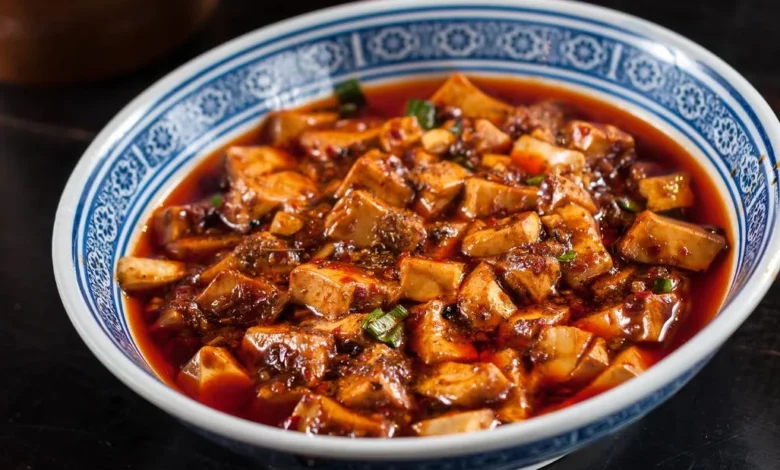
The globally recognized Kung Pao chicken (gong bao ji ding) exemplifies this balance. Attributed to the 19th-century governor Ding Baozeng, the dish reflects the intersection of Shandong’s sweet-and-sour tradition and the bold, numbing heat of Sichuan. Similarly, Mapo tofu serves as a testament to the cuisine’s ingenuity, utilizing soft bean curd, fermented chili paste, and minced meat to create a dish that is texturally rich and intensely aromatic.
For those seeking the pinnacle of Sichuanese street comfort, dan dan mian (dan dan noodles) offer a masterclass in flavor layering. Originally sold by street hawkers carrying two baskets (a dan) on a shoulder pole, the dish combines noodles with a spicy, nutty sauce, preserved vegetables, and crispy minced pork.
The Art of Steaming and Cantonese Precision
Cantonese cuisine, particularly from the Guangdong region, is lauded for its emphasis on the freshness of ingredients and the precision of cooking times. Steamed fish, a staple of any Cantonese banquet, is the ultimate litmus test for a chef’s skill. A matter of seconds can be the difference between tender, flaky flesh and an overcooked, rubbery texture.

This regional dedication to natural flavor is further evidenced in the Chaozhou style of seafood preparation. By serving fish and crabs at room temperature after a light seasoning and steam, the natural umami of the ocean is preserved, avoiding the masking effect of heavy sauces.
The Resilience of Noodle Culture and Street Food
Noodles in China are not merely a carbohydrate; they are a cultural institution. The story of "Cross-the-Bridge" rice noodles (Guoqiao Mixian) from Yunnan province serves as a romanticized, yet historically significant, narrative of culinary preservation. The dish, consisting of a bowl of scalding chicken broth topped with a layer of oil to maintain heat, allows the diner to cook raw ingredients—thinly sliced meats, vegetables, and rice noodles—at the table. This method ensures that the textures remain fresh and the flavors vibrant, a technique that has sustained generations of travelers.
In northern regions, the jian bing represents the quintessential breakfast. Composed of a thin mung bean crepe, an egg, and a guozi (fried crisp) or fried breadstick, it is a testament to the efficiency of Chinese street food culture. The street vendor’s ability to execute a perfect, symmetrical crepe on a hot griddle in under two minutes is a display of practiced, professional dexterity.

Dumplings and the Evolution of Wrappers
Dumplings (jiaozi) are the backbone of northern Chinese dining, particularly during the Lunar New Year. However, the diversity within the dumpling category is immense. The xiaolongbao, or soup dumpling, represents a feat of engineering; a delicate, thin wrapper encases both a pork filling and a gelatinized broth that liquefies upon steaming. The challenge for the consumer—consuming the dumpling without rupturing the wrapper and losing the broth—has become a hallmark of the dining experience in Shanghai and beyond.
Fujian’s rouyan offers a different perspective, using wrappers made from a dough of pork and flour, creating a dumpling with an exceptional, chewy "al dente" quality that is distinct from standard wheat-based skins.
Braised Delicacies and Preservation Techniques
The concept of "braising" is a cornerstone of Chinese home cooking. Dongpo rou, or red-braised pork belly, named after the Song Dynasty poet Su Dongpo, involves a slow-cooking process that renders the fat into a melt-in-the-mouth consistency. The marriage of rock sugar, soy sauce, and yellow wine creates a mahogany-colored glaze that defines the dish.

Complementing these braises are preservation techniques that date back to antiquity. Chinese sausages (laap cheung) and preserved mustard greens (mei cai) are essential flavor enhancers. When combined in a dish like Hakka-style braised pork belly with mei cai, the saltiness and acidity of the preserved greens cut through the richness of the meat, creating a balanced, hearty stew that has been a staple of the Hakka people for centuries.
Broths, Soups, and Healing Traditions
The role of soup in the Chinese diet transcends simple nutrition; it is a fundamental aspect of traditional wellness. Cantonese herbal soups, simmered for hours with ingredients such as snow fungus, lily petals, or winter melon, are designed to balance the body’s "heat" or "dampness." This philosophy extends to simpler, ubiquitous dishes like congee—rice porridge that serves as a canvas for everything from preserved century eggs to lean pork or fresh fish.
Broader Economic and Global Impact
The global proliferation of these dishes has had a profound economic impact. According to reports from industry analysts, the export of Chinese culinary culture—through both fine dining establishments and fast-casual concepts—has created a multi-billion-dollar global industry. However, as these dishes cross borders, they undergo transformations to suit local palates. The "authentic" experience, therefore, remains rooted in the specific geographies of China, where regional ingredients—such as the Pidu broad bean paste for Mapo tofu or the Fuding yam for taro paste—cannot be easily replicated elsewhere.

For the observer of global food trends, the lesson from China’s culinary map is clear: consistency in quality, a deep respect for seasonal availability, and an uncompromising adherence to traditional techniques remain the gold standards of the industry. Whether one is eating a simple bowl of street-side noodles or an elaborate imperial-style feast, the common thread is a profound, historical commitment to maximizing the potential of every ingredient. As China continues to modernize, the preservation of these traditional techniques remains a vital component of its soft power and cultural heritage.