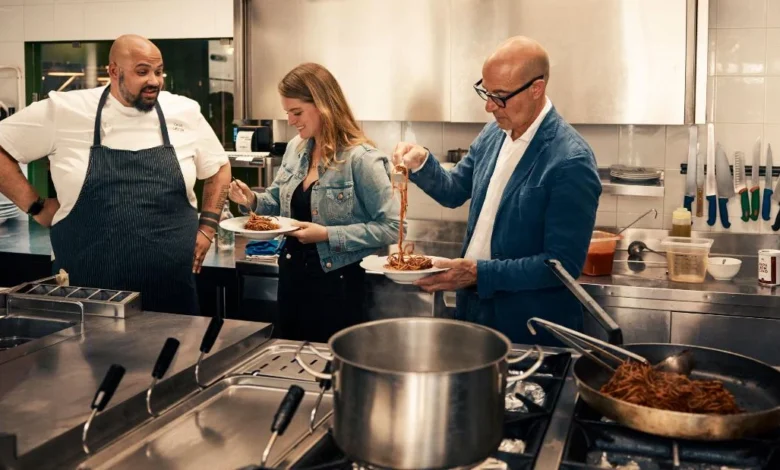
Stanley Tucci: Searching for Italy has cemented its reputation as more than a travelogue; it is a culinary exploration of the deep-seated traditions that define the Italian peninsula. As the series concluded its second season, the actor and author continued his journey across regions defined by their geography, history, and distinct gastronomic identities. For viewers inspired by the vibrant dishes and storied locales featured on screen, this comprehensive guide details the specific restaurants and regional specialties that define the second season of the hit CNN series, now available on CNNgo and Discovery+.
The Italian Riviera: Liguria’s Inventive Spirit
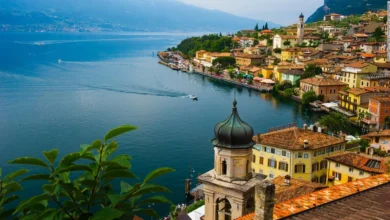
The Italian Riviera, anchored by the iconic destinations of Portofino and the villages of the Cinque Terre, represents one of Europe’s most breathtaking coastlines. Beyond its aesthetic appeal, Liguria serves as the birthplace of some of the world’s most beloved culinary staples, most notably pesto. The regional geography, characterized by steep, rugged cliffs that plunge into the Mediterranean, necessitated a level of agricultural ingenuity that has defined the local palate for centuries.
During his visit to the region, Tucci explored the refined kitchens of Michelin-starred chefs and the humble tables of family-run establishments. At Cracco Portofino, led by renowned chef Carlo Cracco, the menu emphasizes a profound connection to the land. Tucci experienced the traditional Ligurian pansotti—a pasta similar to ravioli—filled with preboggion, a locally foraged mixture of greens and herbs, finished with a walnut sauce. Tucci noted that the dish offered a flavor profile distinct from any he had previously encountered, highlighting the region’s ability to elevate simple, wild ingredients.

In Genoa, the culinary focus shifted to the historical roots of pesto. At Il Genovese, chef Roberto Panizza, often referred to as the "King of Pesto" and a key figure in the Pesto World Championship, demonstrated the traditional method of crushing basil, pine nuts, garlic, and cheese using a mortar and pestle. The inclusion of green beans and potatoes in the pasta dish serves as a testament to the region’s historical need to stretch limited resources into a hearty meal. Similarly, the Antico Forno della Casana provides a masterclass in the art of focaccia. As food writer Laurel Evans explained, the local technique involves eating the dimpled bread upside down, ensuring the salt hits the palate first, a ritual that speaks to the working-class origins of this Genoese staple.
The Culinary Evolution of Puglia
Puglia, the "boot heel" of Italy, represents the nation’s culinary scene at its most fundamental. Characterized by a reliance on fragrant olive oil, fresh vegetables, robust cheeses, and durum wheat, the region has long been considered one of Italy’s more economically challenged areas. However, as Tucci discovered, there is a burgeoning sense of pride in these gastronomic roots, as local chefs work to bridge the gap between rural tradition and modern fine dining.

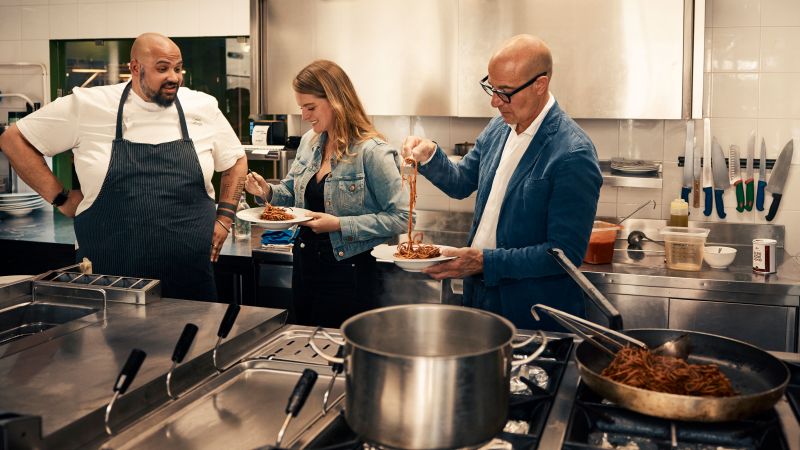
The region’s flair for the dramatic was evident at Urban Bistrot in Bari, where chef Celso Laforgia introduced Tucci to the spaghetti all’assassina, or "assassin’s pasta." The technique—charring pasta in a pan with olive oil and spicy peppers without the initial use of boiling water—is a radical departure from conventional Italian cooking methods. The resulting crunch and intense heat have earned the dish a legendary, if somewhat intimidating, status among locals.
In Montegrosso, the restaurant Antichi Sapori, meaning "Ancient Flavors," exemplifies the transformation of humble ingredients. Chef Pietro Zito’s signature dish—burnt grain orecchiette served with fava bean cream, burrata, and charred black olives—utilizes the earthy, bitter notes of burnt grain to contrast with the sweetness of the fava beans. This balancing act of flavors is central to the Puglian philosophy of cooking, which focuses on enhancing natural textures rather than obscuring them with complex sauces.
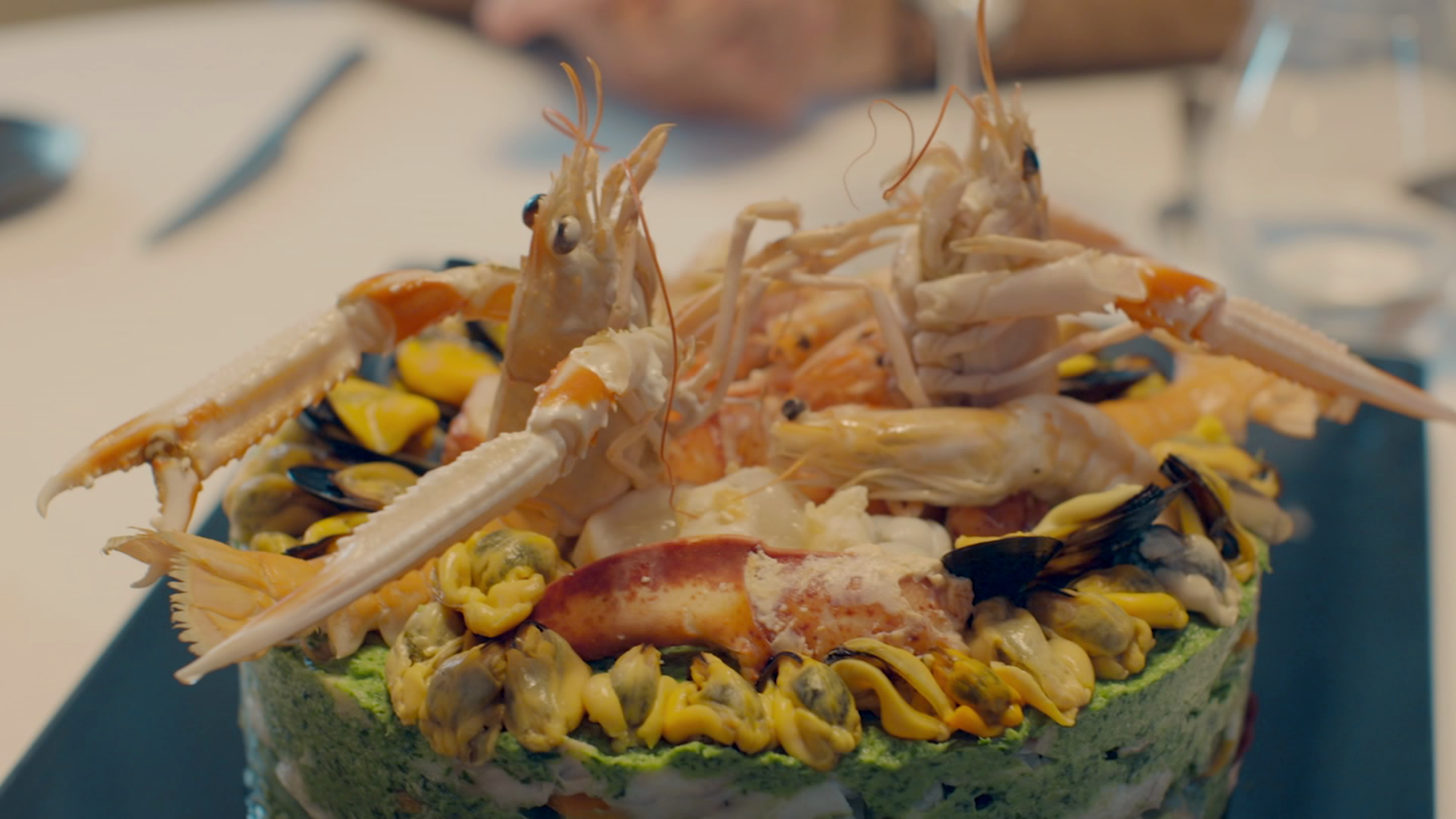
Furthermore, the region’s meat-centric traditions were highlighted at Trattoria Bere Vecchie in the hilltop town of Cisternino. Originally a pharmacy, the establishment now functions as a butcher shop that prepares meats on-site. The bombette—pork rolls stuffed with cheese and herbs—and gnumareddi—lamb offal wrapped in intestines—reflect a long-standing Mediterranean tradition of nose-to-tail eating that remains deeply embedded in the local culture.
Sardinia: An Archaeological Dig of Flavor
Sardinia remains one of Italy’s most remote and enigmatic regions. Separated from the mainland, the island has developed a culinary history influenced by various waves of Mediterranean settlers, making it the culinary equivalent of an archaeological excavation. The island’s geography is bifurcated: the coast, which relies on the bounty of the sea, and the interior, a rocky landscape where ancient traditions of pastoral life remain largely undisturbed.

At Fradis Minoris, a restaurant that has earned a Michelin Green Star for its dedication to sustainability, chef Francesco Stara prepared fregola ai frutti di mare. Fregola, a couscous-like pasta, serves as a primary link to North African influences. Similarly, at Luigi Pomata’s eponymous restaurant, the focus shifts to the island’s tuna industry. Pomata’s preparation of fresh bluefin tuna belly, boiled rather than grilled, highlights the region’s confidence in the quality of its local catch.
The island’s bakery culture, particularly in Alghero, reflects its historical ties to Spain. The panada, a savory pie that shares a etymological and structural lineage with the Spanish empanada, illustrates the syncretic nature of Sardinian food. As Tucci observed, eating in Sardinia feels like consuming history itself, with every bite revealing layers of Mediterranean influence.

Calabria: The Ancestral Homeland
For Stanley Tucci, the final stop in his second-season itinerary, Calabria, held significant personal weight. As his ancestral homeland, the region represented a long-held desire to reconnect with the roots of his family. Calabria, forming the "toe" of the Italian peninsula, is a land of sharp contrasts—sprawling, pristine beaches are juxtaposed with rugged, mountainous interiors. It is a region defined by its resilience and its bold flavors, including the famous Tropea red onion and locally produced chili peppers.
The bakery Panificio Cuti in the valley of Marzi serves as a focal point for the region’s bread traditions. Baker Pina Olivetti, using a century-old recipe for pane de cuti, produces a sourdough that serves as the foundation for the local diet. The morsello, a bread bowl filled with rich sausage and broccoli rabe, captures the spirit of the Calabrian farmer—a meal designed for portability and sustained energy during long days in the fields.

In the mountains, the restaurant Qafiz, led by chef Nino Rossi, showcased the region’s potential for avant-garde cuisine. His dessert, "Fire," served as a commentary on the environmental challenges facing the region, specifically the 2021 wildfires. By using meringue flavored with charcoal, Rossi created a dish that was both a culinary triumph and a poignant reflection on the cycle of destruction and renewal in the Aspromonte mountains.
Broader Implications and Culinary Legacy
The second season of Searching for Italy reinforces the notion that Italian cuisine is not a monolithic entity but a collection of distinct regional identities. Each restaurant and chef featured in the series serves as a custodian of local history, ensuring that ancient techniques—such as baking lamb in clay or hand-rolling pasta—are not lost to modernization.

The economic implications for these regions are also significant. The "Tucci effect"—the increased tourism and interest in the featured establishments—has provided a vital boost to local economies, particularly in regions like Calabria and Sardinia that have historically struggled with seasonal tourism. By highlighting the work of chefs who prioritize local sourcing and traditional methods, the series has contributed to a broader global conversation about the importance of culinary heritage preservation.
As the series continues to explore the diverse landscapes of Italy, it serves as a reminder that the essence of the country is found not just in its famous monuments, but in the kitchens where the history of a people is written in flour, water, and fire. The guide to these locations is an invitation for travelers to look beyond the popular tourist routes and engage with the authentic, often rugged, and profoundly beautiful food culture that defines Italy.