The Tragic Collapse of Matthew Mayich and the Escalating Crisis of Exertional Heat Stroke in College Athletics

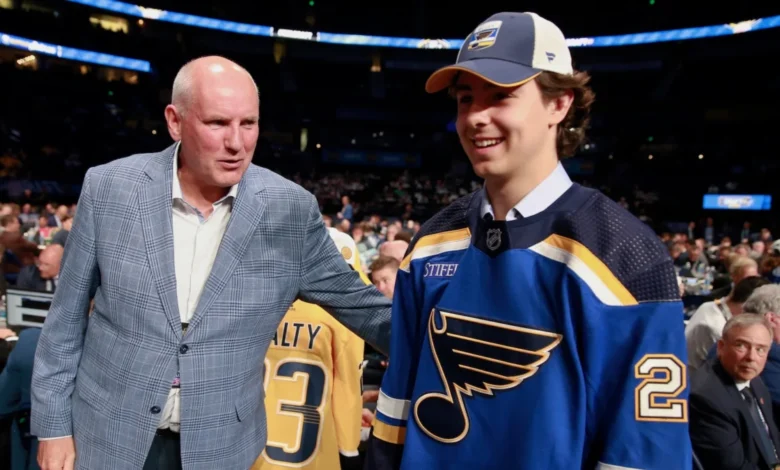
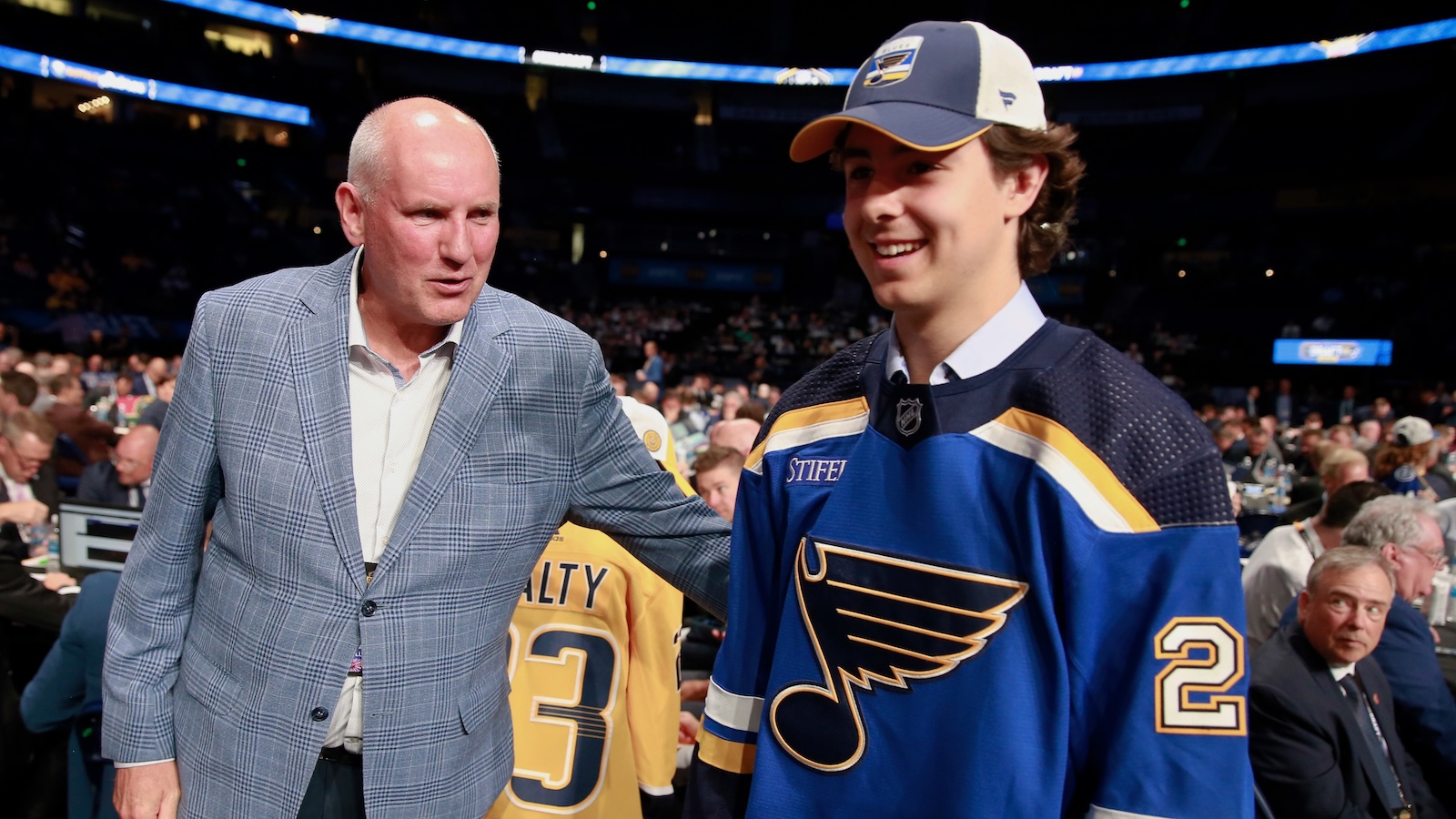
The morning sun over Sun Angel Stadium in Tempe, Arizona, offered no mercy on August 20, with ambient temperatures already hovering in the mid-80s Fahrenheit by 7:00 a.m. For Matthew Mayich, a 21-year-old standout hockey player who had recently transferred to Arizona State University (ASU) as a St. Louis Blues prospect, this marked his very first official practice with his new teammates. What was intended to be the routine commencement of a collegiate athletic career quickly morphed into a catastrophic medical emergency.
Mayich’s subsequent hospitalization in critical condition with what family legal representatives have identified as exertional heat stroke has ignited a fierce national conversation. The incident has drawn intense scrutiny toward institutional accountability, the efficacy of athletic heat safety guidelines, and the growing hazards posed by extreme temperatures in competitive sports amid a rapidly changing global climate.
A Brutal Morning Training Session and Rapid Deterioration
Led by guest trainer and former Green Beret Tim Ziesel, Mayich and his fellow ASU hockey players endured an intensive physical regimen that spanned more than an hour. According to an anonymous letter sent to university leadership by seven of Mayich’s teammates, the workout included an exhaustive battery of exercises: push-ups, planks, flutter kicks, bear crawls, squats, sprints, and buddy-carries. As the session continued and temperatures climbed toward 90 degrees Fahrenheit, the players were instructed to execute a final grueling task—a medicine ball run across the turf.
The university’s official timeline of events indicates that Mayich began to struggle visibly near the conclusion of this final drill. He stumbled, dropped the heavy ball, and collapsed to the ground. Although he made initial attempts to rise, his body failed him, and he fell a second time.
Athletic staff members rushed to his aid, initially attempting to lower his core body temperature by applying iced towels and cool water, followed by spraying him down with a garden hose. While Mayich was initially responsive, his neurological and physical condition deteriorated rapidly. Realizing the severity of the situation, training staff placed an emergency call to 911. Paramedics transported him swiftly to a hospital, where he was admitted to the intensive care unit. According to Robert Carey, an attorney representing Mayich’s family, the player’s prognosis remains perilous, with hopes for a meaningful recovery hanging in an extraordinarily delicate balance.
The Chronology of Institutional Fallout and Secrecy
The weeks following Mayich’s collapse have been marked by mounting tension between university administrators, the athletic department, and the student-athletes. Public scrutiny intensified significantly when ASU hockey head coach Greg Powers attempted to defend his leadership during a September 23 press conference, insisting he remained the appropriate figure to guide the program while failing to address the specific mechanics of the fateful workout.
The situation escalated dramatically when seven anonymous teammates submitted a detailed letter via legal counsel to ASU President Michael M. Crow. The correspondence directly challenged the official narrative distributed by the university, detailing profound safety failures and policy non-compliance during the August 20 session. Among the most damaging claims was the assertion that the workout lasted 75 minutes rather than the reported 45, and that multiple foundational precautions mandated by ASU’s own heat safety policies were entirely absent.
Specifically, the players alleged that there was no cold-water immersion tub present on the field, no designated ice chests, no on-field wet bulb globe temperature (WBGT) measurements taken, and no scheduled breaks in shaded areas. Furthermore, the letter asserted that the training session continued unabated even after multiple participants exhibited acute signs of distress, including dropping to their knees, vomiting, and—in Mayich’s case—profound disorientation well before the final drill commenced.
Faced with mounting pressure, ASU placed Coach Powers on paid administrative leave on a Wednesday, exactly one month after the workout and just two days after the release of the players’ damning letter. University officials have consistently declined interview requests regarding the incident. Meanwhile, Larry Kazan, an attorney representing trainer Tim Ziesel, defended his client by email, asserting that the workout was not as intensely rigorous as media reports suggested and that Ziesel operated under the assumption that his leadership plan had been fully vetted and approved by the coaching staff.
The Shadow of Korey Stringer and the Science of Exertional Heat Stroke
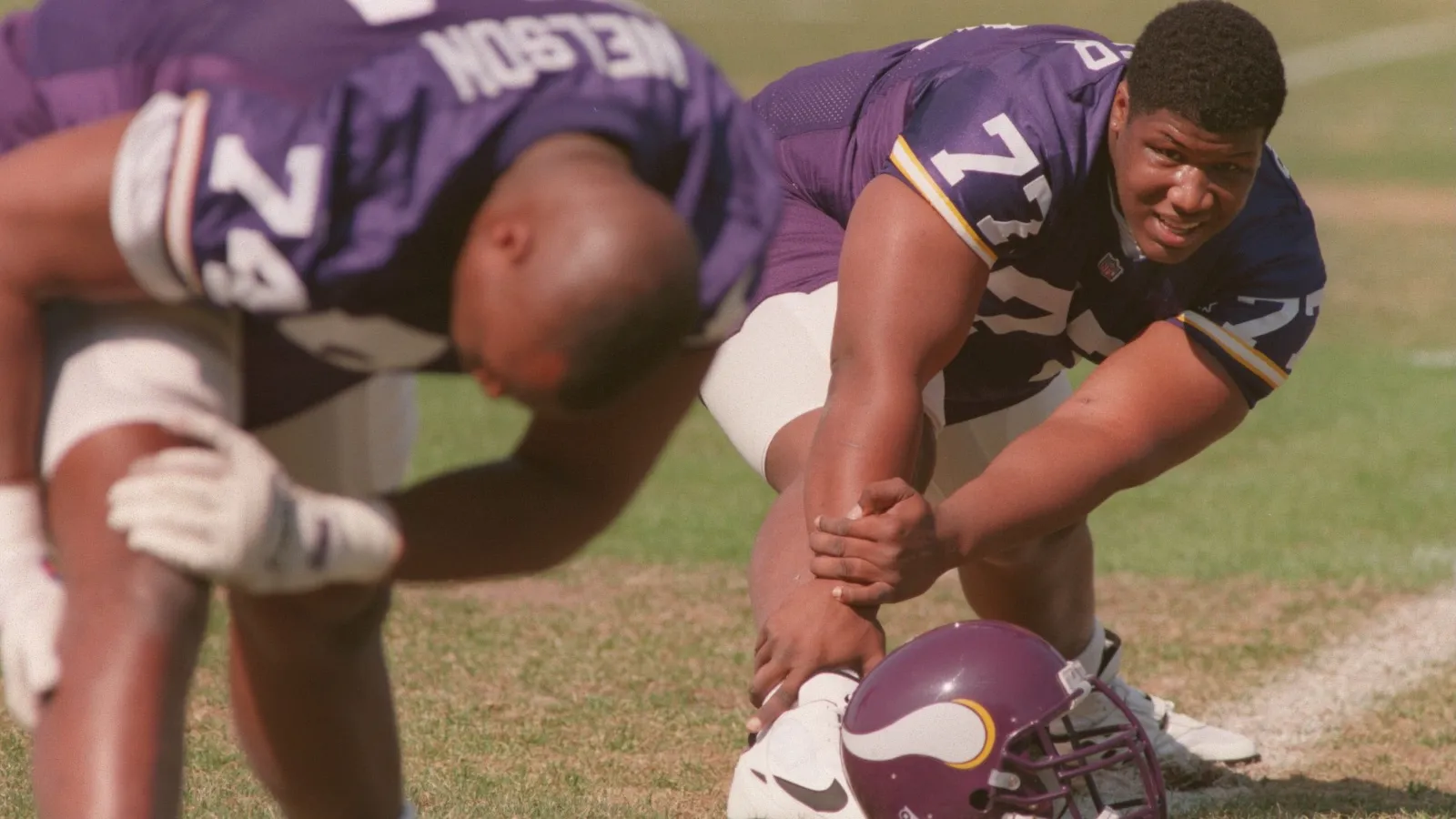
The tragedy at Arizona State evokes painful parallels to historical milestones in sports safety, most notably the death of Minnesota Vikings offensive lineman Korey Stringer. Stringer died of exertional heat stroke on August 1, 2001, following a grueling training camp practice in Mankato, Minnesota, where the heat index approached 100 degrees Fahrenheit. His death, which occurred precisely 25 years to the month before Mayich’s hospitalization, served as a watershed moment that permanently altered how professional sports organizations view and manage environmental heat stress.
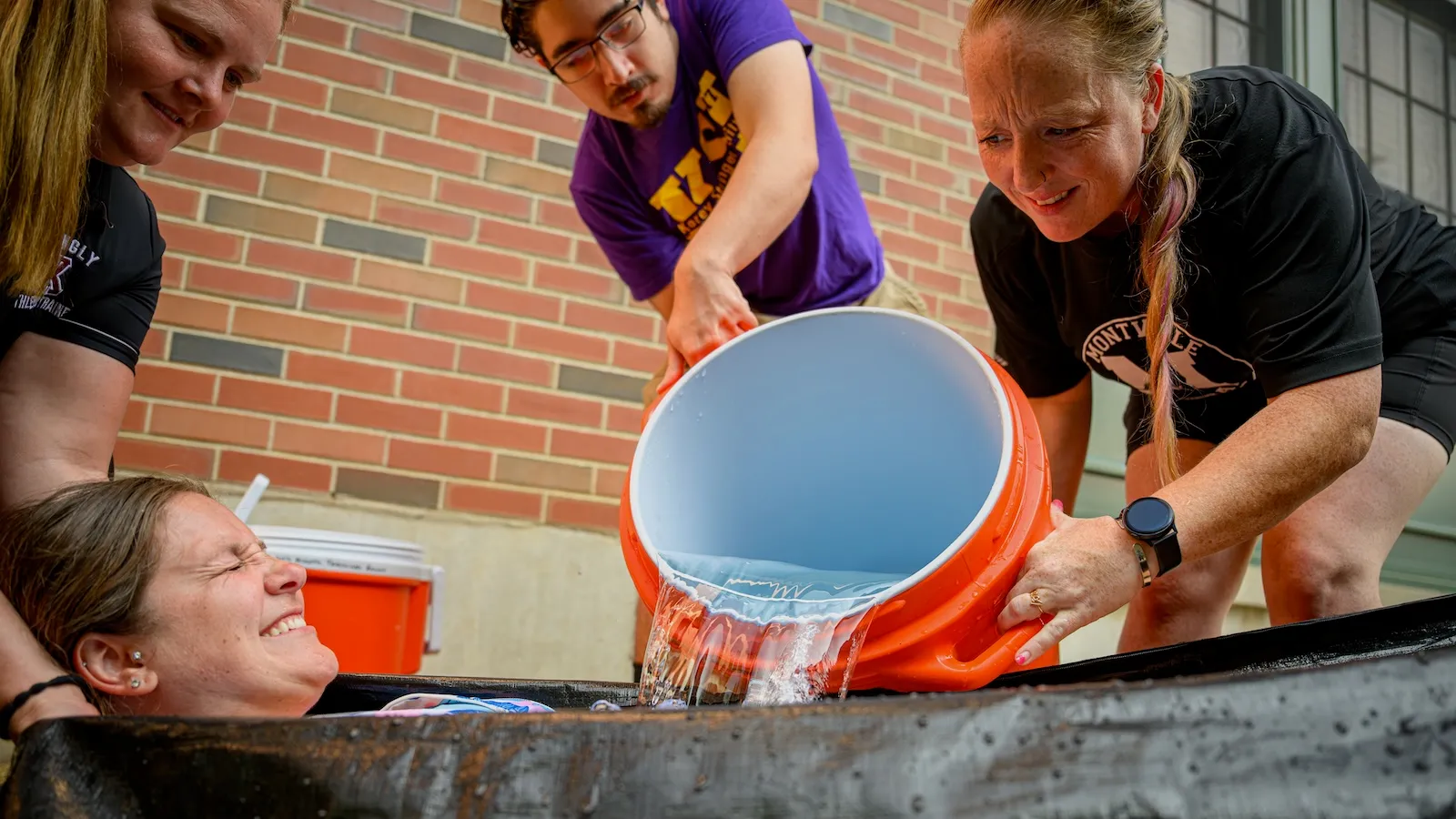
In the decades since Stringer’s death, sports medicine has advanced significantly. Dr. Doug Casa, an exercise physiologist, certified athletic trainer, and CEO of the Korey Stringer Institute at the University of Connecticut, notes that best practices for preventing and treating heat-related illnesses are now well-established within the scientific community. Extensive research led by Casa and other physiologists confirms unequivocally that cold-water immersion is the single most effective treatment for exertional heat stroke, boasting near-100% survival rates when implemented rapidly.
"If they had treated him properly, he probably would have had dinner with his teammates that night, or at least been back to normal the next day. That’s how simple it is," Casa remarked regarding historical treatment failures, emphasizing that ice water immersion cools core body temperatures exponentially faster than air conditioning or passive shade methods.
Yet, as Mayich’s case demonstrates, possessing the knowledge of best practices and executing them systematically in moments of crisis remain two entirely different challenges. While major professional sports leagues like the NFL and the National Women’s Soccer League (NWSL) have instituted rigorous protocols—such as mandatory heat acclimatization periods, mandatory rectal temperature assessments for accurate diagnosis, and the mandatory presence of cold-water immersion tubs—implementation gaps widen considerably as one moves down the athletic hierarchy.
The Growing Threat of Climate Change and Playing Surface Hazards
The urgency of rigorous heat safety protocols is magnified by accelerating climate change, which has driven ambient temperatures to historic highs across the globe. According to findings from World Weather Attribution, the probability of extreme temperature events in major host regions has doubled over recent decades.
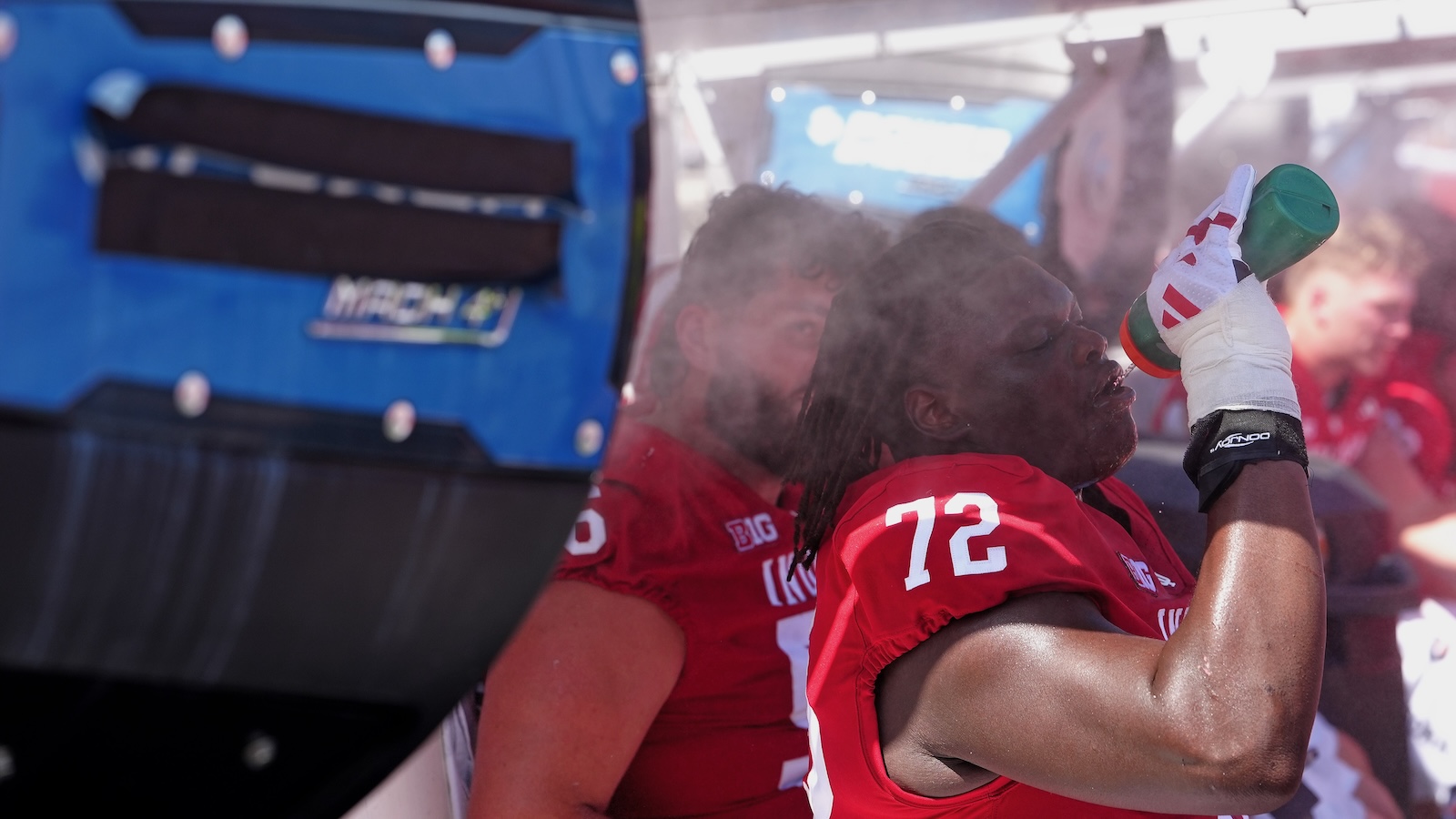
Compounding rising atmospheric temperatures is the proliferation of synthetic turf surfaces in modern sports facilities. Unlike natural grass, artificial turf absorbs and retains massive amounts of radiant solar energy. Surface temperatures on synthetic fields routinely reach extreme levels; recent reports from an NFL game in Nashville documented turf temperatures hitting 157 degrees Fahrenheit, hot enough to melt players’ cleats and necessitate intravenous fluid interventions for athletes who had not even participated in active plays.
Despite these environmental hazards, regulatory frameworks remain fractured. The NCAA maintains only voluntary recommendations rather than strict mandates regarding heat safety for collegiate athletics, leaving individual universities to interpret and implement their own policies. Arizona State University’s own three-page heat policy, for instance, relies heavily on permissive language such as "should," "may," "recommended," and "guidelines" rather than strict operational absolutes.
The High School Disparity and Successful Models of Prevention
At the high school and youth sports levels, the regulatory landscape has frequently been described by experts as the "Wild West." Without federal oversight, the adoption of protective policies falls entirely to state athletic associations, school districts, and volunteer-led leagues.
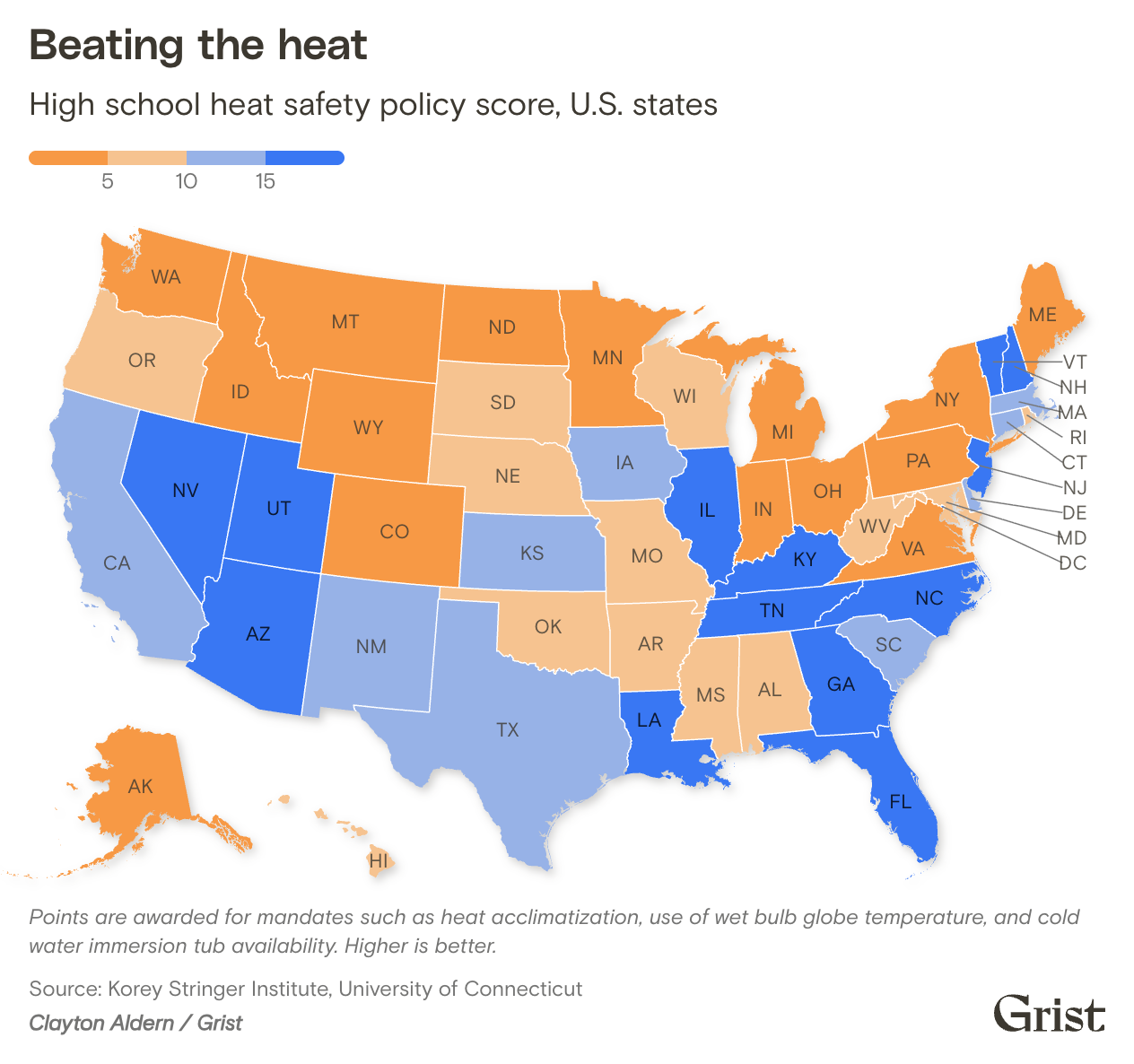
An evaluation of high school heat safety policies by the Korey Stringer Institute reveals striking geographic disparities. While states like Georgia, Vermont, and New Hampshire have instituted comprehensive mandates that require the use of WBGT metrics, heat acclimatization schedules, and mandatory cold-water immersion tubs, roughly half of U.S. states score poorly on basic safety metrics.
Georgia’s experience offers a compelling case study in the efficacy of strict enforcement. Between 1994 and 2009, Georgia recorded one of the highest numbers of high school football heat fatalities in the nation. Following comprehensive policy reforms implemented in 2012 by the Georgia High School Association—requiring mandatory wet bulb globe temperature tracking and strict pre-season acclimatization steps—heat-related illnesses plummeted dramatically, proving that institutional discipline can virtually eliminate preventable heat deaths.
Independent Review and Ongoing Demands for Transparency
As Matthew Mayich continues to fight for his life on life support at the Barrow Neurological Institute—located mere miles from where ASU recently launched its new Center for Heat Preparedness—the pursuit of accountability intensifies.
On Friday, Arizona State University announced that former Arizona Supreme Court Chief Justice Scott Bales will lead an independent review examining the university’s planning, policies, and operational response to the outdoor athletic activities conducted on August 20. University officials have requested that Bales complete his assessment by early December.
While Mayich’s parents, John and Christina, have acknowledged the appointment of Justice Bales in a public statement released through their attorney, they maintain that the planned review does not go far enough. The family is formally demanding an independent, transparent investigation explicitly tasked with determining what transpired on the field, identifying individual culpability, and evaluating whether institutional, athletic conference, or NCAA rules were breached. Furthermore, they are calling on ASU to expand Bales’ mandate or appoint a secondary independent investigator to make all findings accessible to the public.
For an athletic community grappling with the harrowing reality of a critically injured teammate, the path forward requires more than symposiums and academic centers dedicated to heat research. It demands a rigorous reckoning with institutional failures and an unwavering commitment to ensuring that no athlete ever again faces the catastrophic consequences of unmitigated heat.