Beyond the Wurst: A Comprehensive Guide to the Evolution and Diversity of German Gastronomy

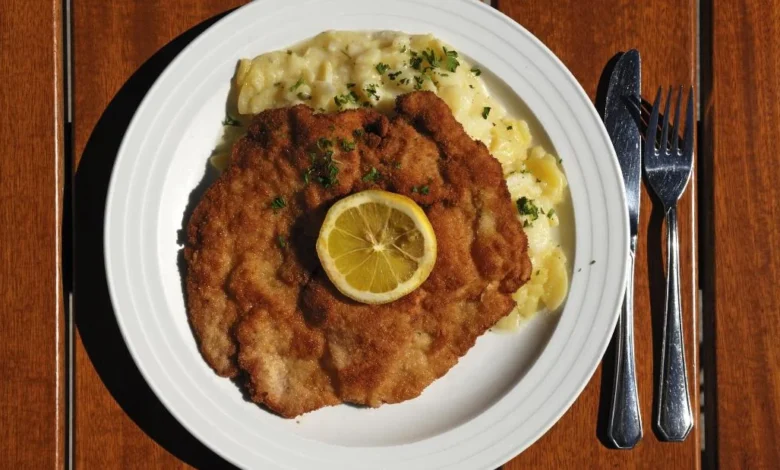
German culinary culture is frequently simplified in international discourse as a static trinity of beer, sauerkraut, and sausage. However, beneath this reductive stereotype lies a sophisticated, regionally diverse, and historically layered gastronomic landscape. Modern German cuisine is a testament to the country’s agricultural heritage, its complex geopolitical history, and the profound influence of centuries of migration. From the elegant, caper-infused sauces of East Prussia to the innovative, immigrant-led street food culture of contemporary Berlin, Germany offers a culinary experience defined by high-quality ingredients and a meticulous balance of tradition and adaptation.
The Historical and Regional Foundations
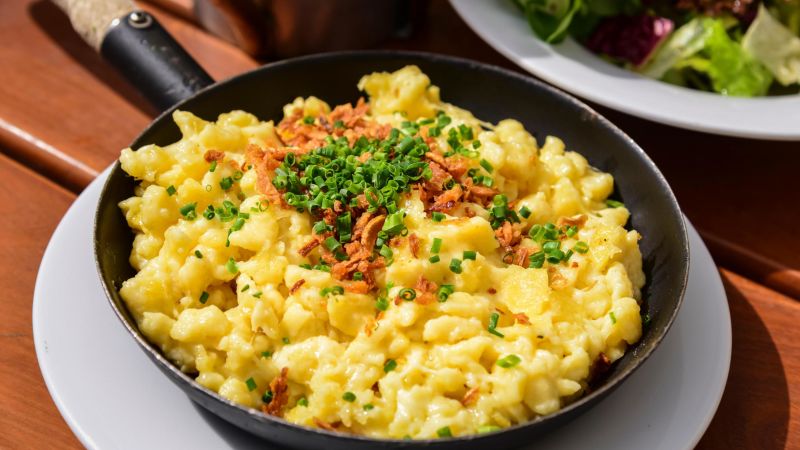
The foundation of German cooking is rooted in the country’s varied geography. The northern coastal regions, characterized by access to the Baltic and North Seas, have long relied on preserved fish and hardy, seafaring-inspired comfort foods. In contrast, the southern states of Bavaria and Baden-Württemberg reflect an alpine influence, where dairy, egg-based pastas, and forest-foraged ingredients dominate.
Historically, German cuisine has been a response to the climate. Long, cold winters necessitated the development of preservation techniques such as pickling, curing, and fermenting. These methods did not merely serve a functional purpose; they created the distinct flavor profiles that define the national palate. Dishes like Sauerbraten—a pot roast marinated for days in vinegar and spices—exemplify this intersection of necessity and artistry. Originally prepared with horse meat, the dish evolved over the 19th and 20th centuries to favor beef and venison, reflecting shifts in economic prosperity and agricultural focus.
The Evolution of Street Food and Migrant Influence
Perhaps the most significant transformation in the German food landscape occurred during the post-World War II era. The rapid industrialization of the 1950s and 60s, paired with a massive influx of migrant labor, fundamentally altered the country’s eating habits.
The most iconic example of this shift is the Döner Kebab. Introduced by Turkish immigrants in the early 1970s, the dish was adapted to suit the German market. Kadir Nurman, often credited with popularizing the dish at West Berlin’s Zoo Station in 1972, transitioned the kebab from a plated meal to a portable sandwich. This innovation catalyzed a street food revolution. Today, the Döner is arguably more ubiquitous than the traditional Bratwurst, with an estimated market value in the billions of euros annually.

Similarly, Currywurst serves as a case study in post-war adaptation. Attributed to Herta Heuwer in 1949, the dish emerged from the resourcefulness of a Berlin cook who utilized ingredients sourced from British occupation soldiers—ketchup and curry powder—to elevate a simple grilled sausage. It has since become a cultural institution, with roughly 800 million servings consumed across the country each year.
Regional Specialties and Culinary Heritage
Germany’s regional diversity is protected by various local and European Union designations, ensuring the preservation of traditional methods. Maultaschen, the oversized, square-shaped dumplings from Swabia, were officially recognized by the EU in 2009 as a regional specialty, cementing their status as a cultural artifact of Baden-Württemberg. These pockets of dough, traditionally filled with a mixture of minced meat, onions, and spinach, represent the ingenuity of southern cooking.
Further north, the seafaring tradition of Labskaus persists. Once a staple for 18th-century sailors—who had limited access to fresh provisions—the dish combines salted beef, potatoes, onions, and pickled beetroot. While it remains a niche dish in terms of modern popularity, it serves as a vital historical link to the maritime dominance of cities like Hamburg and Bremen.

The Cultural Significance of Produce and Seasonality
German gastronomy is governed by strict adherence to seasonality, a practice that transcends high-end dining and permeates everyday life. The most prominent example is Spargelzeit (asparagus season). From mid-April until June 24, the consumption of white asparagus becomes a national obsession, with annual domestic production and consumption exceeding 70,000 tons.
This fixation is not merely a preference; it is an economic driver for the agricultural sector. The "white gold," as it is affectionately termed, is celebrated through dedicated festivals and specialized travel routes. The transition from the arrival of the first spears to the final day of the season is marked with a level of public anticipation rarely seen with other vegetables globally.
Similarly, the autumn months are defined by the arrival of Federweisser (partially fermented young wine) and Zwiebelkuchen (onion tart). Because the wine is in a state of rapid fermentation and must be consumed within days, it creates a transient, localized market that draws thousands to wine regions along the Mosel and Rhine rivers each October.

Modern Challenges and Global Impact
Despite the deep-seated attachment to traditional recipes, the German food industry is currently grappling with modern dietary trends, including the rapid rise of plant-based alternatives. The same culture that prides itself on meat-heavy staples like Rouladen and Saumagen—the latter famously served by former Chancellor Helmut Kohl to world leaders like Margaret Thatcher and Mikhail Gorbachev—is now among the leading European markets for vegetarian and vegan products.
This shift is particularly visible in the evolution of dishes like the Döner, which now frequently includes high-quality seitan or vegetable-based alternatives. Furthermore, the German baking industry remains the most diverse in the world, with the Zentralverband des Deutschen Bäckerhandwerks (Central Association of the German Baking Trade) cataloging thousands of distinct bread types, a testament to a culture that views bread not just as a commodity, but as a protected cultural heritage.
Conclusion: A Culinary Mosaic
The narrative of German food is one of synthesis. It is a mosaic of preserved history, such as the Königsberger Klopse—meatballs in a caper-rich cream sauce that survived the geopolitical erasure of their Prussian namesake—and modern innovations like Spaghettieis, the 1969 invention of an Italian-German ice cream maker that transformed how the nation perceives frozen desserts.

From the beer gardens of Munich to the fish markets of the North Sea, the contemporary German dining experience is characterized by a high standard of quality and a profound respect for the origins of food. While the stereotypes of sausages and beer remain a part of the identity, they are merely the entry point into a sophisticated, ever-evolving culinary landscape that continues to reflect the country’s changing demographic and social fabric. For the traveler or the culinary historian, the "real" Germany is found in the intersection of these traditional roots and the innovative, globalized branches that have grown from them. Whether it is a simple slice of sourdough from a local bakery or a complex, multi-layered Black Forest gateau, German cuisine continues to demonstrate that it is, at its heart, a culture of profound substance.
Related posts: