Why your flight takes longer today than it did twenty years ago and why you might actually be paying for the privilege

The modern air travel experience is defined by a paradox: while aviation technology has reached unprecedented levels of sophistication, the time passengers spend in the air—and the duration of their total journey—has steadily increased. A traveler flying between two major hubs today can expect a significantly longer block time than a passenger on the same route two decades ago. This shift is not the result of slower aircraft, but rather a complex convergence of infrastructural stagnation, operational strategy, and a fundamental shift in how airlines manage reliability in an era of unprecedented congestion.
The Infrastructure Bottleneck and the Deregulation Legacy
The roots of modern flight delays are deeply embedded in the post-deregulation era. Since the Airline Deregulation Act of 1978, the volume of commercial air traffic in the United States has more than doubled. However, the physical and digital infrastructure required to support this growth has failed to keep pace. The United States has not commissioned a major, brand-new commercial airport since the opening of Denver International Airport in 1995. While cities like Austin have overhauled existing facilities—often repurposing decommissioned military bases—the nation’s airport footprint remains largely constrained by the physical limitations of the mid-20th century.
Beyond the physical tarmac, the air traffic control (ATC) system faces similar pressures. The integration of modern, satellite-based navigation and high-density flow management has been a slow, multi-decade transition. When combined with the high volume of traffic, the system frequently operates at capacity, leading to "congestion events" at major hubs. These bottlenecks force aircraft to spend more time in taxiing, holding patterns, and extended flight paths, all of which contribute to the observed increase in average flight times.
Quantifying the Creep: The 8% Shift
Data analysis suggests that the average commercial flight is now approximately 8% longer than it was during the late 20th century. In practical terms, this means a two-hour flight that was scheduled for 120 minutes in 1990 may now be blocked at 130 minutes or more. Researchers and industry analysts often refer to this as "schedule padding," a practice where airlines intentionally extend the duration of a flight in their booking systems to account for predictable delays.

A recent study by Dr. Jules Yimga of Embry-Riddle Aeronautical University, published in The Economics of Airline Pricing, sheds new light on this phenomenon. By analyzing 2019 flight data against federal ticket price surveys, Yimga’s work, titled "The Price of Punctuality," explores the correlation between "padded" schedules and ticket costs. The study indicates that airlines employing more conservative scheduling practices often command higher fares. While this might initially appear to be a simple penalty for the consumer, the data suggests that passengers are effectively paying for a higher tier of service: reliability.
The Economics of Reliability
The industry consensus on "padding" has evolved from viewing it as a deceptive marketing tactic to recognizing it as an essential component of operational integrity. For a major carrier like United Airlines, extra buffer time in the schedule allows for the implementation of "ConnectionSaver" technology. This system tracks connecting passengers and, if a flight is running slightly behind schedule due to a delay, the airline can strategically hold an aircraft for a few minutes. Because the schedule has been adjusted to reflect real-world conditions, the flight can often still arrive at its destination on time, preventing the cascading effect of missed connections.
This strategy serves two primary purposes: it reduces the financial and operational burden of rebooking passengers, and it enhances the customer experience. When an airline "under-promises and over-delivers," the passenger benefits from a more predictable travel window, which is critical for those navigating tight business itineraries or time-sensitive arrivals.
Strategic Operational Overhauls: The American Airlines Case Study
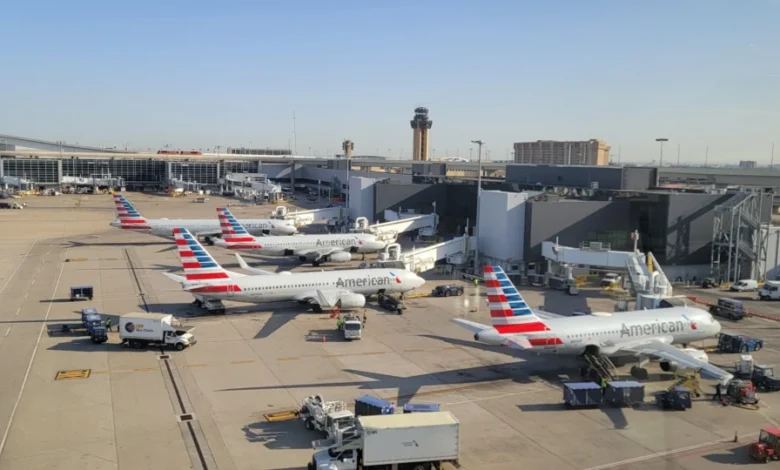
American Airlines recently provided a high-profile example of how aggressive scheduling reform can mitigate systemic issues. Starting in April, the carrier overhauled its operations at Dallas-Fort Worth (DFW) International Airport. The airline transitioned from a rigid structure of nine daily "banks" of flights to a more flexible model of thirteen, effectively spreading out the traffic to reduce peak-time congestion.
By increasing the scheduled block times and better distributing arrivals and departures, American aimed to create a more resilient network. The implications of this move are significant: a single aircraft waiting for an open gate can cause a "domino effect," delaying its own next departure, the crew, and all downstream flights. By providing the operation with more room to recover, the airline minimizes the risk of widespread disruption.
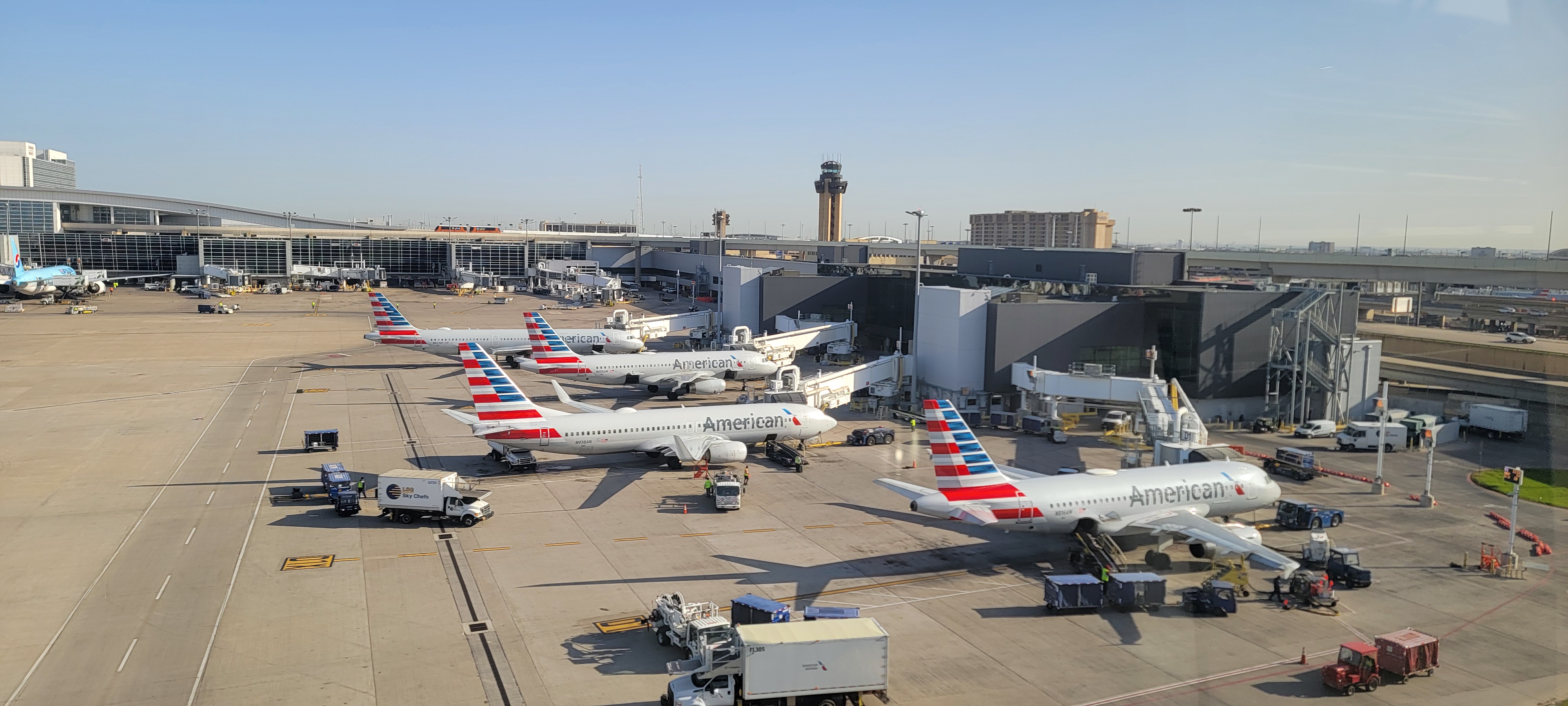
Internal data from American Airlines confirms that passengers have caught on to the value of these buffers. According to network planning chief Brian Znotins, recent booking trends show a distinct shift in consumer behavior. Passengers are increasingly bypassing 40-to-54-minute connections in favor of longer, 55-to-84-minute windows. The data shows that booking demand for these longer connections is 8% higher than initial models predicted, indicating that travelers are willing to sacrifice time in the airport to ensure they reach their final destination without interruption.
The Risks of Over-Padding
Despite the benefits of increased reliability, there is a clear threshold where "padding" becomes counterproductive. If an airline extends its scheduled arrival time to the point of absurdity, the "on-time" arrival rate may look excellent on paper, but the actual utility of the service diminishes.
Excessive slack results in wasted passenger time and inefficient use of aircraft assets. Furthermore, if an airline relies on overly generous schedules to mask poor operational performance, it fails to provide the consumer with an accurate representation of the journey. The ideal balance, according to industry analysts, is a "realistic" schedule that accounts for median traffic conditions without inflating the journey time beyond reasonable expectations.
Future Implications and Conclusion
The movement toward more realistic, albeit longer, flight schedules is likely to continue as the aviation industry grapples with aging infrastructure and record passenger demand. As technology allows for better data modeling, airlines will continue to refine these schedules to maximize efficiency.
While the "8% longer" trend may frustrate those who remember the faster flight times of the 1990s, the shift represents a necessary adaptation to a more crowded, complex, and interconnected sky. For the modern traveler, the price of punctuality is measured in minutes spent on the aircraft—a trade-off that, for many, is a preferred alternative to the uncertainty of a missed connection. Ultimately, as the industry moves forward, the focus is shifting from speed as the primary metric of success to reliability, as airlines compete not just on the duration of the flight, but on the certainty of the arrival.