Donald Trump’s Thanksgiving Message Sparks Debate Over Immigration, Public Assistance, and Minnesota’s Somali Community

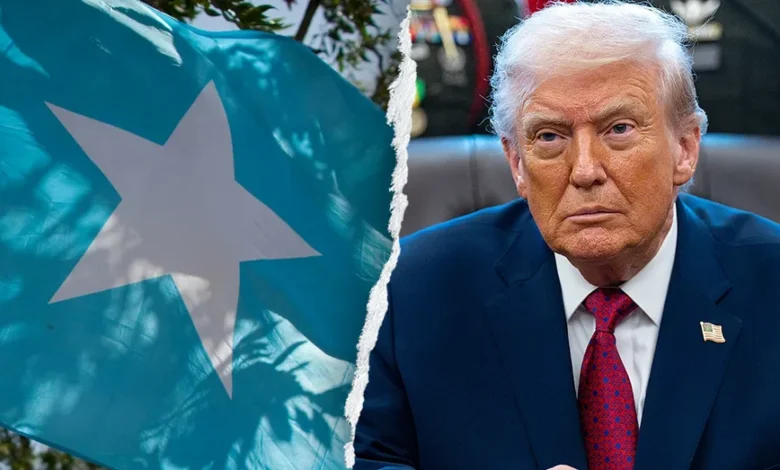
In a lengthy and polarizing holiday message posted to Truth Social on Thursday, President Donald Trump addressed a wide array of topics, centering heavily on national security, border enforcement, and immigration policy. Amid traditional holiday reflections directed at American patriots, the president singled out the Somali community residing in Minnesota, offering targeted praise to a small fraction of employed workers while calling for the immediate removal of those reliant on government assistance without active employment. The statements quickly ignited a fierce national debate, drawing sharp responses from community leaders, political figures, and immigration advocates, while highlighting broader, long-standing partisan tensions over welfare utilization and federal oversight.
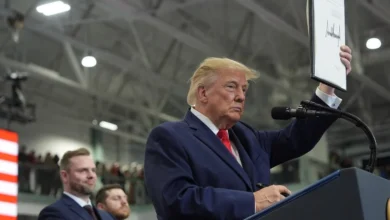
Trump’s remarks on Truth Social blended festive greetings with aggressive policy positions. Directing his focus toward the demographic dynamics in Minnesota, Trump wrote, "I want to thank the 2% of our Somalian population that have a job, and are actually willing to work, without receiving Government Assistance. These are wonderful American ‘citizens,’ and should be allowed to stay in our Country, and celebrate Thanksgiving with us. The others should be thrown out, immediately, thereby saving the Great State of Minnesota, which has no chance if they are allowed to stay."
The controversial statements immediately re-energized ongoing friction between Republican lawmakers and immigrant advocacy groups regarding the socio-economic integration of Minnesota’s large Somali-American population. The state, particularly the Twin Cities metropolitan area of Minneapolis and Saint Paul, is home to the largest concentration of Somali immigrants and refugees in the United States, a diaspora that has grown significantly since the outbreak of the Somali Civil War in the early 1990s. While many community members have established thriving small businesses, cultural centers, and civic leadership roles, critics on the political right have persistently raised concerns regarding integration rates, public benefit dependency, and localized fraud investigations.
Background and Congressional Scrutiny Over Public Assistance
The president’s Thanksgiving commentary follows months of intense legislative and investigative focus on public welfare programs in states with significant immigrant populations. Republicans have frequently pointed to statistical disparities in benefit utilization to argue for stricter vetting processes and tighter eligibility requirements for federal assistance programs, such as the Supplemental Nutrition Assistance Program (SNAP) and Temporary Assistance for Needy Families (TANF).
During a high-profile House Oversight Committee hearing earlier in January, Representative Brandon Gill, R-Texas, presented data concerning government support programs within immigrant communities. According to legislative presentations and federal datasets cited during the proceedings, approximately 54% of Somali-headed households in Minnesota utilize food assistance programs. Proponents of these figures argue that such elevated dependency rates indicate a strain on taxpayer-funded resources and highlight the need for comprehensive welfare reform.
Conversely, community advocates, social scientists, and Democratic lawmakers strongly push back against these characterizations. They argue that aggregate benefit statistics fail to account for systemic variables, such as household size, generational poverty, refugee resettlement stipends, and the historical socioeconomic barriers faced by newly arrived populations navigating a complex labor market. Furthermore, community leaders have repeatedly cautioned against applying broad generalizations to an entire demographic based on the actions of individuals or isolated fraud scandals—such as the massive pandemic-era Feeding Our Future scandal in Minnesota, which involved multi-million-dollar fraud schemes perpetrated by various individuals, some of whom were of Somali descent.
Broader Claims Regarding Deportation and National Security
Beyond his remarks concerning the Somali community in Minnesota, President Trump’s Thanksgiving address touched upon the overarching status of his administration’s mass deportation initiatives. Trump asserted that foreign criminals, including individuals he characterized as murderers and drug dealers released from foreign prisons and mental institutions, have largely been removed from the United States.
"They are mostly gone now, brought back to their point of origin and, hopefully, living a beautiful and idyllic life, and promising, ideally, never to kill innocent people again," Trump wrote in the post. "We won’t have to worry about that, because they are GONE — but, Happy Thanksgiving to them anyway, even though from Faraway Lands. We miss you dearly, but you will never be back, and America will never allow what you have done to us to happen again!"
These assertions reflect the core tenets of the administration’s border security platform, which prioritizes the swift apprehension and removal of undocumented immigrants with criminal records. Federal immigration enforcement agencies, including Immigration and Customs Enforcement (ICE) and Customs and Border Protection (CBP), have faced both intense operational pressure and fierce resistance from sanctuary cities and immigrant rights coalitions as they execute expanded removal operations across the nation.
Chronology of Recent Tensions in Minnesota
The release of Trump’s message coincides with a period of heightened social and political volatility in the Upper Midwest. Over the past year, federal law enforcement operations targeting immigrant communities in Minnesota have led to widespread protests, civil unrest, and sharp political polarization.
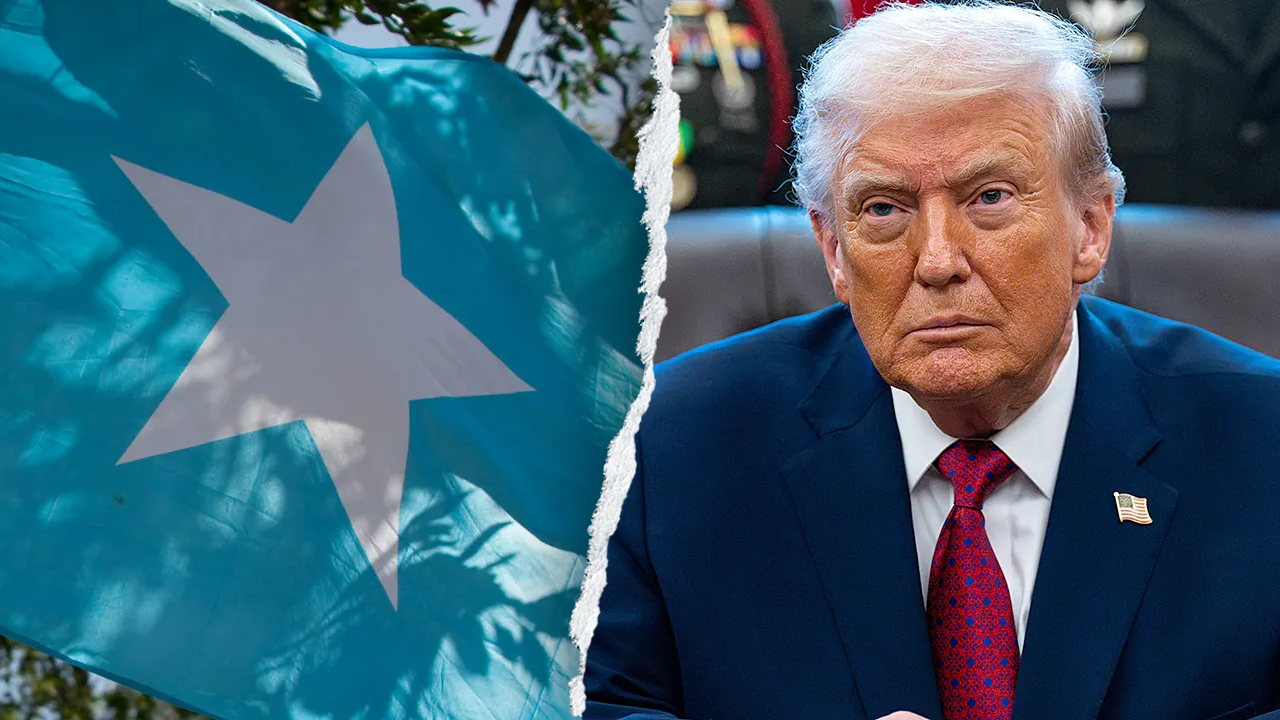
In December, demonstrations erupted across Minneapolis in direct response to targeted ICE operations focused on the Somali community. Protesters gathered in urban centers waving Somali flags and carrying banners condemning federal immigration tactics, while federal officials defended the operations as necessary steps to enforce federal law and address public safety concerns. These tensions were further exacerbated by high-profile federal investigations, including law enforcement activity connected to high-ranking political figures, which have deepened the siege mentality reported by many residents within the Twin Cities diaspora.
Official Responses and Alternative Holiday Messaging

As the political fallout from Trump’s post reverberated across media platforms, other high-ranking members of the administration offered contrasting holiday messages that emphasized the unifying elements of the American immigrant experience.
Secretary of State Marco Rubio shared a prerecorded holiday message on social media accompanied by a video highlighting the foundational opportunities provided by the United States to individuals from across the globe.
"We know how special this country is. It’s the place that gave us freedom. It’s a place that gave us opportunity. It’s a place that’s given our parents, our grandparents, and many of you the chance not just to do well in life, but to leave our children better off than ourselves," Rubio stated in the video clip.
In the accompanying caption, Rubio expanded on the theme of national gratitude, writing, "Being an American is a gift unlike any ever afforded to any other peoples throughout human history — we have so much to be thankful for. Happy Thanksgiving."
Implications and Future Outlook
The divergence between President Trump’s hardline rhetoric and the assimilation-focused messaging of other administration officials underscores the ongoing internal and external debates defining contemporary American conservatism. While populist factions within the Republican Party continue to champion aggressive enforcement measures, welfare restrictions, and national identity preservation, mainstream analysts note that such rhetoric carries significant social and political implications.
For Minnesota’s Somali-American community, statements characterizing the majority of the population as a drain on resources risk deepening alienation and stoking civic friction. Civil rights organizations and local religious leaders have repeatedly called for dialogue rather than generalized exclusion, emphasizing the contributions of Somali professionals, business owners, and youth in shaping the modern cultural and economic landscape of the Midwest.
As the political landscape looks ahead to upcoming legislative sessions and localized electoral battles, the intersection of immigration enforcement, public assistance oversight, and community integration promises to remain a central flashpoint in American domestic policy.