Iberseries and Platino Industria unveil six high-potential Ibero-American series projects during its sixth annual edition in Madrid

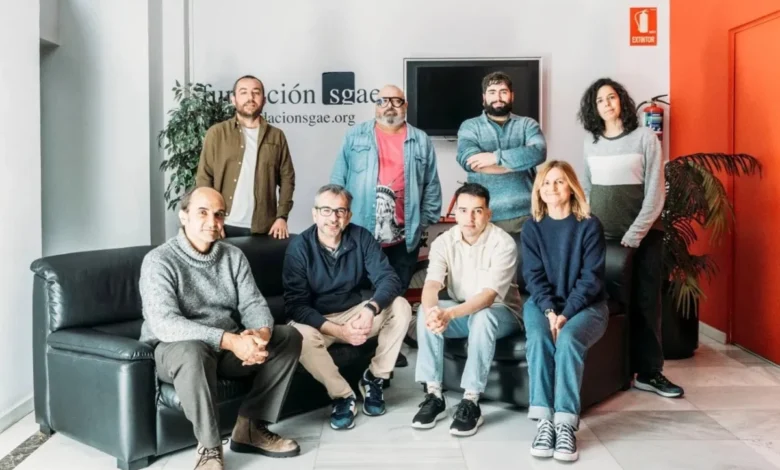
The sixth edition of Iberseries & Platino Industria, currently underway in Madrid, serves as a pivotal junction for the Ibero-American audiovisual sector. As the largest international event for the Spanish and Portuguese-language content industry, the gathering has transformed the Spanish capital into a central hub for producers, distributors, and streaming platforms looking to capitalize on the burgeoning global appetite for Hispanic content. Among the week’s most anticipated highlights is the Oct. 1 showcase, where seven screenwriters will present six original series projects developed in collaboration with Fundación SGAE, the primary collective management organization for intellectual property rights in Spain.
The Role of Fundación SGAE in Content Development
The collaboration between Iberseries & Platino Industria and Fundación SGAE is not merely a pitching exercise; it represents a strategic investment in the pipeline of Ibero-American fiction. For years, the foundation has acted as a catalyst for creative talent, providing laboratory environments where writers can refine scripts under the mentorship of industry veterans. By integrating these projects into the official pitching sessions of Iberseries, the organizers are attempting to bridge the gap between initial concept development and final commercial production.
This initiative comes at a time when the Ibero-American market is experiencing an unprecedented surge in international interest. According to recent industry data, Spanish-language content has seen a 30% increase in global consumption across major streaming platforms since 2021. The ability to source high-quality, localized storytelling—such as the six projects being presented this week—is essential for platforms seeking to retain subscribers in diverse international markets.
Chronology of the Pitching Program
The development process for these six projects began months before their unveiling in Madrid. The timeline of their progression underscores the rigor expected in the modern television landscape:
- Early 2024: Fundación SGAE opens the call for screenwriting projects, seeking narratives that reflect the cultural nuances of Ibero-America while maintaining universal thematic appeal.
- Spring 2024: A selection committee identifies the strongest scripts, prioritizing originality, narrative depth, and feasibility.
- Summer 2024: The selected writers engage in intensive development labs, refining their arcs and pitch decks for an international audience.
- October 1, 2024: The formal presentation takes place in Madrid, connecting these creators with financiers, production houses, and network buyers.
In-Depth Analysis of the Six Projects
The diversity of the projects presented reflects a broader trend in the industry: a move away from generic formulas toward highly specific, character-driven narratives that leverage local history to explore human universalities.
La Librera (The Bookseller)
Created by Virginia Burgos and Juan Sánchez, La Librera captures the social shift of the 1990s through the lens of an LGBT bookstore owner. The series serves as a historical document of the struggle for identity and the eventual alienation that can occur as communities evolve. The narrative focuses on the fragility of "safe spaces" and the personal toll of being a pioneer in a rapidly changing social landscape.
Avión
Miguel Cavadas’ Avión addresses the socioeconomic complexity of Galician migration to Mexico. By contrasting the extreme poverty of the Galician rural winter with the flamboyant, wealth-driven summer influx of returning emigrants, the series creates a high-tension drama. It serves as a study on the intersection of class, tradition, and the psychological impact of displacement.
El Capricho
Alberto Grondona’s El Capricho offers a satirical, period-appropriate look at 18th-century court politics. By positioning Queen María Luisa of Parma and the Duchesses of Alba and Osuna as central power players, the series subverts traditional historical narratives. The inclusion of Francisco de Goya as a cynical, observational narrator provides a meta-textual layer that invites contemporary audiences to draw parallels between 18th-century court collapse and modern political instability.
Teléfonos Fijos (Landlines)
Ángel Mirou’s Teléfonos Fijos taps into the current anxieties regarding technology and the unknown. Set in the Recalde neighborhood of Bilbao, the premise—dead people calling landlines—blends the supernatural with the digital. The series explores the psychological fragility of a community confronted with the possibility of communication with the deceased, while simultaneously questioning the integrity of modern technology.
La Edad Menor (The Lesser Age)
Roberto Osa’s dystopian drama, La Edad Menor, flips traditional age-based hierarchies. In a society where children become legal guardians of their parents, the series forces a confrontation with the ethics of care and the loss of autonomy. It is a cautionary tale that uses science fiction to probe the real-world anxieties surrounding aging populations and institutional power structures.
Trueque (Barter)
Pedro Pablo Picazo’s Trueque acts as a dark comedy regarding modern parenting. By exploring the concept of families "swapping" teenagers to solve behavioral issues, the series comments on the frustrations and limits of middle-class domesticity. While ostensibly a comedy, the premise serves as a critique of how families externalize internal conflicts.
The Broader Impact on the Industry
The inclusion of these projects at Iberseries & Platino Industria signals a shift toward a "development-first" industry model. Historically, international content markets were focused primarily on finished product sales. However, as the demand for original content intensifies, investors are increasingly looking for early-stage IP that they can influence and shape.
"The goal is not just to sell a script," noted one industry consultant present at the event. "The goal is to create a sustainable ecosystem where creative talent from Ibero-America can interface directly with the production capital required to scale these stories for a global audience."
Industry Implications and Future Outlook
The success of these projects will likely be measured by the number of development deals signed in the immediate aftermath of the festival. However, the significance of the event extends beyond individual sales. By showcasing these specific narratives, Iberseries is effectively branding Ibero-American content as a genre characterized by a unique blend of political critique, historical introspection, and high-concept drama.
As the industry moves forward, the collaboration between collective rights organizations like SGAE and commercial trade events like Iberseries will likely become the standard. This structure ensures that creators retain a degree of oversight while benefiting from the massive distribution networks required to reach viewers in North America, Europe, and Asia.
For the creators behind these six series, the Madrid presentation is the culmination of months of labor and the beginning of a complex path toward production. If the current market trends hold, the industry can expect to see more of these projects transition from the pitch stage to the screen, further solidifying the Ibero-American region’s position as a powerhouse of creative television development. The projects chosen for this year’s edition represent a microcosm of a larger, more confident industry—one that is no longer content to merely adapt existing models, but is instead intent on establishing its own voice in the global entertainment hierarchy.