Investigation Reveals Progressive Lawmakers Face Scrutiny Over Campaign Contributions From Corporate Executives Despite Anti-PAC Pledges

A sweeping new investigation into Federal Election Commission (FEC) filings has intensified a national debate regarding campaign finance integrity, highlighting a disconnect between the public rhetoric of far-left lawmakers and their campaign fundraising practices. According to the records—initially flagged by the anti-DEI nonprofit 1792 Exchange and subsequently analyzed by media outlets—several socialist-aligned candidates and incumbent progressive lawmakers who publicly pledged to reject corporate Political Action Committee (PAC) contributions have accepted substantial financial backing from high-profile corporate executives, defense contractors, and technology leaders.
The findings have drawn sharp criticism from political opponents who accuse these lawmakers of hypocrisy. While progressive candidates frequently campaign on platforms aimed at dismantling corporate influence in American politics, the reliance on funds originating from executives within powerful industries has exposed vulnerabilities in how campaign finance pledges are defined, monitored, and enforced.
Anatomy of the Disconnect: Pledges Versus Practice
The core of the controversy centers on the distinction between direct corporate PAC donations and contributions made by individual corporate executives, founders, and leaders. Many candidates aligned with the Democratic Socialists of America (DSA) and progressive organizations sign formal pledges—such as those promoted by coalitions like End Citizens United—promising to refuse money from corporate PACs.
However, campaign finance watchdogs note that these pledges often contain a loophole: they typically do not explicitly prohibit donations from the executives, chief executive officers, and board members who helm those very corporations. Consequently, lawmakers can maintain their public stance of refusing corporate PAC money while simultaneously accepting maximum individual contributions from the top leadership of defense contractors, major tech firms, and healthcare companies.
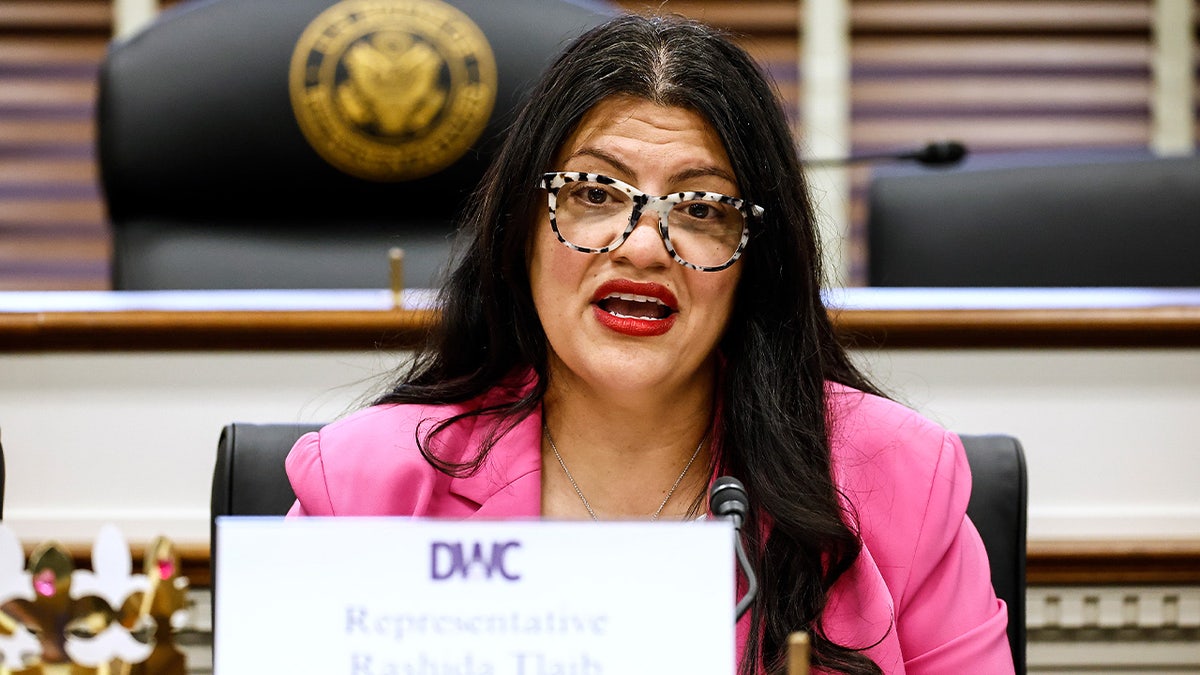
For instance, Federal Election Commission filings demonstrate that Rep. Rashida Tlaib, D-Mich., accepted checks totaling $10,600 across 2023 and 2025 from Faisal Munir, an executive at major defense contractor L3Harris. This financial support occurred despite Tlaib having authored a prominent op-ed in 2025 explicitly criticizing lawmakers who benefit financially from ties to the defense industry.
The revelation has provided fodder for political critics. Rep.-elect Jerry Carl, R-Ala., voiced sharp criticism regarding the dynamic, telling reporters, "If you’re taking money from them, at least be man enough to admit you’re going to take the money."
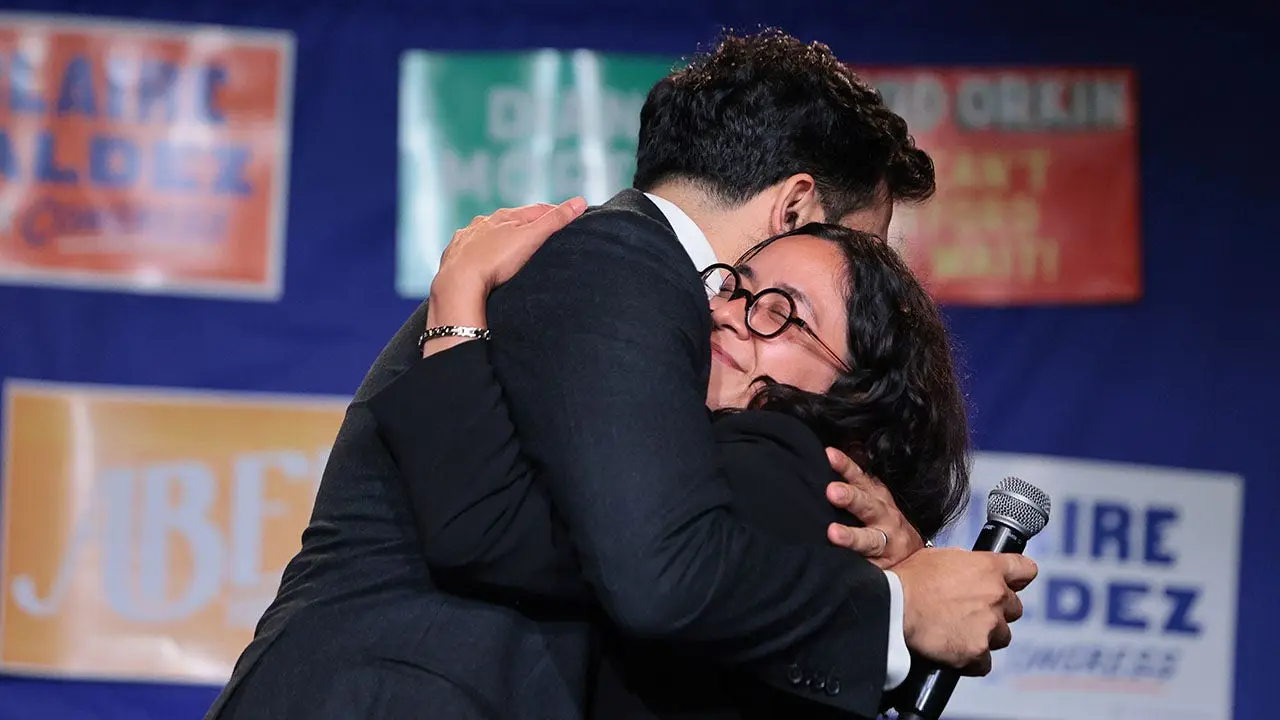
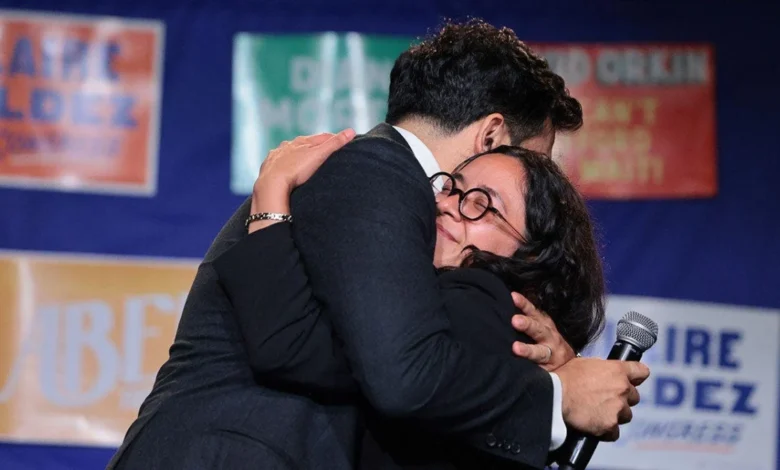
Beyond Capitol Hill incumbents, several prominent progressive and socialist candidates running in recent election cycles have faced similar scrutiny. Reps.-elect Donavan McKinney of Michigan, Claire Valdez of New York, and Darializa Avila Chevalier of New York all campaigned on stringent anti-corporate platforms and publicly aligned with pledges to reject corporate PAC money. Yet, review of financial disclosures indicates that each of these candidates accepted donations from corporate executives and associated progressive PACs that rely heavily on executive funding.
Rhetoric on Campaign Finance and Corporate Greed
The scrutinized candidates have built significant portions of their political identity around systemic campaign finance reform. Their official campaign platforms and public statements consistently target the influence of wealth in American elections.
Darializa Avila Chevalier’s campaign website, for example, features strong language calling for an outright ban on super PAC money, arguing that the existing political framework "rewards the wealthy elite, corporations, and political machines over working people." Similarly, Claire Valdez has repeatedly denounced the influx of outside money into electoral politics, publicly blaming entities tied to the cryptocurrency, artificial intelligence, and defense sectors for spending millions to shape election outcomes. Donavan McKinney has likewise utilized his platform to denounce the current campaign finance apparatus, asserting that it prevents elected officials from accurately addressing the day-to-day concerns of everyday voters.
Despite these explicit warnings against corporate capture of the political system, financial disclosures paint a more complex picture of how these campaigns are financed.
The Funding Ecosystem: Executives, Tech Leaders, and Progressive PACs
The investigation into FEC filings mapped a broader funding ecosystem, revealing that 24 prominent corporate executives contributed a combined total of $675,300 to DSA-endorsed congressional candidates and allied progressive political committees over the course of two recent election cycles.
Out of that total, 17 executives contributed $126,300 directly to DSA-endorsed candidates. Among the notable donors is Omar Tawakol, CEO of the artificial intelligence advertising platform Rembrand, who contributed $13,600 to Tlaib, $7,000 to McKinney, and $3,500 each to Valdez and Chevalier.
The remaining bulk of the executive contributions—totaling approximately $549,000—was channeled through three prominent progressive political action committees: Justice Democrats, Leaders We Deserve, and the Working Families Party PAC. These organizations rely heavily on donations from high-net-worth individuals and corporate executives in the technology and healthcare sectors to fund progressive candidates nationwide.
Key contributors to these intermediary PACs include:
- Eli Luberoff, CEO of Desmos Studio, who contributed $150,000 to Justice Democrats.
- Andrew Dudum, CEO of Hims & Hers Health, who provided $85,000 to Justice Democrats.
- Rich Miner, co-founder of Android, who donated $65,000 to Leaders We Deserve.
- Jeff Dean, former chief scientist at Google, who contributed $100,000 to the Working Families Party PAC.
These PACs subsequently distributed financial support directly to the campaigns of Chevalier, Tlaib, Valdez, and McKinney, effectively bridging the gap between high-level tech and corporate wealth and socialist-aligned political campaigns.
Economic and Policy Implications
The intersection of socialist politics and executive funding raises broader questions regarding legislative independence and regulatory capture.
E.J. Antoni, chief economist at the Heritage Foundation, explained the underlying dynamics of these contributions to investigators, noting that corporate executives frequently support political candidates from across the ideological spectrum in hopes of securing regulatory "carve-outs, exemptions, and exclusions." Antoni pointed out that when executives donate to lawmakers who may eventually sit on committees with jurisdiction over their respective industries, the potential for future policy influence remains a persistent concern in Washington.
At the same time, campaign finance experts emphasize that compliance with FEC regulations is paramount. Current campaign finance laws do not restrict corporate executives from making legal individual campaign contributions, provided they adhere to statutory limits. Furthermore, official FEC records do not establish that any of the executives who contributed to these progressive campaigns sought or received preferential treatment or policy concessions in exchange for their financial support.
Advocates for transparency argue that while the donations are legal, the optical contradiction damages public trust. Keira Havens, founder of Courage for Democracy, argued that the ultimate remedy for perceived corruption and mixed messages in modern politics is rigorous public accountability.
Responses and Institutional Silence
As the findings of the investigation continue to circulate within political circles, the response from the targeted campaigns and organizations has been notably restrained.
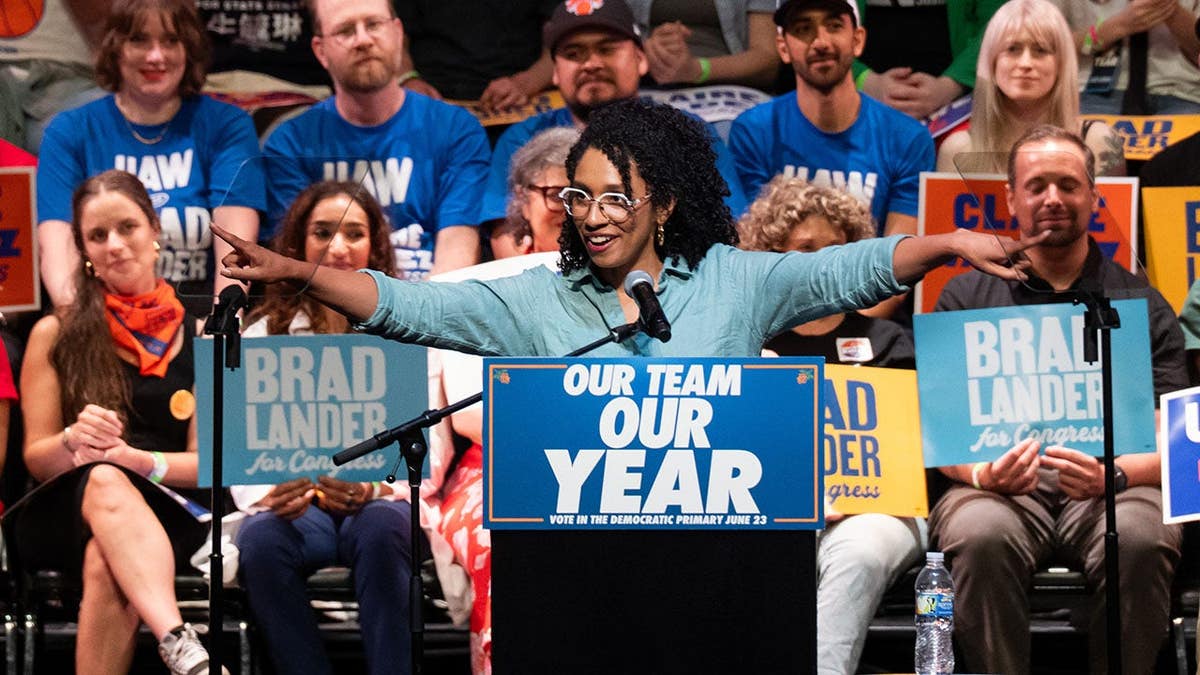
Requests for comment sent by media outlets to Rep. Rashida Tlaib, as well as to incoming lawmakers Donavan McKinney, Claire Valdez, and Darializa Avila Chevalier, went unanswered. Additionally, the Democratic Socialists of America (DSA) declined to provide a statement regarding the funding discrepancies.
Similarly, the leadership of the political action committees central to the funding network—including Justice Democrats, the Working Families Party, and Leaders We Deserve—did not respond to multiple requests for comment concerning their donor bases and expenditure strategies.
Broader Context in Modern American Politics
The controversy surrounding progressive campaign funding reflects a broader tension within the contemporary Democratic Party and the broader American political landscape. As the progressive and democratic socialist wings continue to expand their institutional footprint and electoral influence—evidenced by significant primary victories and growing caucuses at both the municipal and federal levels—they face the practical realities of funding competitive modern political campaigns.
Running competitive House and Senate campaigns requires substantial financial resources for media advertising, voter outreach, digital infrastructure, and staff salaries. While mainstream Democrats have historically relied on a mix of grassroots small-dollar donations and traditional corporate and PAC fundraising, the progressive wing staked its brand on rejecting traditional corporate cash entirely.
As investigations continue to spotlight the utilization of executive donations and progressive intermediary PACs, lawmakers on both sides of the aisle are likely to face heightened scrutiny over how they reconcile their campaign finance rhetoric with their actual fundraising portfolios. The debate underscores an enduring challenge in American democracy: balancing the high costs of modern campaigning with the demand for ideological purity and absolute transparency.
Related posts: