Beyond Bratwurst: A Comprehensive Guide to the Evolution and Diversity of German Cuisine

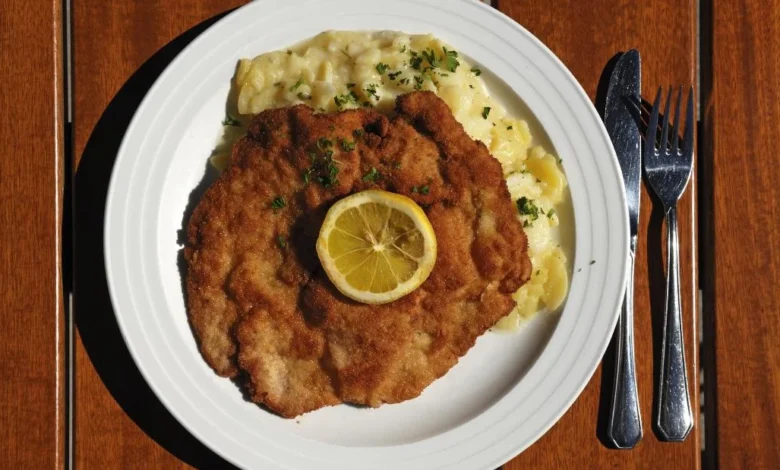
German food is defined by a commitment to heartiness, regional identity, and a sophisticated approach to locally sourced ingredients. While international perceptions of the nation’s culinary landscape often remain tethered to the stereotypical triad of beer, sauerkraut, and sausage, the reality is a vast, complex gastronomic tapestry woven over centuries of agricultural tradition and shifting cultural influences. From the refined, labor-intensive pot roasts of the Rhineland to the rapid, immigrant-driven evolution of street food in Berlin, Germany’s culinary heritage is a dynamic reflection of its history, geography, and social shifts.
A Historical Context of Culinary Integration
The foundation of German cuisine is deeply rooted in the agrarian traditions of Central Europe, where short growing seasons necessitated the preservation of meats and vegetables. However, the 20th and 21st centuries saw the introduction of global flavors that transformed the German palate. The post-war era, characterized by the Wirtschaftswunder (economic miracle), brought waves of migration, particularly from Turkey, Italy, and the former Soviet bloc. These groups did not merely coexist; they integrated their culinary techniques into the German mainstream, creating a unique hybrid of traditional comfort food and global convenience.
The Evolution of Street Food and Convenience
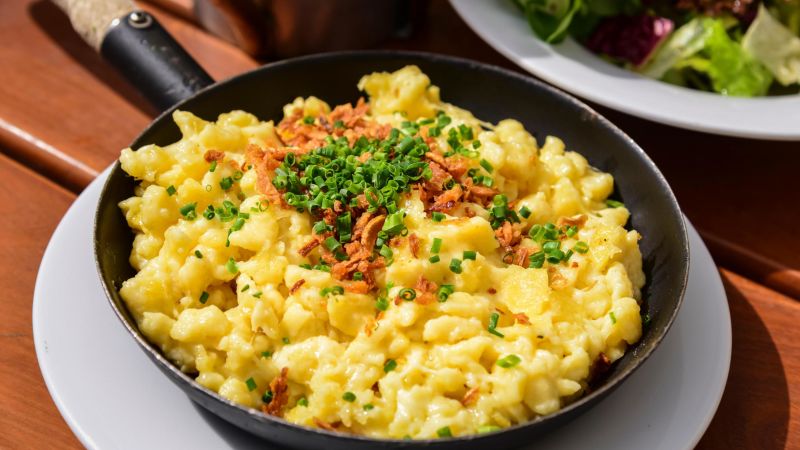
Modern German dining is characterized by a dual appreciation for slow-cooked, heritage-heavy meals and a sophisticated "on-the-go" culture. This is evidenced by the massive scale of the German street food industry, which serves as both a cultural hub and a source of economic stability for local vendors.
Currywurst serves as the quintessential example of post-war ingenuity. Attributed to Herta Heuwer in 1949, the dish emerged from the scarcity of the era, utilizing ketchup and curry powder obtained from British occupation forces to elevate simple boiled sausage. Today, the dish is an industrial phenomenon, with an estimated 800 million portions consumed annually. Similarly, the Döner kebab, introduced by Turkish immigrants such as Kadir Nurman at Berlin’s Zoo Station in 1972, has evolved from a simple meat-and-onion sandwich into a complex, multi-layered staple that is now widely regarded as a German national dish.
Iconic Regional Specialties and Their Origins
German culinary geography is highly fragmented, with each state boasting "protected" status for specific dishes.

Königsberger Klopse: Hailing from the former East Prussian capital of Königsberg, these meatballs represent the intersection of history and politics. During the Cold War, the German Democratic Republic attempted to rebrand the dish as Kochklopse to distance the cuisine from its namesake city, which had been annexed by the Soviet Union. Today, the dish—made with veal, anchovies, and capers—is celebrated for its balance of earthy meat and acidic sauce, serving as a testament to the endurance of traditional recipes over political suppression.
Maultaschen: Often described as the "German ravioli," this Swabian specialty gained official recognition from the European Union in 2009 as a protected regional cultural asset. The palm-sized pockets of dough, traditionally filled with a mixture of minced meat, spinach, and breadcrumbs, highlight the southern German preference for stuffed pasta. Their cultural significance is so high that they are often subject to regional pride, with local chefs debating the "authentic" preparation methods with the fervor typically reserved for national policy.
Labskaus: A dish born of necessity, Labskaus exemplifies the seafaring history of Northern German port cities like Hamburg, Bremen, and Kiel. Originally created for 18th-century sailors to utilize salted meat and hardtack, the mixture of mashed potatoes, beef, and pickled beetroot has transitioned from a maritime survival ration to a gourmet comfort food. It remains a fixture in the North, frequently consumed as a restorative meal—a "hangover cure"—reflecting the pragmatic roots of the region’s diet.

The Cult of Seasonality: Spargelzeit and Beyond
Perhaps no single ingredient illustrates the German obsession with seasonality more than Spargel (white asparagus). Known as "white gold," the vegetable dictates the rhythms of the German restaurant industry from mid-April until June 24, St. John the Baptist Day. With over 70,000 tons consumed annually, the intensity of Spargelzeit is a national event. The cultural fervor surrounding this vegetable is so pronounced that it has led to the creation of dedicated "asparagus routes" and specific festivals, underscoring the German commitment to fresh, seasonal produce.
Similarly, the arrival of Federweisser (partially fermented young wine) in October marks the onset of the harvest season. Because the wine continues to ferment after bottling, it cannot be exported easily, making it a hyper-local experience. Paired with Zwiebelkuchen (onion tart), it represents a fleeting moment in the agricultural calendar that brings communities together in wine regions along the Mosel and Rhine rivers.
The Role of Meat and Potatoes
While modern trends lean toward diversity, meat remains a central pillar. Rouladen, thin slices of beef rolled with bacon, onions, mustard, and pickles, serve as the standard for Sunday family dinners, requiring slow, deliberate preparation. Sauerbraten, a pot roast marinated for several days, is widely considered a national dish. Its preparation—often involving a gravy thickened with gingerbread or rye bread—demonstrates the historical importance of balancing intense acidity with rich, savory flavors.

Sausage remains the most identifiable element of the German diet. With over 40 varieties of Bratwurst alone, the industry is supported by institutions such as the Thuringian Bratwurst Museum, which tracks the history of the snack. Regional variations like the Nürnberger Rostbratwurst (small and grilled) and the Fränkische Bratwurst (heavily seasoned with marjoram) highlight the extreme localization of food production in Germany.
Sweet Traditions and the "Kaffee und Kuchen" Culture
The German afternoon ritual of Kaffee und Kuchen is a significant social institution. The Schwarzwälder Kirschtorte (Black Forest gateau) is the most globally recognized dessert, yet its origins remain contested. While named after the region, the cake is specifically a vehicle for Schwarzwälder Kirschwasser, a cherry brandy. Its rise in popularity, particularly after World War II, solidified its place as a staple of European patisserie.
Furthermore, German cheesecake (Käsekuchen) differs significantly from its American counterpart. Utilizing Quark—a fresh, acid-set cheese—rather than cream cheese, the dessert is lighter and less sweet, reflecting a preference for ingredient-focused baking. Even the whimsical Spaghettieis (ice cream pressed to resemble pasta) serves as a modern example of German culinary innovation, having been invented in Mannheim in 1969 by the son of an Italian immigrant, a creation for which the inventor was later honored by the city.

Broader Implications and Future Outlook
The current state of German cuisine is one of transition. As the country grapples with the demands of sustainability and a growing demand for plant-based alternatives, traditional dishes are being reinterpreted. The rise of vegan Döner and plant-based Maultaschen indicates that the German culinary landscape is not static but rather adaptive.
Statistically, the industry continues to thrive, with the "bread culture"—officially recognized by UNESCO as intangible cultural heritage—acting as the backbone of the economy. The presence of professional institutes dedicated to the study of bread reflects a scientific approach to food that remains unmatched globally.
In conclusion, the German culinary identity is not a monolith of sausages and beer, but a vast, regionalized, and historically informed experience. It is a system that values the integrity of the product, the history of the region, and the integration of diverse cultural influences. For the traveler or the casual observer, understanding German food requires looking beyond the superficial stereotypes to the deep, complex, and highly seasonal reality of a nation that views eating as a central, celebratory part of daily life. Whether it is a bowl of Labskaus in a Hamburg tavern or a slice of Käsekuchen in a Bavarian café, the common thread is a profound respect for the craft of cooking.
Related posts: