The definitive guide to China’s most essential culinary masterpieces and regional traditions

Navigating the vast landscape of Chinese gastronomy is an undertaking that defies simple categorization. With eight distinct culinary traditions—collectively known as the Eight Great Traditions—and thousands of years of imperial history, China possesses one of the most diverse and sophisticated food cultures on the planet. From the fiery, peppercorn-laden depths of Sichuan to the delicate, umami-rich steaming techniques of the Cantonese coast, the nation’s culinary output is as varied as its geography. For the uninitiated traveler or the seasoned gourmand, understanding this landscape requires looking beyond the popular exports and into the regional staples that define the country’s heritage.
A Legacy of Imperial Flavor: Peking Duck
Few dishes command as much international prestige as Peking Duck. While modern interpretations often emphasize the crispy skin, the dish’s roots trace back over 1,500 years to the Southern and Northern Dynasties in Nanjing. Historically, roasted duck was a centerpiece of imperial banquets. When the Ming Dynasty capital was relocated to Beijing in the 15th century, the court brought its master chefs—and their specialized roasting techniques—with them.

The transition to the capital allowed for the refinement of the dish into the version recognized today: a bird roasted until the skin is mahogany and crisp, served with thin pancakes, scallions, cucumbers, and a fermented sweet bean sauce. Culinary historians note that this transition marked a pivotal moment in Chinese food history, where regional techniques were formalized into the national lexicon of fine dining.
The Geography of Spice: Hunan and Sichuan
The mountainous, landlocked provinces of the interior have long utilized heavy seasoning to preserve food and stimulate the palate. In Hunan, known for its Xiang cuisine, the local philosophy is explicitly pro-chili. A common folk saying in the region suggests that a dish is incomplete without the inclusion of peppers, which are often dried, salted, and fermented into duo jiao.
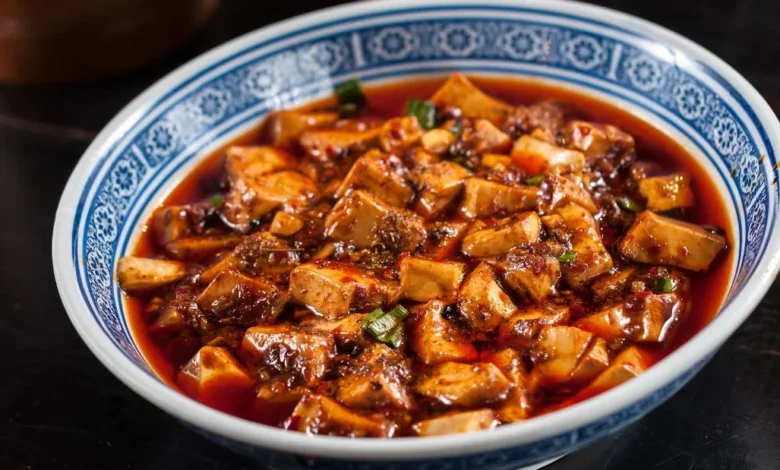
The quintessential representation of this is the steamed fish head topped with chopped salted chili. This dish is not merely a meal; it is a cultural expression of the province’s reliance on preserved ingredients. Similarly, the Sichuan province has revolutionized global flavor profiles through its mastery of the "numbing" sensation, or ma, provided by the Hanyuan peppercorn. Dishes like Mapo Tofu and Kung Pao Chicken rely on the precise balance of this numbing spice with broad bean chili paste, a technique that has become a staple of global Chinese restaurant menus.

The Art of Dim Sum and Cantonese Refinement
Cantonese cuisine, particularly the practice of Dim Sum, represents a departure from the heavy spice of the interior toward a focus on the freshness of ingredients. Dim Sum is not a single dish but a social tradition originating in the teahouses of Guangdong. Historically, travelers on the Silk Road would stop at teahouses to rest and engage in yum cha (drinking tea), eventually leading to the practice of serving small plates of steamed buns, dumplings, and rice rolls to accompany the tea.
Today, the variety is staggering. From the soup-filled xiaolongbao—which requires meticulous pleating to ensure the broth remains sealed within the wrapper—to the Cantonese roast goose, the focus remains on texture and the natural sweetness of the proteins. The use of wood-fire roasting, often using litchi or camphor wood, imparts a distinct aromatic profile that differentiates high-end Cantonese barbecue from mass-market alternatives.
Staple Grains and Regional Innovations
Rice and wheat serve as the foundational carbohydrates for the Chinese diet, but their preparation varies wildly based on latitude. In the north, wheat-based products like jian bing (a breakfast crepe often stuffed with deep-fried crisps) and rou jia mo (often described as the "Chinese burger") reflect the region’s historical reliance on wheat crops.

In the south, rice remains king. The development of Chen cun fen (flat rice noodles) in the Pearl River Delta demonstrates the innovation inherent in regional cooking. These noodles are thinner and wider than standard rice noodles, specifically designed to absorb the juices of the meats steamed alongside them. Furthermore, the tradition of congee serves as a universal equalizer across the nation. Whether served with century eggs in the south or millet and pumpkin in the north, congee is recognized not just as food, but as a digestive aid and a fundamental component of the Chinese health and wellness philosophy.
Cultural and Economic Impact
The global proliferation of these dishes has had a profound impact on the Chinese economy. Culinary tourism has become a significant driver of regional development, with cities like Xi’an, Chengdu, and Guangzhou investing heavily in the preservation of local food heritage.
A fact-based analysis of the industry indicates that the "Chinese food sector" remains one of the largest employers in the country, with millions of small-to-medium enterprises (SMEs) focused on traditional food preparation. However, the modernization of these techniques presents challenges. The reliance on artisanal methods—such as the hand-beaten beef balls of Chaozhou or the time-intensive process of fermenting mei cai—is currently being tested by the rapid urbanization of the country.

Official Responses and Modern Standardization
In recent years, the Chinese government has taken steps to protect its culinary heritage through the designation of "Intangible Cultural Heritage" status for specific regional dishes. By formalizing the recipes and techniques for items like the Tianjin jian bing or the Hakka braised pork belly, authorities aim to prevent the dilution of these traditions in an increasingly globalized market.
Industry analysts observe that this move is also a strategic effort to bolster "soft power." By standardizing and promoting these dishes, China ensures that the international perception of its cuisine moves beyond the simplified, westernized versions of the 20th century and toward a more accurate representation of its regional complexity.
The Future of the Chinese Table
As we look forward, the trend in Chinese dining is moving toward a greater appreciation for "farm-to-table" practices that have, in reality, been part of the culture for millennia. The use of seasonal ingredients, such as the specific yam breeds used in Fujianese taro paste or the seasonal herbs found in Cantonese soups, highlights a deep-seated respect for the environment.

The enduring popularity of these dishes—from the humble street-side bowl of vermicelli soup with duck blood to the complex, multi-course Dim Sum experience—speaks to their resilience. Despite the pressures of industrialization, the fundamental pillars of Chinese cuisine remain intact. Whether it is the perfect "breath of the wok" (wok hei) found in a well-executed fried rice or the precise balance of sweet and sour in a Fujianese lychee pork, these culinary staples serve as a bridge between China’s imperial past and its modern global identity.
For the traveler, the lesson is clear: one does not simply "eat" in China. One experiences a layered history of migration, adaptation, and resourcefulness. Each bowl of noodles, each steamed dumpling, and each roasted duck represents not just a meal, but a testament to a culture that has continuously refined the art of nourishment for over a thousand years. As the international appetite for authentic, regional Chinese cuisine continues to grow, these dishes will undoubtedly remain at the center of the global culinary conversation, inviting new generations to explore the depth and diversity of the Chinese table.