The Gastronomic Tapestry of Germany: A Deep Dive into Traditional Culinary Heritage and Modern Evolution

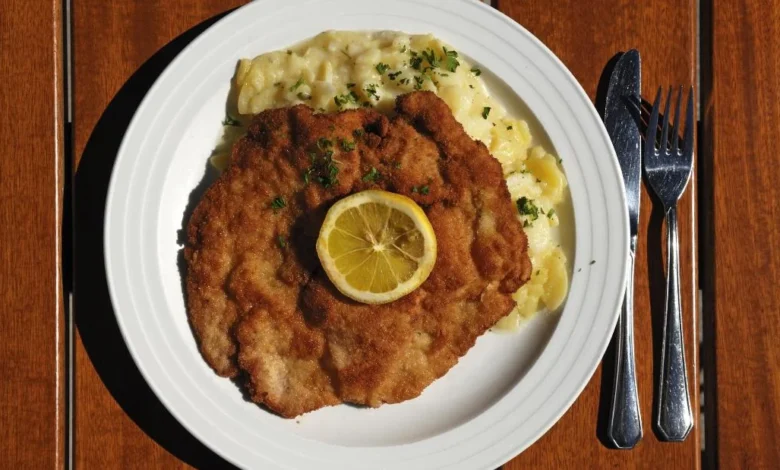
German food is defined by its resilience, its deep-rooted agricultural history, and its remarkable ability to adapt to the changing demographics of the nation. Far from being a monolithic culture centered solely on beer, sauerkraut, and sausage, German cuisine represents a sophisticated mosaic of regional specialties shaped by centuries of trade, immigration, and agricultural innovation. Today, the nation’s food scene serves as a testament to the balance between a deep reverence for ancestral cooking methods and a modern, high-paced demand for quality, accessible street food.
The Foundations of Regional Identity
German culinary tradition is inherently localized. Because the country was historically comprised of distinct duchies and principalities, specific dishes are inextricably linked to geographic regions. For example, the northern coastal regions have long prioritized maritime ingredients, such as herring and salt-preserved meats, while the southern states of Bavaria and Baden-Württemberg lean heavily into hearty noodle dishes, dumplings, and dairy-rich preparations.
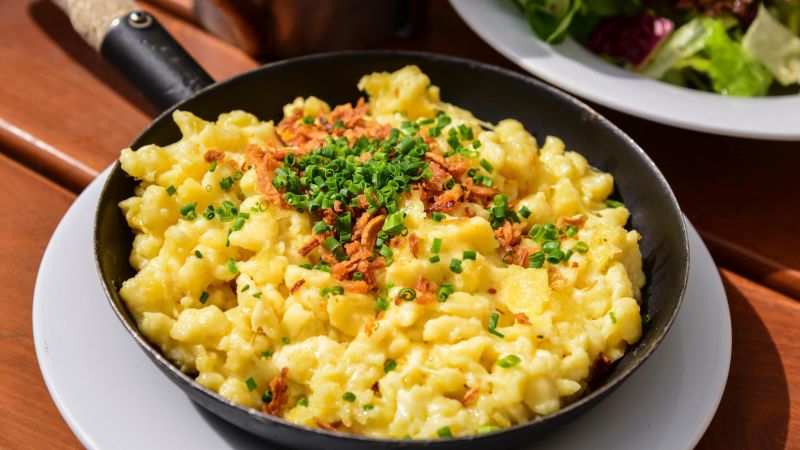
This regionalism is best observed in dishes like Königsberger Klopse. Named after the former East Prussian capital of Königsberg—now Kaliningrad, Russia—this dish consists of meatballs prepared with veal, anchovies, and capers, served in a delicate white roux. Historically, the dish became a victim of geopolitical tension; during the Cold War, authorities in the German Democratic Republic (GDR) rebranded the meal as Kochklopse (boiled meatballs) to scrub any reference to the Prussian city annexed by the Soviet Union. Today, the dish has reclaimed its original name, symbolizing the restoration of cultural memory alongside culinary preservation.
Street Food and the Influence of Migration
The evolution of German street food is one of the most compelling narratives in European culinary history. It is a story of economic necessity meeting cultural synthesis. Perhaps the most iconic modern example is the Döner Kebab. Introduced by Turkish guest workers in the 1960s and 70s, the dish underwent a uniquely German transformation. Kadir Nurman, often credited with popularizing the dish at West Berlin’s Zoo Station in 1972, adapted the traditional rotisserie-cooked meat to fit a portable, sandwich-style format. Over the decades, this evolved into a multi-billion euro industry. The German Döner is now a distinct entity, characterized by its reliance on fresh produce, a diverse array of sauces, and a standardized expectation of quality that transcends its humble origins.
Similarly, the Currywurst serves as a pillar of post-war German identity. Emerging in 1949, when Herta Heuwer of Berlin combined ketchup and curry powder obtained from British occupation forces, the dish became an instant success. Data from the German Currywurst Museum suggests that approximately 800 million servings are consumed annually across the country. It represents the ingenuity of a nation working with limited resources to create a flavor profile that has become a national staple.

The Ritual of Seasonal Eating: Spargelzeit and Wine Harvests
German food culture is strictly tethered to the calendar. No phenomenon illustrates this better than Spargelzeit (asparagus season). Beginning in mid-April and concluding abruptly on June 24—St. John the Baptist Day—the nation enters a state of what can only be described as a collective obsession with white asparagus.
The economic impact of this season is significant. Germany consumes over 70,000 tons of asparagus annually, with domestic production struggling to keep pace with demand. The vegetable, often referred to as "white gold," is treated with a level of reverence typically reserved for luxury goods. Whether boiled and served with hollandaise or paired with schnitzel, the vegetable dictates restaurant menus for ten weeks, demonstrating the German consumer’s preference for hyper-seasonal, locally sourced produce.
Complementing this is the autumnal Federweisser season. In October, particularly along the Mosel River, the consumption of partially fermented young white wine paired with Zwiebelkuchen (onion tart) marks the transition into the cooler months. Because Federweisser is highly unstable due to rapid fermentation, it cannot be exported or stored for long periods, reinforcing the necessity of local consumption and the vibrancy of the regional wine festival circuit.

Analytical Perspective: The Modern Culinary Landscape
While the international perception of German food remains focused on sausages—of which there are over 40 distinct regional varieties—the reality is far more nuanced. The prevalence of vegetarian and vegan adaptations of traditional dishes, such as Maultaschen (the Swabian take on ravioli), highlights a shift toward healthier, sustainable consumption.
In 2009, the European Union recognized Maultaschen as a regional specialty, marking it as a protected cultural heritage of Baden-Württemberg. This legal recognition underscores the strategic importance of traditional food in the modern European economy. It ensures that while globalization puts pressure on traditional culinary methods, specific regional techniques remain protected by law.
The Role of Bread and Pastry
Baking is arguably the most sacred pillar of German food culture. The country is home to the Institut für Brot (Institute for Bread), which oversees the classification and standards of thousands of bread varieties. The German approach to bread is characterized by a reliance on rye and whole grains, a stark contrast to the white-flour dominance seen in other parts of Europe.

This tradition extends to the dessert menu. The Schwarzwälder Kirschtorte (Black Forest Gateau) is perhaps the most famous international export. Contrary to popular belief, it is not named after the Black Forest itself, but rather the Schwarzwälder Kirschwasser, a cherry brandy distilled in the region. Since its inception in 1915, the cake has become a fixture of the "Kaffee und Kuchen" (coffee and cake) ritual—a social institution that remains a cornerstone of German community life on Sunday afternoons.
Sustaining Traditions in a Globalized Market
Despite the encroachment of fast-food chains, traditional dishes like Rouladen (beef rolls) and Sauerbraten (marinated pot roast) remain the standard for Sunday family dinners and special occasions. The preparation of Sauerbraten, which requires marinating meat for several days, serves as a counterpoint to the fast-paced modern world. It is a dish that demands patience and labor, qualities that the German culinary establishment continues to champion.
Furthermore, the influence of historical figures on food persists. The late Chancellor Helmut Kohl famously used Saumagen (a stuffed pork stomach dish) as a diplomatic tool, serving it to world leaders like Margaret Thatcher, Ronald Reagan, and Mikhail Gorbachev. By elevating a rustic, regional dish to the level of state dinners, Kohl solidified the status of rural German cuisine as an essential component of the nation’s diplomatic identity.

Conclusion
The German culinary landscape is in a constant state of flux, yet it remains anchored by a profound respect for regionality and seasonal cycles. From the innovation of the Spaghettieis—an ice cream dish designed to look like pasta, invented in 1969—to the ancient practice of pickling herring for Rollmöpse, the nation’s food reflects a history of survival, immigration, and adaptation.
As travelers explore Germany, they find that the true value of the nation’s gastronomy does not lie in a single dish, but in the variety of its regional expressions. Whether it is the hearty, winter-ready kale dishes of the north or the sophisticated, wine-paired tarts of the south, German food continues to serve as an essential medium through which the country’s history, cultural shifts, and societal values are communicated. By maintaining high-quality standards and fostering a deep, almost religious connection to local ingredients, Germany has successfully carved out a unique space in the global culinary market, proving that hearty, comfort-focused cuisine has a permanent place in the modern age.