A Chronology of the Pumpkin’s Peril and Return
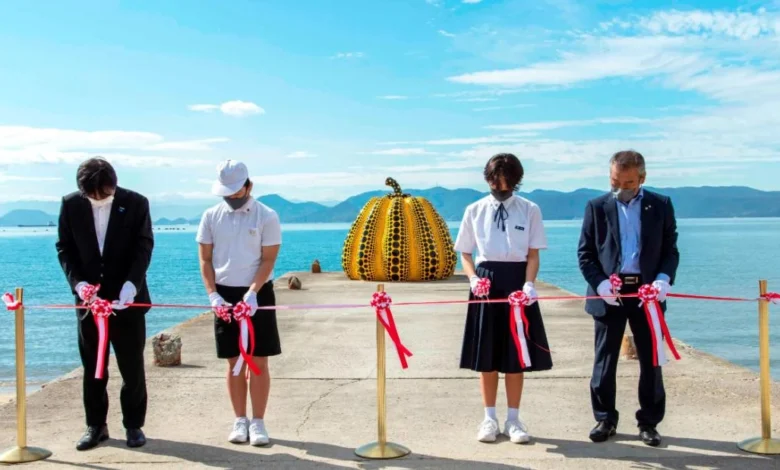
The journey of the yellow pumpkin—a hallmark of contemporary Japanese art—has been defined by its symbiotic relationship with the island’s landscape. Since its initial installation in 1994 as part of the "Out of Bounds" exhibition, the sculpture has stood on the edge of the pier, its bright yellow hue and black polka-dot pattern offering a striking, surreal contrast to the deep blues of the Seto Inland Sea.
However, the vulnerability of public art located in coastal zones was laid bare in August 2021. During a particularly severe typhoon that swept through the region, the sculpture was struck by high-velocity winds and violent, surging waves. The force of the ocean effectively plucked the fiberglass structure from its foundation, causing it to break into three distinct pieces. The immediate aftermath saw a rapid recovery effort by the site managers, Benesse Holdings, who scrambled to retrieve the fragments from the churning water. While the event was initially met with shock by the global art community and frequent visitors to the island, it also sparked a necessary conversation regarding the maintenance and preservation of outdoor art installations in the face of increasingly volatile weather patterns.
Following the damage, experts assessed the viability of repairing the original pieces. Ultimately, the decision was made by Yayoi Kusama’s production team to commission a brand-new replica. This allowed for not only a restoration of the aesthetic integrity of the original work but also an opportunity to integrate modern engineering solutions that would safeguard the sculpture against future meteorological threats.
Engineering for Resilience: The New Design
The reinstallation process was not merely a return to the status quo; it was a sophisticated upgrade in disaster preparedness. The production team, working throughout the spring of 2022, focused on structural integrity as much as visual fidelity. The new iteration of the pumpkin features an outer shell that is 10% thicker than the original, providing enhanced durability against the buffeting winds and tidal surges typical of the Seto Inland Sea.
Perhaps most significantly, the new sculpture includes an embedded hook within its stem. This design modification serves a dual purpose: it allows for the swift and secure anchoring of the piece during calm periods and, crucially, provides an attachment point for maintenance crews to drag the sculpture to higher, safer ground should another major typhoon be forecasted. This combination of artistic expression and pragmatic engineering highlights a shift in how museums and curators manage outdoor collections in the era of climate change.
The Significance of Naoshima as an Art Hub
Naoshima has spent the last three decades transforming itself from a sleepy, rural fishing community into a global destination for art enthusiasts. With a resident population of approximately 3,200 people, the island’s economy and cultural identity are inextricably linked to its status as an "art island." This identity is supported by three primary modern and contemporary art institutions: the Chichu Art Museum, the Benesse House Museum, and the Lee Ufan Museum.
The island’s success is a result of a decades-long revitalization project that sought to breathe new life into rural Japanese locales through high-concept, large-scale installations. The yellow pumpkin, positioned on a pier that extends into the sea, became the unofficial symbol of this movement. Its popularity on social media platforms like Instagram has made it a focal point for international tourism, bridging the gap between high-brow art galleries and the mainstream public.
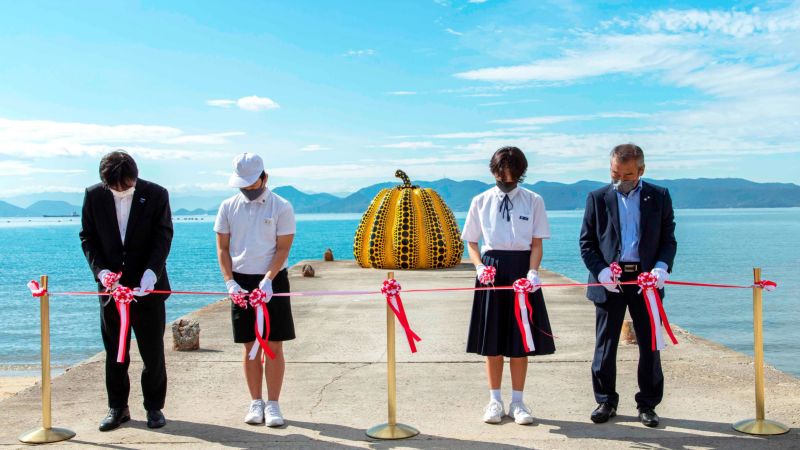
For the local residents, the return of the pumpkin is more than just a win for tourism; it is a restoration of a community landmark. Yukari Stenlund, a spokesperson for Benesse Holdings, emphasized this sentiment during the unveiling ceremony, noting, "Since the pumpkin was a symbol of Naoshima, it is great to see the same artwork installed again at the same spot. We are happy to share the joy with residents in Naoshima."
Broader Implications and Future Outlook
The timing of the sculpture’s return was strategically significant. When it was reinstalled in early October 2022, Japan was in the final stages of preparing to reopen its borders to independent leisure travelers on October 11, following stringent restrictions necessitated by the global pandemic. The return of the pumpkin served as a welcoming beacon for the return of international tourism, providing a sense of normalcy and continuity.
Furthermore, the reinstallation coincided with the Setouchi Art Festival, a triennial event that draws thousands of visitors to the islands of the Seto Inland Sea. The festival, which concluded in November 2022, relies on the presence of such major installations to anchor its sprawling exhibits. The absence of the pumpkin for over a year had created a palpable void in the visitor experience; its return reinforced the festival’s narrative of resilience and creative renewal.
From a logistics perspective, the island remains accessible primarily via ferry from Okayama city, which itself is a short 50-minute commute from Osaka via the Shinkansen (bullet train). This infrastructure makes the island a viable, albeit remote, day trip or overnight stay for those traveling through Japan’s Kansai region.

Lessons for Public Art Preservation
The saga of the Naoshima pumpkin offers several takeaways for the global art sector. First, it underscores the necessity of proactive maintenance for outdoor art. Public art is subject to the elements, and as extreme weather events become more frequent, the "permanence" of outdoor installations must be re-evaluated.
Second, it highlights the importance of documentation and artist intent. The collaboration between the estate of the artist and the site management ensured that the "new" pumpkin remained a faithful representation of Kusama’s original vision, maintaining the intellectual property and aesthetic value of the piece.
Finally, the incident demonstrates the economic and social value of art in rural development. The fact that the entire community—students, local officials, and residents—gathered to celebrate the return of a fiberglass sculpture speaks volumes about how art has become the bedrock of Naoshima’s identity. The pumpkin is no longer just a sculpture; it is a piece of infrastructure that connects the island to the world.
As Japan continues to navigate the complexities of tourism in the post-pandemic era, the yellow pumpkin stands as a symbol of the nation’s commitment to culture. It serves as a reminder that art, much like the communities that host it, can be battered by the storms of life, but with intentional design and a collective will to preserve, it can be restored, re-anchored, and once again become a beacon of creativity for the world to see.
The return of the sculpture effectively closes a chapter of uncertainty. As visitors once again make the trek to the end of the Naoshima pier, they find the familiar yellow curves and black spots waiting for them, looking identical to the original, yet built with the wisdom gained from the turbulent waters that once claimed it. It is a quiet, yellow, and deeply resilient success story in the middle of the Seto Inland Sea, ensuring that the legacy of Yayoi Kusama remains firmly rooted in the landscape of Naoshima for years to come.